




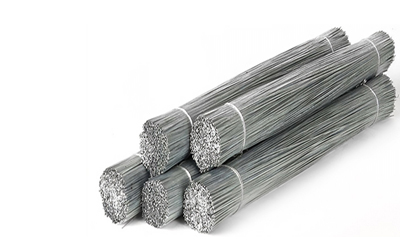
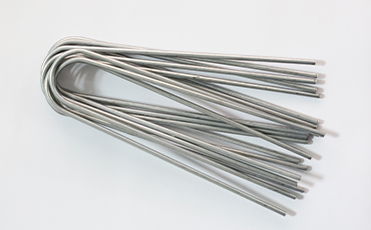















In today’s industrial and construction sectors, wire products play a critical role in supporting infrastructure, agriculture, manufacturing, and fencing applications. Among the most widely used materials are سلك حديد مجلفن, 12 gauge iron wire, 16 gauge iron wire, سلك حديد مجلفن كهربائيا, سلك غي الكهربائية، و سلك جي المجلفن. These wire products are valued for their strength, corrosion resistance, flexibility, and long service life.
As global industries continue to expand, the demand for durable and cost-effective wire materials has increased significantly. From construction reinforcement and mesh manufacturing to agricultural fencing and packaging solutions, galvanized wire products are essential for modern industrial development. Their ability to withstand harsh environmental conditions while maintaining structural performance makes them highly suitable for both indoor and outdoor use.
This article explores the characteristics, applications, advantages, and selection considerations of galvanized iron wire products, helping businesses and buyers understand why these materials remain vital across multiple industries.
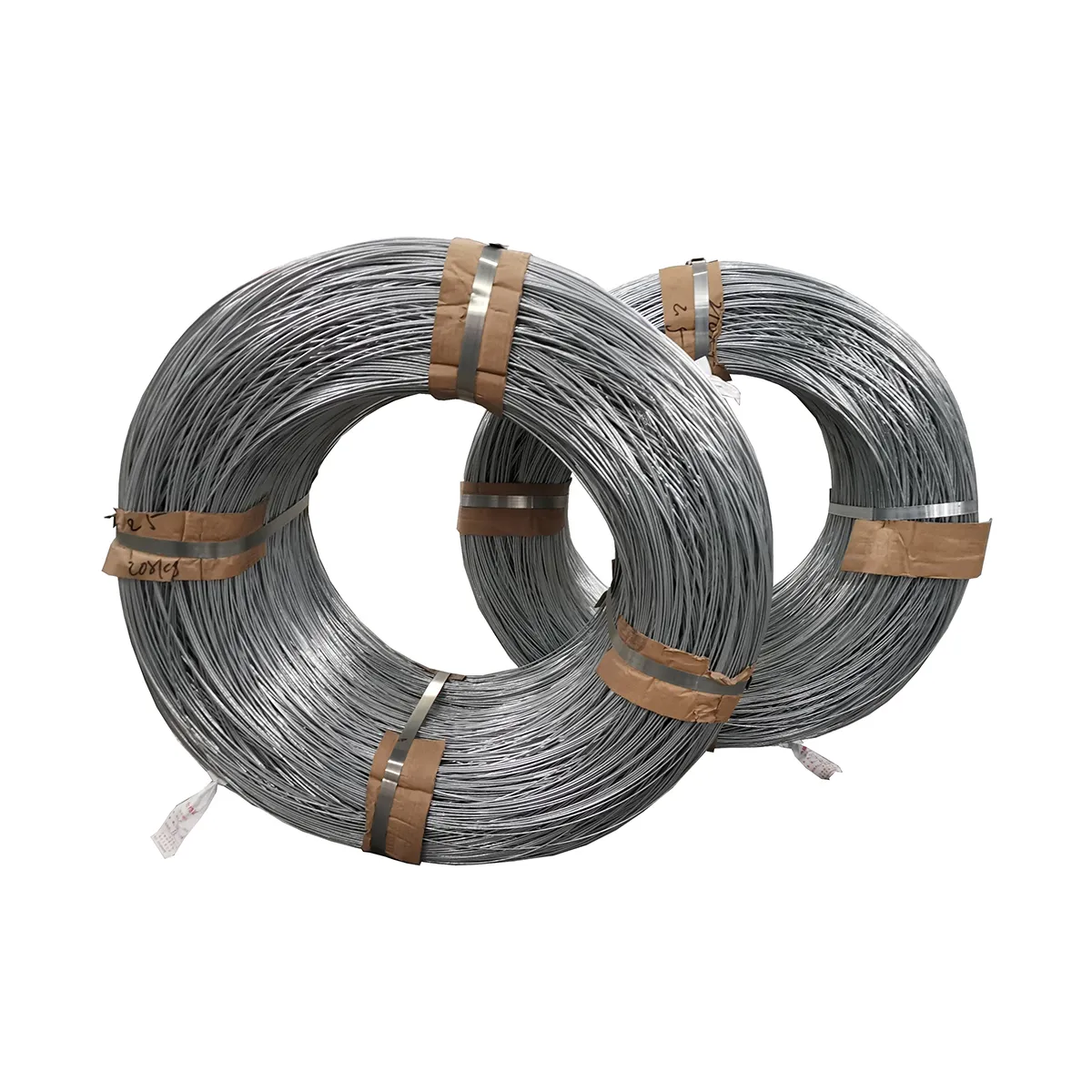
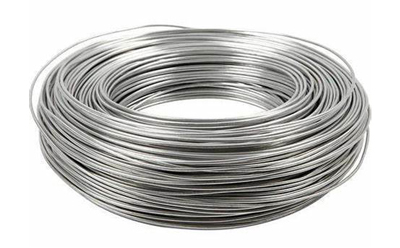
The term سلك حديد مجلفن refers to steel or iron wire coated with a protective zinc layer through the galvanization process. This zinc coating protects the wire from corrosion and significantly extends its lifespan compared to untreated steel wire.
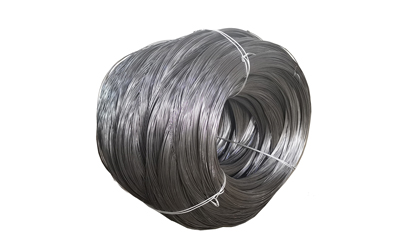
One of the most common variations is سلك حديد مجلفن كهربائيا, which is produced through an electroplating process. During manufacturing, a thin layer of zinc is applied evenly to the wire surface using electrical current. This process creates a smooth and bright finish while improving corrosion resistance. Because of its clean appearance and flexibility, سلك حديد مجلفن كهربائيا is widely used in construction, handicrafts, wire mesh production, and light industrial applications.
Similarly, سلك غي الكهربائية has become increasingly popular in industries requiring precision and consistent surface quality. The term “GI” stands for galvanized iron, and this type of wire is commonly used in binding, packaging, and light fencing applications. Due to its excellent workability, سلك غي الكهربائية is easy to bend, twist, and shape according to project requirements.
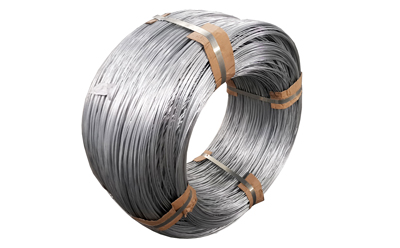
Another highly demanded product is سلك جي المجلفن, which is known for its strong anti-rust properties and long-term durability. This wire is often used in outdoor environments where exposure to moisture and changing weather conditions could damage ordinary steel wire. Industries such as agriculture, infrastructure, and transportation rely heavily on سلك جي المجلفن for fencing, reinforcement, and structural support.
Wire gauge is another important consideration when selecting galvanized wire products. 12 gauge iron wire is thicker and stronger, making it ideal for heavy-duty applications such as security fencing, industrial mesh manufacturing, and construction reinforcement. Because of its higher tensile strength, 12 gauge iron wire can support greater loads and withstand significant mechanical stress.
على الجانب الآخر، 16 gauge iron wire is thinner and more flexible, making it suitable for lighter applications such as binding, tying, packaging, and decorative projects. Its flexibility allows users to handle and install the wire more easily, especially in situations requiring detailed shaping or fastening.
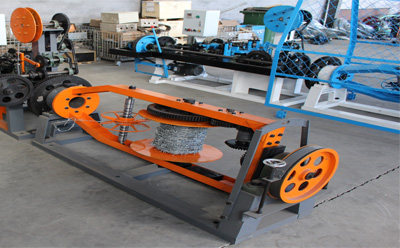
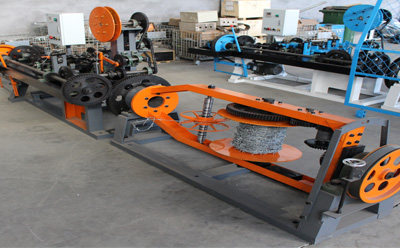
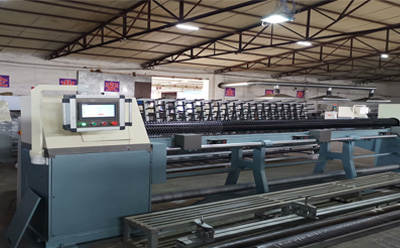
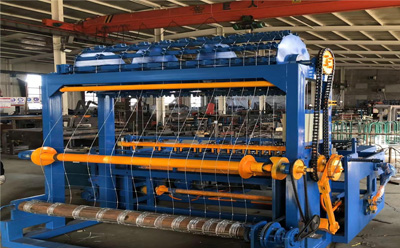
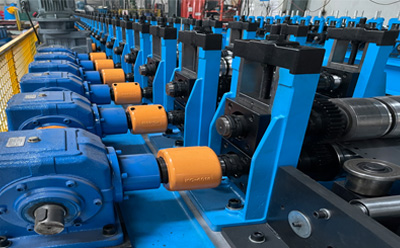
The manufacturing process for galvanized wire products typically involves several stages, including wire drawing, annealing, cleaning, galvanization, and quality inspection. Advanced production technology ensures consistent coating thickness, wire diameter accuracy, and mechanical strength.
Modern manufacturers also offer customized wire specifications to meet different industry requirements. Buyers can select wire diameter, tensile strength, coating thickness, and packaging style according to their specific applications. This flexibility contributes to the widespread use of galvanized wire products across global markets.
The popularity of سلك حديد مجلفن products comes from their wide range of practical applications and outstanding performance characteristics. Compared with untreated steel wire, galvanized wire provides superior corrosion resistance and longer service life, especially in outdoor environments.
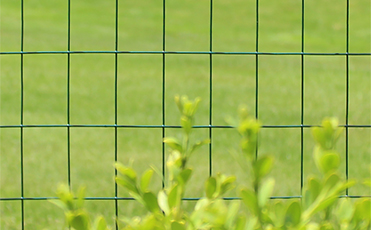
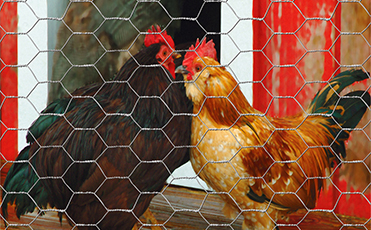
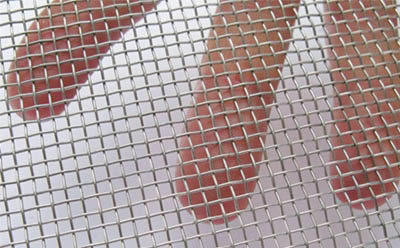
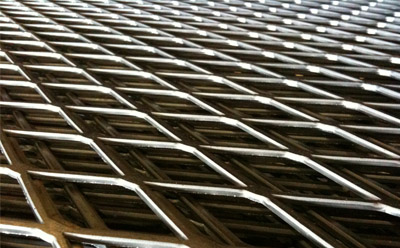
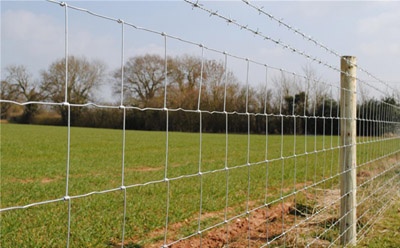
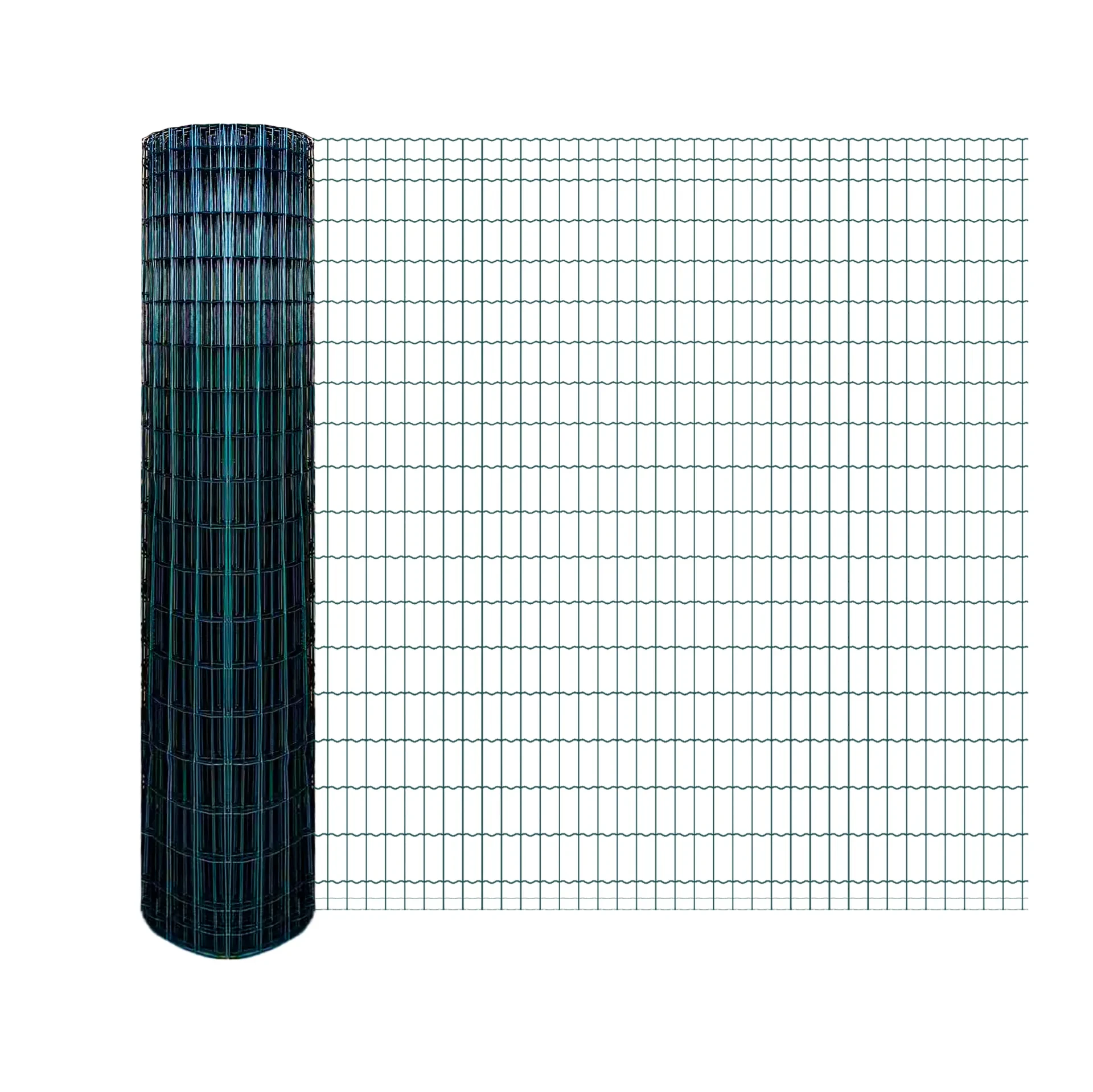
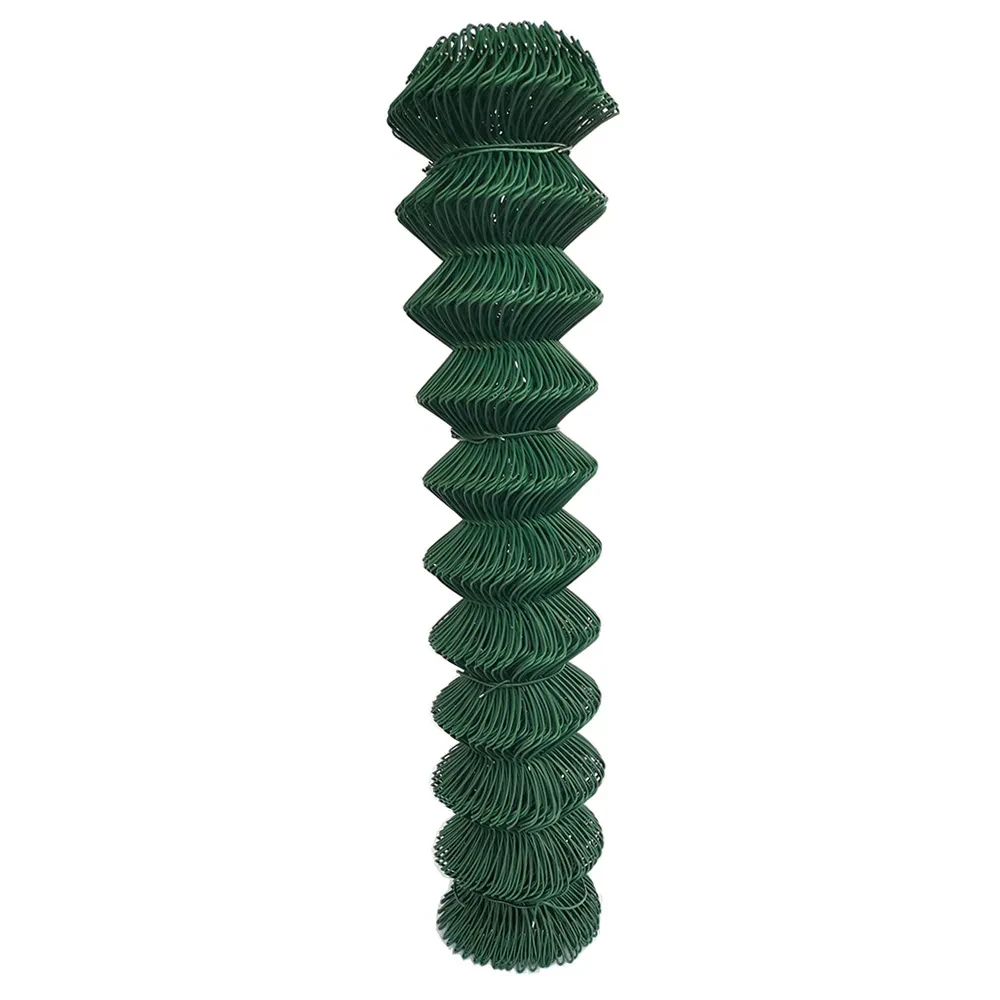
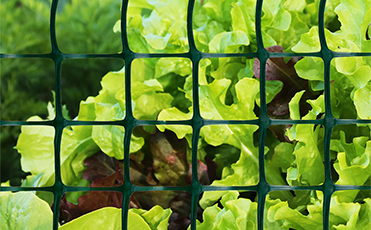
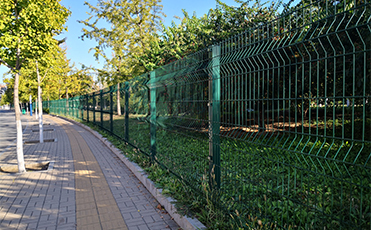
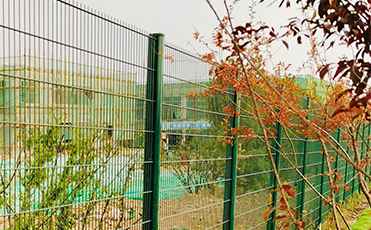
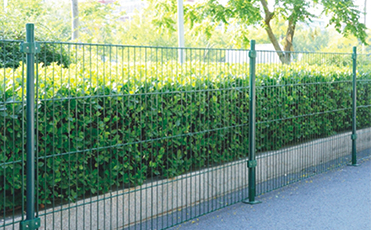
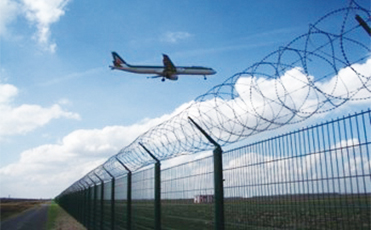
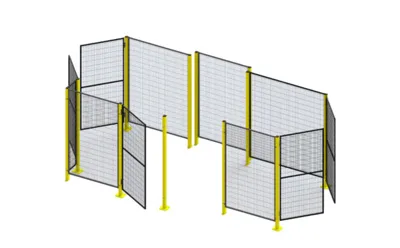
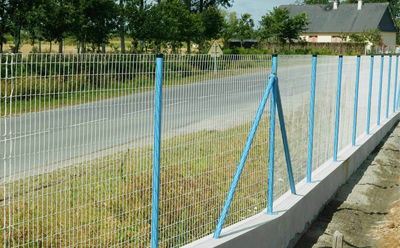
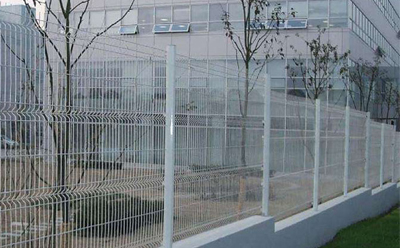
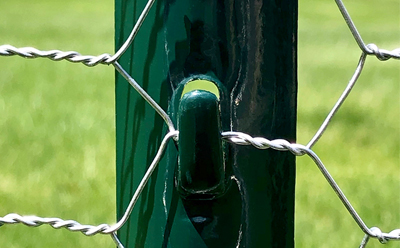
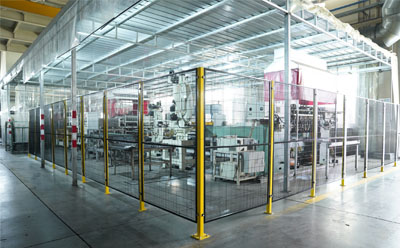
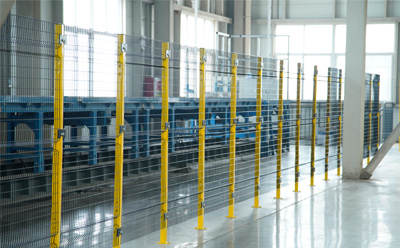
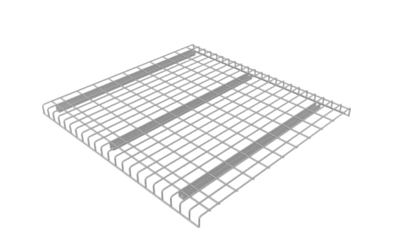
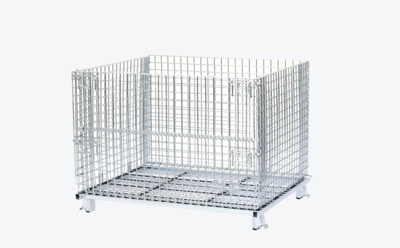
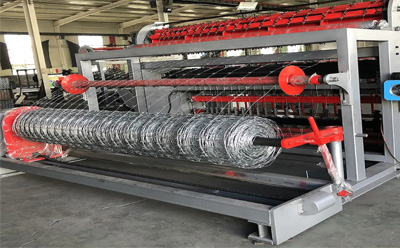
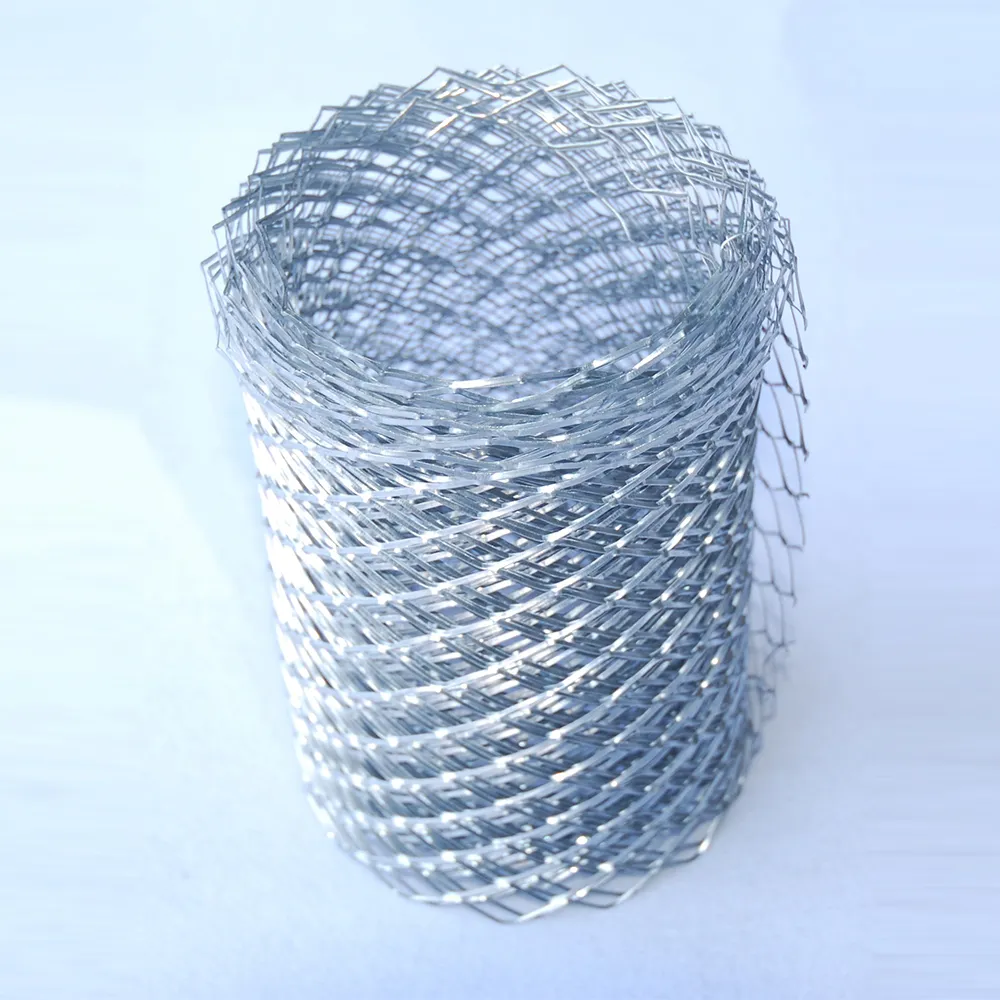
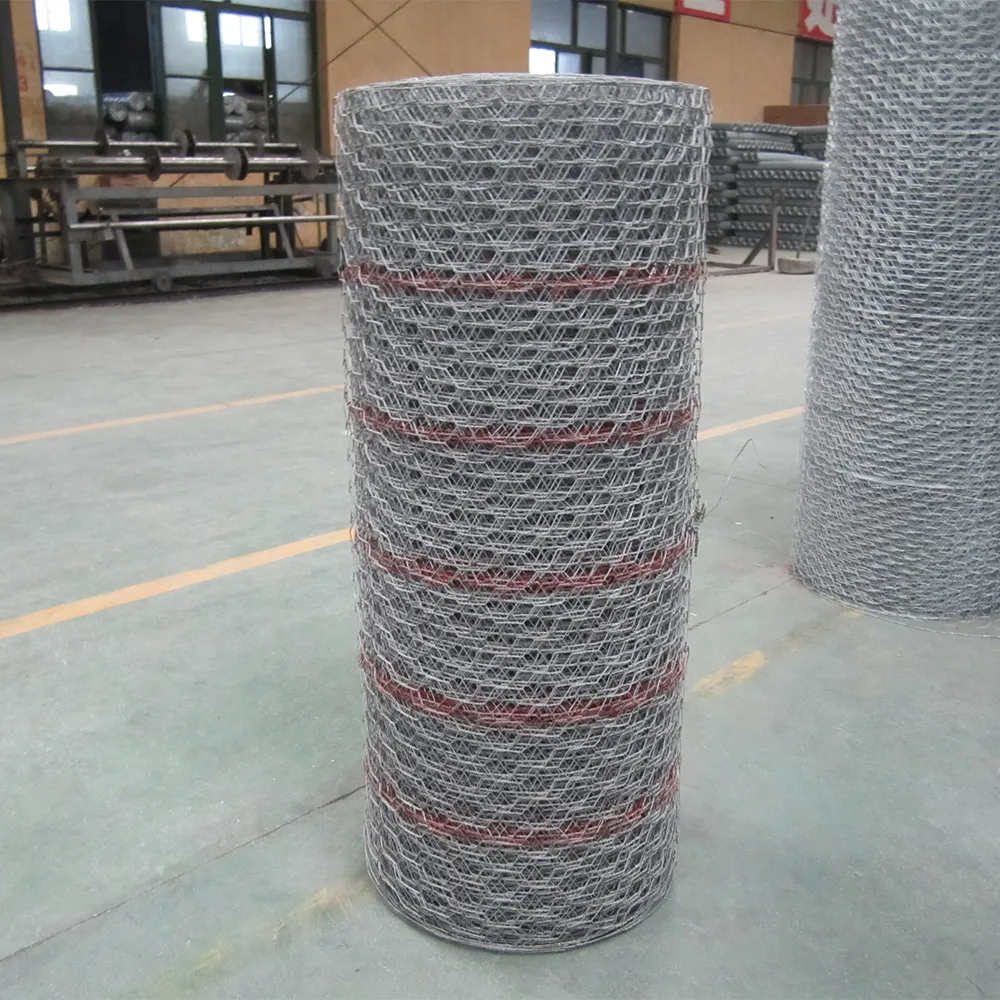
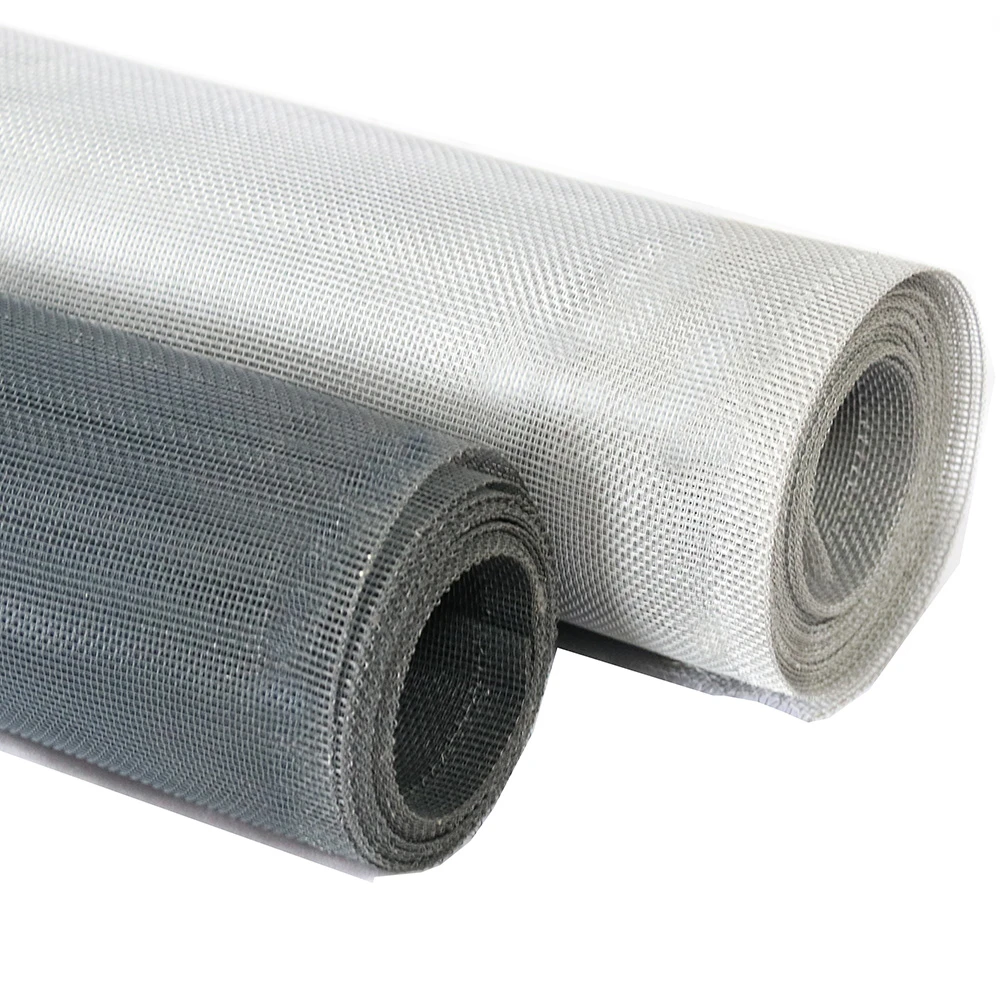
One of the primary applications of سلك حديد مجلفن كهربائيا is wire mesh manufacturing. Galvanized wire is commonly woven or welded into fencing mesh, construction mesh, poultry netting, and industrial screening products. The zinc coating protects the mesh from rust and environmental damage, ensuring long-term durability.
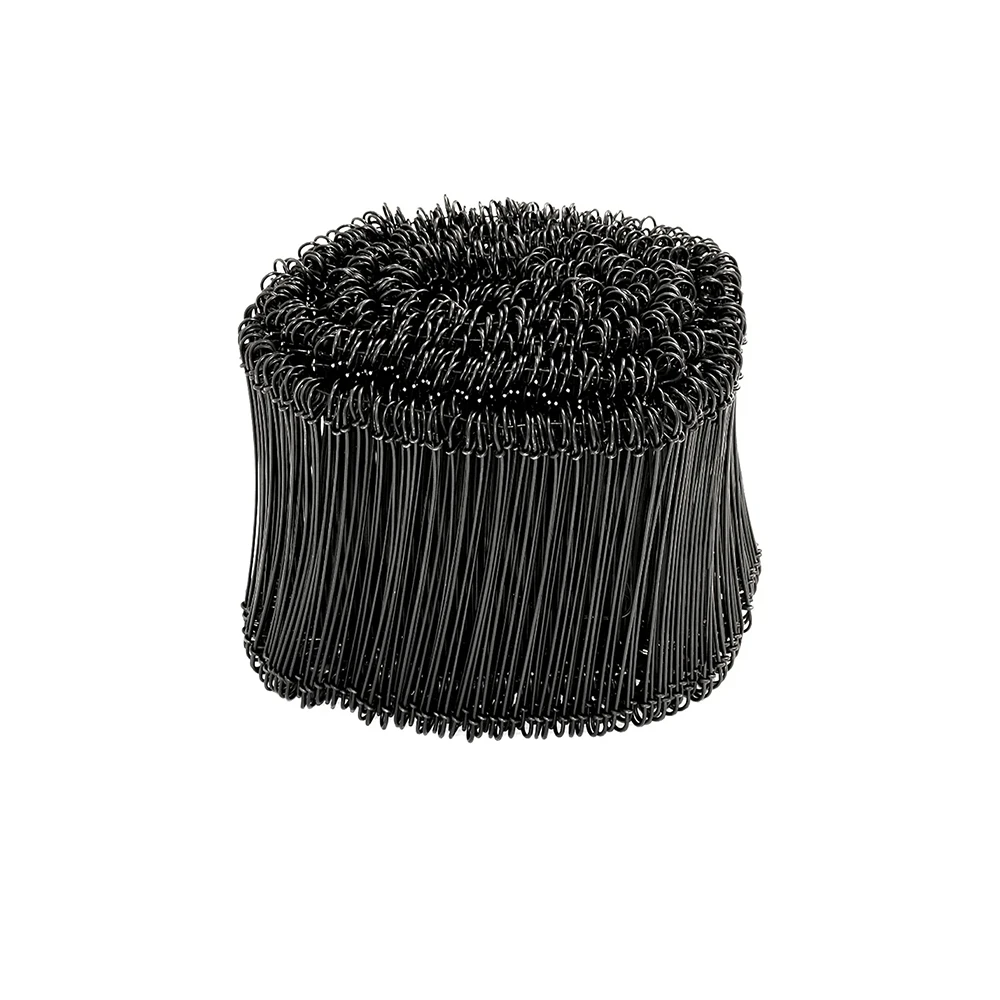
In the construction industry, سلك جي المجلفن is frequently used for binding steel reinforcement bars and securing construction materials. Builders value galvanized wire because it maintains strength even when exposed to moisture, cement, and outdoor conditions.
Agriculture is another major industry that relies heavily on galvanized wire products. Farmers commonly use 12 gauge iron wire for livestock fencing, vineyard support systems, and crop protection structures. The strength and weather resistance of thicker gauge wire make it ideal for agricultural environments where durability is essential.
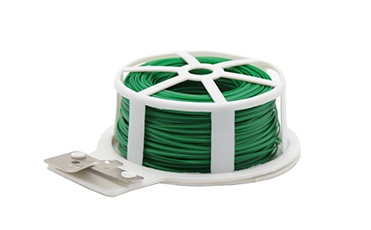
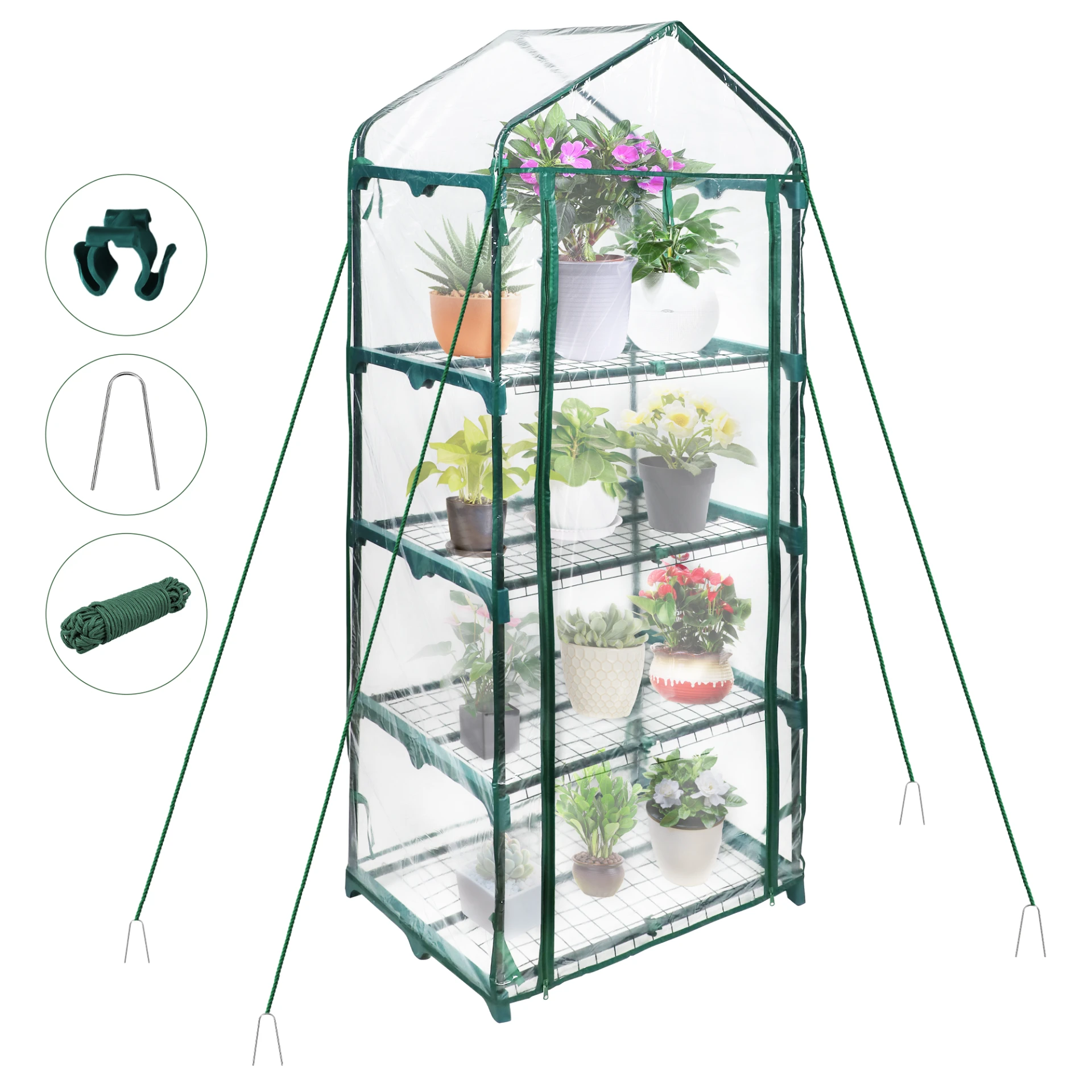
Meanwhile, 16 gauge iron wire is often used for lighter agricultural and domestic tasks such as tying plants, securing fencing, and creating temporary barriers. Its flexibility allows users to work efficiently without compromising reliability.
The electrical and manufacturing sectors also benefit from سلك غي الكهربائية products. Because electro-galvanized wire features a smooth surface and consistent coating, it performs well in precision manufacturing applications. It is often used in cable armoring, wire rope production, and various industrial assembly processes.
Another important advantage of galvanized wire products is cost-effectiveness. Compared with stainless steel wire, سلك حديد مجلفن provides excellent corrosion protection at a lower price. This makes it an economical solution for large-scale industrial and construction projects.
Corrosion resistance remains one of the biggest advantages of سلك حديد مجلفن كهربائيا و سلك جي المجلفن. The zinc coating acts as a protective barrier that prevents moisture and oxygen from reaching the steel surface. Even if the coating becomes scratched, zinc still provides sacrificial protection by corroding before the steel underneath.
Durability is equally important. Properly manufactured galvanized wire can last for many years with minimal maintenance, even in harsh weather conditions. This long lifespan reduces replacement frequency and lowers overall project costs.
Ease of handling is another reason why galvanized wire products remain highly popular. Whether using 12 gauge iron wire for structural support or 16 gauge iron wire for tying applications, workers can easily cut, bend, and install the material according to project requirements.
Environmental sustainability also contributes to the growing demand for galvanized wire. Steel and zinc are both recyclable materials, making galvanized wire products environmentally responsible choices for modern industries. Many manufacturers now use energy-efficient production methods and recycled materials to support sustainable manufacturing practices.
Selecting the proper galvanized wire depends on several important factors, including application type, environmental conditions, load requirements, and budget considerations.
The first factor to evaluate is wire gauge. For heavy-duty applications such as industrial fencing, reinforcement, and structural support, 12 gauge iron wire is often the preferred option because of its higher strength and durability. Thicker wire provides better load-bearing capacity and improved resistance to mechanical damage.
For lighter tasks such as packaging, binding, and decorative use, 16 gauge iron wire may be more suitable. Its thinner diameter allows for greater flexibility and easier handling while still providing sufficient strength for many common applications.
Environmental conditions should also influence wire selection. In highly humid or outdoor environments, buyers should prioritize high-quality سلك جي المجلفن with sufficient zinc coating thickness. Proper galvanization significantly improves corrosion resistance and extends product lifespan.
Surface finish is another important consideration. Electro galvanized iron wire provides a smoother and brighter appearance, making it suitable for applications where aesthetics and precision are important. However, hot-dip galvanized wire may offer thicker zinc coatings and greater corrosion resistance for extreme outdoor conditions.
Tensile strength is also critical, especially in construction and industrial projects. Buyers should ensure that the selected wire meets industry standards and can safely handle expected loads and stress levels.
Reliable suppliers play a major role in ensuring product quality. Reputable manufacturers conduct strict quality control processes to verify coating thickness, wire diameter consistency, and mechanical performance. Buyers should work with suppliers that provide technical specifications and international quality certifications.
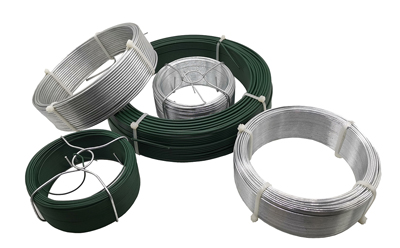
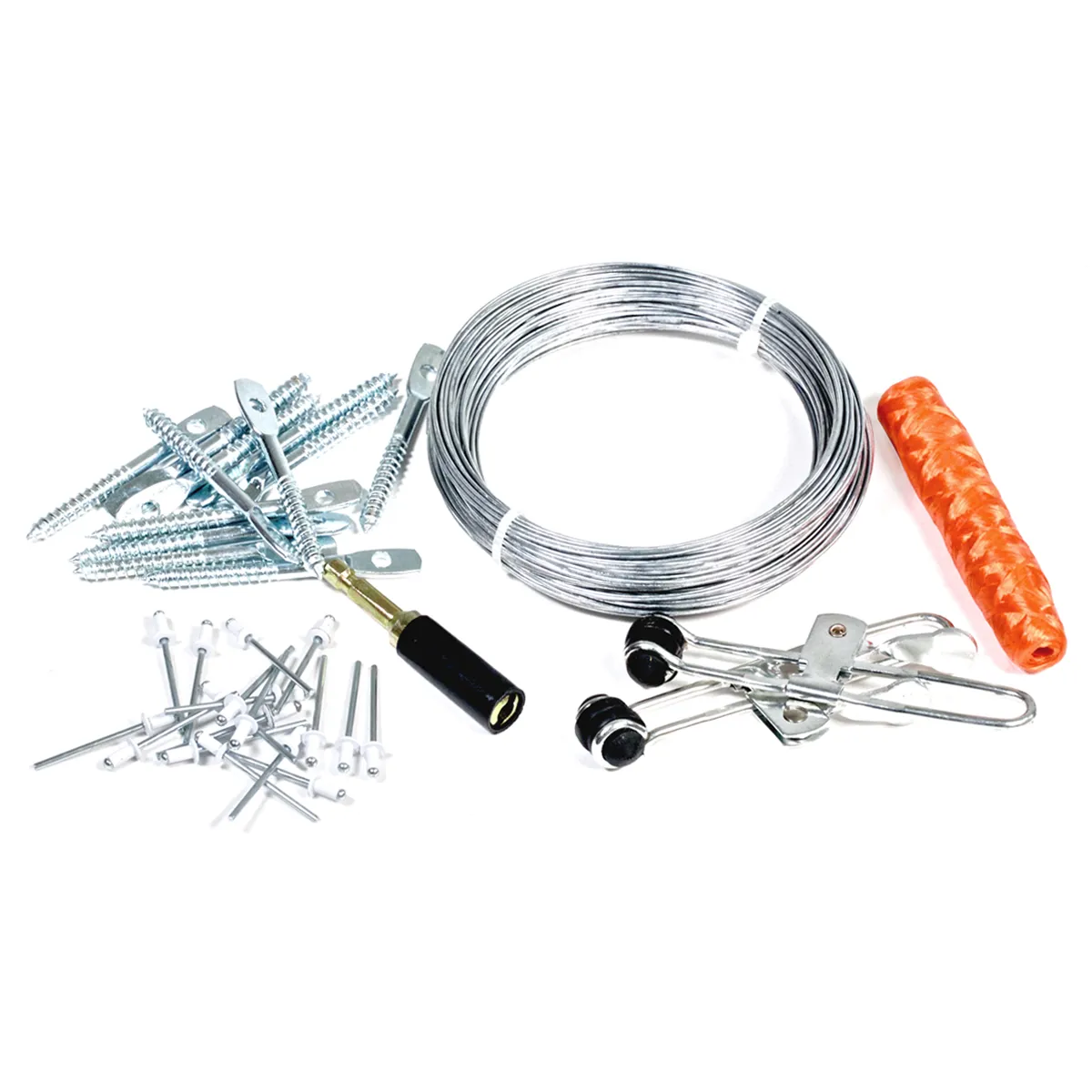
Packaging and transportation considerations are equally important for large-scale projects. Many manufacturers offer galvanized wire in coils, spools, or customized packaging formats to improve storage efficiency and simplify handling during transportation and installation.
As industries continue to modernize and infrastructure development expands worldwide, the demand for durable wire materials will continue to grow. Products such as سلك غي الكهربائية, سلك حديد مجلفن كهربائيا, 12 gauge iron wire، و سلك جي المجلفن will remain essential components in construction, agriculture, manufacturing, and infrastructure projects.
With their excellent corrosion resistance, durability, flexibility, and affordability, galvanized wire products provide reliable solutions for countless industrial applications. By selecting the right wire specifications and working with trusted suppliers, businesses can improve operational efficiency, reduce maintenance costs, and ensure long-term project success.



Copyright © 2026 شركة خبي مينميتالز المحدودة All Rights Reserved. Sitemap | سياسة الخصوصية | Menu