


















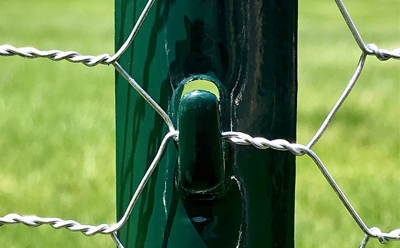
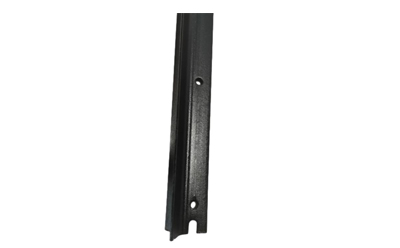
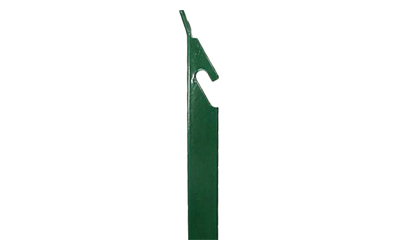
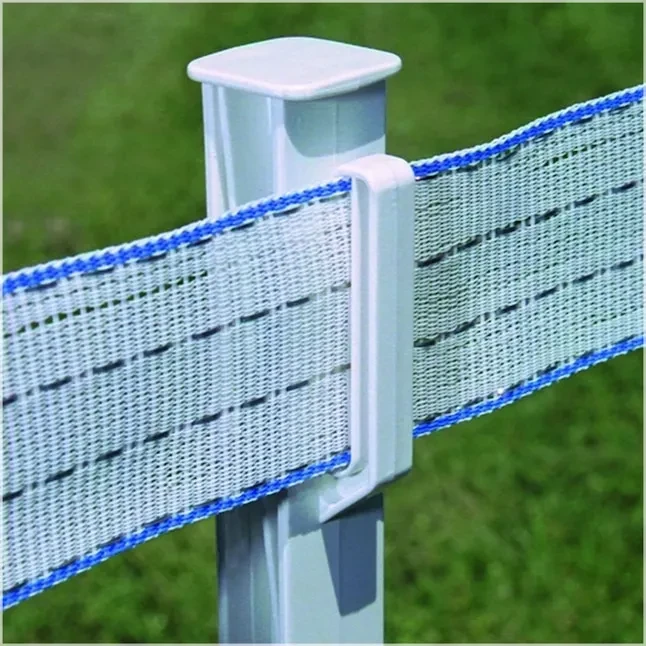

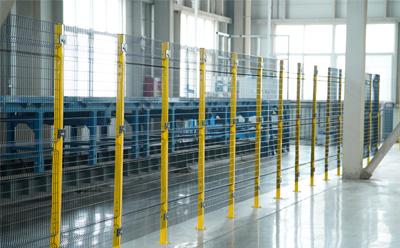
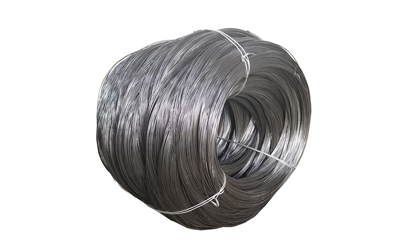
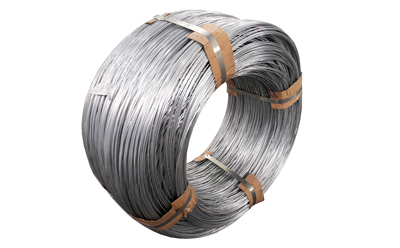

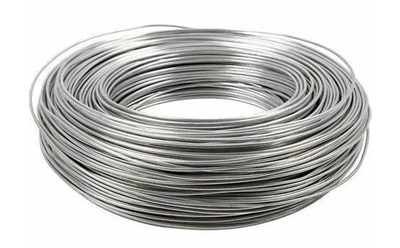









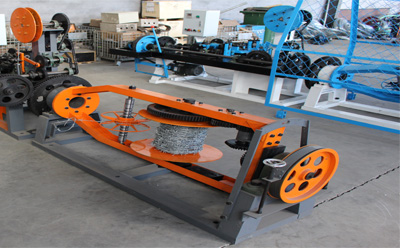
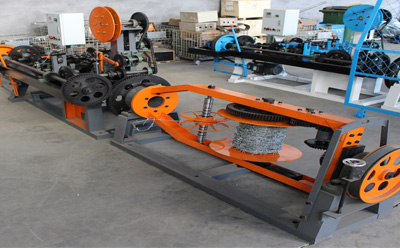
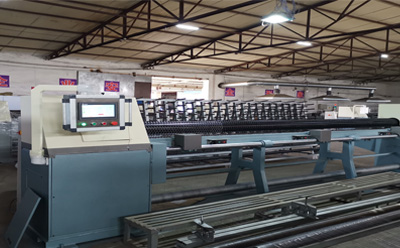

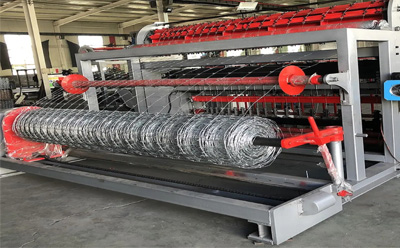


























 . Its sharp barbs and interwoven strands create a formidable barrier, making it an ideal choice for protecting a wide range of assets, from residential homes to industrial facilities and high-security zones. Understanding the different types of barbed wire available, their applications, and proper installation techniques is essential for effective perimeter protection.
**Types of Barbed Wire**
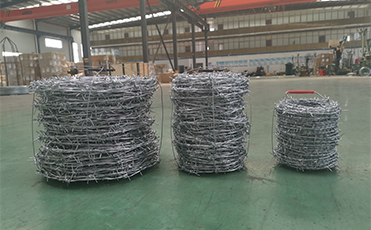
1. **Single-Strand Barbed Wire:** The most basic type of barbed wire, consisting of a single galvanized steel strand with evenly spaced barbs. It is relatively inexpensive and easy to install, making it suitable for temporary or low-security applications.
2. **Double-Strand Barbed Wire:** A stronger and more durable option, featuring two galvanized steel strands twisted together and studded with barbs. It is more difficult to cut and provides increased protection against tampering.
3. **Twisted Barbed Wire:** A variation of double-strand barbed wire, where the two strands are twisted together to create a more rigid and robust barrier.
 .
4. **Concertina Wire:** A type of barbed wire with a distinctive zigzag shape. It is highly flexible and can be deployed quickly, making it suitable for temporary or mobile perimeter security.
5. **Razor Wire:** A specialized type of barbed wire with extremely sharp, razor-like barbs. It is highly effective in deterring intruders but requires professional installation and handling due to its potential for serious injury.
**Applications of Barbed Wire**
Barbed wire is widely used in a variety of applications, including:
1. **Perimeter Fencing:** Establishing a physical barrier around residential properties, commercial buildings, and industrial facilities to prevent unauthorized access and deter trespassers.
2. **Prison and Correctional Facilities:** Securing the perimeters of prisons and detention centers to prevent escapes and maintain order.
 . **Tightness Inspection:** Ensure that wires are still taut and securely fastened to the fence posts. Loose wire can compromise security and allow intruders to penetrate the fence.
3. **Barb Inspection:** Check for any damaged or missing barbs. Replace or repair damaged sections to maintain the deterrent effect of the fence.
4. **Post Integrity Inspection:** Examine fence posts for any signs of damage, rot, or leaning. Replace or repair damaged posts promptly to ensure the stability of the fence.
**Conclusion**
Barbed wire remains an effective and versatile material for perimeter security. By understanding the different types, applications, and installation techniques, security professionals can design and implement barbed wire barriers that meet their specific security needs. Regular maintenance and inspection are crucial for ensuring the ongoing effectiveness of barbed wire fences, providing reliable protection and deterring unauthorized entry.



Copyright © 2026 Hebei Minmetals Co., Ltd. All Rights Reserved. Sitemap | Privacy Policy | Top Blog | Top Topic丨Menu