


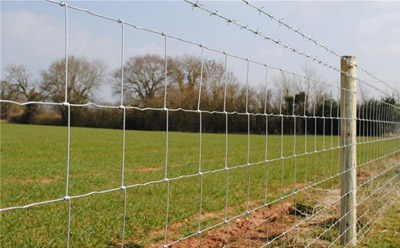

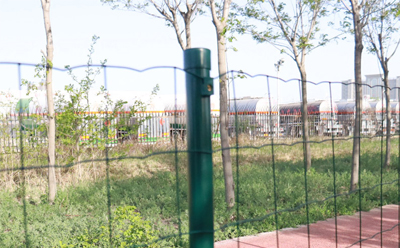
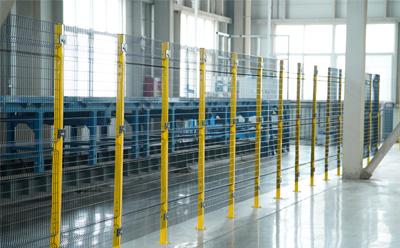













Securing a perimeter requires more than just wire; it demands a foundation that can withstand environmental stress and physical pressure. A high-quality metal barbed wire fence post is the backbone of any effective security fence, ensuring that the barbed wire remains taut and the entire structure stays upright over time. Whether you are managing a vast ranch, securing an industrial site, or protecting agricultural land, the choice of posting material directly impacts the longevity and reliability of your barrier. In this guide, we will explore the technical specifications, material comparisons, and installation best practices to help you make an informed investment.

Not all metals are created equal when it comes to boundary security. The most common materials for a metal barbed wire fence post include galvanized steel, powder-coated steel, and aluminum. Galvanized steel is the industry standard due to its zinc coating, which prevents rust and corrosion in harsh outdoor climates. For environments with extreme chemical exposure or high salinity, powder-coated options provide an additional layer of aesthetic and protective shielding. Understanding these material properties allows project managers to balance budget constraints with the required lifespan of the installation.
Pro Tip: Always check the micron thickness of the galvanization. A thicker zinc layer significantly increases the post's resistance to oxidation, especially in humid or coastal regions.
When selecting a metal barbed wire fence post, it is crucial to compare the performance of different materials against the specific needs of the site. While wood is a traditional choice, it is prone to rot and insect infestation. Metal posts, conversely, offer superior structural integrity and a much longer service life. The table below highlights the critical differences in durability, maintenance, and cost effectiveness between the most popular metal and non-metal options.
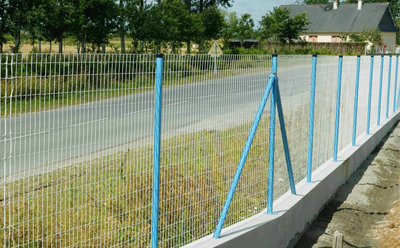
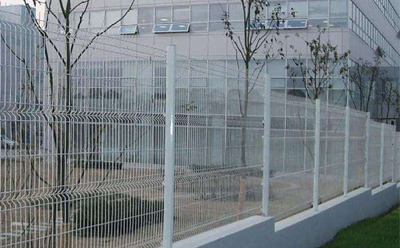
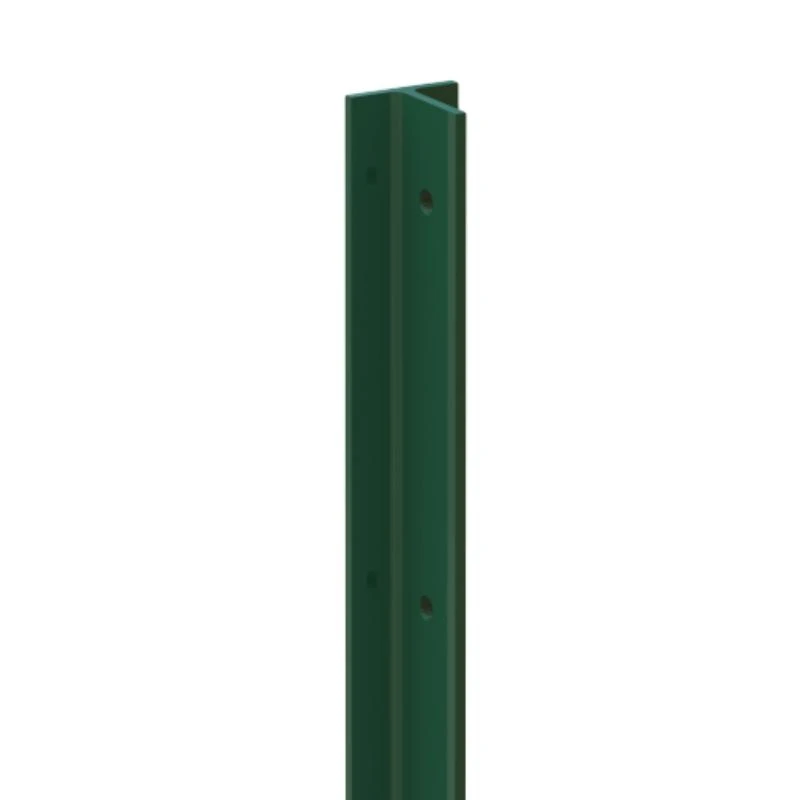
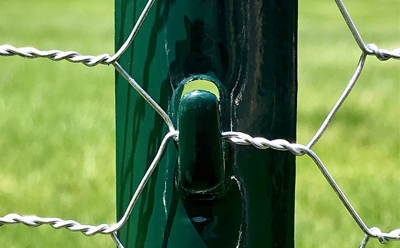
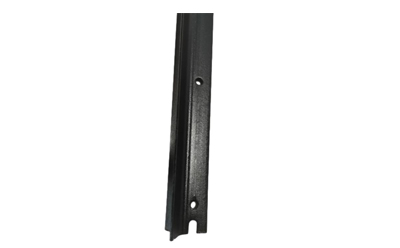
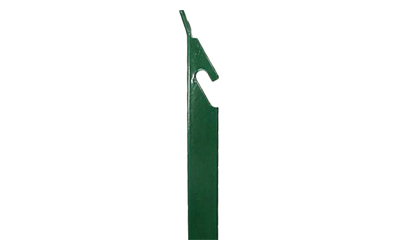
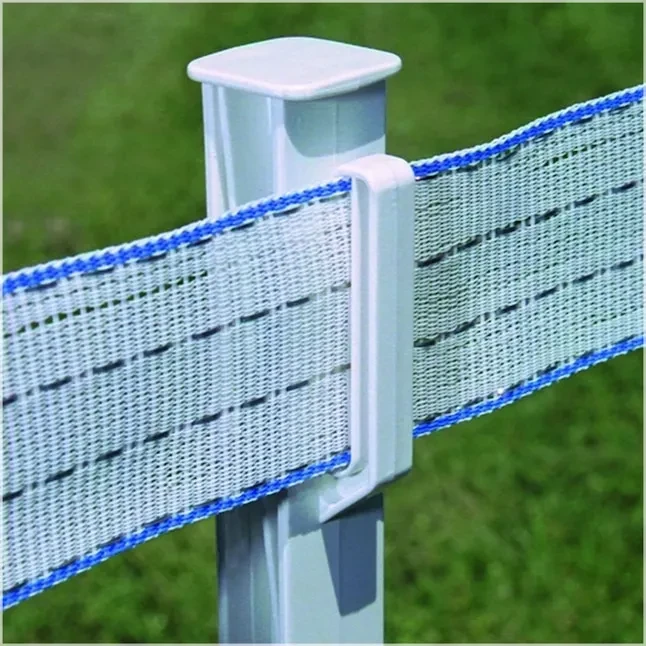
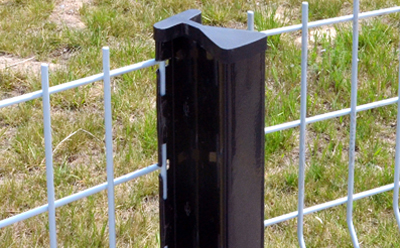
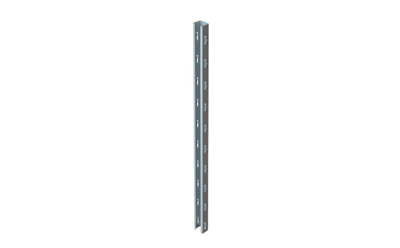
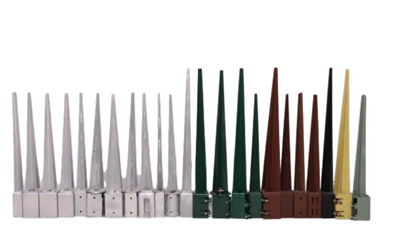
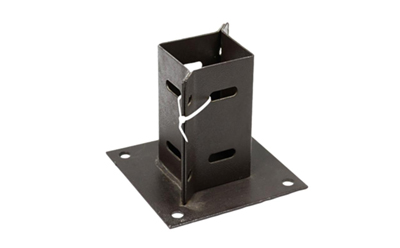
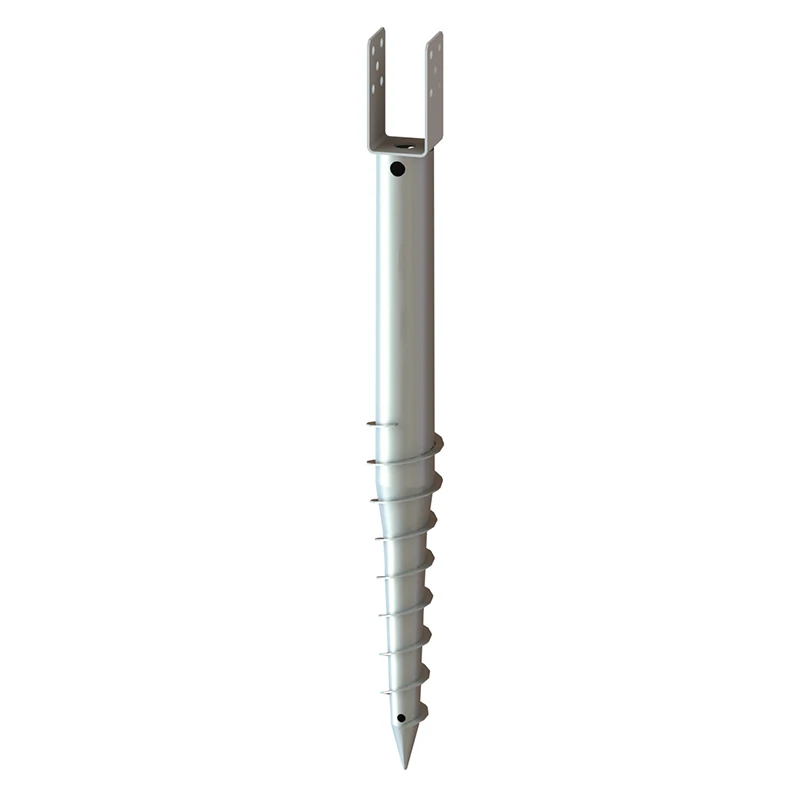
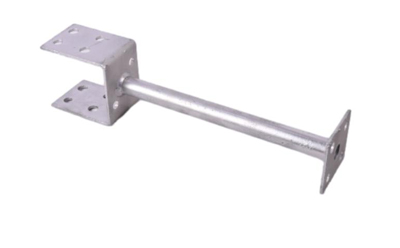
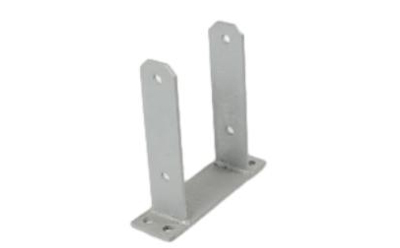
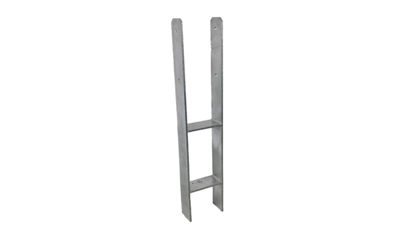
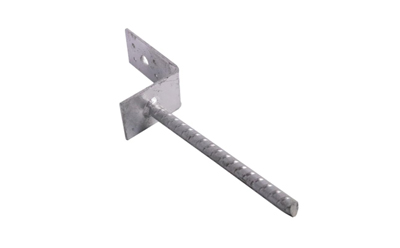
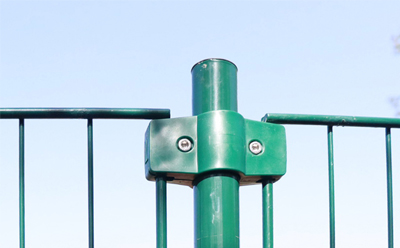
To ensure a metal barbed wire fence post performs as expected, specific design elements must be considered. These include the post diameter, wall thickness, and the type of anchoring system used. T-posts are ideal for rapid installation in agricultural settings, while U-channel posts provide a more rigid structure for industrial boundaries. The inclusion of pre-drilled holes or clips ensures that the barbed wire can be fastened securely without compromising the metal's integrity. Proper spacing between posts is also critical; too wide, and the wire will sag; too narrow, and the project costs inflate unnecessarily.

Even the highest quality metal barbed wire fence post can fail if installed incorrectly. The first step is ensuring correct depth; generally, one-third of the post length should be embedded in the ground. For corner posts and end posts, which bear the brunt of the wire tension, using concrete footings is highly recommended to prevent leaning. We also suggest using a fence stretcher to ensure the wire is tight before final fastening. Regular inspections for loose clips or ground erosion can prevent total fence failure, ensuring your security perimeter remains uncompromised for decades.
For engineers and procurement officers, precise data is essential. A standard industrial-grade metal barbed wire fence post typically adheres to strict weight and strength tolerances to ensure safety and performance. Below is a detailed specification table for our most commonly deployed post types, helping you choose the exact model for your load-bearing requirements.
Selecting a professional-grade metal barbed wire fence post is the most critical decision in building a lasting security barrier. By prioritizing galvanized materials, adhering to technical specifications, and following precise installation methods, you can ensure that your perimeter remains secure against intrusions and environmental decay. Investing in quality today eliminates the costly cycle of frequent repairs and replacements tomorrow. For the best in boundary security solutions, trust in durable, industry-certified metal posting systems.
It is recommended to perform a comprehensive inspection at least twice a year—typically in the spring and autumn. During these checks, look for signs of oxidation or rust, especially near the ground line. Check the tension of the barbed wire and ensure that the posts haven't shifted due to soil erosion or heavy weather. Early detection of rust can be managed with cold-galvanizing sprays, extending the life of your metal barbed wire fence post by several years.
Aluminum is an excellent choice for corrosion resistance, but it lacks the tensile strength of galvanized steel. For light-duty boundaries or highly saline environments where rust is the primary concern, aluminum is great. However, for "heavy-duty" security where the fence must withstand significant physical pressure or high wire tension, galvanized steel is superior. Steel posts offer the rigidity necessary to prevent the fence from bowing under pressure.
The most vulnerable part of any metal barbed wire fence post is the area where it meets the soil and air. To prevent rust, we recommend using concrete footings, which shield the metal from direct moisture contact. Additionally, applying a bituminous coating to the portion of the post that will be buried can create an impermeable barrier against soil acidity and moisture, significantly prolonging the structure's life.
Spacing typically depends on the terrain and the type of wire used. For standard agricultural fences, posts are usually spaced 8 to 12 feet apart. For high-security industrial fences, spacing is often reduced to 6 to 10 feet to ensure maximum rigidity. If your terrain is uneven or hilly, you should place posts more frequently to maintain a consistent height and tension. Always consult the technical guide provided by your supplier to ensure optimal performance.



Copyright © 2026 Hebei Minmetals Co., Ltd. All Rights Reserved. Sitemap | Privacy Policy | Top Blog | Top Topic丨Menu