




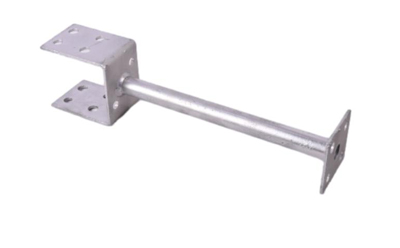
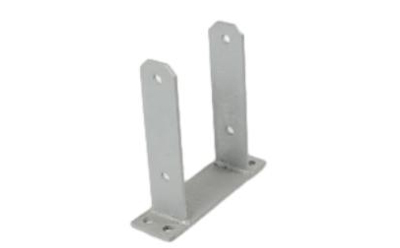
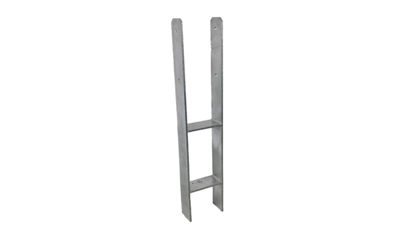
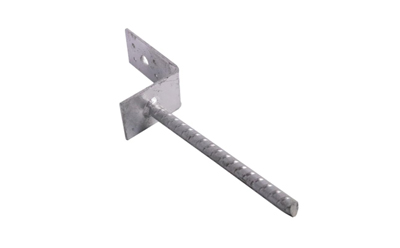
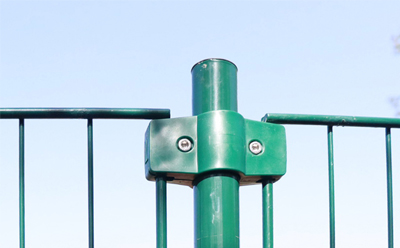
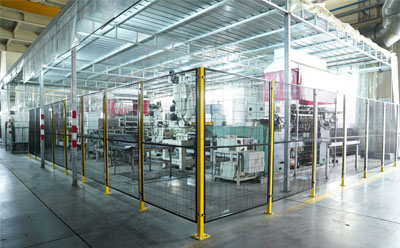
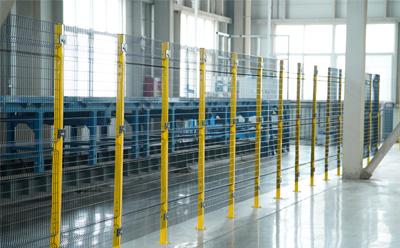














Selecting the appropriate metal fence posts is crucial for the longevity, security, and aesthetic appeal of any fencing project. From rural properties to industrial boundaries, the right posts provide the foundation for a robust and reliable fence. This article will explore the various types of metal fence posts, their applications, installation considerations, and the benefits of choosing a reputable supplier like Minmetals Global. We'll delve into the factors that contribute to post durability and how to ensure your fence stands the test of time.

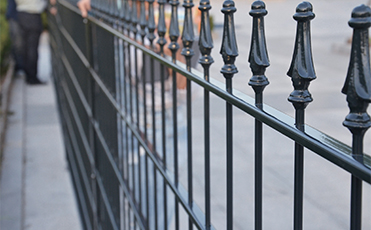
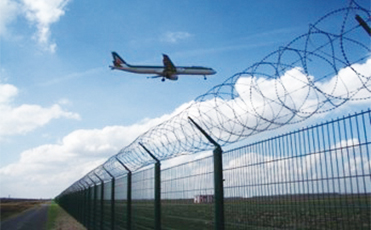
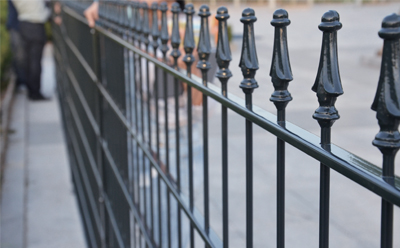
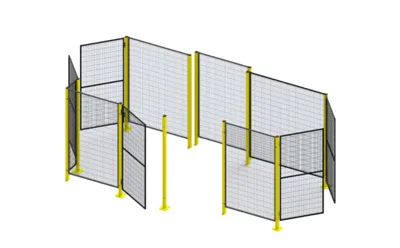
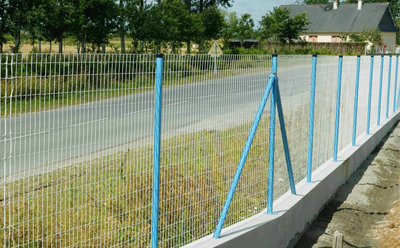
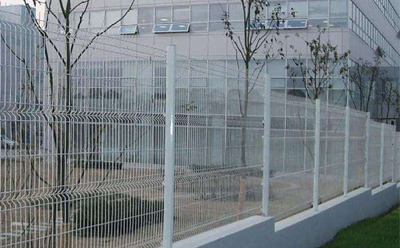
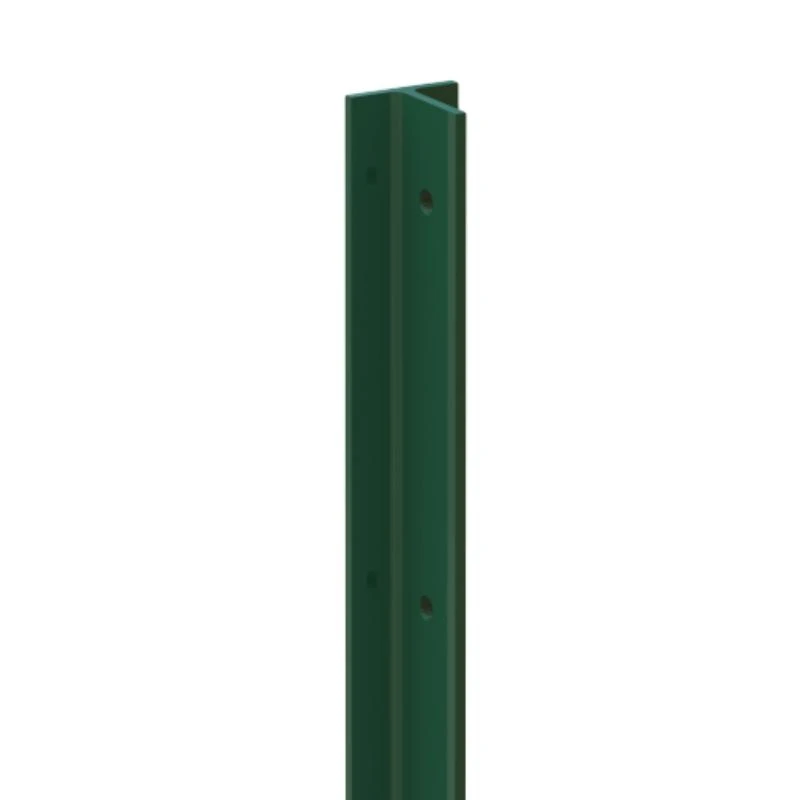
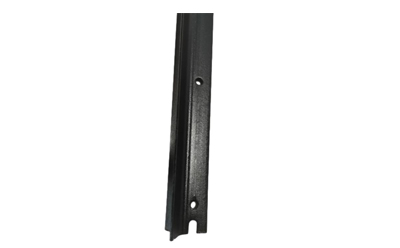
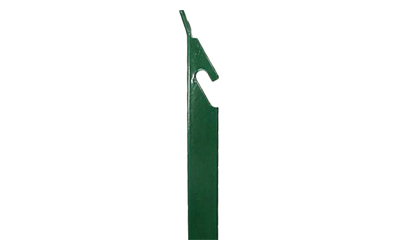
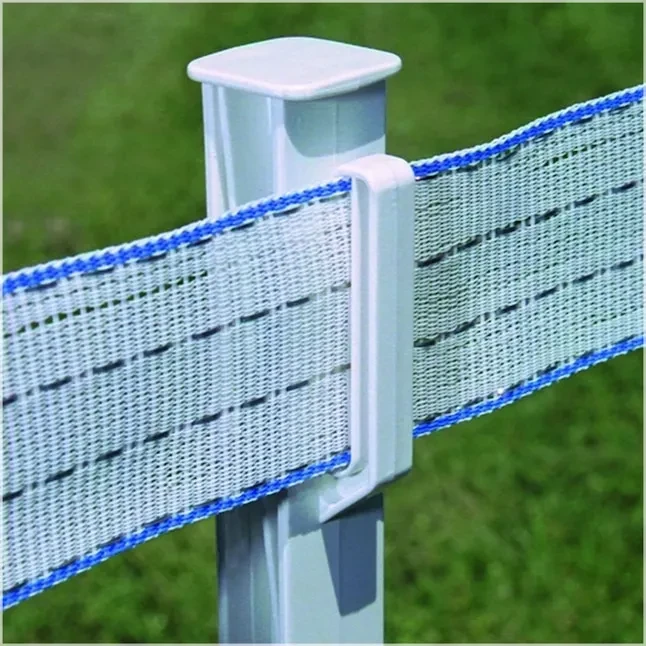
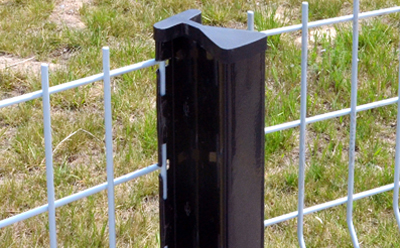
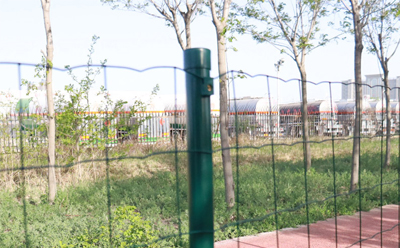
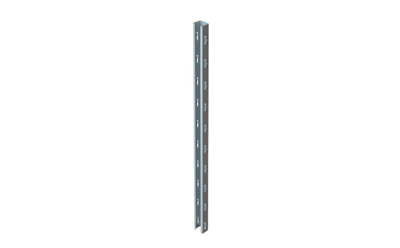
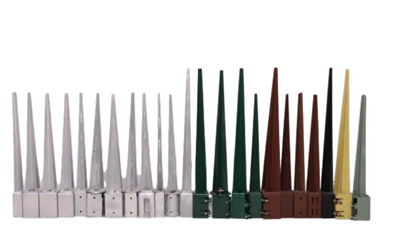
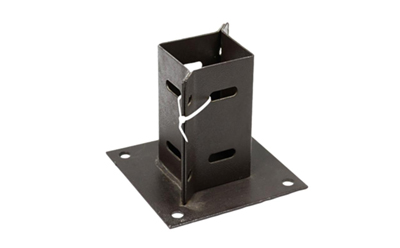
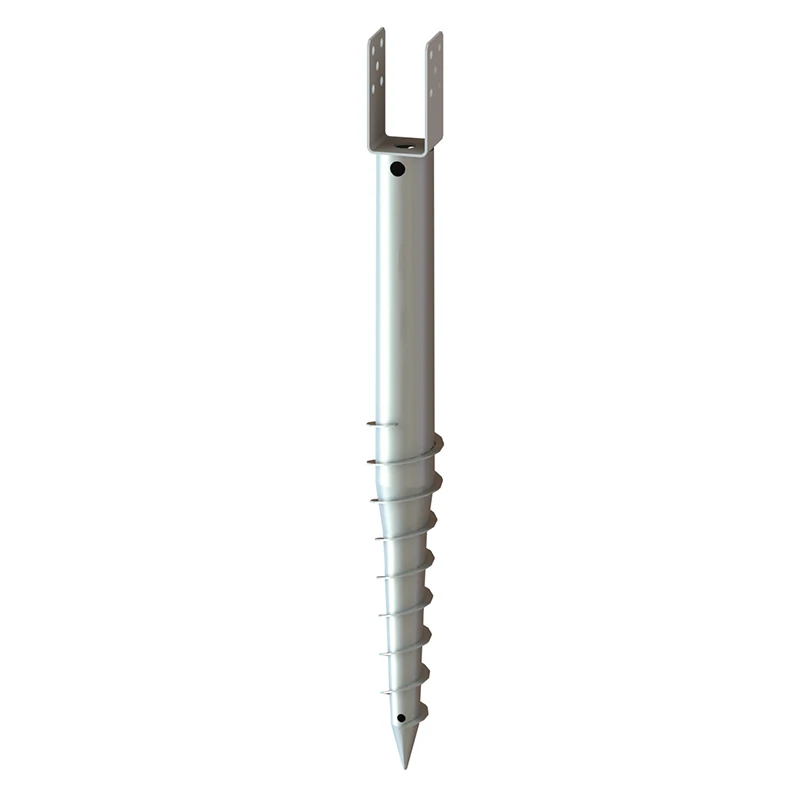
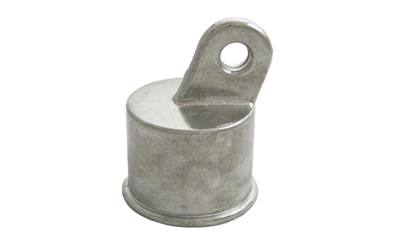
There are several types of metal fence posts available, each with its own strengths and weaknesses. The most common include steel posts (round or square), tubular posts, and specialized posts designed for specific fencing materials like chain-link or barbed wire. Steel posts are known for their strength and durability, making them suitable for high-security applications. Tubular posts, often made from galvanized steel, offer a good balance of strength and cost-effectiveness. Choosing the right type depends on the fence's intended use, the terrain, and your budget. Consider the gauge (thickness) of the steel – heavier gauge posts offer greater resistance to bending and breaking.
Key Considerations: Choosing the right type of metal fence post depends on the application, the fence material, and the level of security required.
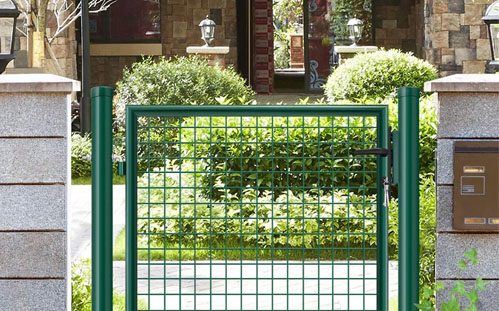
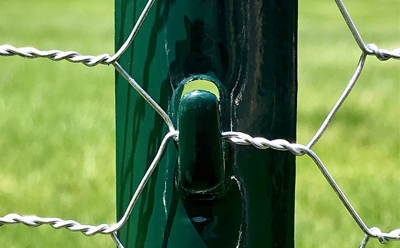
Metal, particularly steel, is susceptible to corrosion. This is why galvanization is a critical process in manufacturing metal fence posts. Galvanization involves coating the steel with a layer of zinc, which acts as a barrier against rust and corrosion. Posts can also be powder-coated for additional protection and aesthetic appeal. Powder coating provides a durable, weather-resistant finish in a variety of colors. The thickness of the galvanization is measured in zinc coating weight (e.g., G60, G90) – higher numbers indicate a thicker coating and better corrosion resistance.
Galvanization & Coating Benefits:
• Prevents rust and corrosion
• Extends the lifespan of the posts
• Reduces maintenance costs
• Enhances aesthetic appeal (powder coating)
Choosing between different types of metal fence posts can be challenging. Here's a comparative analysis to help you make an informed decision:
Proper installation is paramount for fence stability. Key considerations include post depth, concrete footing size, and spacing between posts. Post depth should be determined by the fence height and soil conditions – generally, at least 1/3 of the post length should be buried. Concrete footings provide a secure base and prevent posts from shifting. Ensure posts are plumb (perfectly vertical) during installation, and allow the concrete to cure completely before attaching fencing materials. For larger projects, professional installation is often recommended. Minmetals Global can provide guidance on appropriate post spacing and installation techniques.

At Minmetals Global, we are committed to providing high-quality metal fence posts at competitive prices. We offer a wide selection of post types, sizes, and coatings to meet your specific requirements. Our products are manufactured to the highest standards, ensuring durability and longevity. We also provide expert advice and support to help you choose the right posts for your project. We prioritize customer satisfaction and strive to deliver exceptional service every time.
Investing in high-quality metal fence posts is a smart investment in the long-term security and value of your property. By choosing the right type of post, ensuring proper galvanization and installation, and partnering with a reputable supplier like Minmetals Global, you can build a fence that will withstand the elements and provide years of reliable service.
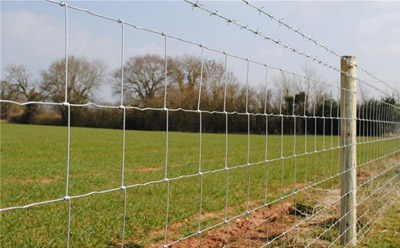
The recommended post spacing typically ranges from 8 to 10 feet, but can vary depending on the fence height, the gauge of the wire (for woven wire fences), and wind conditions. For taller fences or areas with high winds, closer spacing (8 feet) is generally recommended. For shorter fences in sheltered locations, you may be able to space posts further apart (10 feet). It’s important to consult with a fencing professional or refer to the manufacturer’s guidelines for specific recommendations based on your project. Proper post spacing ensures the fence remains stable and secure.
A general rule of thumb is to bury at least 1/3 of the post length below ground. For example, a 6-foot post should be buried at least 2 feet deep. However, this can vary depending on soil type and frost line. In areas with deep frost lines, you’ll need to bury the posts below the frost line to prevent heaving. Loose or sandy soils may require deeper burial or wider concrete footings for added stability. Consult local building codes and a fencing professional for specific requirements in your area.
A standard concrete mix with a compressive strength of at least 3000 psi is generally recommended for setting fence posts. You can use a pre-mixed concrete mix or mix your own using Portland cement, sand, and gravel. It's crucial to ensure the concrete is thoroughly mixed and properly consolidated around the posts to eliminate air pockets. Adding a small amount of concrete reinforcing fiber can also improve the strength and durability of the concrete footing. Avoid using quick-setting concrete, as it doesn’t allow sufficient time for proper post alignment and concrete consolidation.
Yes, but it's essential to choose posts specifically designed for saltwater environments. Standard galvanized steel may corrode more quickly in saltwater. Look for posts with a thicker galvanization coating (e.g., G90 or higher) or posts made from marine-grade aluminum. Additionally, using sacrificial anodes can help protect the posts from corrosion. Regular inspection and maintenance are also crucial in saltwater environments to ensure the longevity of the fence.



Copyright © 2026 Hebei Minmetals Co., Ltd. All Rights Reserved. Sitemap | Privacy Policy | Top Blog | Top Topic丨Menu