



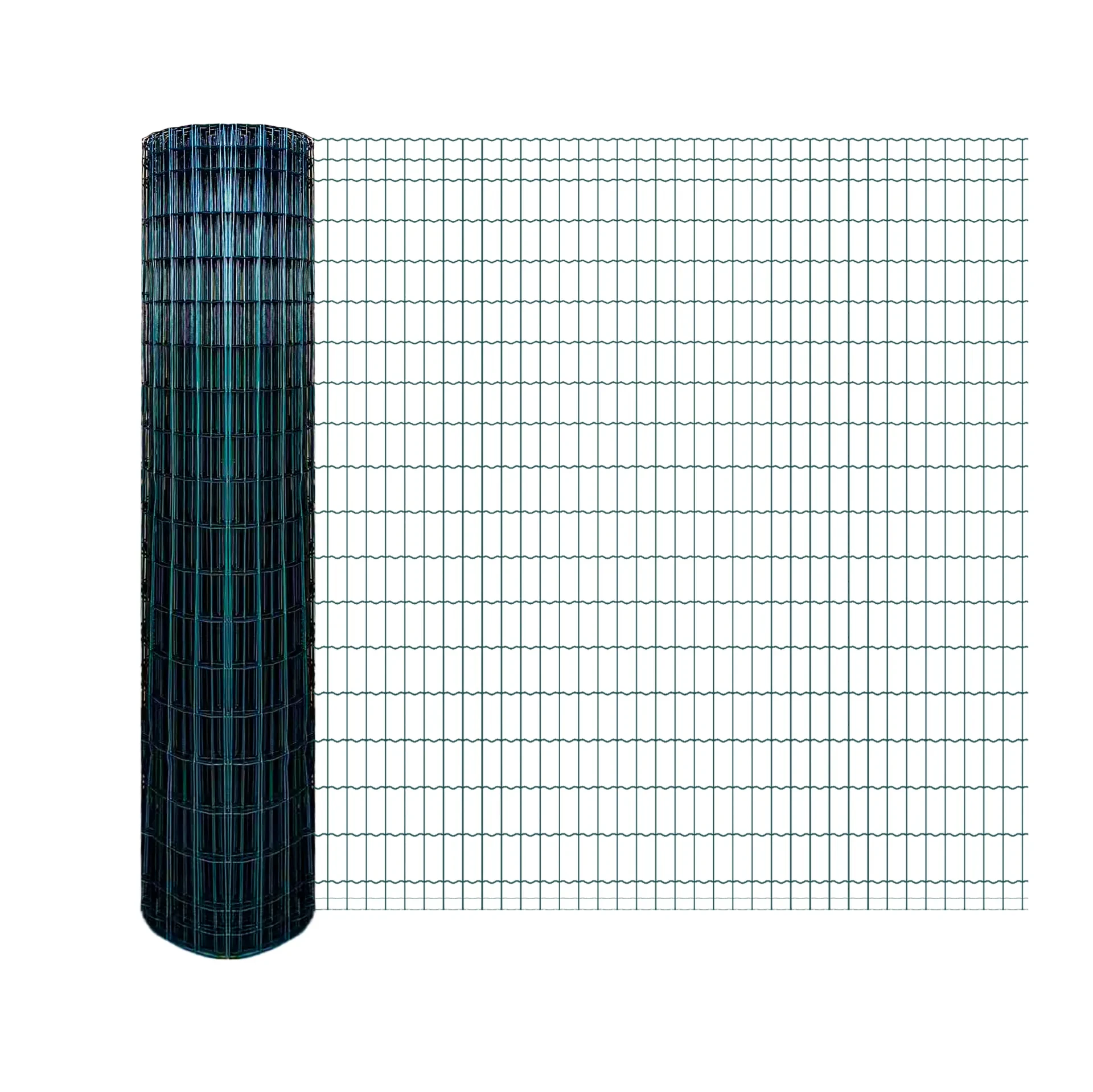
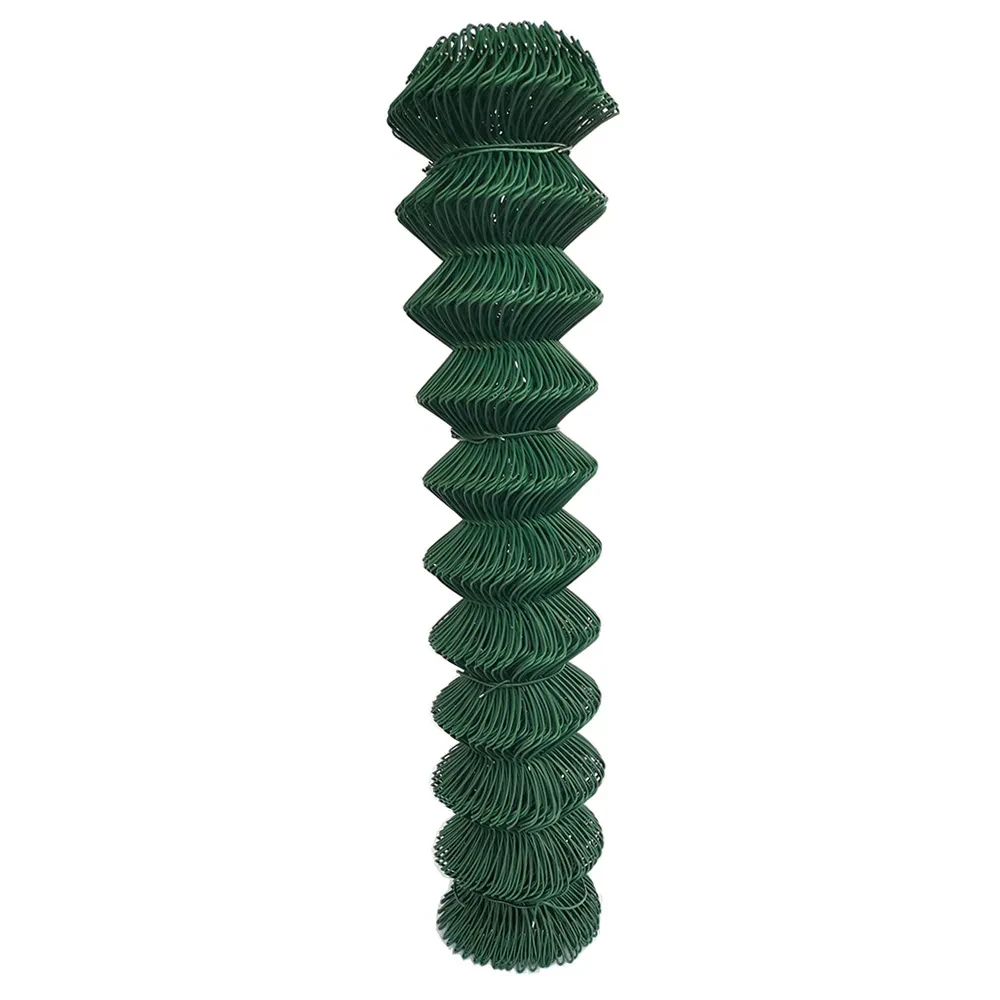
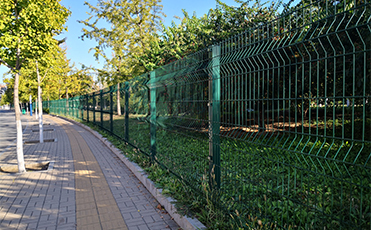
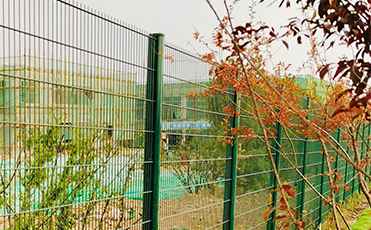
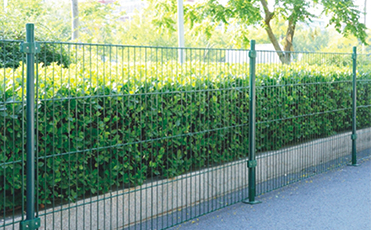
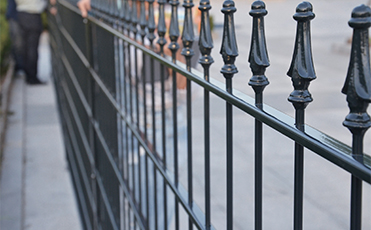
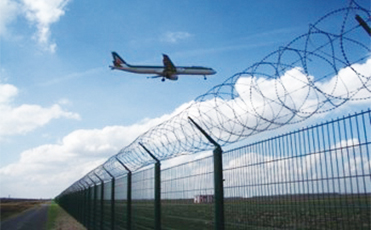
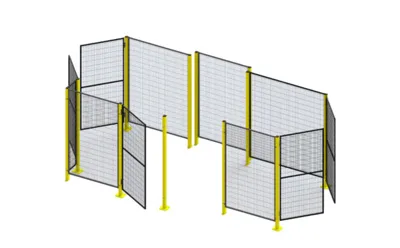
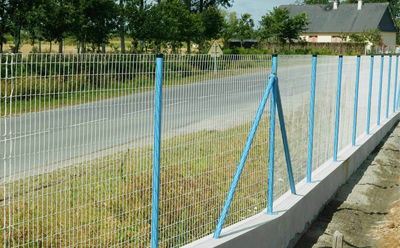
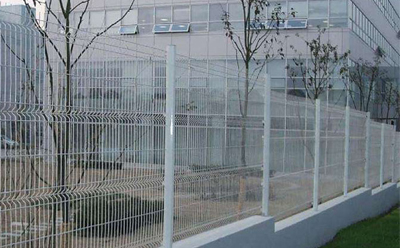
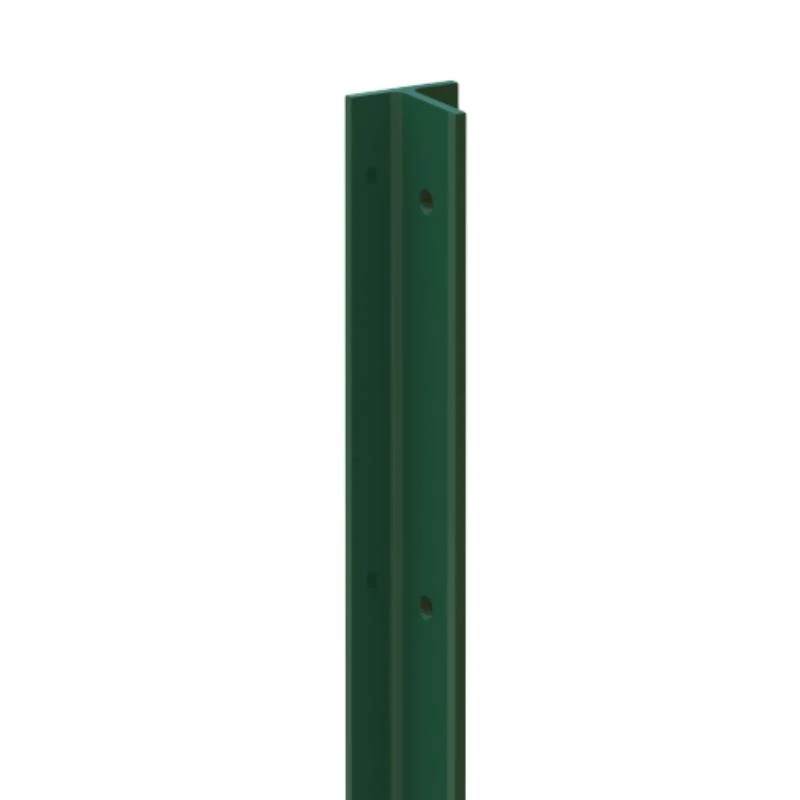
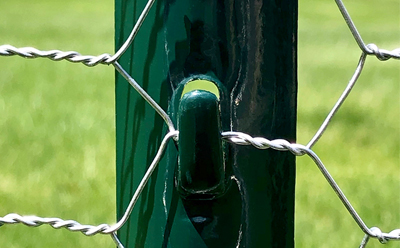
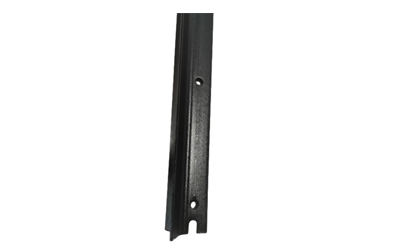
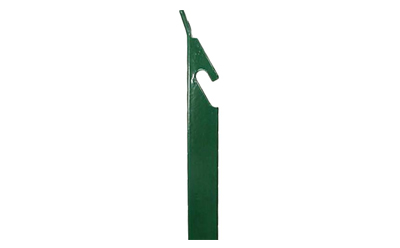
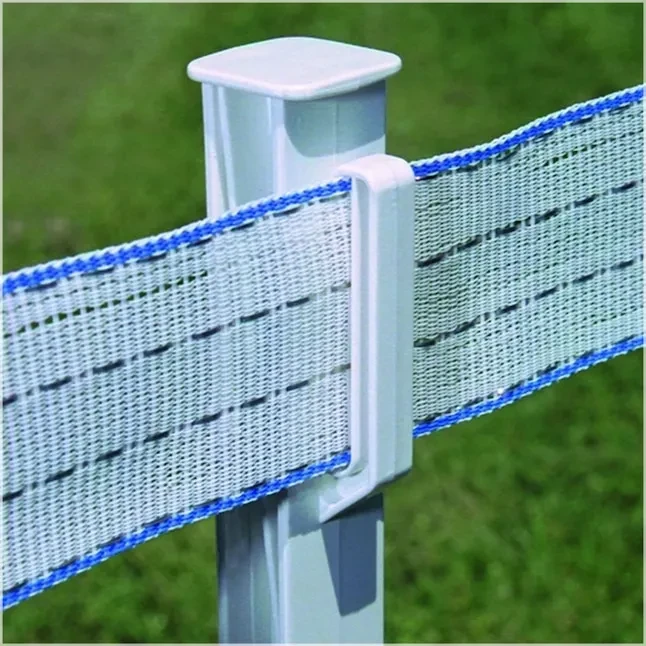
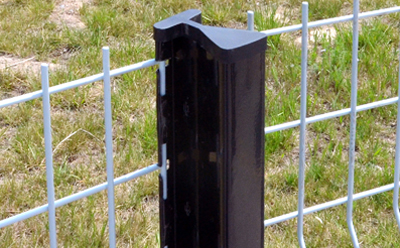
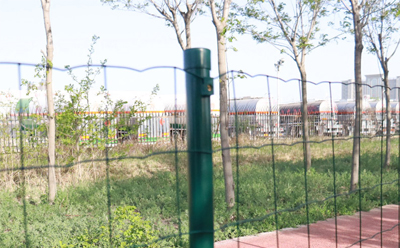
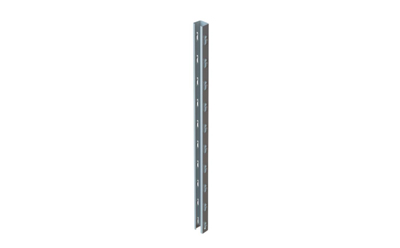
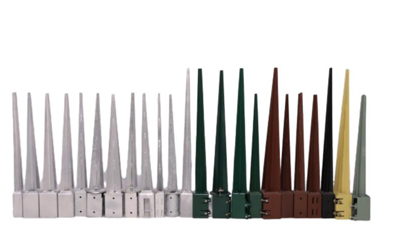
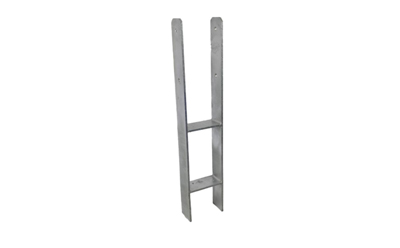
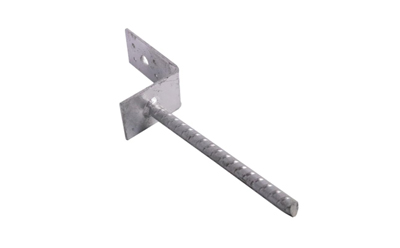
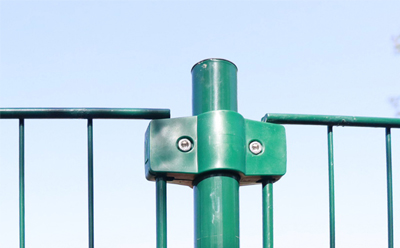
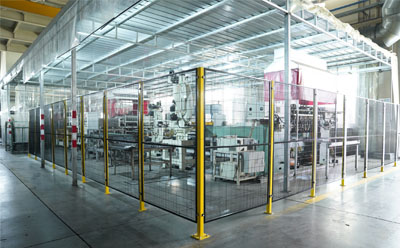
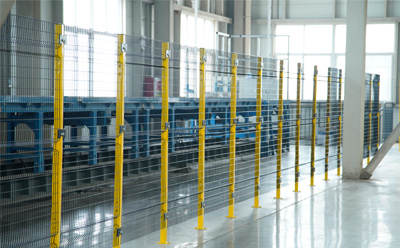












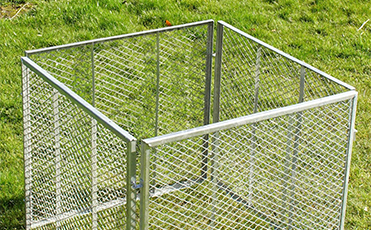
When securing your property or livestock, choosing the right fence posts is critical. Metal fence posts for wire fencing offer a robust and long-lasting solution compared to traditional wood or plastic alternatives. This article delves into the benefits, types, installation, and factors to consider when selecting metal posts, providing you with the information needed to make the best choice for your fencing project. Investing in quality metal posts ensures a secure and reliable fence for years to come.
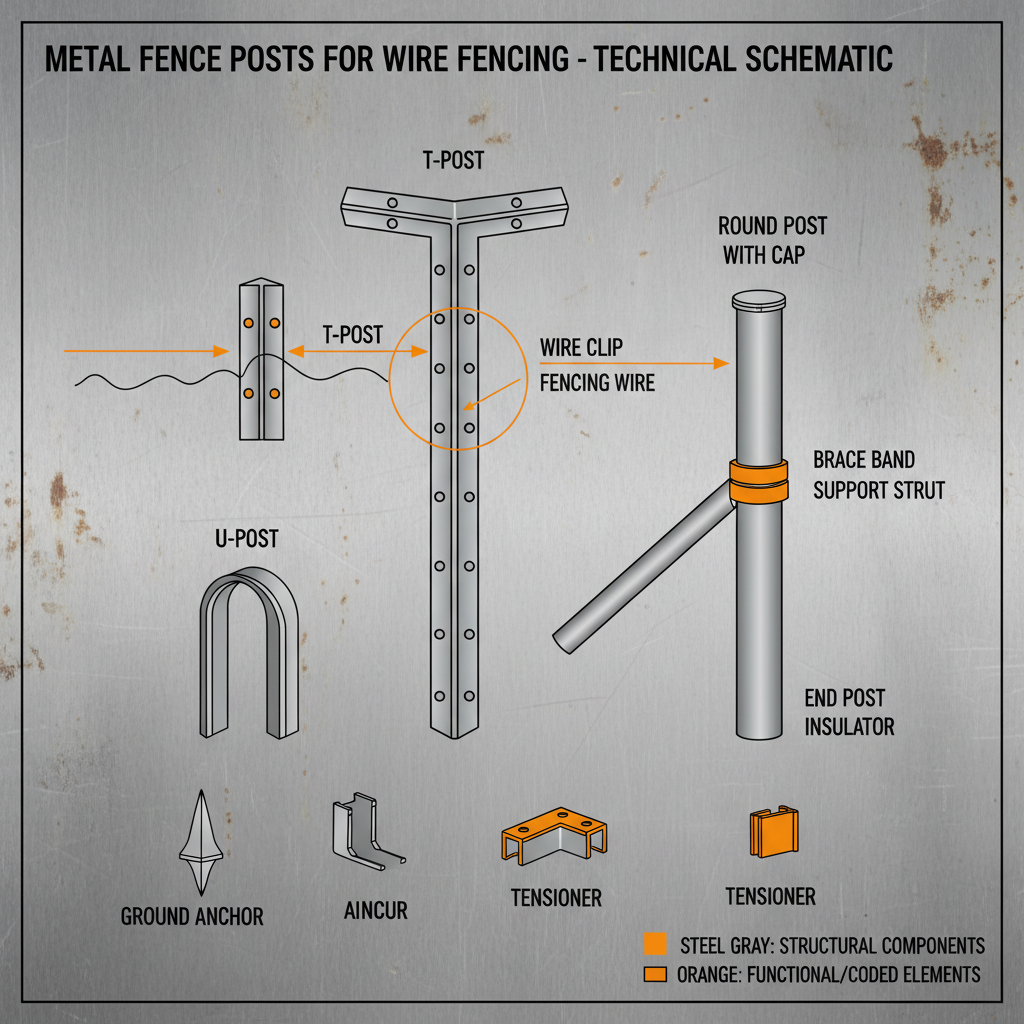
Metal fence posts offer several significant advantages over other materials. They are incredibly durable, resisting rot, decay, and insect damage which plague wooden posts. This longevity translates to lower long-term costs, as you won’t need to replace posts as frequently. Metal posts are also stronger, capable of withstanding greater tension from wire fencing, especially in areas prone to high winds or livestock pressure. Furthermore, they require minimal maintenance, saving you time and effort. Choosing metal posts represents a smart investment in the security and longevity of your fencing project.
Key Benefits: Durability, strength, low maintenance, longevity, and resistance to environmental factors.
Several types of metal are used in fence post construction, each with its own benefits. Steel posts, including galvanized steel and powder-coated steel, are a popular choice due to their strength and affordability. Galvanizing provides a zinc coating to resist rust, while powder coating offers enhanced protection and a range of color options. Aluminum posts are lightweight and corrosion-resistant, making them ideal for coastal areas or applications where ease of handling is important. However, they generally have a lower tensile strength than steel. Ultimately, the best type of metal post depends on your specific needs and budget.
Metal Post Comparison:
• Steel (Galvanized/Powder Coated): High strength, durable, affordable.
• Aluminum: Lightweight, corrosion-resistant, lower strength.
• Stainless Steel: Exceptional corrosion resistance, high cost, very durable.
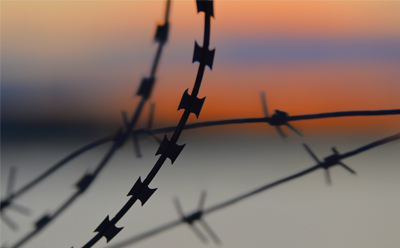
Selecting the right metal fence posts involves considering several factors. Post diameter and wall thickness directly impact strength and stability. Heavier gauge posts are better suited for high-tension fences or challenging terrain. Post length should be determined by the fence height and the depth to which they will be driven into the ground – generally, a minimum of 1/3 of the post length should be buried. The type of wire fencing you’re using will also influence your choice. Barbed wire requires stronger posts than lighter-gauge wire mesh. Explore options available from MinmetalsGlobal to find a post that meets your specific requirements.
Proper installation is crucial for maximizing the lifespan and effectiveness of your metal fence posts. Using a post driver is the most efficient method, ensuring posts are driven straight and to the correct depth. Ensure the ground is not excessively rocky or frozen, as this can damage the posts or the driver. Spacing between posts should be appropriate for the type of wire fencing you’re using and the terrain. After installation, ensure all posts are plumb and secure.
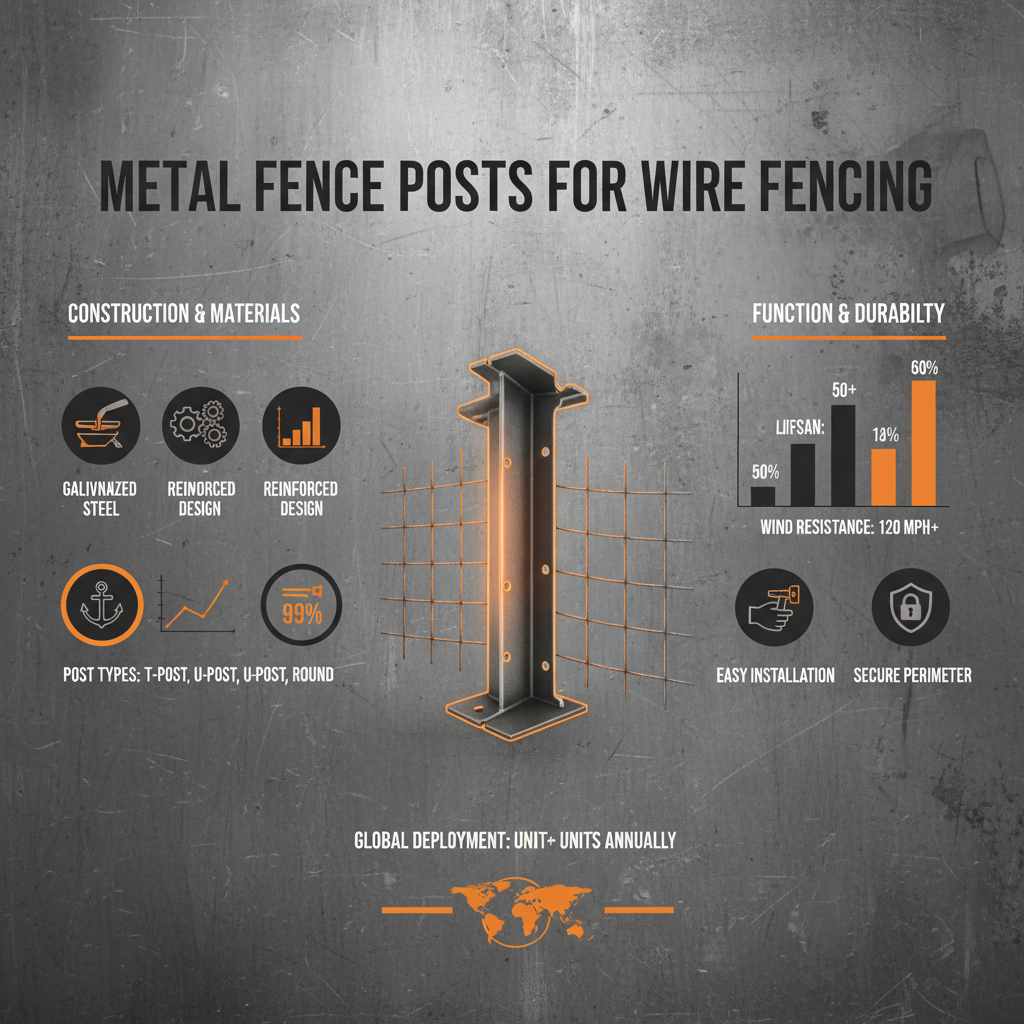
At MinmetalsGlobal, we offer a wide range of high-quality metal fence posts to suit various applications. Our experienced team can help you select the appropriate type, size, and quantity of posts for your specific fencing project. We pride ourselves on competitive pricing, reliable delivery, and exceptional customer service. Contact us today to discuss your needs and receive a quote.
Investing in durable and reliable metal fence posts is a crucial step in creating a secure and long-lasting fence. With the right materials and proper installation, you can enjoy years of worry-free performance. Choose MinmetalsGlobal for all your fencing needs – we're committed to providing top-quality products and exceptional service.
A general rule of thumb is to bury at least one-third of the post's total length. For example, a 6-foot post should be driven at least 2 feet into the ground. However, the ideal depth depends on several factors, including soil type, fence height, and the amount of tension in the wire. In areas with loose or sandy soil, a deeper setting may be necessary to ensure stability. It's always best to consult local fencing regulations and guidelines for specific recommendations.
While galvanized steel is corrosion-resistant, it’s not immune to rust. Regularly inspect the posts for any signs of damage to the galvanizing coating. Minor scratches or abrasions can be touched up with a zinc-rich paint. Avoid contact with dissimilar metals, as this can accelerate corrosion. Also, ensure the soil around the posts is well-drained to prevent prolonged exposure to moisture. Consider using a post protector or applying a sealant to further enhance rust resistance.
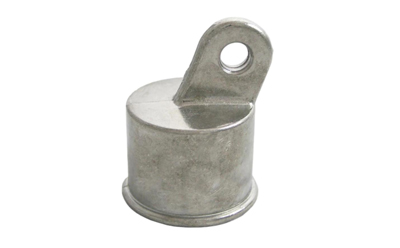
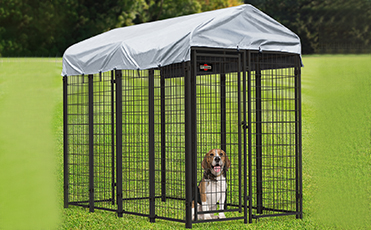
Yes, metal fence posts are an excellent choice for livestock fencing. Their strength and durability can withstand the pressure from animals, preventing the fence from collapsing or becoming damaged. However, it’s crucial to select posts with sufficient diameter and wall thickness to handle the specific type of livestock you’re containing. Consider adding post caps to prevent injury to animals and to protect the post from corrosion. MinmetalsGlobal offers a range of posts specifically designed for livestock applications.
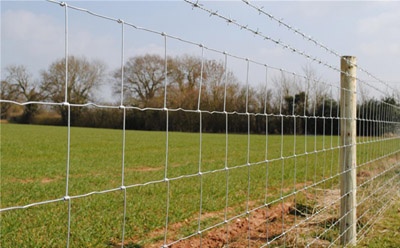
Post spacing depends on the type of wire fencing, terrain, and the animals being contained. For woven wire fencing, a typical spacing is 8-12 feet. For barbed wire, a spacing of 10-15 feet is common. In hilly or uneven terrain, closer spacing may be necessary to maintain fence integrity. Always consult the wire manufacturer's recommendations for specific spacing guidelines. Using closer spacing will increase the cost but provides a more secure and durable fence.



Copyright © 2026 Hebei Minmetals Co., Ltd. All Rights Reserved. Sitemap | Privacy Policy | Top Blog丨Menu