

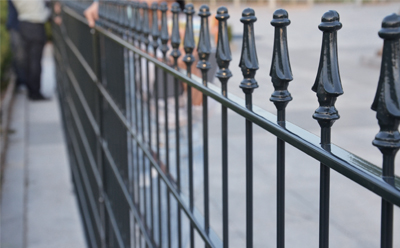
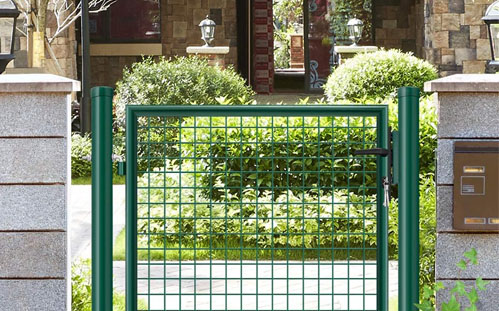
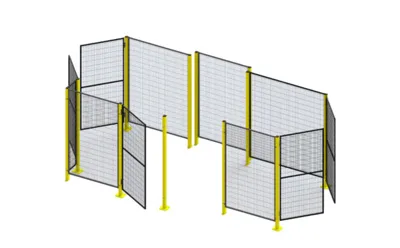
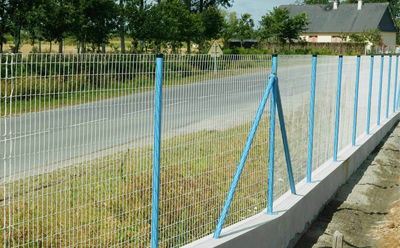
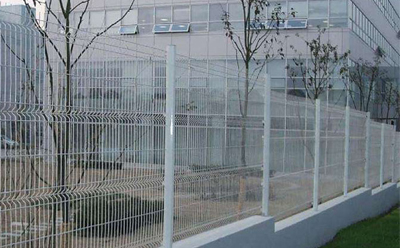
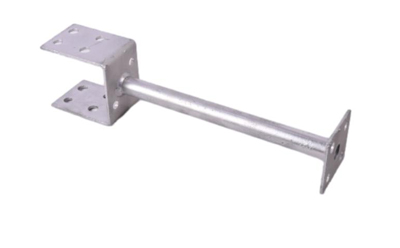
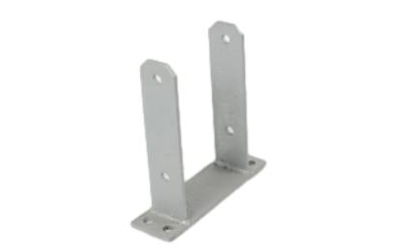
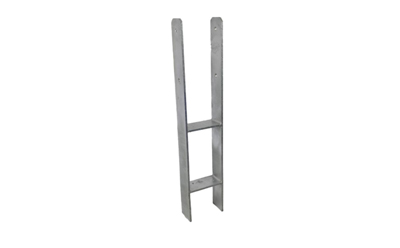
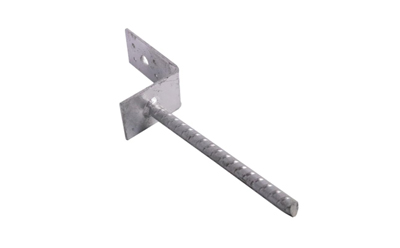
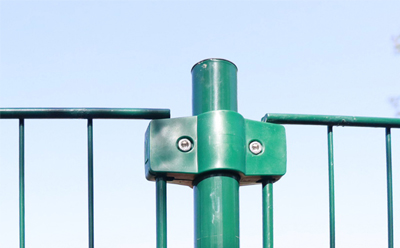
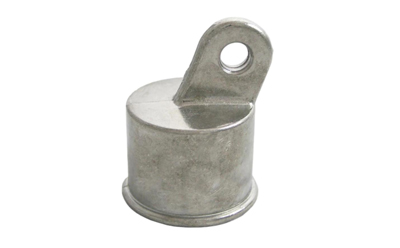
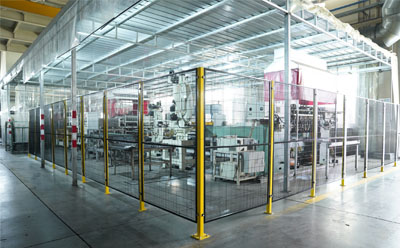
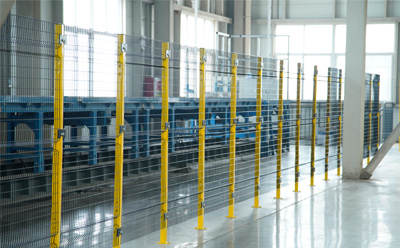












Selecting the appropriate steel farm fence posts is crucial for securing your property, protecting livestock, and ensuring longevity. These posts are the backbone of any effective fencing system. This article will delve into the key factors to consider when choosing steel fence posts, including types, sizes, coatings, and installation tips. Understanding these elements will help you make an informed decision and build a fence that stands the test of time. A well-chosen fence provides security, peace of mind, and value to your farm or property.
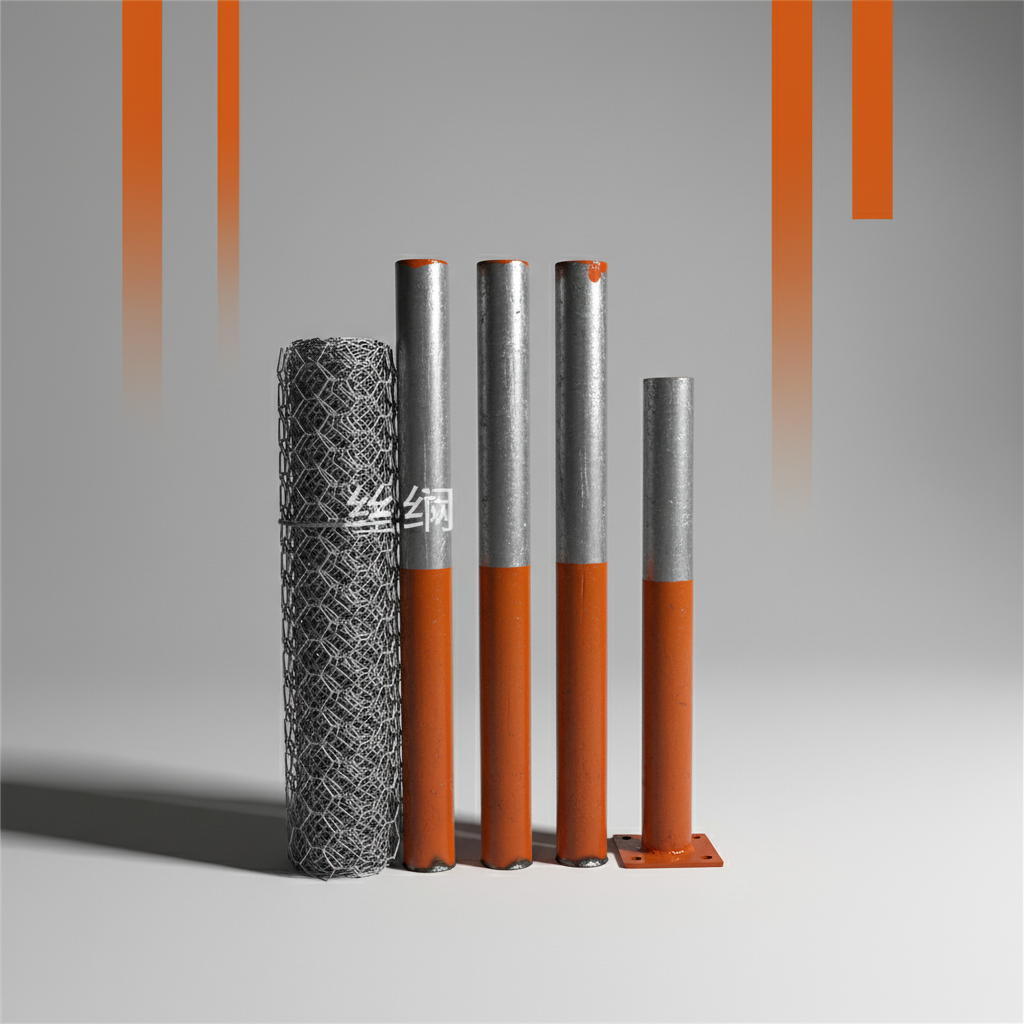
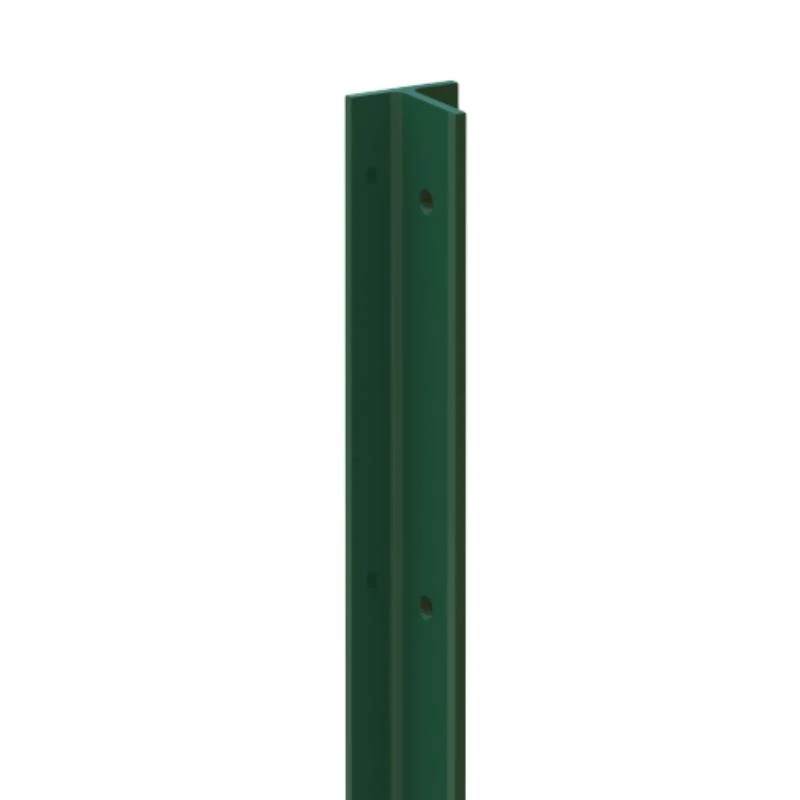
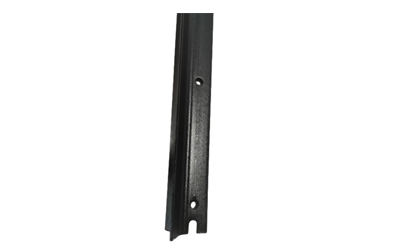
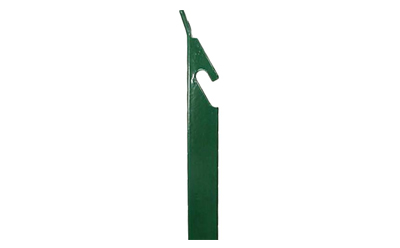
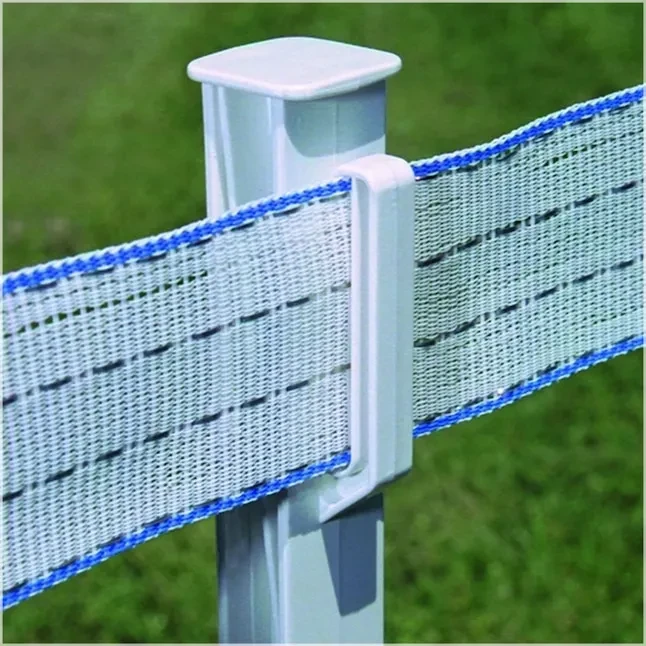
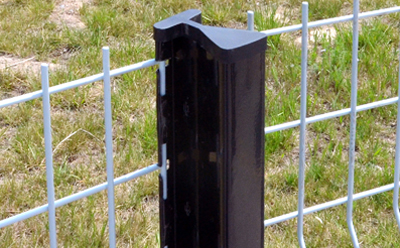
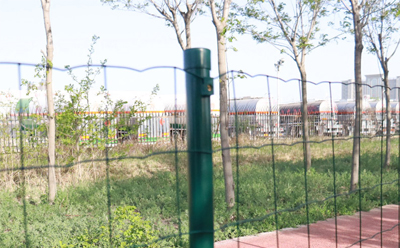
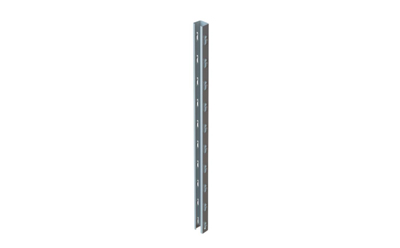
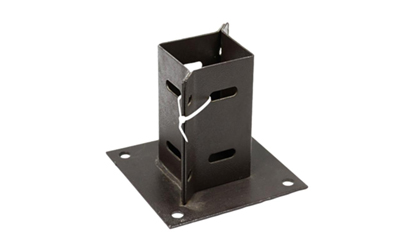
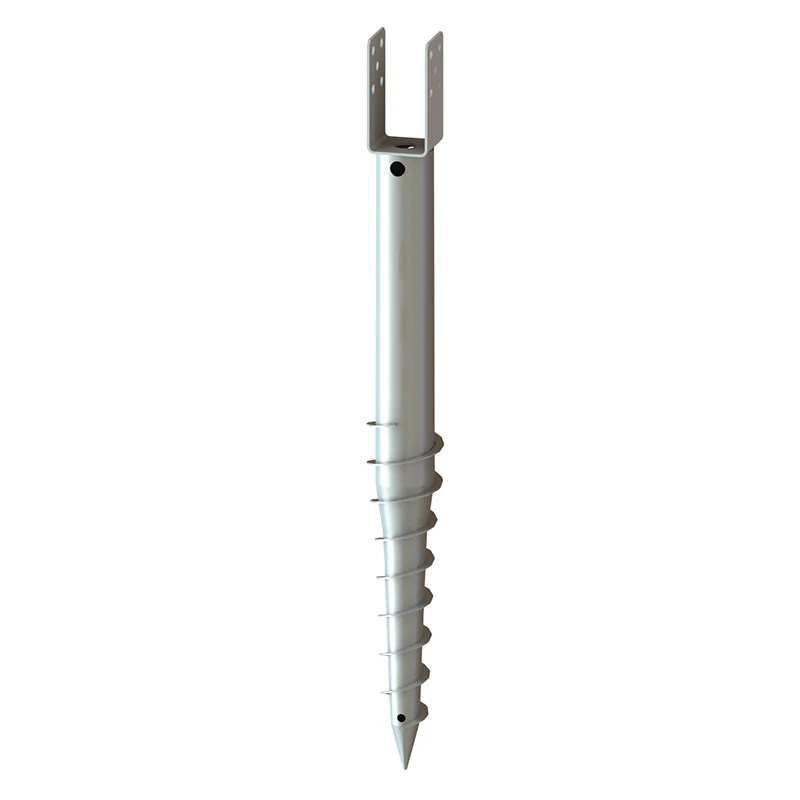
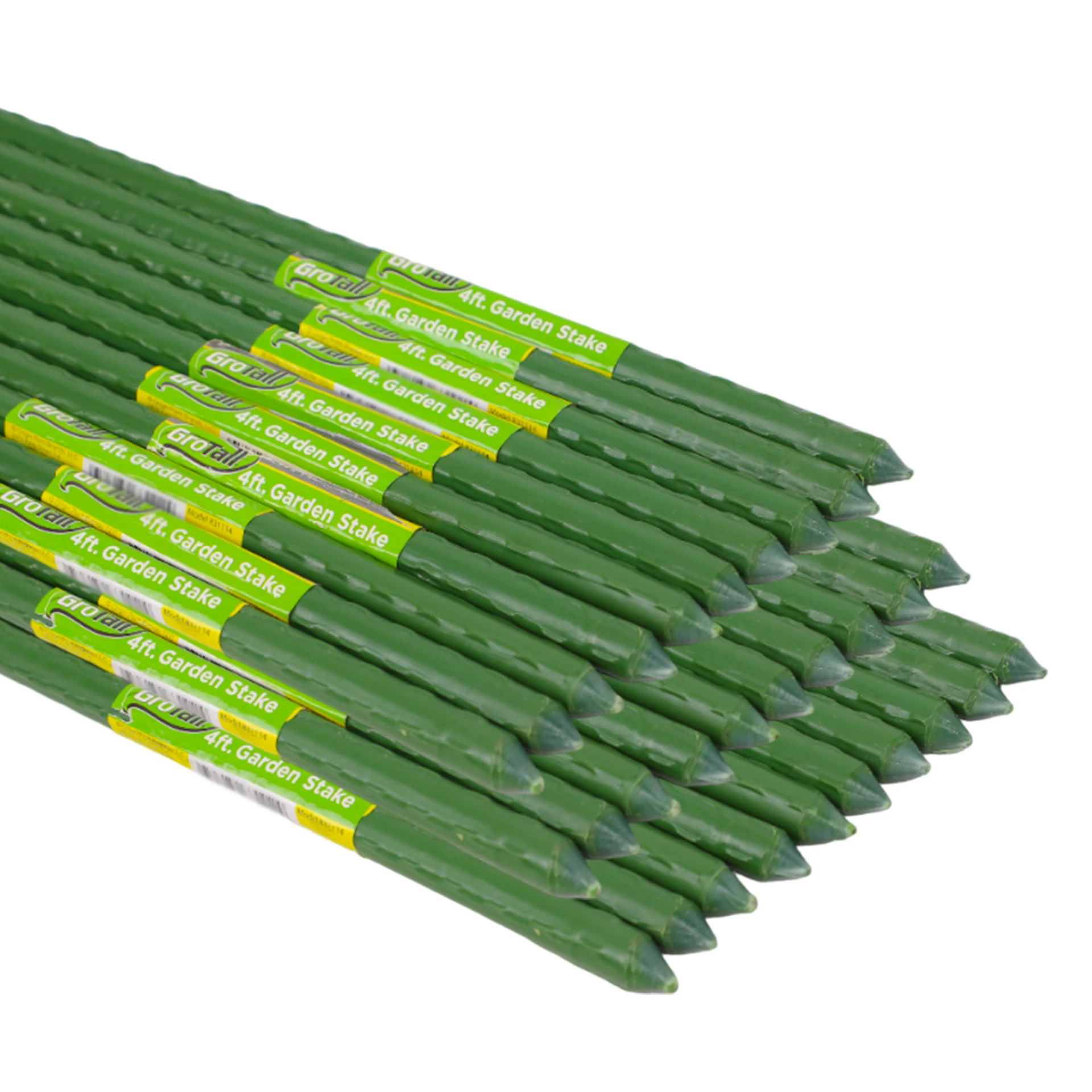
Steel fence posts come in several varieties, each suited to different applications. H-posts are a popular choice, offering excellent stability and durability. They are generally used for high-stress areas and perimeter fencing. T-posts are lighter and more economical, ideal for temporary or less demanding fences. Y-posts provide a good balance of strength and affordability. Additionally, posts can be galvanized, powder-coated, or painted for added protection against the elements. Understanding these options will guide you in selecting the most appropriate post type for your specific needs. Proper material selection is key to a successful fence installation.
Key Takeaway: Choosing the right steel post type depends on your fencing needs, budget, and the level of security required. Consider the terrain, livestock type, and climate when making your decision.
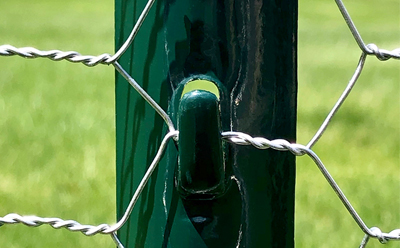
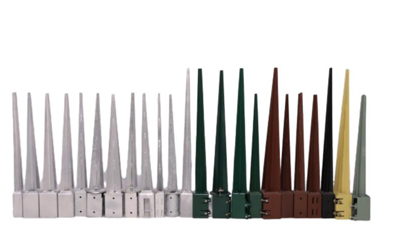
Steel is susceptible to corrosion, especially in agricultural environments. Therefore, the quality of the post coating is paramount. Galvanization is the most common method, providing a zinc layer that protects against rust. Powder coating offers a more durable and aesthetically pleasing finish, enhancing corrosion resistance. The thickness of the coating is also crucial; thicker coatings provide longer-lasting protection. Investing in posts with a high-quality coating will significantly extend the lifespan of your fence and reduce maintenance costs. Protecting your investment is crucial for long-term durability.
Coating Benefits:
• Prevents rust and corrosion
• Extends the lifespan of the posts
• Reduces maintenance requirements
• Improves the overall appearance of the fence
Choosing between different types of steel posts requires a careful comparison of their strengths and weaknesses. The following table provides a detailed overview to help you make the best decision for your property. Consider the cost, durability, and suitability for your specific fencing needs.
Even the best steel farm fence posts will fail if not installed correctly. Proper post spacing is crucial, typically ranging from 8 to 12 feet depending on the terrain and livestock. Posts should be driven deep enough into the ground to provide adequate support—at least 2-3 feet is recommended. Using a post-hole digger or post driver will ensure proper depth and alignment. Backfilling with compacted soil or concrete will further enhance stability. Correct installation is essential for a long-lasting and secure fence.
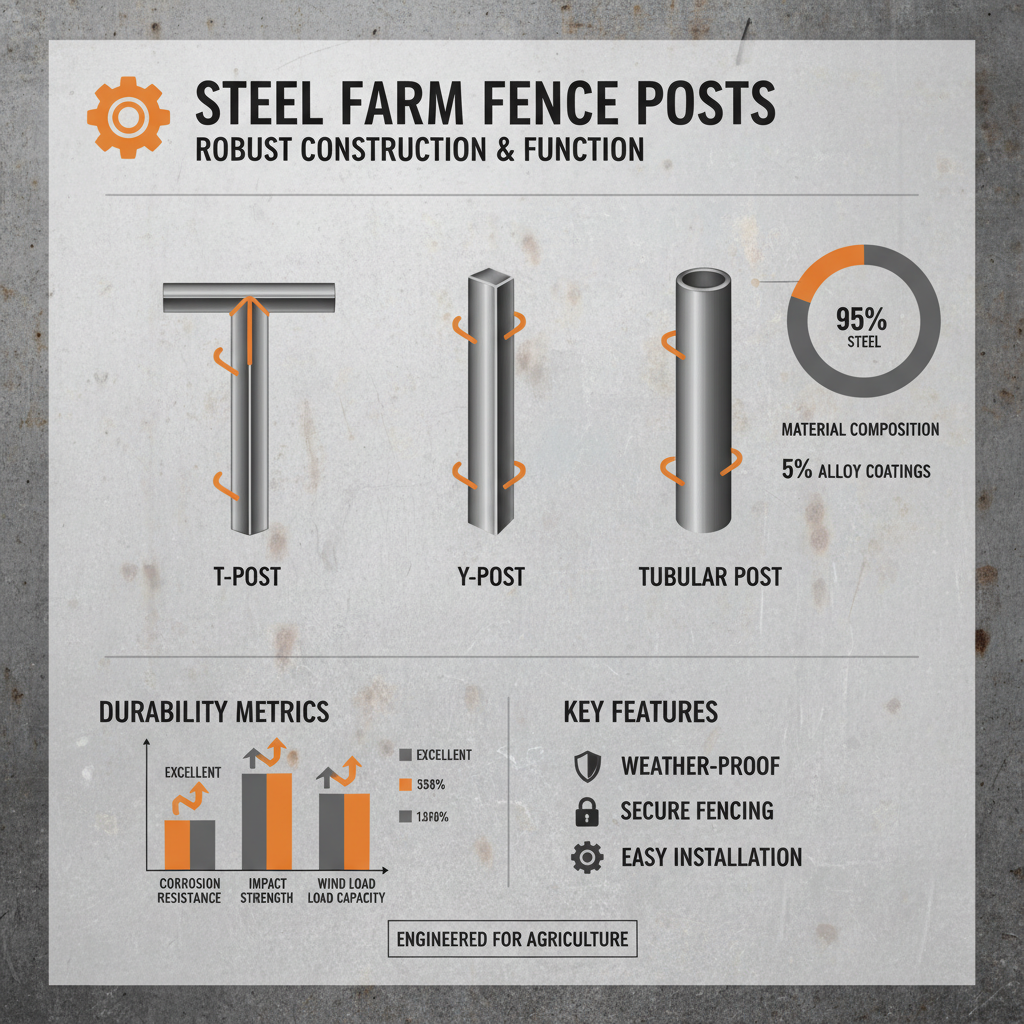
Minmetals Global offers a wide range of steel farm fence posts to meet diverse needs. Here's a summary of common specifications:
Choosing the right steel farm fence posts is a long-term investment in the security and value of your property. By considering the factors outlined in this guide – post type, coating, installation, and specifications – you can build a fence that withstands the test of time. Don't compromise on quality; choose durable, corrosion-resistant posts from a reputable supplier like Minmetals Global.
For horse fences, a post spacing of 8-10 feet is generally recommended. Horses are powerful animals and can exert significant pressure on the fence. Closer spacing provides greater stability and reduces the risk of breakage. Additionally, using heavier-gauge posts and high-tensile wire is crucial for horse fencing. Consider using a combination of line posts and brace posts for added strength. Always consult with a fencing professional to determine the best configuration for your specific needs and horse breed.
Generally, steel fence posts should be driven at least 2-3 feet into the ground. In areas with sandy or loose soil, you may need to drive them deeper to ensure adequate stability. For high-stress areas or fences designed to contain large animals, consider driving the posts even deeper, up to 4 feet. Backfilling with compacted soil or concrete will further enhance stability. Always check local regulations for specific requirements regarding fence post depth.
Galvanized steel posts are coated with a layer of zinc, which provides corrosion resistance. Powder-coated posts have a dry powder applied electrostatically and then cured under heat, creating a durable, colorful finish. Powder coating generally offers superior corrosion resistance and a more aesthetically pleasing appearance compared to galvanization. However, powder coating can be more expensive. Both options provide significant protection against rust and weathering, but powder coating is considered the more long-lasting solution.



Copyright © 2026 Hebei Minmetals Co., Ltd. All Rights Reserved. Sitemap | Privacy Policy | Top Blog丨Menu