


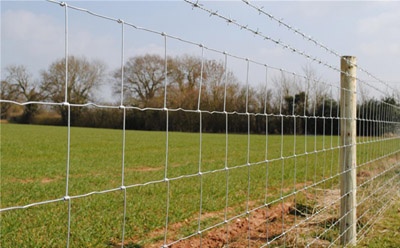
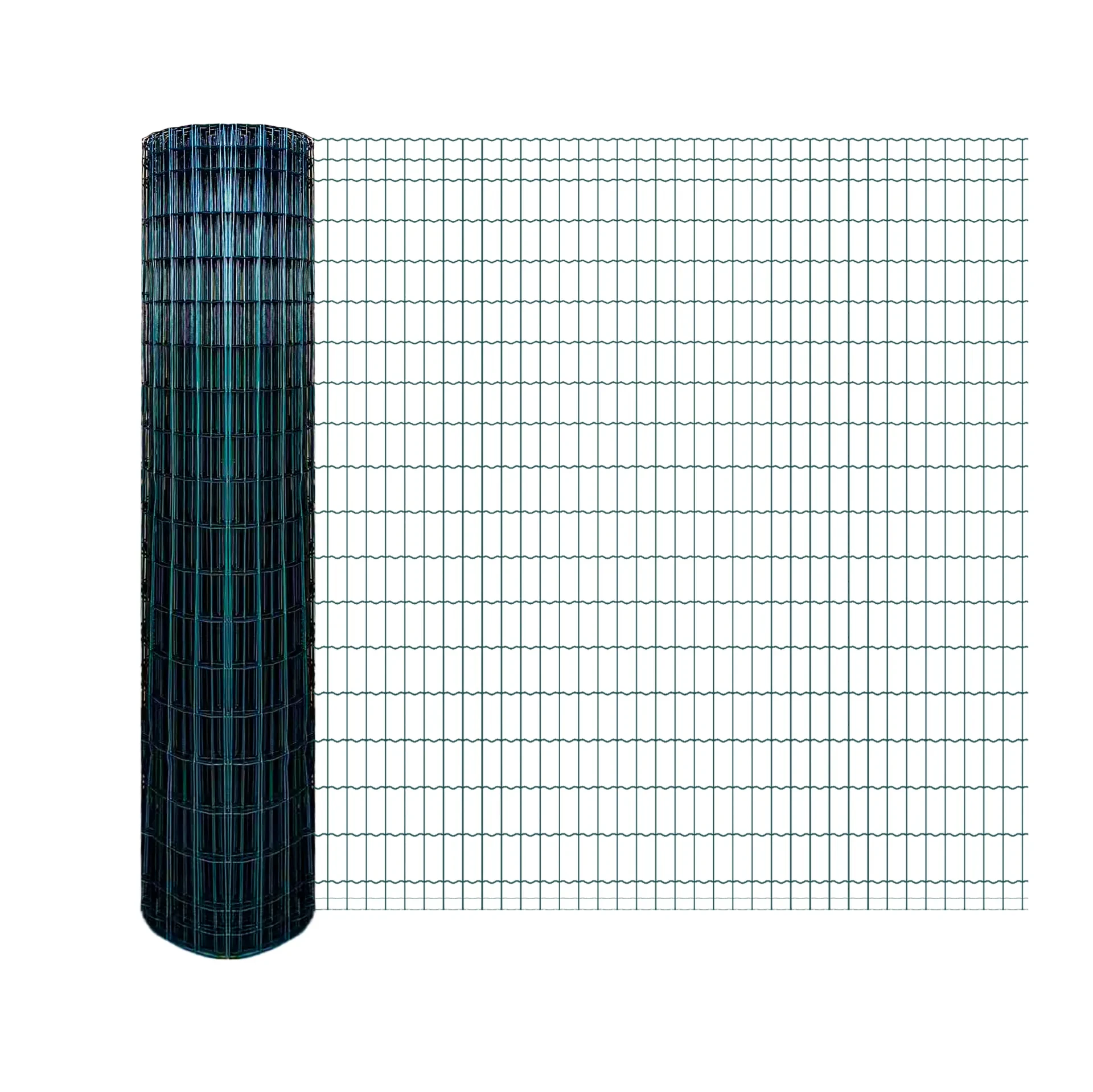
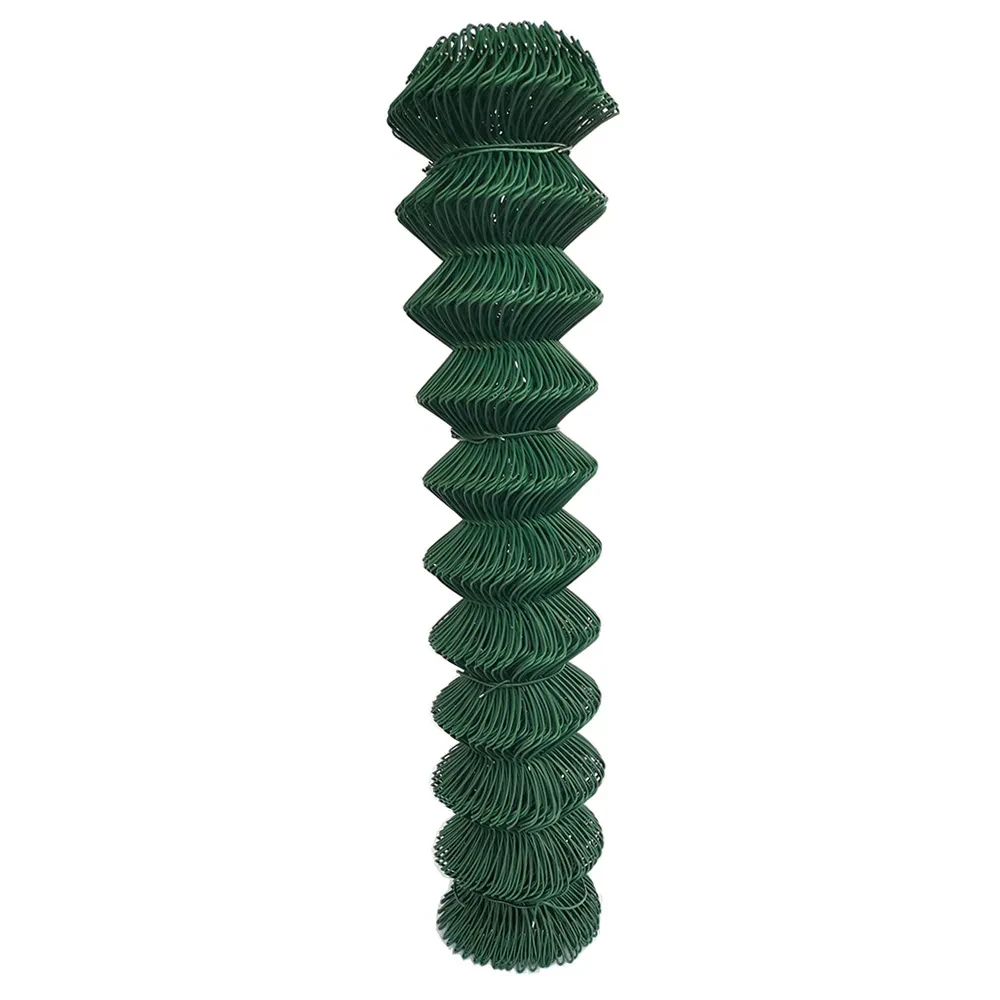

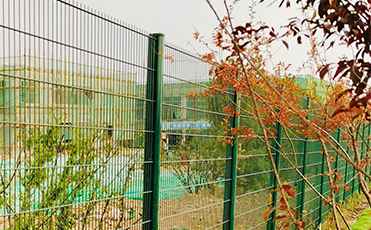
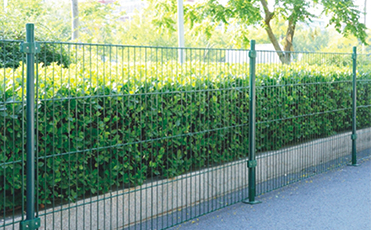
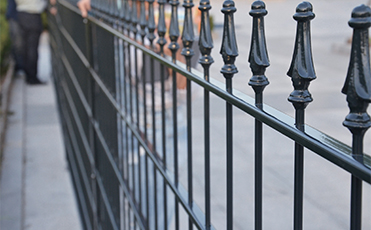
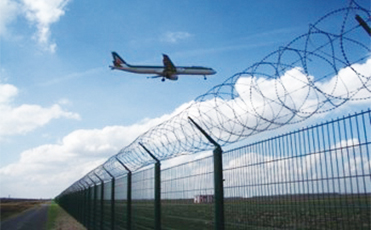
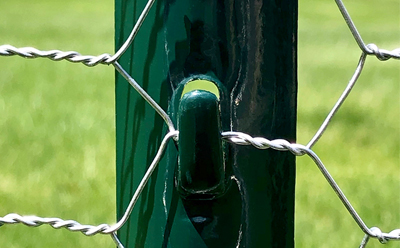
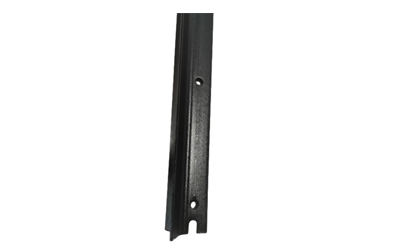
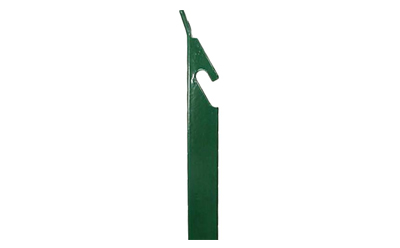
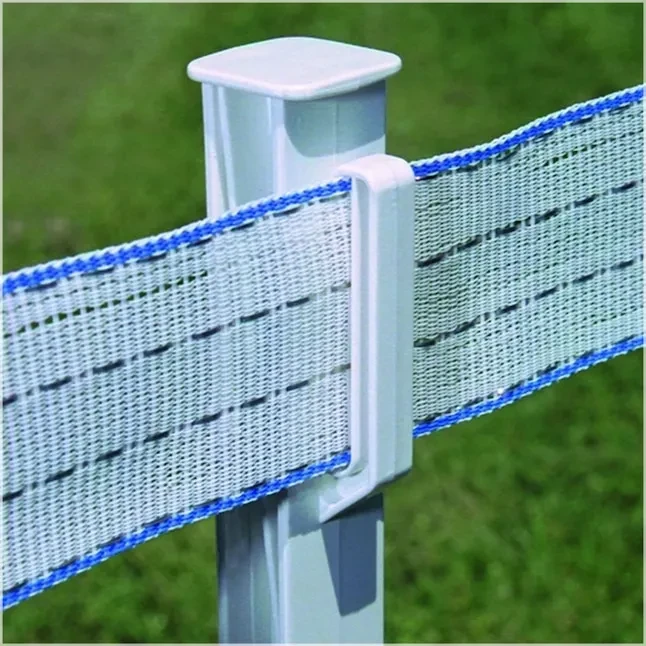












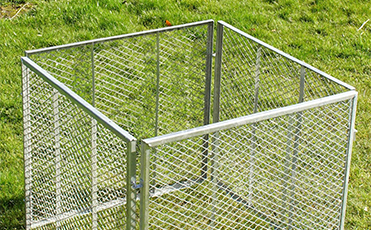
Metal line posts are essential components in various fencing and barrier systems, offering robust support and durability. They are widely used in agricultural, industrial, and residential settings to delineate boundaries, provide security, and manage livestock. Choosing the right metal line post is crucial for the long-term integrity of any fencing project. MinmetalsGlobal provides a comprehensive range of high-quality metal line posts tailored to diverse needs. This article will delve into the types, benefits, and applications of metal line posts, guiding you through the selection process.
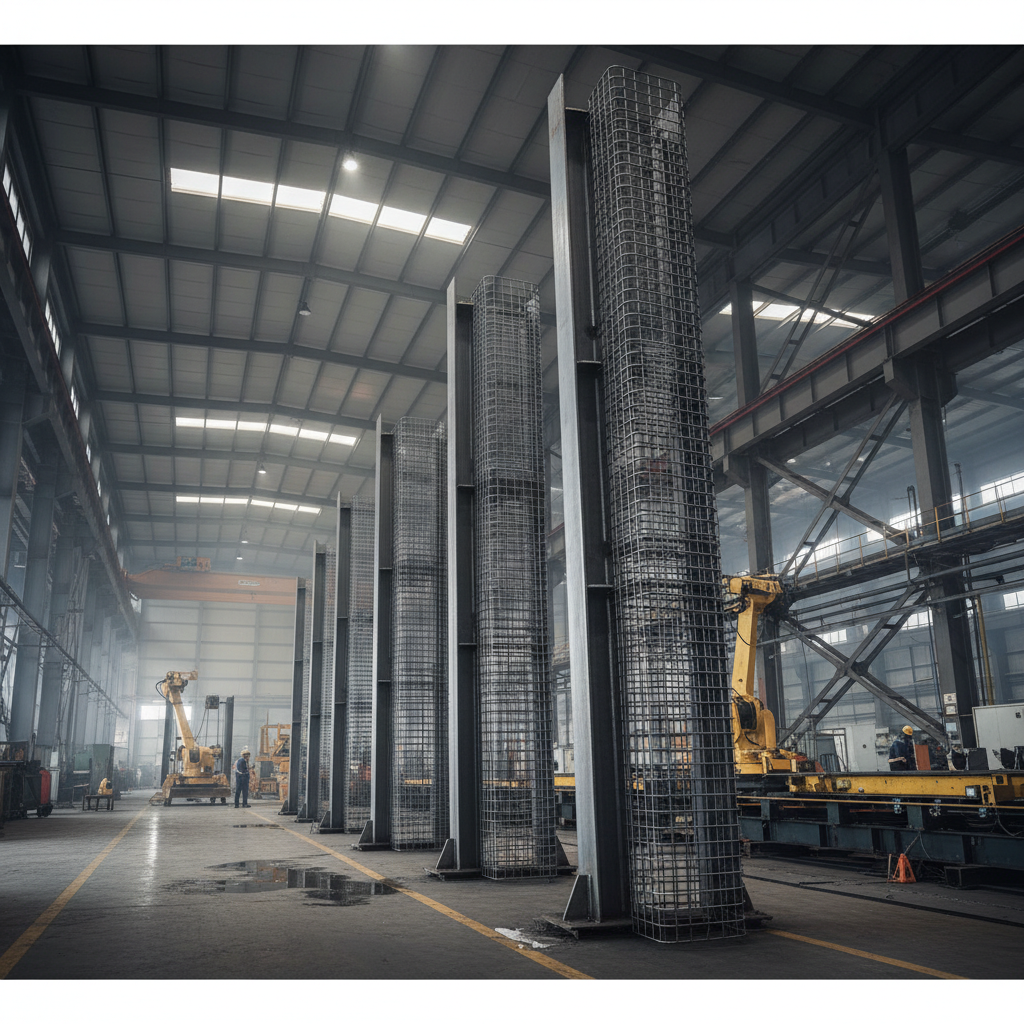
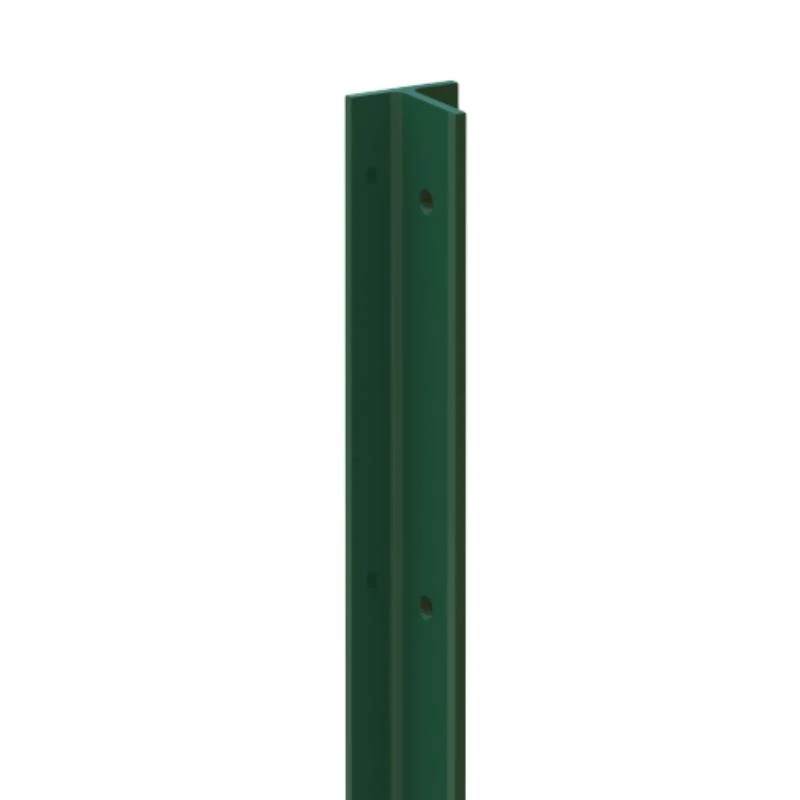
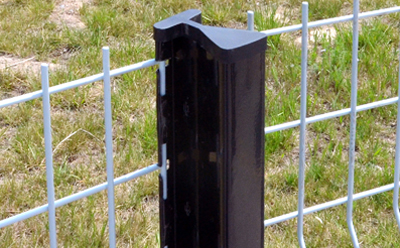
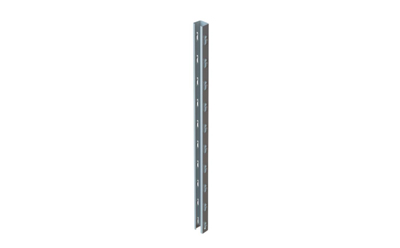
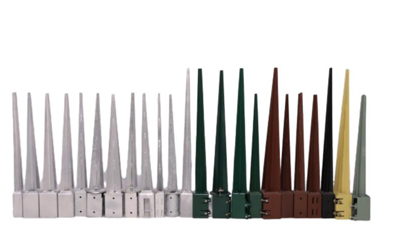
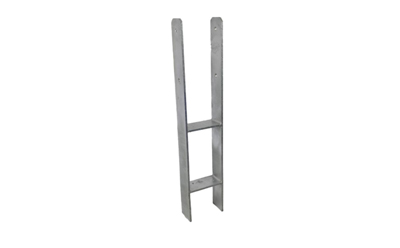
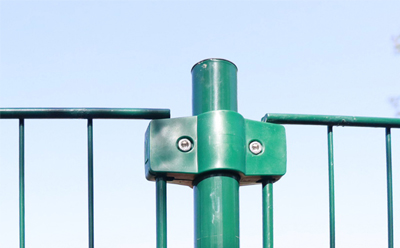
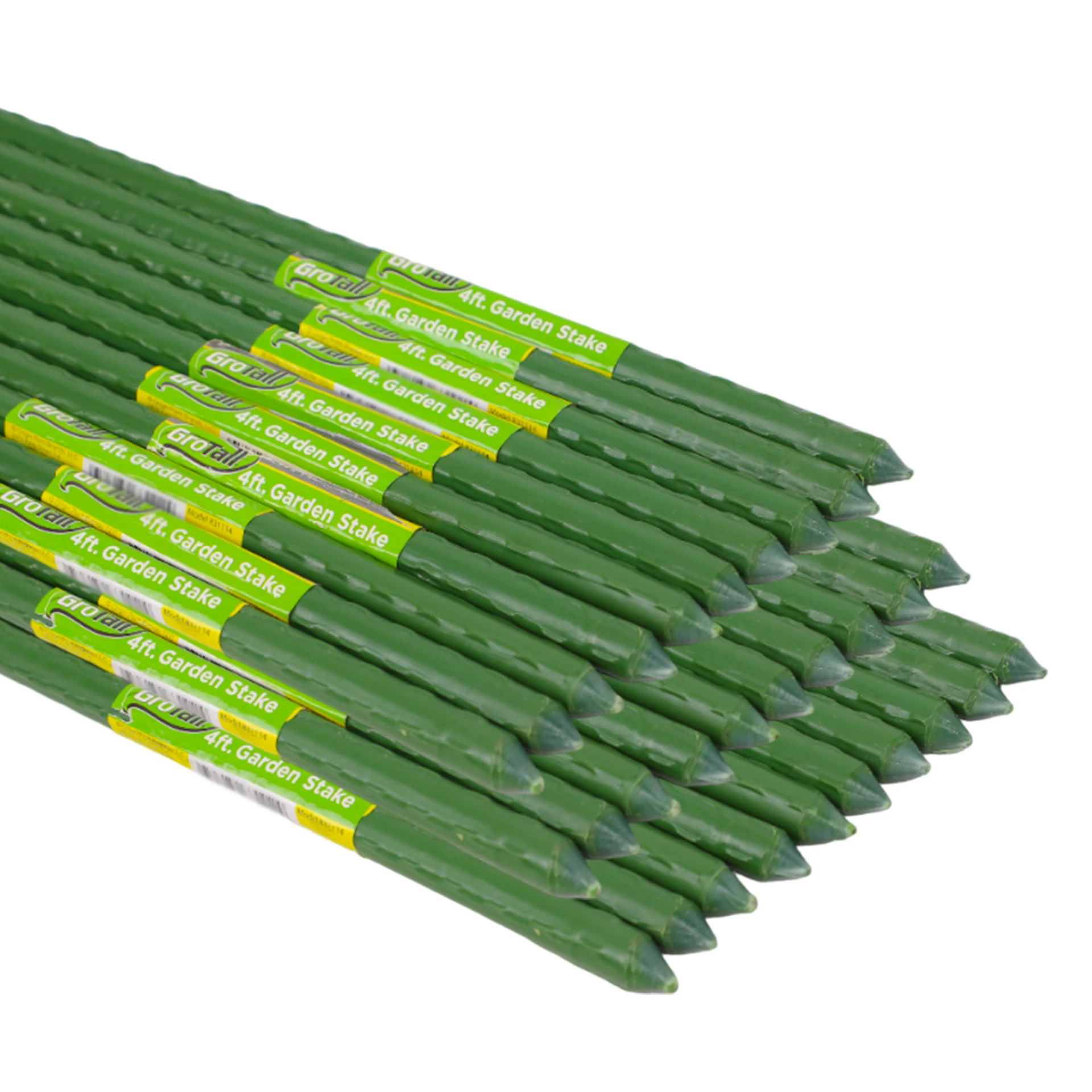
Metal line posts are available in several materials and profiles, each suited for different applications and budgets. The most common types include steel, galvanized steel, and aluminum. Steel posts offer high strength and are ideal for demanding applications, while galvanized steel provides corrosion resistance. Aluminum posts are lightweight and corrosion-proof, making them suitable for coastal areas or applications where weight is a concern. Post profiles also vary, including round, square, and H-posts, each with its own strength and aesthetic characteristics.
Key Takeaway: The choice of material and profile depends on factors like soil conditions, required strength, budget, and aesthetic preferences.
Metal line posts offer several advantages over traditional materials like wood. They are significantly more durable and resistant to rot, insect damage, and weathering. This translates into lower maintenance costs and a longer lifespan for your fencing system. Metal posts also provide superior strength and stability, capable of withstanding strong winds and impacts. Furthermore, they offer a clean, professional appearance that enhances the overall aesthetic of your property. Investing in quality metal line posts is a smart long-term investment.
Key Benefits:
• Durability and Longevity
• Resistance to Rot and Insects
• Superior Strength and Stability
• Low Maintenance Costs
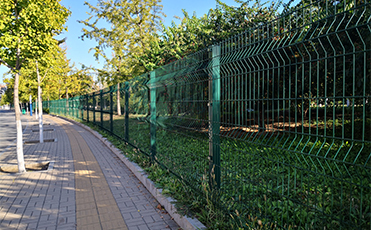
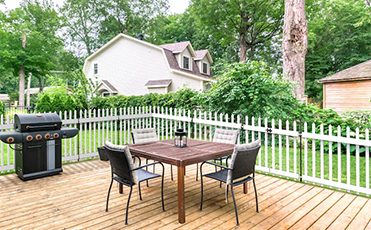
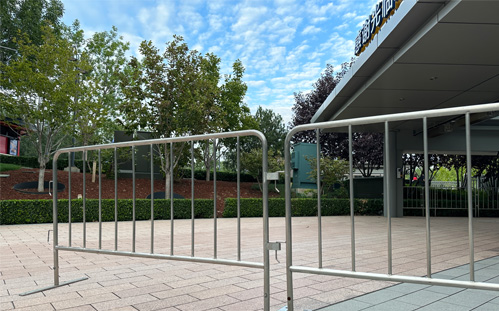
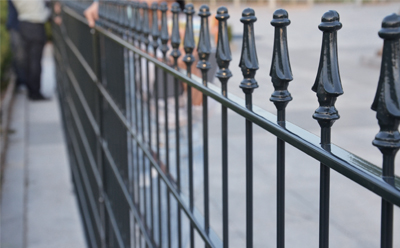
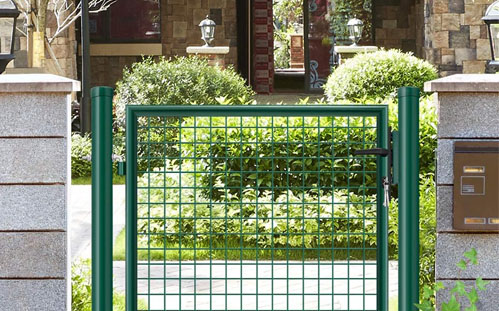
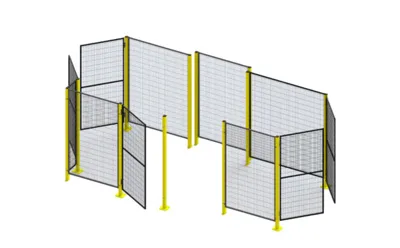
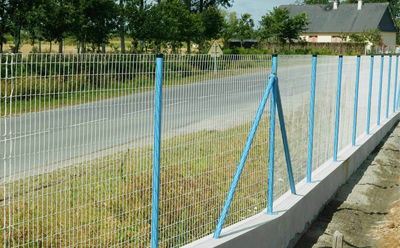
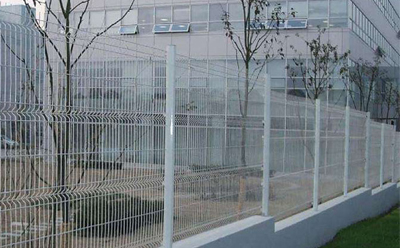
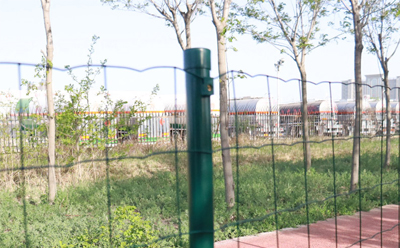
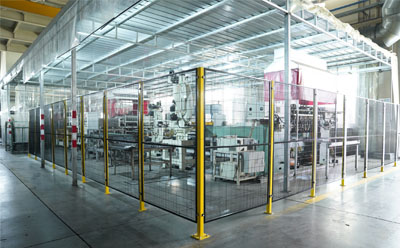
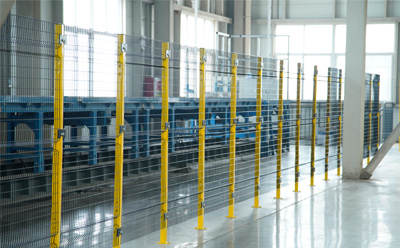
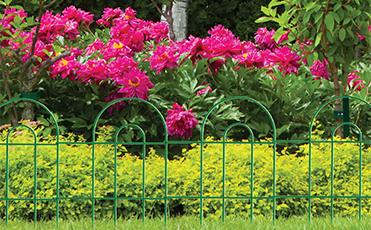
The versatility of metal line posts makes them suitable for a wide array of applications. In agriculture, they are used for creating secure livestock enclosures, protecting crops, and establishing property boundaries. Industrial settings utilize metal line posts for perimeter security, access control, and safety barriers. Residential applications include decorative fencing, garden borders, and privacy screens. Metal line posts also find use in highway guardrails, crowd control barriers, and signage supports. The adaptability of metal line posts ensures they can meet the demands of diverse projects.
Selecting the appropriate metal line post requires careful consideration of several factors. Soil type, climate, the height and type of fencing material, and the overall security requirements all play a role. For areas with corrosive soil, galvanized steel or aluminum posts are preferable. For high-security applications, heavier-gauge steel posts are recommended. Properly spacing the posts is also critical for structural integrity. A professional fencing contractor can provide valuable guidance in selecting the optimal metal line posts for your specific needs.
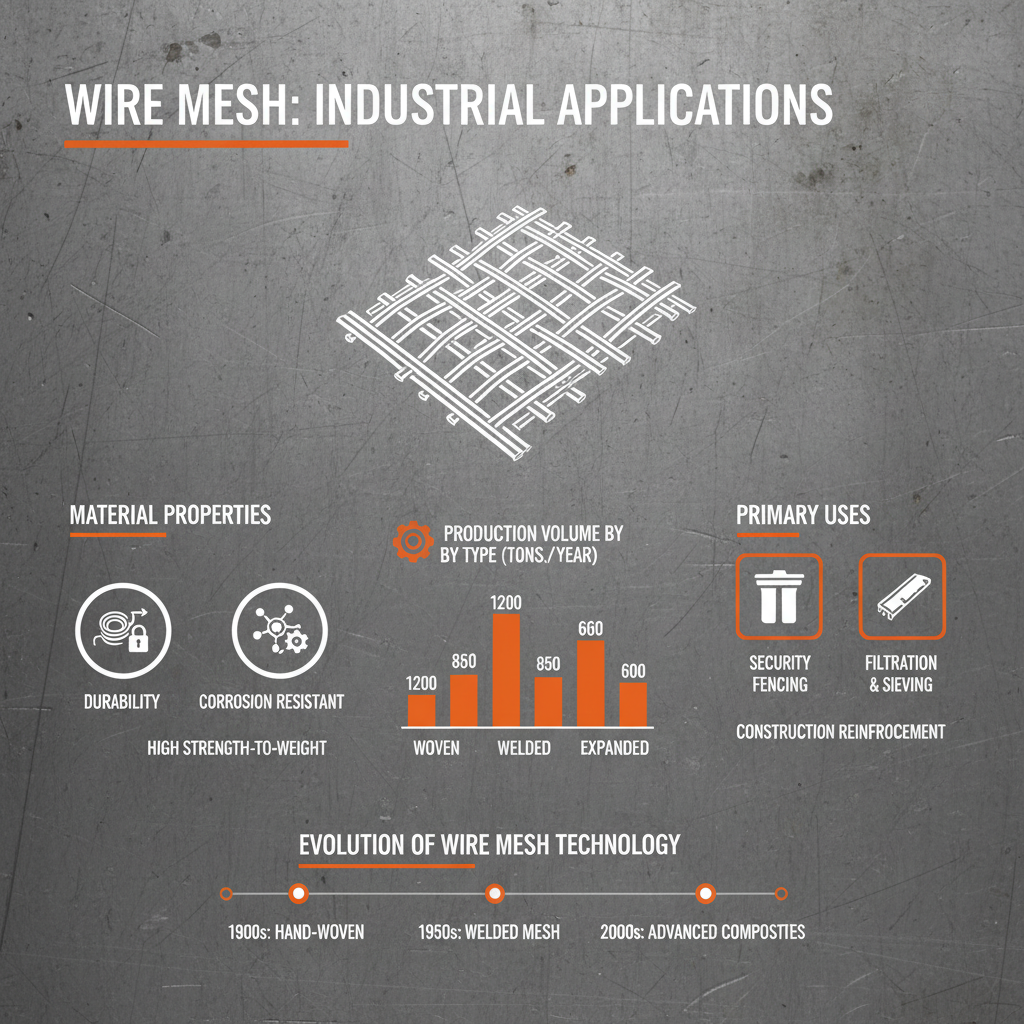
MinmetalsGlobal offers a diverse range of metal line posts with varying specifications to meet diverse project requirements. Here’s a sample overview:
Choosing the right metal line posts is crucial for the longevity and security of your fencing project. MinmetalsGlobal provides a wide selection of high-quality posts to meet your specific needs. By considering factors like material, profile, and application, you can ensure a durable and reliable fencing system that will provide years of service.
Galvanized steel offers superior strength and is more cost-effective, but it's heavier and can still corrode over time, particularly in harsh environments. Aluminum is lightweight, completely corrosion-proof, and ideal for coastal areas, but it’s generally more expensive and less strong than steel. The best choice depends on your budget, environmental conditions, and strength requirements. Galvanized steel is a good all-around option, while aluminum is best suited for areas where corrosion is a significant concern.
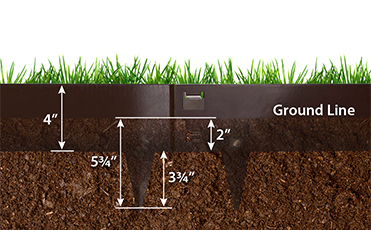
The recommended post depth depends on the height of the fence and the soil conditions. As a general guideline, bury at least one-third of the post’s length in the ground. For example, a 2.4-meter post should be buried at least 80 centimeters deep. In areas with loose or sandy soil, deeper installation may be necessary to ensure stability. Proper installation is vital for preventing the fence from leaning or collapsing over time.
Yes, metal line posts can be used with electric fencing, but it’s important to use posts specifically designed or rated for electric fencing applications. These posts typically have insulated caps or coatings to prevent electrical current from grounding through the post. Ensure proper insulation and grounding to maintain the effectiveness and safety of the electric fence.



Copyright © 2026 Hebei Minmetals Co., Ltd. All Rights Reserved. Sitemap | Privacy Policy | Top Blog丨Menu