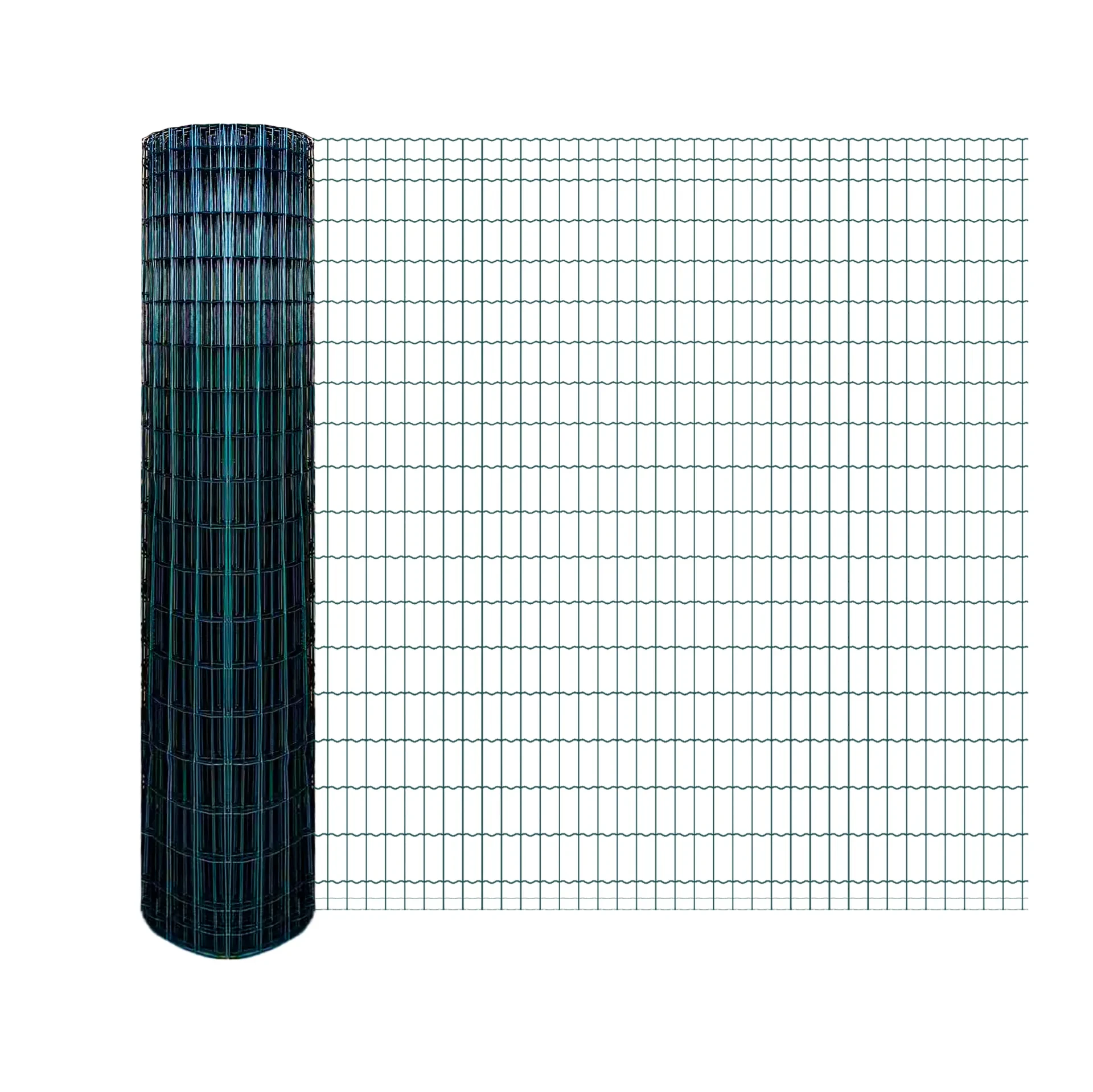
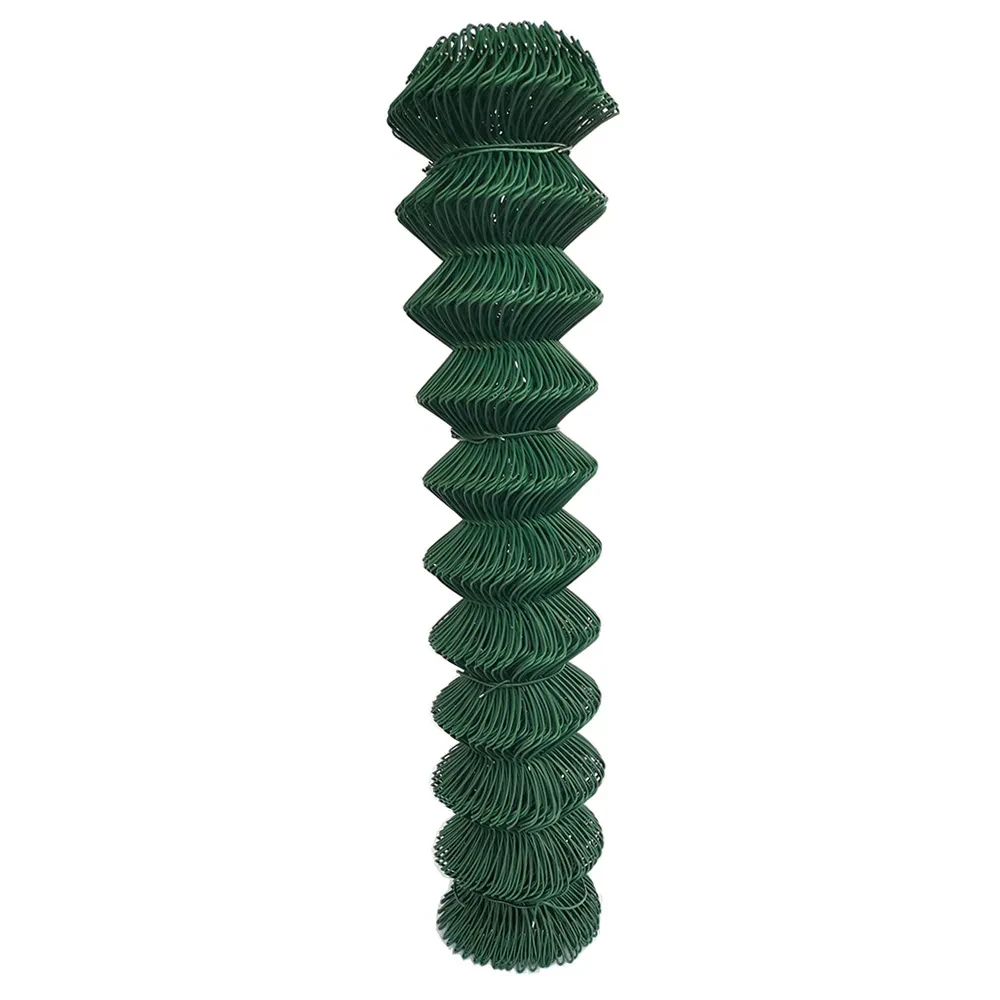
Wire mesh for windows—including durable steel mesh for windows and versatile metal window screen mesh—is a critical component for home and commercial buildings, balancing insect protection, security, and ventilation. However, costs vary widely based on material, durability, and application, making it essential for wholesalers to guide clients (e.g., construction firms, property developers, or window manufacturers) toward cost-effective choices that align with their needs. Hebei Minmetals Co., Ltd., a Shijiazhuang-based joint-stock group with 2,200+ employees and a 60 million RMB registered capital, specializes in importing and exporting wire mesh for windows (alongside welded mesh, screen netting, and metal home products). Their extensive product range—from basic metal window screen mesh to heavy-duty steel mesh for windows—lets wholesalers access diverse options for bulk orders, while their expertise in cost optimization supports clients in balancing quality and budget.
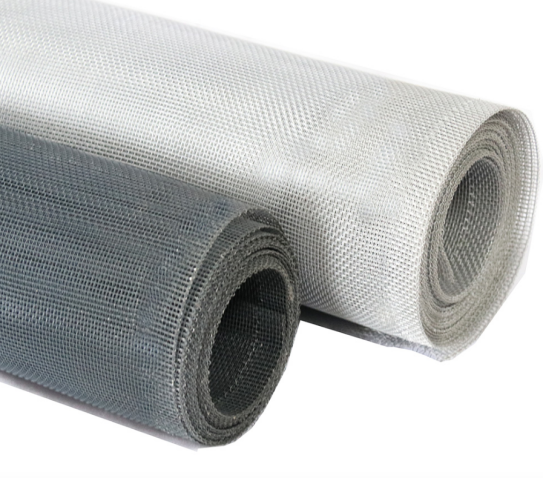
Material Cost Breakdown of Wire Mesh for Windows
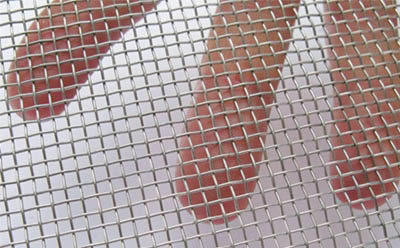
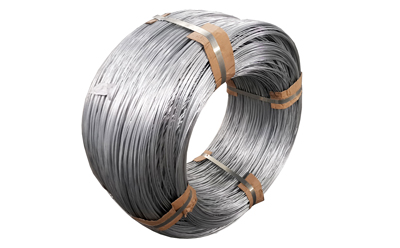
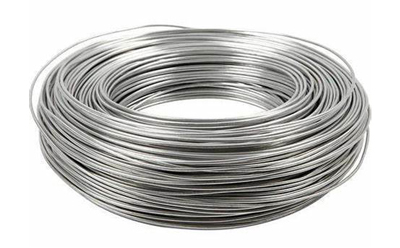
- Steel Mesh for Windows vs. Aluminum Mesh Costs: Steel mesh for windows and aluminum-based metal window screen mesh are two common options, with distinct cost differences. Hebei Minmetals notes that standard steel mesh for windows (18–22 gauge, galvanized for rust resistance) typically costs 15–25% more per square meter than aluminum mesh. This premium reflects steel’s superior strength (ideal for security-focused applications like ground-floor windows or commercial buildings). In contrast, lightweight aluminum metal window screen mesh (24–26 gauge) is more affordable, making it suitable for residential second-floor windows or temporary installations. For example, a wholesaler supplying 10,000 square meters of mesh to a housing developer would see a cost difference of 5,000–10,000 RMB between steel and aluminum options. However, steel’s longer lifespan (10–15 years vs. 5–8 years for aluminum) often offsets the upfront cost— a key point wholesalers can highlight to clients prioritizing long-term value.
- Specialty Metal Window Screen Mesh Cost Premiums: Specialty metal window screen mesh(e.g., stainless steel, copper, or fiberglass-reinforced metal) carries higher material costs but offers unique benefits. Hebei Minmetals’ stainless steel wire mesh for windows (304 grade, corrosion-resistant) costs 40–60% more than standard galvanized steel, making it ideal for coastal areas (where saltwater air damages regular steel). Copper mesh, though expensive (2–3x the cost of aluminum), is a niche choice for clients seeking natural insect repellency (copper deters ants and termites). For wholesalers, these specialty options cater to high-end projects (e.g., luxury homes, coastal resorts) where clients are willing to pay more for durability or unique features— expanding market reach beyond basic mesh sales.
Installation and Labor Cost Differences for Wire Mesh for Windows
- Lightweight vs. Heavy-Duty Installation for Metal Window Screen Mesh: Installation costs for wire mesh for windows depend on the mesh’s weight and rigidity. Hebei Minmetals’ lightweight aluminum metal window screen mesh is easy to cut and attach to window frames (using spline or adhesive), requiring minimal labor— a 2-person team can install 50–60 square meters per day, reducing labor costs by 30–40% vs. heavy-duty options. In contrast, steel mesh for windows (especially thick-gauge security mesh) needs pre-drilled holes and hardware (e.g., screws, clips) to support its weight, increasing installation time to 20–30 square meters per day. For a commercial project with 500 square meters of mesh, this translates to a labor cost difference of 2,000–3,000 RMB. Wholesalers can help clients calculate total cost (material + labor) to avoid unexpected budget overruns— a valuable service for construction firms working on tight timelines.
- Custom Sizing Costs for Steel Mesh for Windows: Steel mesh for windows often requires custom sizing (e.g., for non-standard window shapes like arches or casements), which adds to overall costs. Hebei Minmetals offers bulk custom cutting for wire mesh for windows, but the process (laser or plasma cutting for precision) adds 10–15% to the material cost. In contrast, standard-sized aluminum metal window screen mesh (e.g., 1.2m x 2m rolls) requires no custom work, keeping costs low. For example, a wholesaler supplying mesh for a historic building with irregular window sizes would need to factor in custom cutting costs for steel mesh for windows, while a new residential development with standard windows could opt for off-the-shelf aluminum mesh to save money. This flexibility lets wholesalers tailor proposals to each client’s project specifics.
Wire Mesh for Windows Type & Cost Comparison
|
Wire Mesh for Windows Type
|
Material Cost (Per Square Meter)
|
Lifespan
|
Key Cost Drivers
|
Ideal Client Use Case
|
Hebei Minmetals Advantage
|
Wholesaler Value
|
|
Aluminum Metal Window Screen Mesh
|
Low (Economical)
|
5–8 years
|
Lightweight; low installation labor
|
Residential housing developers
|
Bulk rolls; easy cutting
|
Appeals to budget-focused large projects
|
|
Galvanized Steel Mesh for Windows
|
Medium
|
10–15 years
|
Rust resistance; moderate labor
|
Commercial ground-floor windows
|
Corrosion-resistant coating
|
Balances cost and durability
|
|
Stainless Steel Wire Mesh for Windows
|
High
|
15–20 years
|
Coastal-grade corrosion resistance
|
Luxury homes, coastal resorts
|
304/316 grade options
|
Caters to high-end, long-term projects
|
|
Copper Metal Window Screen Mesh
|
Premium
|
8–12 years
|
Natural insect repellency
|
Eco-focused residential clients
|
Pure copper construction
|
Fits niche sustainability needs
|
Long-Term Cost Savings of Durable Wire Mesh for Windows
- Maintenance Cost Reduction for Steel Mesh for Windows: Steel mesh for windows(especially galvanized or stainless steel) requires minimal maintenance, reducing long-term costs. Hebei Minmetals’ galvanized steel mesh only needs annual cleaning (a hose-down to remove dirt) and occasional touch-ups (rust-resistant paint for scratches), while aluminum metal window screen mesh often needs replacement after 5–8 years (due to bending or corrosion). For a property management firm maintaining 1,000 windows, switching from aluminum to steel mesh would save 2–3 replacement cycles over 15 years— a total cost reduction of 30–40%.
- Energy Efficiency Indirect Savings for Metal Window Screen Mesh: While not a direct cost, metal window screen mesh can contribute to energy savings, indirectly reducing client expenses. Hebei Minmetals’ solar-reflective wire mesh for windows (a specialty option) reflects 20–30% of sunlight, lowering indoor temperatures and reducing air conditioning use in summer. For a commercial building with 1,000 square meters of windows, this could cut monthly energy bills by 5–10%— a savings that accumulates over the mesh’s lifespan. While solar-reflective mesh costs 25–30% more upfront, the energy savings often pay for the premium within 2–3 years. For wholesalers, this value-added feature appeals to clients focused on sustainability and operational cost reduction.
Wire Mesh for Windows FAQS
Can Hebei Minmetals Provide Bulk Discounts for Wire Mesh for Windows?
Yes—Hebei Minmetals offers tiered bulk discounts for wire mesh for windows: orders of 1,000+ square meters receive 5–8% off, while 5,000+ square meters qualify for 10–15% off. This is especially beneficial for wholesalers supplying large construction projects (e.g., new housing developments or commercial complexes). The company also waives custom cutting fees for orders over 3,000 square meters of steel mesh for windows, further reducing costs for clients with non-standard needs.
How Does the Cost of Steel Mesh for Windows Compare to Plastic Mesh?
Steel mesh for windows costs 2–3x more upfront than plastic mesh, but it offers far better value long-term. Plastic mesh (e.g., fiberglass or PVC) lasts only 3–5 years (prone to cracking in sunlight) and provides minimal security, while galvanized steel mesh lasts 10–15 years and deters break-ins. For wholesalers, this comparison helps clients avoid “cheap upfront, costly later” choices— especially important for clients building for durability (e.g., schools, hospitals).
Is Metal Window Screen Mesh Cost-Effective for Temporary Structures?
For temporary structures (e.g., construction site offices, pop-up shops), lightweight aluminum metal window screen mesh is the most cost-effective choice. It costs less than steel mesh and is easy to install/remove (no permanent hardware), making it reusable for multiple projects. Hebei Minmetals offers small-batch bulk orders (500–1,000 square meters) for temporary use, letting wholesalers cater to short-term client needs without overcommitting to large inventory.
Does Thicker Gauge Wire Mesh for Windows Always Cost More?
Not necessarily—while thicker gauge steel mesh for windows (e.g., 16 gauge) costs more than thinner options (e.g., 22 gauge), Hebei Minmetals’ bulk purchasing power lets them offer competitive pricing for thicker mesh. For example, 18-gauge galvanized steel mesh (a popular middle ground for security and cost) is only 10% more expensive than 22-gauge mesh for large orders.
Can Hebei Minmetals Help Wholesalers Calculate Total Cost for Wire Mesh for Windows Projects?
Absolutely—Hebei Minmetals provides a free cost calculator tool for wholesalers, which factors in material type, square footage, custom cutting needs, and estimated installation labor. For example, a wholesaler supplying metal window screen mesh for a 200-unit apartment complex can input window sizes, desired mesh type, and project timeline to get a detailed total cost breakdown. This tool helps wholesalers provide accurate quotes to clients, reducing the risk of cost overruns and strengthening client trust.