




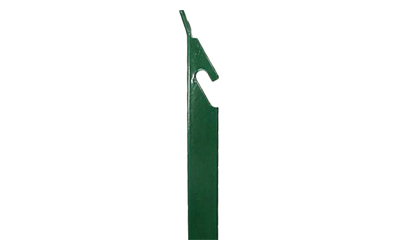
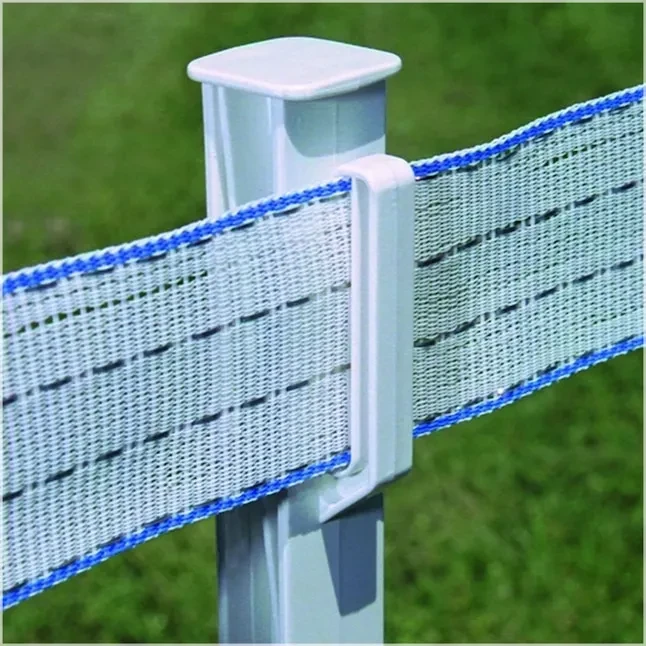
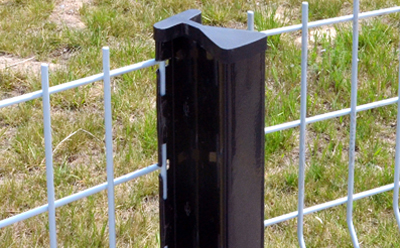
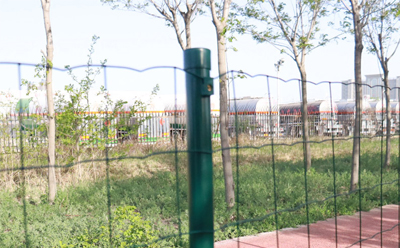
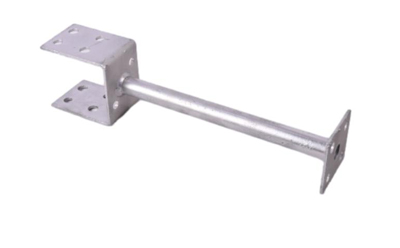
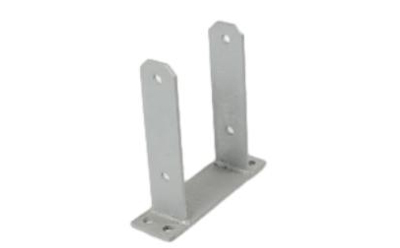
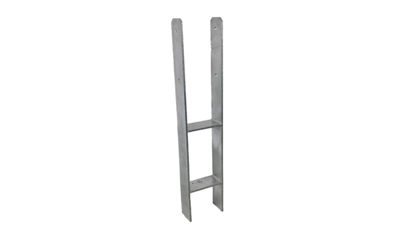
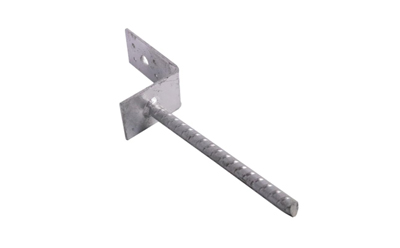














H channel steel posts are everywhere—even if you don’t realize it. From towering bridges and skyscrapers to fencing and modular shelters, these sturdy steel components play a silent but critical role worldwide. Why should anyone care about them? Well, as globalization and infrastructure needs soar, the demand for reliable, cost-effective structural solutions has skyrocketed. And frankly, h channel steel posts fit that bill better than many alternatives. They combine strength with versatility, offering engineers and builders an efficient way to meet modern challenges in sectors ranging from construction to humanitarian aid.
The construction industry drives roughly 13% of global GDP and supports millions of jobs, according to the World Bank. In this vibrant yet resource-intensive sector, efficiency and safety are paramount. Enter the h channel steel post—a component that optimizes material use without compromising durability. It's no coincidence that their usage has grown alongside trends in rapid urbanization, especially in Asia and Africa, where infrastructure must often be built under tight budgets and challenging conditions.
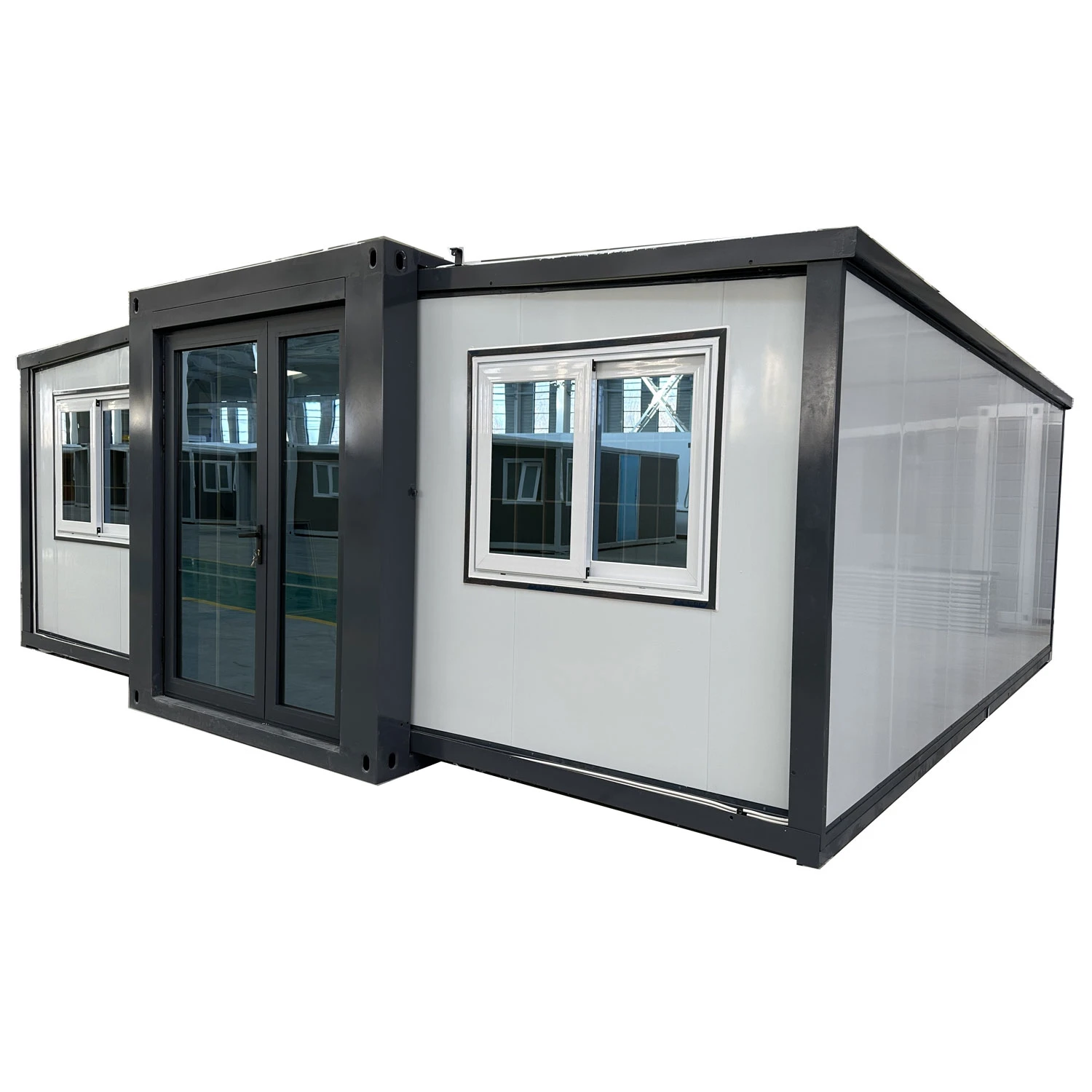
But beyond economics, h channel steel posts also address pressing issues like disaster resilience. Think about regions prone to earthquakes or hurricanes; structures must be robust enough to endure harsh stresses. These posts often form the backbone of modular shelters and industrial frameworks designed for quick assembly and enhanced stability. So, whether it's a factory in Germany or a relief camp in the Philippines, h channel steel posts are front and center.
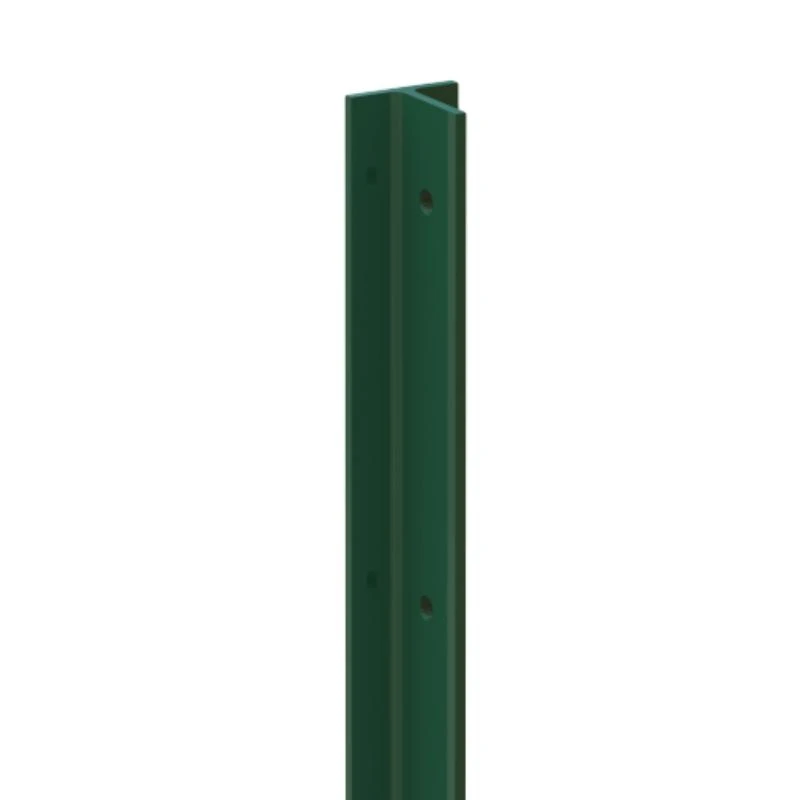
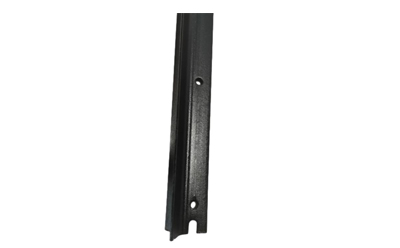
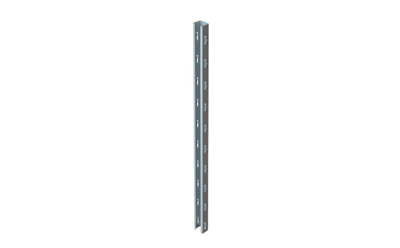
Simply put, h channel steel posts are vertical or horizontal steel beams with an ‘H’-shaped cross-section. This shape isn’t accidental—the twin flanges provide exceptional strength and load-bearing capacity, while the web (the connecting center part) resists bending and shear forces. Picture the letter “H” stretched into steel beams used as posts or supports.
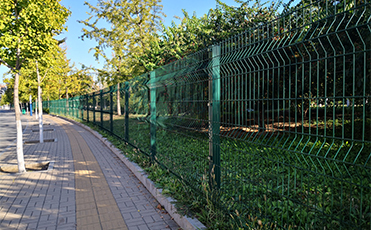
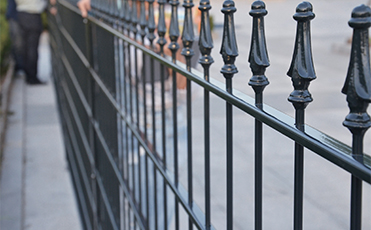
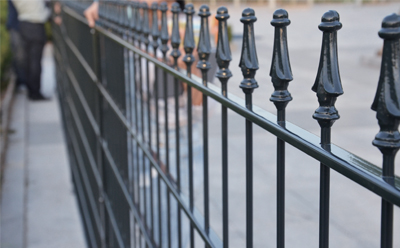
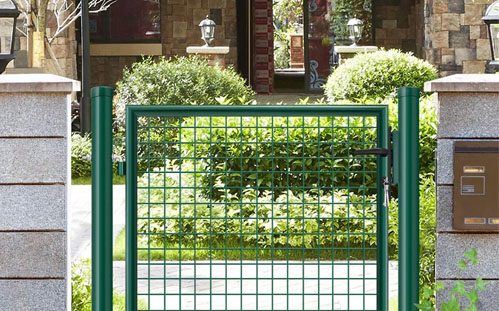
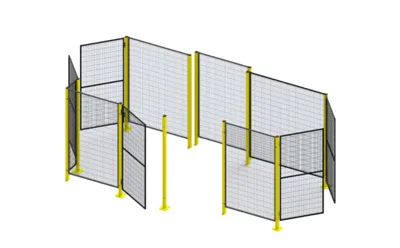
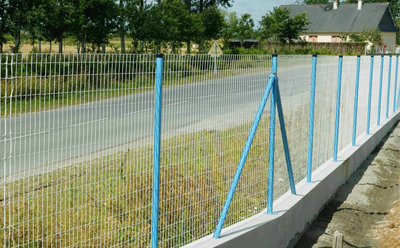
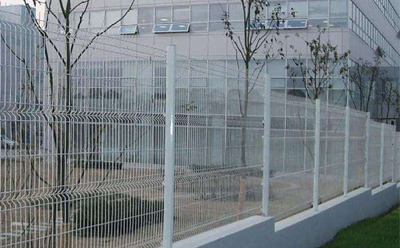
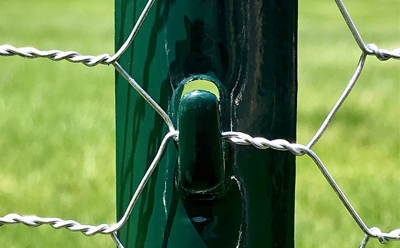
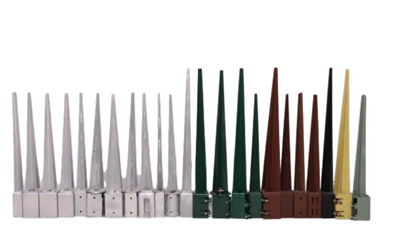
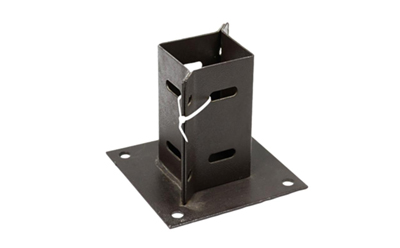
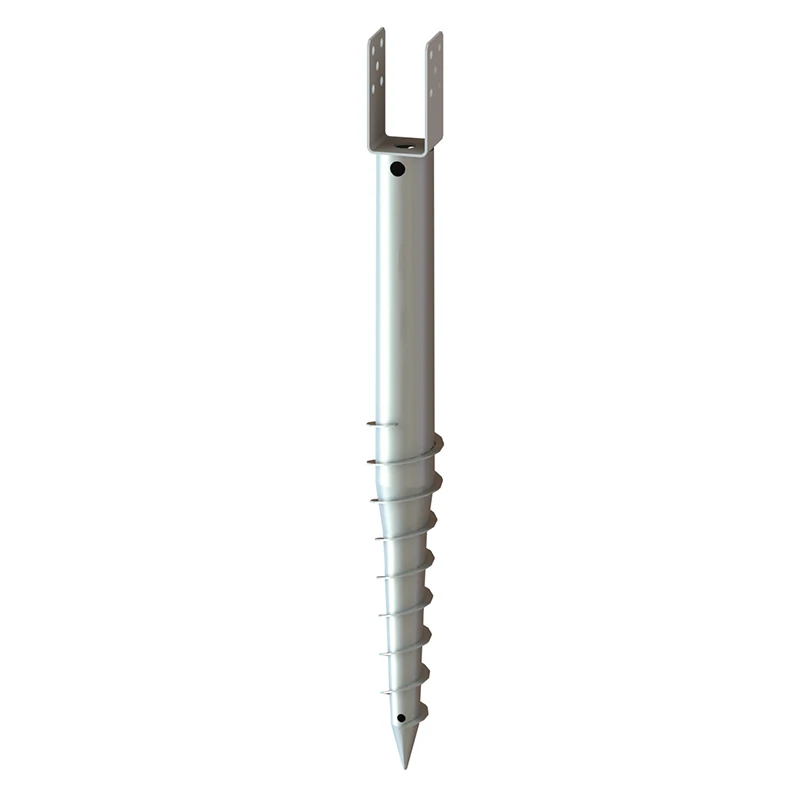
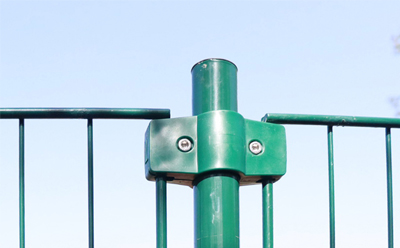
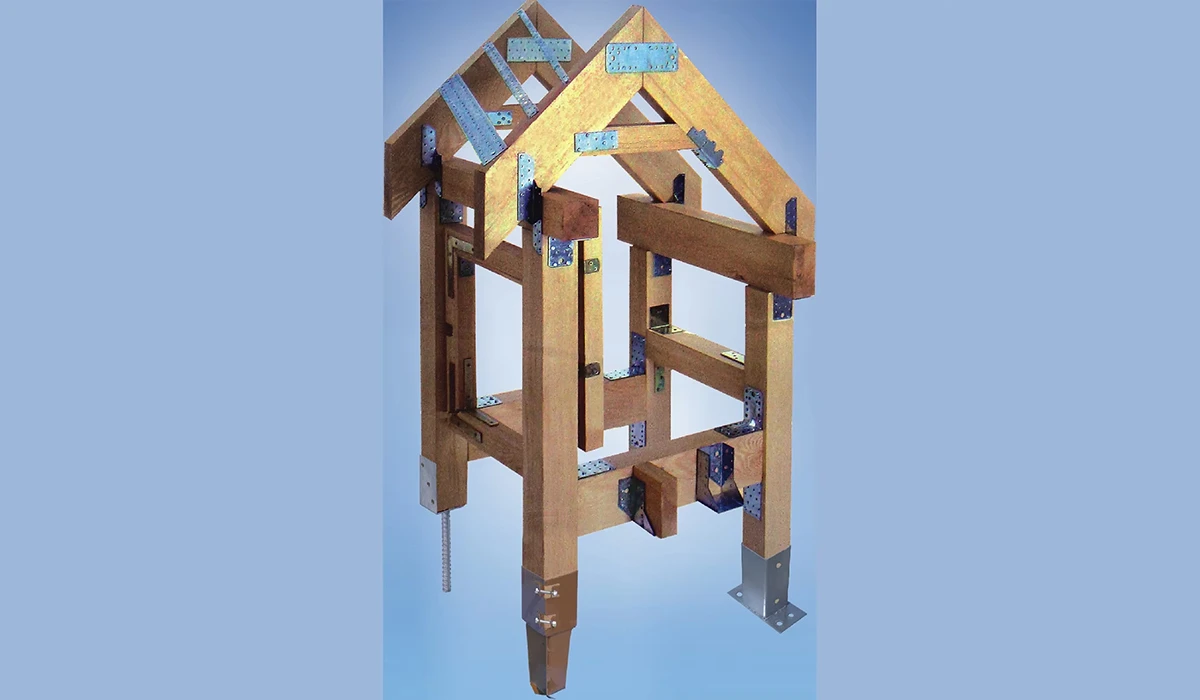
This design makes them ideal for structural applications where maintaining rigidity under load is crucial. Unlike simple rod-like posts, h channel profiles distribute forces efficiently, making structures more resilient, safer, and often lighter. They frequently appear in frameworks for buildings, bridges, gates, and fencing systems, and increasingly in modular and prefabricated construction setups.
Mini takeaways: Think of h channel steel posts as modular building blocks—strong, adaptable, and economical—in the toolkit of modern engineers and builders worldwide.
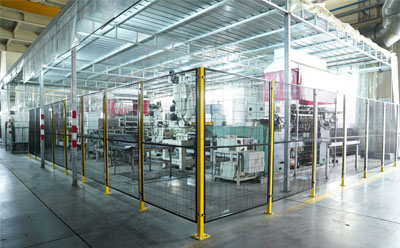
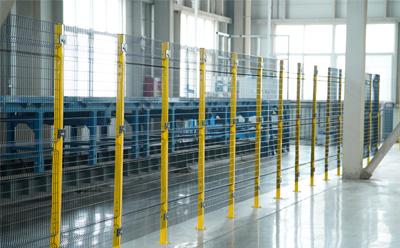
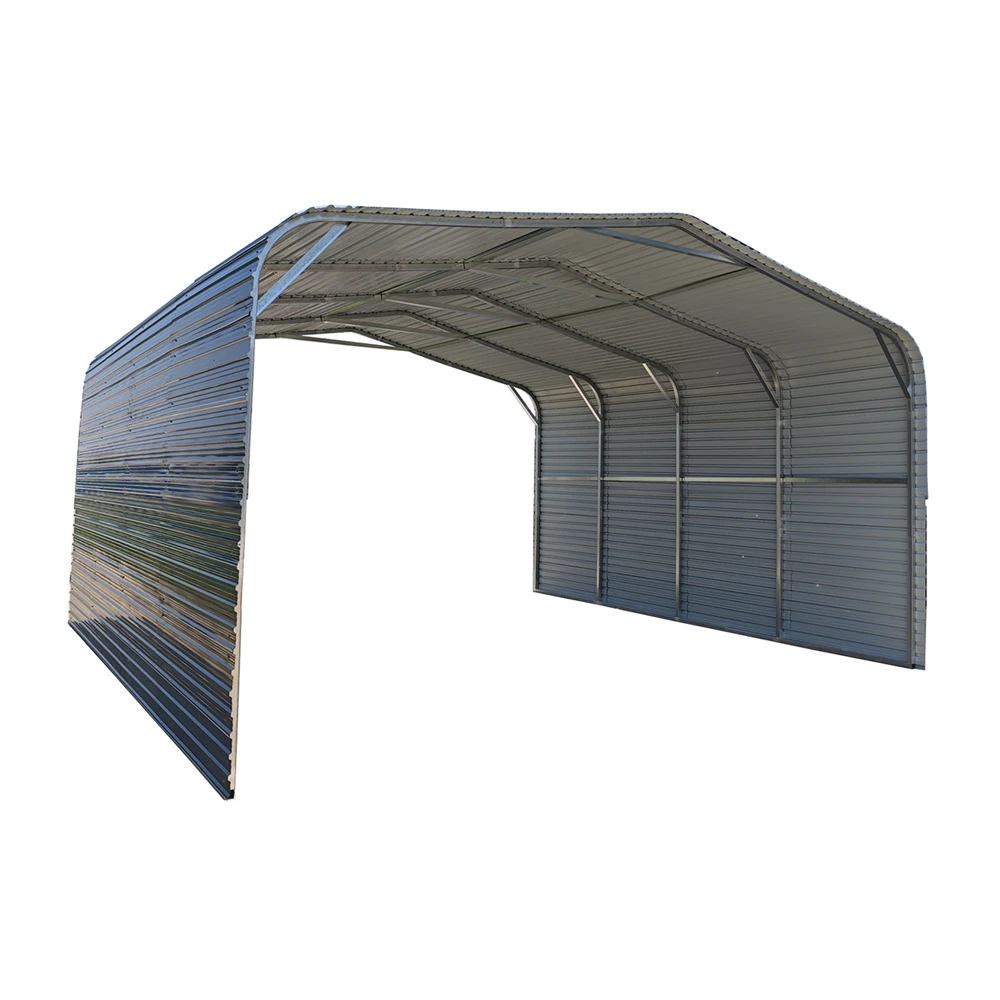
Their applications span continents and industries. In North America and Europe, they form the skeleton of industrial warehouses and commercial buildings. In Asia-Pacific, rapidly urbanizing cities use them heavily for modular housing and fencing, thanks to their quick assembly. Humanitarian organizations deploy them in disaster-stricken regions for fast-erecting shelters — think refugee camps where speed and durability matter.
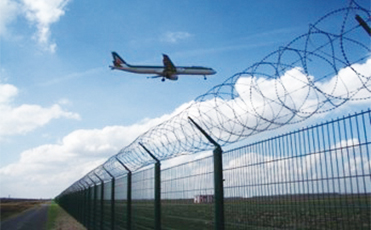
For instance, after the 2019 Cyclone Idai in Mozambique, relief agencies used h channel steel posts in temporary housing solutions to withstand severe wind loads. Similarly, mining operations in Australia rely on these posts for fencing large perimeters securely under tough conditions.
If you want to see real commercial suppliers and technical specs, check out companies offering h channel steel posts for tailored solutions.
| Specification | Value/Range |
|---|---|
| Material | Carbon Steel, Galvanized Steel |
| Grade | SS400, Q235B, ASTM A36 |
| Cross-Section Dimensions | 50x100mm to 150x300mm |
| Thickness | 3mm to 12mm |
| Length Options | 2m to 6m (customizable) |
| Surface Treatment | Hot Dip Galvanized, Powder Coated, Painted |
| Vendor | Pricing | Customization | Delivery Time | Certifications |
|---|---|---|---|---|
| Hebe Metals | Competitive (bulk discounts) | Wide (sizes, treatments) | 2-4 weeks | ISO 9001, CE |
| Global Steel Co. | Mid-range | Limited | 4-6 weeks | ISO 9001 |
| Steel Components Ltd. | Premium | Moderate | 3-5 weeks | CE Certified |
Why choose h channel steel posts over other structural options? Their advantages are pretty clear:
Emotionally, engineers often mention the peace of mind these posts provide—knowing their frameworks won’t unexpectedly fail, even under stress. Socially, their use in rapid deployment shelters aids millions in need, preserving dignity and safety during crises.
The realm of h channel steel posts is evolving, especially with smart and green tech integration. Innovations include:
One can expect that in the next decade, these posts won’t just be strong—they’ll be smarter and greener, aligning with global climate and urban resilience targets.
Of course, no product is perfect. Challenges with h channel steel posts include susceptibility to onsite damage during transport, the need for precise cutting in custom applications, and occasionally higher costs than timber or simple pipe posts in low-budget contexts.
Yet, many vendors now offer better packaging, onsite cutting services, and steel recycling programs to mitigate these issues. Training for builders on proper handling can drastically reduce damage, while innovations in modular design reduce on-site modifications. Frankly, the key is balancing upfront investment with long-term value.
Q1: What makes h channel steel posts better than round steel poles?
A1: The h channel shape distributes load forces more efficiently than round poles. This means they are less likely to bend or deform under heavy vertical or lateral pressures, offering better stability for structures like fences and frameworks.
Q2: How long do galvanized h channel steel posts last outdoors?
A2: When properly galvanized and installed, these steel posts can last 25-50 years or more, depending on environmental conditions. The zinc coating resists rust and extends the lifespan significantly compared to untreated steel.
Q3: Are h channel steel posts environmentally friendly?
A3: Yes. Steel is highly recyclable, and many manufacturers source recycled steel. Additionally, galvanizing reduces the need for frequent replacements, lowering overall material consumption.
Q4: Can these steel posts be shipped internationally for humanitarian projects?
A4: Absolutely. Many suppliers, including prominent vendors, offer export-ready options complete with customs documentation. Fast delivery logistics ensure that disaster relief efforts can deploy these posts quickly.
Q5: Can h channel steel posts be customized on-site?
A5: Yes, these posts can be drilled, cut, or welded easily on-site, allowing for rapid adjustments and fitting in diverse construction scenarios.
All things considered, h channel steel posts represent a remarkable intersection of engineering precision and practical efficiency. Their global use testifies to their reliability in everything from industrial projects to emergency shelters. If you’re looking to build structures that last, withstand environmental challenges, and offer cost-effective installation, these steel posts are definitely worth considering.
For tailored solutions and expert guidance on choosing the right h channel steel posts, visit https://www.minmetalsglobal.com and explore their comprehensive product portfolio.
Mini takeaway: The humble h channel steel post is much more than just steel—it’s the unsung hero making modern construction smarter, safer, and sustainable.
References: 1. World Bank – Urban Development Data (https://www.worldbank.org/en/topic/urbandevelopment) 2. ISO 14001 Environmental Management (https://www.iso.org/iso-14001-environmental-management.html) 3. Wikipedia – Structural Steel Shapes (https://en.wikipedia.org/wiki/Structural_steel)



Copyright © 2026 Hebei Minmetals Co., Ltd. All Rights Reserved. Sitemap | Privacy Policy | Top Blog | Top Topic丨Menu