















Gardening is not only about choosing beautiful flowers and healthy plants; it is also about creating the right environment for plants to grow naturally. Climbing plants, vines, flowering plants, herbs, and decorative foliage often need additional support to grow upward instead of spreading across the ground. This is where a flower pot trellis becomes an important gardening accessory.
A flower pot trellis is a compact support structure designed to be placed inside or around a plant container. It provides climbing plants with a framework that they can attach to as they grow. Depending on the design, a trellis may be made from metal, wood, bamboo, plastic, or other durable materials. Different shapes and sizes are available to suit indoor plants, balconies, patios, gardens, greenhouses, and other growing environments.
Compared with large garden trellises, container trellises are designed specifically for limited spaces. They can help gardeners make better use of vertical space while creating an attractive display. A carefully selected trellis can also improve air circulation, organize plant growth, and prevent vines from becoming tangled.

Selecting the right trellis for potted plants depends on several factors, including plant type, pot size, available space, material, and expected plant growth. A small decorative plant may only need a short support, while vigorous climbing plants may require a taller and stronger structure.
One of the first considerations is the size of the container. The trellis should be proportional to the pot. A structure that is too large can make a small container unstable, while one that is too small may not provide enough support as the plant develops. Ideally, the trellis should be securely positioned in the pot without damaging the plant's roots.
Material is another important factor. Metal trellises are popular because they can provide good strength and durability. Powder-coated or treated metal may offer additional resistance to moisture and outdoor conditions. Wooden and bamboo trellises create a natural appearance and can complement traditional garden designs. Plastic models are generally lightweight and easy to handle, making them suitable for indoor plants and small containers.
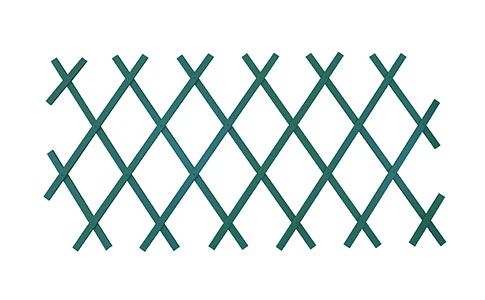
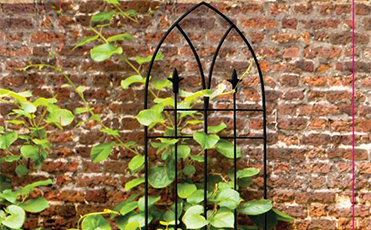
The shape of the trellis also affects how a plant grows. Grid-style structures provide multiple attachment points for vines, while ladder-style designs encourage upward growth. Curved and decorative designs can add visual interest to flower pots and become part of the overall garden decoration.
A trellis for potted plants can be especially useful for plants such as clematis, morning glory, jasmine, ivy, sweet peas, miniature roses, and certain types of tomatoes and beans. However, different plants have different climbing habits. Some wrap themselves around supports, some use tendrils, and others require gentle tying. Understanding the plant's growth characteristics helps gardeners choose an appropriate trellis design.
Another advantage is space efficiency. In apartments, balconies, patios, and small gardens, horizontal space can be limited. A vertical trellis allows plants to grow upward, creating a layered and visually appealing garden without requiring a large footprint.
For small containers and compact plants, a mini trellis for potted plants can provide the perfect combination of support and decoration. Mini trellises are usually lightweight and compact, making them easy to install in flower pots, herb containers, desktop planters, window boxes, and balcony gardens.
Small trellises are particularly useful for indoor gardening. Plants placed near windows often grow toward available light and may become uneven or weak. A small support structure can help guide their growth and keep stems organized. It can also prevent delicate vines from falling onto surrounding surfaces.
When selecting a small trellis for potted plants, gardeners should consider both the current size and future growth of the plant. A trellis that looks perfectly sized when installed may become inadequate as the plant develops. Choosing a slightly larger structure can sometimes provide better long-term support, provided that it remains stable in the container.
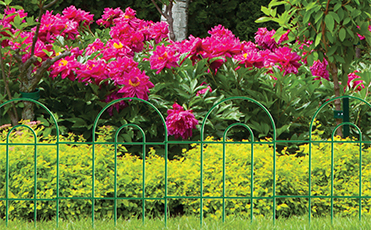
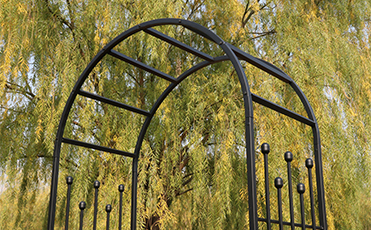
Mini trellises can also be used for decorative purposes. A simple geometric metal design can give a modern planter a clean appearance, while an arched or heart-shaped trellis can create a more traditional garden aesthetic. When combined with colorful flowers and attractive containers, the trellis becomes part of the visual presentation rather than merely a functional support.
Another benefit is easy maintenance. When vines grow through a compact trellis, they can be easier to organize and inspect. Gardeners can guide new shoots through the openings, remove damaged growth, and trim excessive vines when necessary. This can make routine plant care more manageable.
For balcony gardeners, compact trellises can also provide a subtle sense of separation. Several potted plants arranged with trellises can create a green vertical screen without requiring a permanent structure. This approach is useful for renters or people who frequently change their outdoor arrangements.
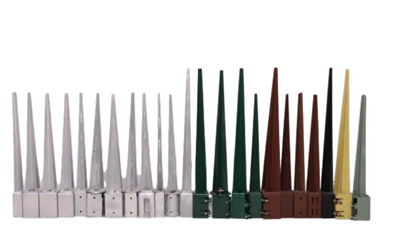
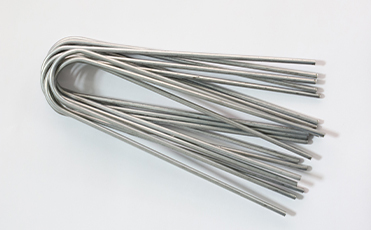
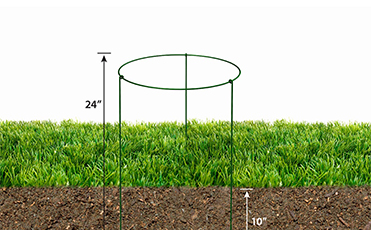
The installation process is generally straightforward. Many mini trellises have pointed ends that can be inserted directly into potting soil. Others may attach to the edge or exterior of a planter. Regardless of the design, the support should be positioned carefully to avoid damaging major roots. For taller plants, deeper insertion and a stable pot can help prevent the entire arrangement from tipping.
A pot trellis for climbing plants is particularly valuable when growing plants that naturally prefer vertical support. Climbing plants can become difficult to manage if their stems are left unsupported. They may spread across nearby furniture, paths, or other plants. A suitable trellis gives them a defined growing direction and helps create a more organized container garden.
When choosing a trellis, gardeners should first consider the plant's mature size. Fast-growing vines may quickly outgrow a very small structure, so taller or expandable models can be a better investment. For slower-growing decorative plants, a compact trellis may be sufficient.
Strength is equally important. A climbing plant becomes heavier as its leaves, stems, flowers, and fruit develop. The trellis therefore needs to support not only the plant itself but also the additional weight created during growth. The pot should also be heavy or stable enough to support the complete structure.
For flowering plants, a trellis can help display blooms at different heights. Instead of allowing flowers to spread outward, gardeners can guide stems upward and across the support. This can create a fuller and more three-dimensional appearance.
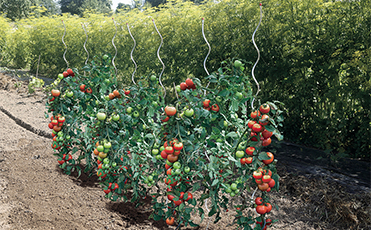
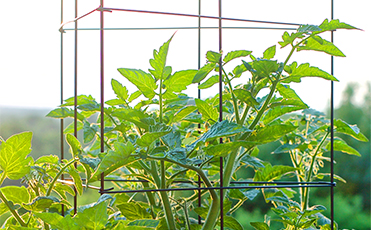
Container trellises are also useful for edible plants. Compact beans, peas, cucumbers, and certain tomato varieties can benefit from vertical support. Growing upward can help save garden space and make harvesting easier. However, the trellis should be selected according to the plant's weight and growth pattern.
Regular training is an important part of using a trellis successfully. Young shoots can be gently guided toward the structure and secured with soft plant ties when necessary. Avoid tying stems too tightly, because stems naturally expand as they grow. Regular inspection allows gardeners to adjust ties and redirect new growth.
Watering and fertilizing should also be considered. A dense climbing plant can shade the soil surface, making it more difficult to judge moisture levels. Gardeners should check the soil directly and follow the watering requirements of the specific plant. Good drainage is equally important, particularly when containers are placed outdoors.
Ultimately, the best trellis is one that balances functionality, durability, size, and appearance. Whether you need a decorative flower pot trellis, a mini trellis for potted plants, or a stronger pot trellis for climbing plants, the right design can make container gardening more efficient and attractive.
Vertical gardening continues to grow in popularity because it allows people to enjoy plants even when they have limited outdoor space. Apartments, balconies, patios, windowsills, and small yards can all benefit from compact climbing supports. With the right container, plant, and trellis combination, gardeners can transform ordinary pots into attractive vertical displays.
A quality small trellis for potted plants is therefore more than a simple gardening accessory. It provides structure, encourages healthy growth, improves plant presentation, and helps gardeners make better use of limited space. By choosing a trellis that matches the plant's growth habit and the container's size, anyone can create a practical and beautiful vertical garden.



Copyright © 2026 Hebei Minmetals Co., Ltd. All Rights Reserved. Sitemap | Privacy Policy | Top Blog | Top Topic丨Menu