





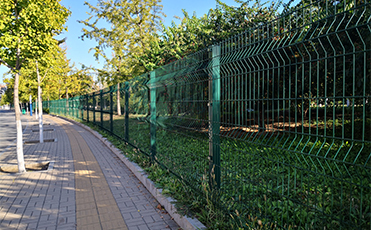
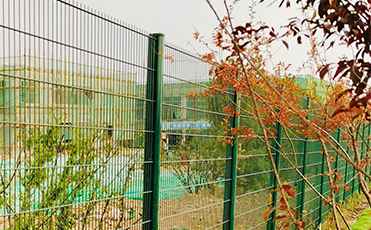
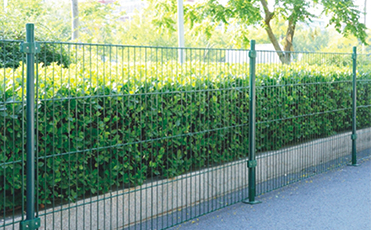
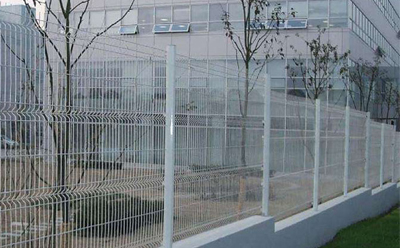
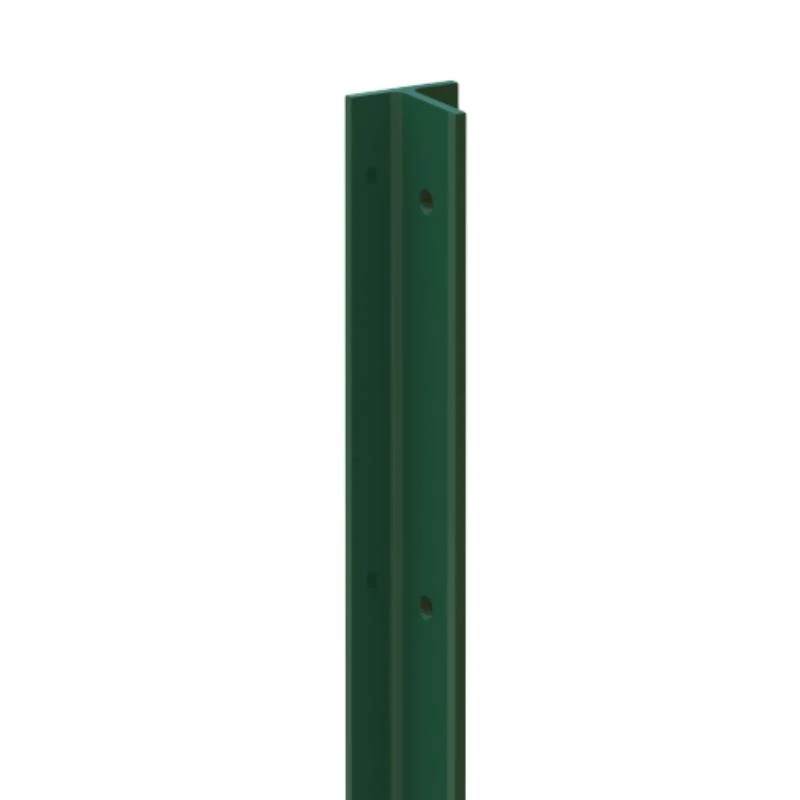
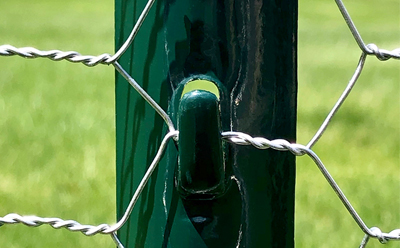
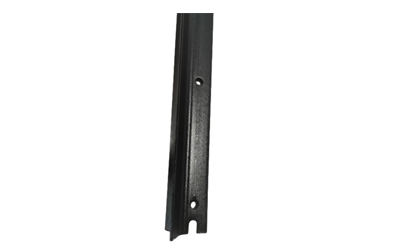
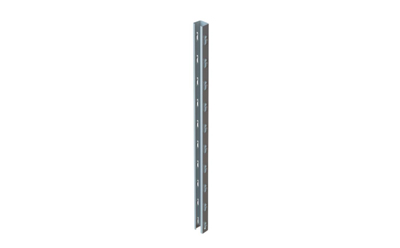
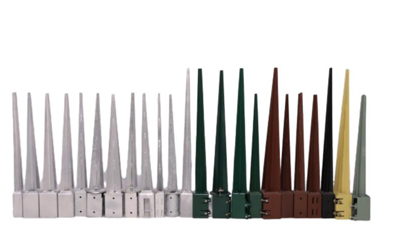
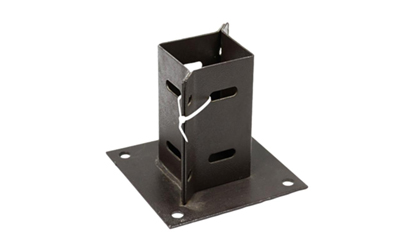
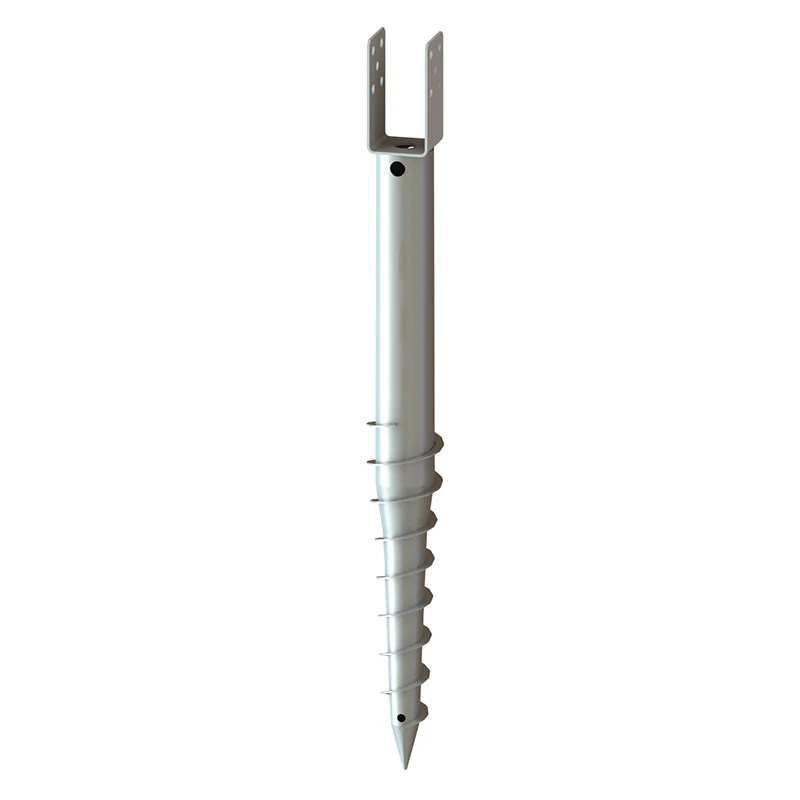
















When designing a secure perimeter, the structural integrity of your boundary depends heavily on the quality of your supports. A flat metal fence post offers a streamlined, modern alternative to traditional round or square tubes, providing exceptional stability and ease of installation. Whether you are securing an industrial site, a commercial property, or a residential garden, selecting the correct material and profile is essential for long-term durability. In this guide, we will explore the technical advantages, material specifications, and practical applications of flat-profile metal posts to help you make an informed procurement decision.
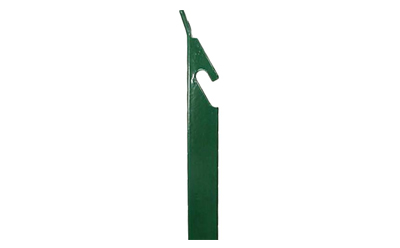
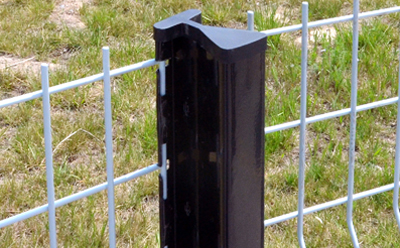
The primary appeal of the flat metal fence post lies in its unique geometry. Unlike cylindrical posts, the flat surface provides a superior mounting area for fence panels, reducing the need for complex brackets and fasteners. This design significantly minimizes the "wind sail" effect in high-exposure areas, as the slim profile allows air to flow more efficiently around the structure. Furthermore, the use of high-grade steel or aluminum ensures that the posts can withstand significant lateral pressure without bending, making them ideal for high-security applications where rigidity is non-negotiable.
Pro Tip: For maximum longevity, always ensure your posts are hot-dip galvanized. This process creates a metallurgical bond between the zinc and the steel, offering decades of protection against rust and oxidation in humid climates.
Choosing between steel and aluminum for your flat metal fence post depends on your specific project requirements. Steel is the gold standard for strength and security, often used in industrial fencing. Aluminum, on the other hand, is prized for its lightweight nature and inherent corrosion resistance, making it a favorite for coastal regions. While steel requires coating to prevent rust, its sheer mass provides a level of impact resistance that aluminum cannot match. Understanding these trade-offs is key to balancing your budget with the necessary performance specs.
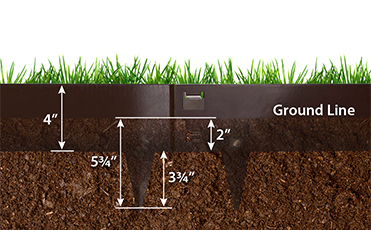
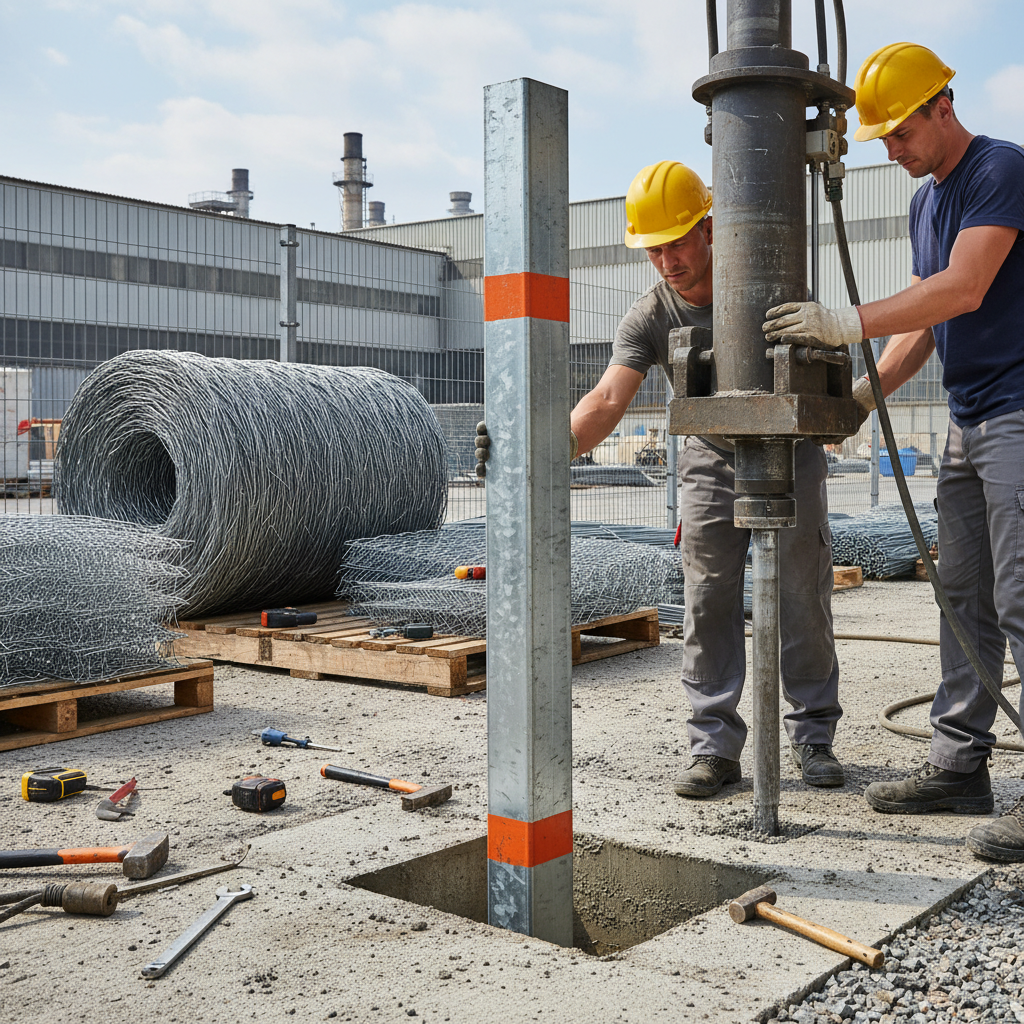
Proper installation is the difference between a fence that lasts 50 years and one that leans after the first winter. When installing a flat metal fence post, precision in the footing is critical. We recommend using a concrete base that extends at least 24 inches below the frost line to prevent "heaving." Because the post is flat, ensure that the post is perfectly squared with the fence line during the pouring process. Using a laser level helps maintain a consistent height across long distances, ensuring that your fence panels sit flush against the metal surface without gaps.
To help engineers and procurement officers, it is vital to understand the technical tolerances and sizing available for the flat metal fence post. Most industry-standard posts are manufactured using cold-rolled steel for precision or hot-rolled for heavy-duty utility. Below is a specification table outlining the most common configurations provided by global suppliers to meet international building codes.
In the modern construction landscape, sustainability is just as important as strength. The flat metal fence post is an inherently eco-friendly choice because metal is 100% recyclable. By opting for high-quality, durable metal over treated wood, you eliminate the need for chemical preservatives (like CCA) that can leach into the soil. Furthermore, the efficiency of the flat design often requires less raw material than bulky square posts while providing equivalent structural support, reducing the overall carbon footprint of the manufacturing process.
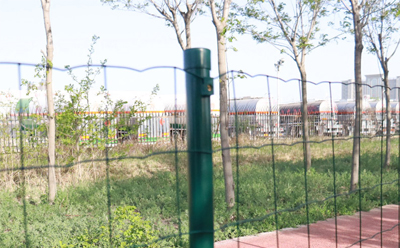
Aesthetics play a huge role in modern property value. The flat profile of these posts allows for seamless integration with a variety of cladding materials, including composite wood, glass, and perforated metal sheets. Many clients choose powder coating to match the flat metal fence post to their building's color palette. From matte black for industrial-chic looks to slate grey for corporate environments, the versatility of the flat surface ensures a clean, professional finish that is far more visually appealing than dated round-pole designs.
Investing in a high-quality flat metal fence post is a strategic decision that combines engineering excellence with architectural beauty. By focusing on material grade, precise installation, and protective coatings, you ensure a boundary that is not only secure but also sustainable. Whether your priority is maximum security or modern aesthetics, the flat metal profile provides the versatility and strength needed for any global project. Trust professional metal solutions to safeguard your assets for years to come.
A flat metal post provides a wider, flatter surface area for attaching fence panels, which simplifies the fastening process and creates a tighter seal against the post. This eliminates the need for additional mounting brackets required by square or round posts. Additionally, the slim profile is more aesthetically modern and offers better wind resistance in exposed areas, reducing the overall stress on the foundation over time.
The most effective way to prevent rust is through Hot-Dip Galvanization (HDG), where the steel is submerged in molten zinc to create a protective layer. For additional protection or aesthetic needs, powder coating can be applied over the galvanized layer. This "duplex system" provides a double barrier against moisture and salt, which is essential for fences installed in coastal or industrial environments where corrosive elements are prevalent.
Absolutely. When specified with a thicker gauge of steel (e.g., 4mm to 6mm), a flat metal fence post is exceptionally rigid. They are frequently used in industrial perimeters to support heavy mesh or palisade panels. The key to security is the combination of material thickness and the depth of the concrete footer, ensuring the post cannot be easily shifted or compromised by external force.
Under normal atmospheric conditions, a high-quality hot-dip galvanized steel post can last between 30 to 50 years without significant corrosion. In highly corrosive environments, such as near the ocean or chemical plants, this may decrease to 20-30 years. Regular inspections and occasional touch-ups with cold-galvanizing spray on any scratched areas can further extend the lifespan of your fencing system.



Copyright © 2026 Hebei Minmetals Co., Ltd. All Rights Reserved. Sitemap | Privacy Policy | Top Blog丨Menu