


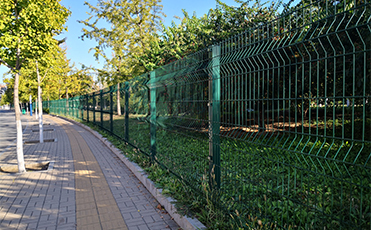
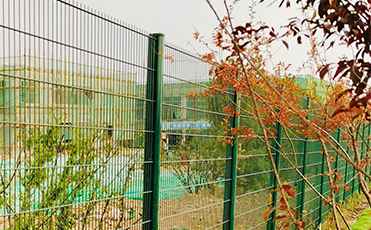
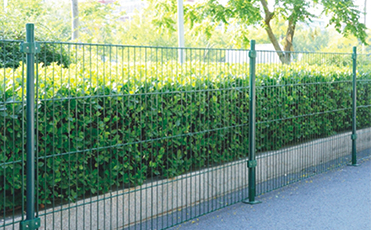
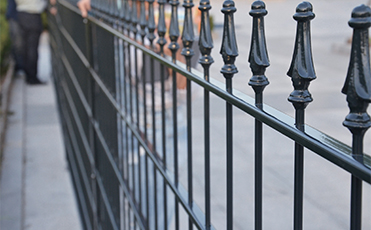
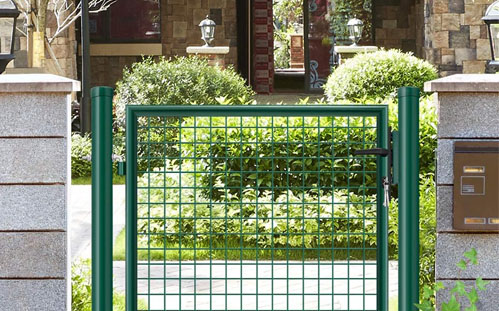
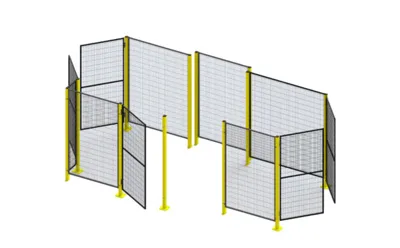
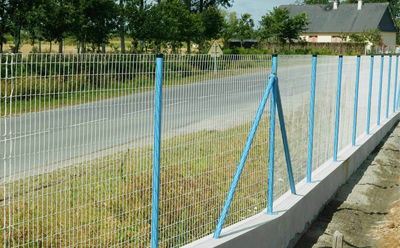
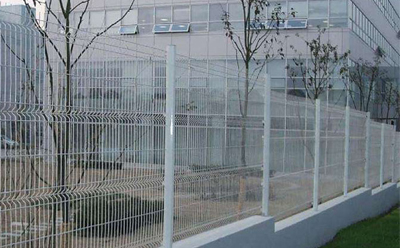
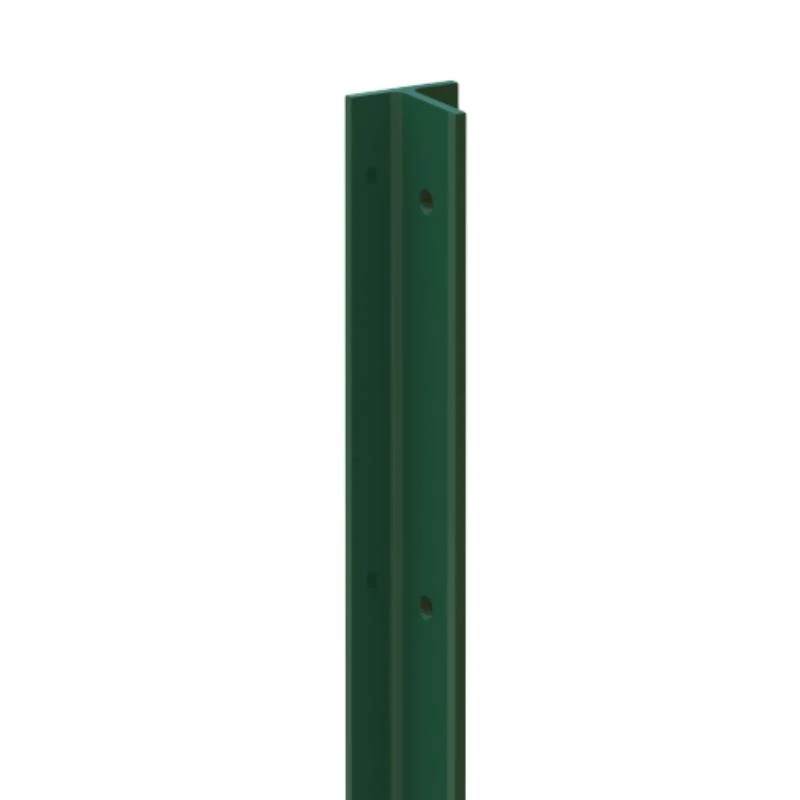
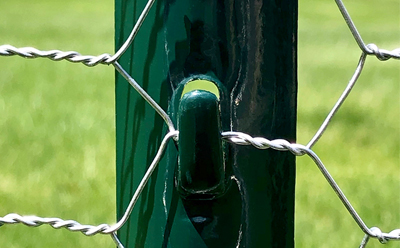
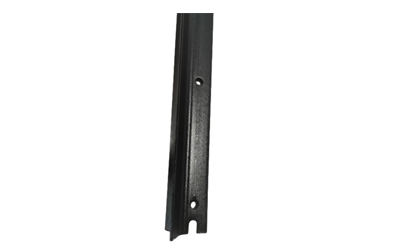
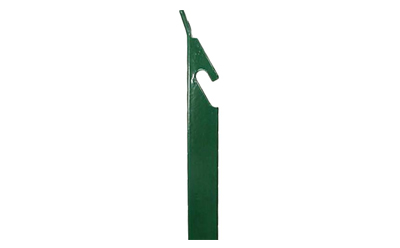
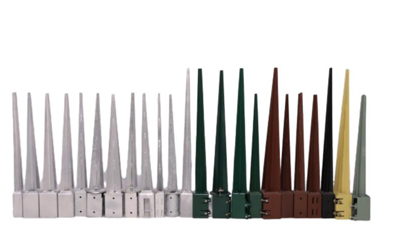
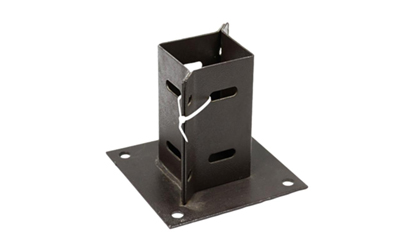
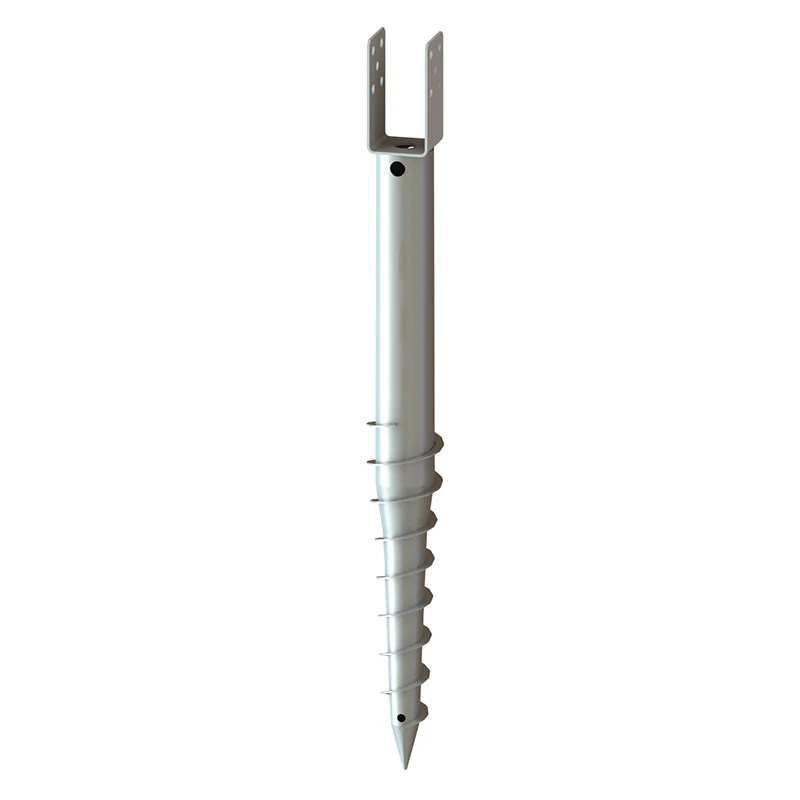
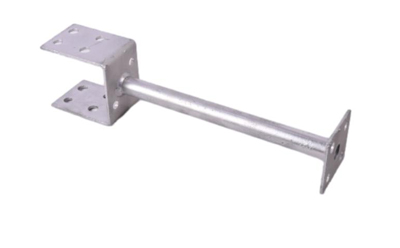













When securing a perimeter, the strength of your boundary is only as reliable as its foundation. Choosing the right fence gate metal posts is critical to ensure that your gates swing smoothly and remain upright under pressure. Whether you are securing an industrial warehouse, a residential garden, or a commercial facility, the structural integrity of the post determines the lifespan of the entire fencing system. In this guide, we will explore the various materials, specifications, and installation tips to help you make an informed decision for your next project.
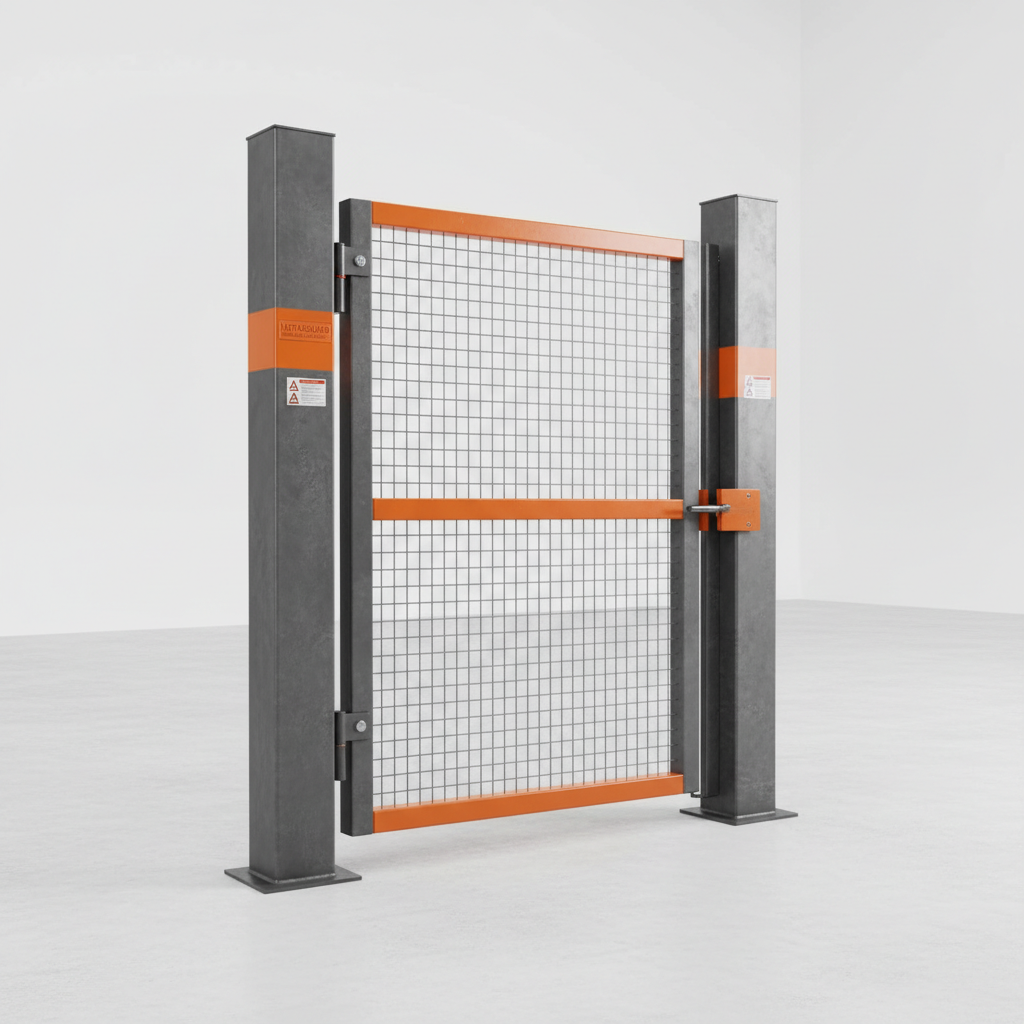
Not all metals are created equal when it comes to supporting a heavy gate. The primary challenge for fence gate metal posts is resisting the constant torque and tension exerted by the gate's weight. Galvanized steel is the industry standard due to its exceptional strength and resistance to rust. For environments exposed to salt spray or extreme humidity, stainless steel or aluminum might be preferred, although they offer different trade-offs in terms of cost and structural rigidity. Understanding these material properties ensures your installation won't sag or lean after a few seasons of use.
Pro Tip: Always verify the gauge (thickness) of the metal. A thicker wall provides better weldability and prevents the post from bending under the weight of heavy-duty industrial gates.
Depending on the gate design—be it a sliding gate, a swing gate, or a pedestrian entrance—the requirements for the posts will vary. Square posts provide a modern look and easier mounting for brackets, while round posts are often preferred for their aerodynamic properties in high-wind areas and classic aesthetics. When selecting fence gate metal posts, it is essential to compare the performance of different profiles to match your specific security and design needs.
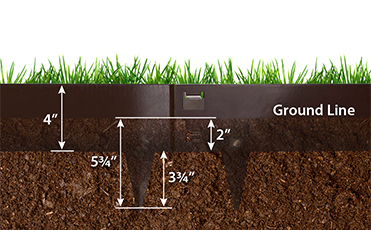
Even the highest quality fence gate metal posts will fail if they are not installed correctly. The most critical part of the installation is the concrete footing. A general rule of thumb is that one-third of the post should be embedded in the ground, surrounded by a concrete base to prevent shifting. Ensuring the post is perfectly plumb is essential; even a slight lean can cause the gate to swing open or shut on its own, putting undue stress on the hinges and the metal itself.
To extend the life of your investment, a regular maintenance schedule is required. For galvanized fence gate metal posts, check for any scratches or chips in the zinc coating, as these can become entry points for rust. Touch up these areas with cold-galvanizing spray. For painted posts, a fresh coat of weather-resistant paint every few years will protect the metal from oxidation. Additionally, lubricating the hinge points where the post meets the gate will prevent friction-induced wear and tear on the metal surfaces.
Maintenance Checklist:
• Inspect for rust or corrosion every 6 months
• Lubricate hinge bolts and pivots
• Check concrete base for cracking or shifting
• Re-apply protective coatings as needed
When ordering fence gate metal posts from a global supplier, it is important to understand the technical specifications to ensure compatibility with your hardware. The wall thickness, overall height, and surface finish are the three most critical metrics. Below is a standard specification table for common industrial-grade gate posts used in various security applications.
Selecting the right fence gate metal posts is the difference between a gate that lasts decades and one that fails within years. By prioritizing material strength, ensuring precise installation, and committing to a simple maintenance routine, you can create a secure and aesthetically pleasing boundary. Whether for home or business, investing in professional-grade metal components is a strategic move for long-term durability and safety. Trust in quality materials to keep your property protected.
Determining the correct size depends on the weight and width of the gate. As a general rule, the wider the gate, the more leverage it applies to the post, requiring a larger diameter and thicker wall. For a standard residential pedestrian gate, a 50-75mm post is usually sufficient. However, for large double-driveway gates, 100mm to 150mm posts are recommended to prevent leaning. We always suggest calculating the total weight of the gate including hardware and adding a 20% safety margin when selecting your post specifications to ensure long-term stability.
Hot-dip galvanizing provides superior corrosion protection because the metal is submerged in molten zinc, creating a metallurgical bond that protects the steel from the inside out. Powder coating is essentially a high-quality paint that offers excellent color options and a smooth finish but can chip or peel over time. For maximum longevity in harsh environments, the best approach is "duplexing"—applying a powder coating over a hot-dip galvanized post. This combines the unrivaled rust protection of galvanization with the aesthetic versatility of powder coating.
The depth of the post depends on your local frost line and the weight of the gate. Generally, the post should be buried at least 24 to 36 inches deep. In regions with deep frost, you must bury the post below the frost line to prevent "frost heave," where freezing water pushes the post upward. For heavy industrial gates, a deeper footing (up to 48 inches) with a wider concrete base is necessary to distribute the load and prevent the post from tilting over time under the constant stress of the swinging gate.
Aluminum is excellent for rust resistance and lightweight applications, but it lacks the tensile strength of steel. For a heavy security gate, aluminum posts are generally not recommended unless they are exceptionally thick-walled and reinforced. Steel is the far superior choice for security and high-traffic gates because it can withstand significantly higher impact forces and the constant torque of heavy hinges without warping. If you desire the look of aluminum but need the strength of steel, consider galvanized steel posts with a high-quality architectural coating.



Copyright © 2026 Hebei Minmetals Co., Ltd. All Rights Reserved. Sitemap | Privacy Policy | Top Blog丨Menu