




















News

Heavy-Duty Bolt Down Anchor for Secure Post & Base Support

Sep . 23, 2025 10:30

The Critical Role of Bolt Down Anchors in Modern Construction

In the realm of structural integrity and robust construction, the bolt down anchor stands as a foundational component. These essential fixings are engineered to provide secure, stable connections for various structures, ranging from critical infrastructure to industrial installations. Ensuring the stability of posts, columns, and other vertical elements against both static and dynamic loads is paramount in diverse engineering applications. This comprehensive guide delves into the technical intricacies, application versatility, and strategic advantages of advanced bolt down anchor systems, catering specifically to B2B decision-makers and technical professionals seeking unparalleled reliability and performance.

Modern construction demands not only strength but also precision and longevity. The evolution of anchor technology, particularly the bolt down anchor, reflects these demands, offering superior resistance to uplift, shear, and compressive forces. Our discussion will cover industry trends, detailed technical specifications, varied application scenarios, and the tangible benefits derived from deploying high-quality anchoring solutions.

Current Industry Trends in Post Support Systems

The construction and industrial sectors are continually evolving, driven by stricter safety regulations, enhanced performance expectations, and a push towards sustainable practices. For post support systems like the bolt down anchor, key trends include:
  • High-Performance Materials: Increasing adoption of galvanized steel, stainless steel, and even advanced alloys to combat corrosion and enhance load-bearing capacities, especially in harsh environments.
  • Precision Engineering: Greater emphasis on CNC machining and advanced manufacturing techniques to achieve tighter tolerances and superior fit, reducing installation errors and improving overall structural integrity.
  • Sustainability: Manufacturers are exploring processes that minimize waste, utilize recycled materials where feasible, and produce components with extended service lives, thereby reducing the environmental footprint.
  • Smart Integration: Emerging trends include anchors designed for smart infrastructure, potentially incorporating sensors for load monitoring or structural health assessment in critical applications.
  • Modular and Adaptable Designs: A move towards more versatile designs that can accommodate various post dimensions and substrate types, simplifying procurement and reducing on-site customization needs.
Heavy-Duty Bolt Down Anchor for Secure Post & Base Support

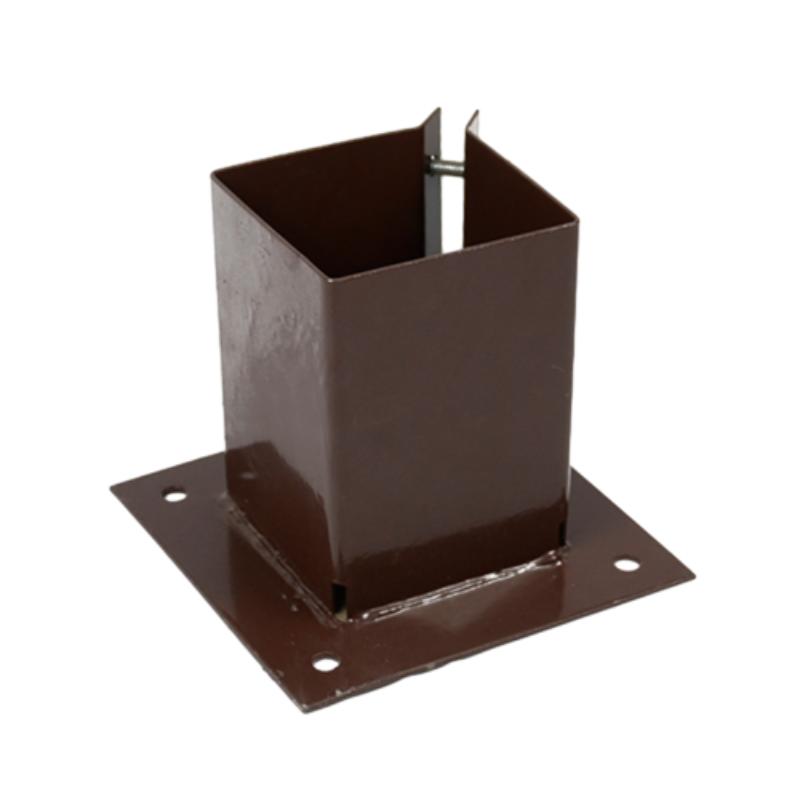
Figure 1: High-strength bolt down anchor designed for robust structural support.

Technical Specifications and Design Principles

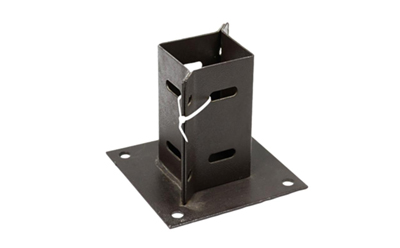
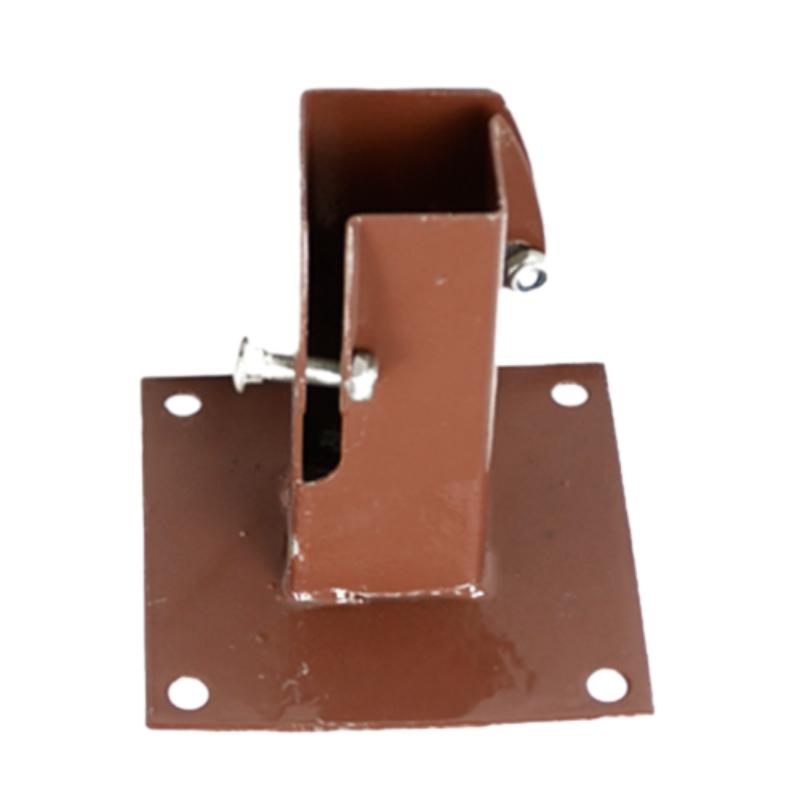
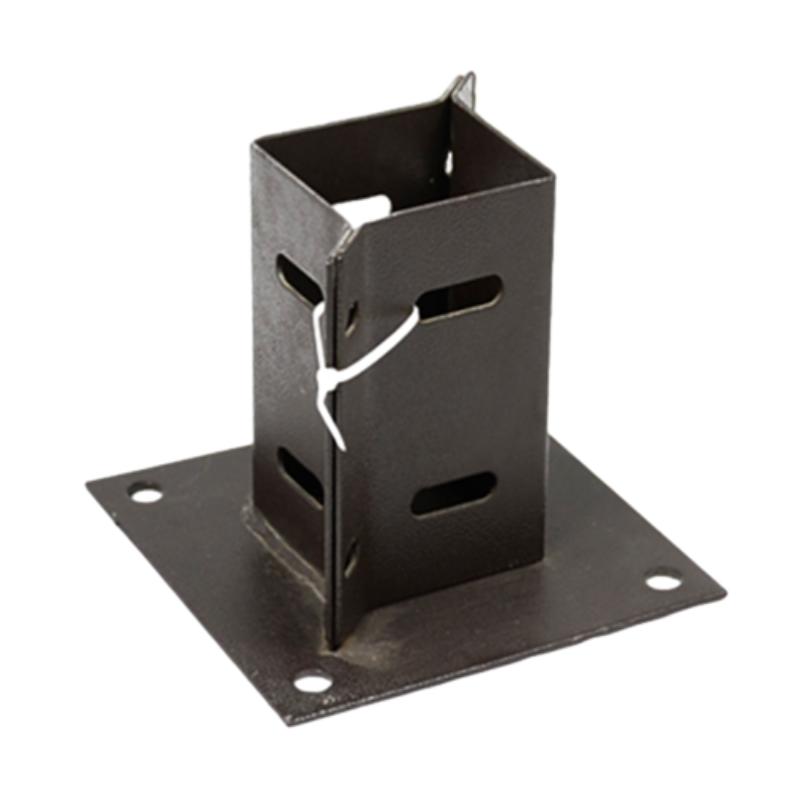
The efficacy of any post base bolt down solution hinges on its adherence to stringent technical specifications. A typical bolt down anchor comprises a robust base plate, often with a central upright section or saddle for post insertion, and pre-drilled holes for anchoring to the substrate. Key parameters include:

  • Material Composition: High-grade carbon steel (e.g., S235JR, A36), stainless steel (e.g., 304, 316), or ductile iron, selected for strength and corrosion resistance.
  • Surface Finish: Hot-dip galvanization (HDG) to ISO 1461 standards provides excellent corrosion protection, electro-galvanization, powder coating, or raw finish for specific applications.
  • Base Plate Dimensions: Thickness (typically 4-10mm), width, and length, dictated by the load requirements and post size.
  • Anchor Hole Diameter & Quantity: Sized for standard anchor bolts (e.g., M10, M12, M16) to ensure optimal pull-out and shear resistance.
  • Load Capacity: Critical for engineers, specified in terms of shear strength (kN) and tensile (uplift) strength (kN), determined through rigorous testing.
  • Compatibility: Designed for various post materials such as timber, composite, or steel, and compatible with concrete, masonry, or timber substrates.

Typical Bolt Down Anchor Specifications

Parameter Specification Range Notes
Material Grade S235JR, S355JR, AISI 304/316 Choice based on environmental exposure and load.
Surface Treatment Hot-dip Galvanized (≥60µm), Electro-galvanized (≥8µm) HDG for outdoor/corrosive; EG for milder conditions.
Base Plate Thickness 4mm - 10mm Critical for distributing load effectively.
Post Opening (Internal) 50x50mm to 150x150mm Accommodates various timber/steel post sizes.
Anchor Bolt Holes Ø11mm, Ø13mm, Ø17mm (4-8 holes) For M10, M12, M16 anchor bolts.
Ultimate Shear Load (typical) 8 kN - 25 kN Varies significantly with base plate size and bolt count.
Ultimate Tensile Load (typical) 5 kN - 20 kN Uplift resistance, crucial for wind and seismic zones.
Service Life (HDG) 20-50+ years Depending on atmospheric corrosivity and coating thickness.

Manufacturing Process Flow for Bolt Down Anchors

The production of high-quality bolt down anchor systems involves a meticulously controlled multi-stage process, integrating advanced metallurgy and precision engineering. Our commitment to ISO 9001 standards ensures consistency and superior performance at every step.
Schematic Process Steps:

  1. Material Selection & Sourcing: High-grade steel sheets (e.g., S235JR or equivalent) are carefully selected, ensuring chemical composition and mechanical properties meet international standards (e.g., ASTM A36/A570 Grade 36). Each batch is traceable.
  2. Cutting & Shaping: Precision laser cutting or plasma cutting machines are used to shape the base plates and upright sections from the steel sheets. This minimizes material waste and ensures accurate dimensions.
  3. Forming & Bending: Hydraulic press brakes precisely bend the cut steel components to create the desired profile, ensuring critical angles and dimensions for post integration.
  4. Hole Punching/Drilling: Anchor bolt holes are punched or drilled with high precision using CNC machinery. This guarantees exact positioning and diameter for seamless integration with anchor bolts.
  5. Welding: Components are fusion welded (e.g., MIG/MAG welding) to form the complete anchor structure. Skilled welders follow WPS (Welding Procedure Specification) and PQR (Procedure Qualification Record), ensuring robust joints. Non-destructive testing (NDT) like ultrasonic or dye penetrant inspection may be applied for critical welds.
  6. Surface Preparation: The fabricated anchors undergo thorough cleaning, degreasing, and shot blasting to remove scale and impurities, creating an optimal surface profile for subsequent protective coatings.
  7. Hot-Dip Galvanization (HDG): Anchors are immersed in molten zinc at approximately 450°C. This forms a metallurgically bonded, multi-layered zinc coating (typically 60-100µm thickness, meeting ISO 1461/ASTM A123 standards) that provides superior corrosion resistance.
  8. Quality Control & Testing: Post-galvanization, each anchor undergoes visual inspection, coating thickness measurement, and dimensional checks. Destructive testing (e.g., load testing, pull-out tests) is performed on samples to validate ultimate and yield strength, ensuring compliance with relevant standards like ANSI/AISC 360 or Eurocode 3.
  9. Packaging & Dispatch: Finished products are securely packaged to prevent damage during transit and prepared for worldwide distribution.
Heavy-Duty Bolt Down Anchor for Secure Post & Base Support

Figure 2: Illustrating the precision welding stage in anchor manufacturing.

This stringent process ensures a service life often exceeding 20-50 years in typical atmospheric conditions, showcasing exceptional durability and resistance to harsh environmental factors, making them ideal for target industries such as petrochemical, metallurgy, and water supply & drainage, where corrosion resistance and long-term stability are paramount.

Application Scenarios and Industry Use Cases

The versatility of the bolt down anchor makes it indispensable across a spectrum of industrial and civil engineering applications. Its ability to create robust, non-invasive connections to concrete or other solid bases is critical for structural stability.
  • Commercial & Industrial Buildings: Securing structural steel columns, machinery bases, racking systems, and perimeter fencing within warehouses, factories, and logistics centers.
  • Infrastructure Projects: Providing stable foundations for signage, communication towers, light poles, bridge railings, and sound barriers along roadways and rail lines.
  • Residential & Landscaping: Anchoring timber posts for decks, pergolas, carports, and fence posts, providing a durable, elevated connection that protects wood from ground-level moisture and rot.
  • Petrochemical & Energy Sector: Utilized for securing pipe racks, equipment skids, and small structures in refineries, power plants, and chemical processing facilities, where corrosion resistance is crucial.
  • Water Supply & Drainage: Anchoring pump stations, control cabinets, and access platforms in water treatment plants and flood control infrastructure, benefiting from superior corrosion resistance.
  • Renewable Energy: Base support for solar panel arrays and small wind turbine foundations, ensuring stability against wind loads.
Heavy-Duty Bolt Down Anchor for Secure Post & Base Support

Figure 3: Bolt down post support in a heavy-duty industrial setting.

Technical Advantages and Performance Metrics

The strategic deployment of high-quality bolt down post support systems offers significant technical advantages that translate into enhanced structural integrity, extended operational lifespan, and reduced maintenance costs.
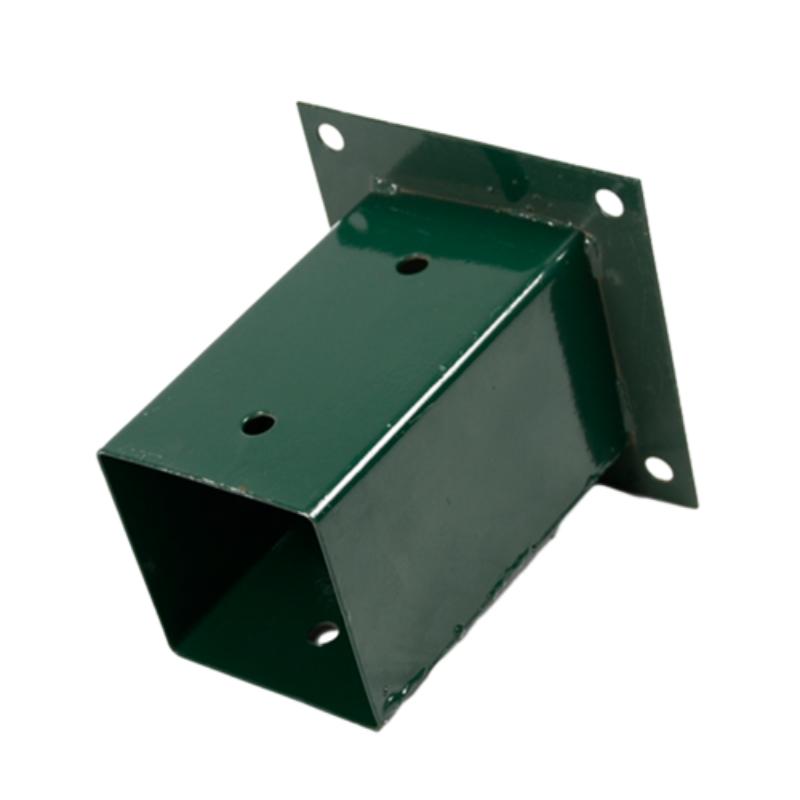
  • Superior Load Distribution: The broad base plate efficiently distributes vertical and lateral loads from the post to the underlying concrete foundation, minimizing localized stress points and preventing substrate damage.
  • Enhanced Corrosion Resistance: Hot-dip galvanization provides a sacrificial zinc layer that protects the steel from environmental degradation, especially crucial in corrosive industrial or coastal environments, significantly extending the life of the structure. This translates to energy saving in terms of replacement and repair.
  • Ease of Installation & Adjustability: Pre-drilled holes ensure quick and accurate alignment with anchor bolts. Some designs allow for minor post-installation adjustments, simplifying construction and saving labor costs.
  • Protection Against Rot & Moisture: Elevating timber posts above ground level prevents direct contact with moisture, eliminating the primary cause of timber rot and insect infestation, which enhances the service life of the wooden structures.
  • High Shear & Uplift Resistance: Engineered to withstand significant shear forces (horizontal loads like wind) and uplift forces (vertical tension), critical for structures in seismic zones or areas prone to high winds. Our products are tested to meet or exceed relevant building codes for these parameters.
  • Reduced Structural Movement: Provides a rigid connection that minimizes movement, improving overall structural stability and safety, particularly for machinery bases or critical support elements.
Heavy-Duty Bolt Down Anchor for Secure Post & Base Support

Figure 4: Durability and corrosion resistance of galvanized post anchor bolt down.

Vendor Comparison and Selection Criteria

Choosing the right supplier for bolt down concrete post anchor solutions is as critical as the product itself. A careful comparison ensures alignment with project requirements, budget, and long-term reliability. Key criteria for evaluation include product quality, material certifications, manufacturing capabilities, customization options, and after-sales support.

Comparison Table: Leading Bolt Down Anchor Suppliers

Feature/Vendor HebeiMetals.com Vendor A (Competitor) Vendor B (Competitor)
Material Grade Options S235JR, S355JR, AISI 304/316 S235JR only S235JR, some S355JR
Corrosion Protection Hot-dip Galvanized (ISO 1461, ≥60µm) Electro-galvanized (≤20µm) Hot-dip Galvanized (variable thickness)
Load Capacity Testing In-house & 3rd Party (EN 1993, ASTM E488) Self-certified only Limited testing data
Customization Options Full bespoke design, material, finish Limited standard variations Some custom dimensions
Quality Certifications ISO 9001, CE compliant No public certifications Basic factory audit only
Lead Time (Standard orders) 2-4 Weeks 4-6 Weeks 3-5 Weeks
Technical Support Dedicated engineering team, CAD drawings, installation guides Basic product data sheets Sales team support only

HebeiMetals.com distinguishes itself through rigorous quality control, adherence to international standards, comprehensive customization capabilities, and proactive technical support, ensuring that every post anchor bolt down solution perfectly aligns with client specifications and regulatory requirements.
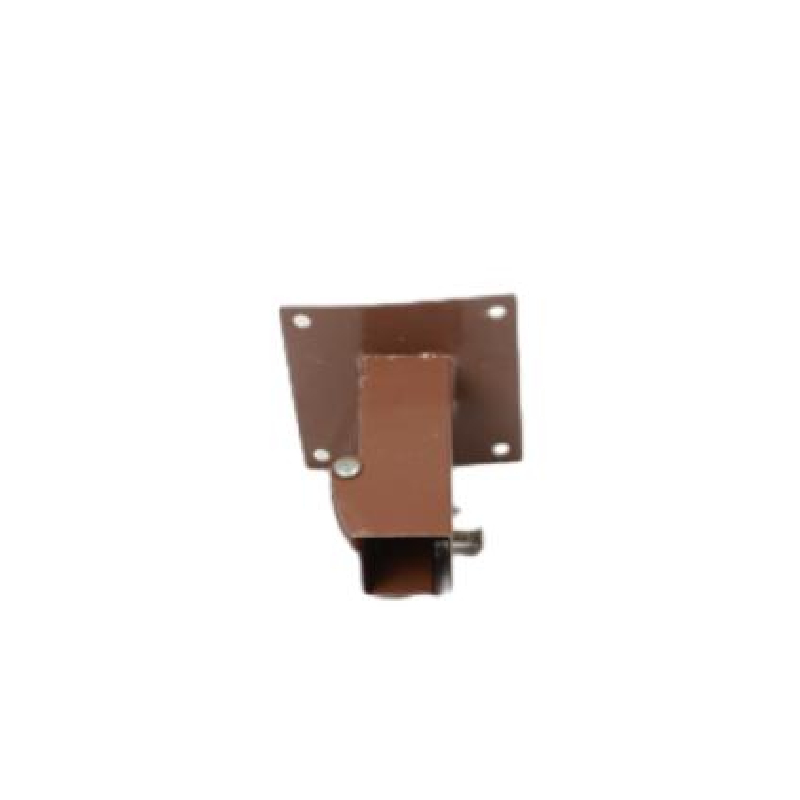
Heavy-Duty Bolt Down Anchor for Secure Post & Base Support

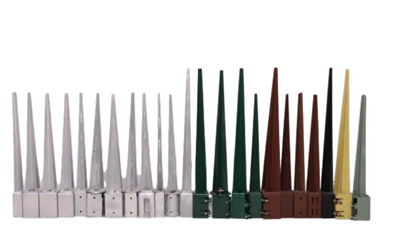
Figure 5: A selection of bolt down anchors showcasing material and finish variations.

Customized Solutions and Engineering Support

Recognizing that off-the-shelf solutions may not always suffice for complex engineering challenges, we offer extensive customized solutions for post anchor bolt down requirements. Our in-house engineering team collaborates closely with clients from conceptualization through to deployment.
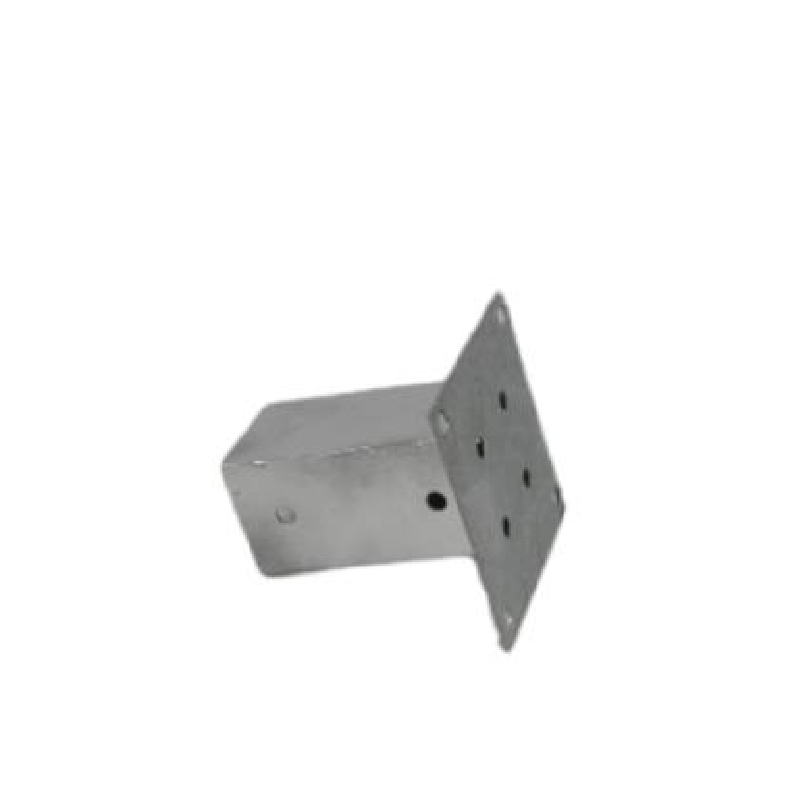
  • Design Consultation: Expert advice on material selection, load calculation, corrosion protection, and optimal anchor design based on project-specific conditions.
  • Bespoke Manufacturing: Production of anchors with unique base plate dimensions, post-sleeve configurations, custom hole patterns, or specialized finishes to meet precise structural and aesthetic demands.
  • Prototyping & Testing: Development of prototypes and conducting specialized load testing to validate custom designs against anticipated forces and environmental stressors.
  • Compliance & Certification: Ensuring all custom solutions adhere to relevant international building codes and standards (e.g., Eurocode, AS/NZS, IBC) and providing necessary documentation.
Heavy-Duty Bolt Down Anchor for Secure Post & Base Support

Figure 6: Custom-designed bolt down concrete post anchor for specific project needs.

Real-world Application Case Studies

Our bolt down anchor solutions have been successfully deployed in a multitude of challenging projects globally, underscoring their reliability and performance.

Case Study 1: Coastal Industrial Facility Renovation

Challenge: A major petrochemical plant along the North Sea required secure anchoring for new pipe racks and utility structures. The highly saline and corrosive environment demanded exceptional corrosion resistance and high load capacity against strong winds.

Solution: We supplied customized hot-dip galvanized bolt down anchor systems made from S355JR high-strength steel. These were designed with thicker base plates (10mm) and specific bolt patterns to accommodate M16 anchor bolts. Comprehensive pre-project load testing was conducted to simulate extreme wind and operational loads.

Result: The anchors provided superior stability and corrosion protection, significantly reducing anticipated maintenance costs and ensuring the longevity of critical infrastructure. The installation was completed ahead of schedule, demonstrating ease of deployment.
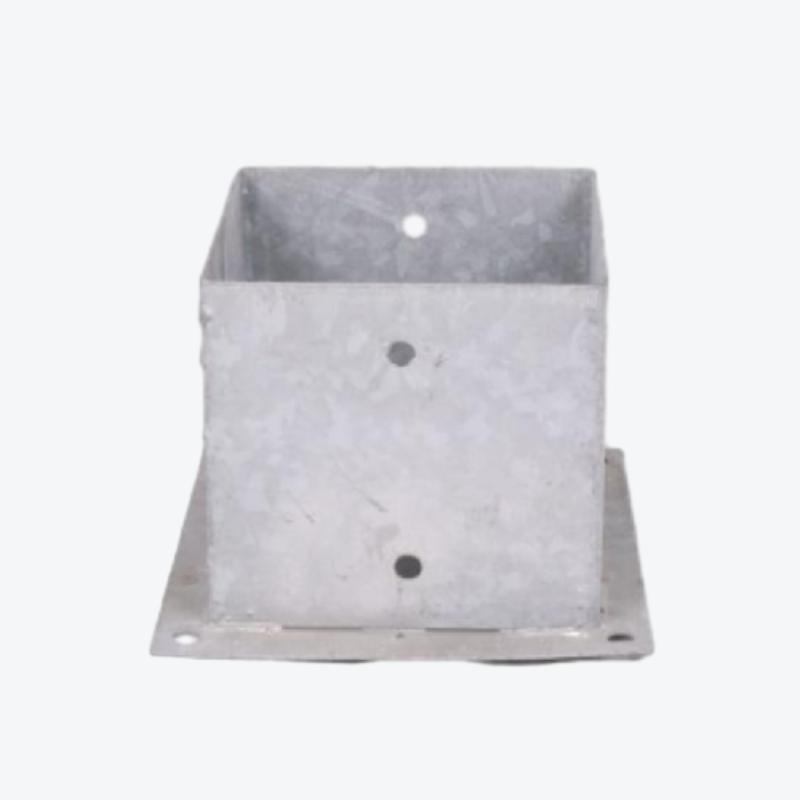
Heavy-Duty Bolt Down Anchor for Secure Post & Base Support

Figure 7: Bolt down anchor in a demanding industrial application.

Case Study 2: Urban Public Transportation Infrastructure

Challenge: The rapid expansion of a metropolitan light rail system necessitated robust and aesthetically pleasing post supports for passenger shelters and signage. The urban environment required a durable finish and quick installation with minimal disruption.

Solution: We provided electro-galvanized post base bolt down anchors with a specialized powder-coated finish for enhanced aesthetic appeal and additional corrosion protection. The anchors were designed for quick bolt-down installation onto existing concrete platforms.

Result: The project successfully integrated the anchoring systems, meeting both structural and visual requirements. The ease of installation contributed to the project’s efficient timeline, showcasing the practicality of bolt down anchor solutions in public spaces.
Heavy-Duty Bolt Down Anchor for Secure Post & Base Support

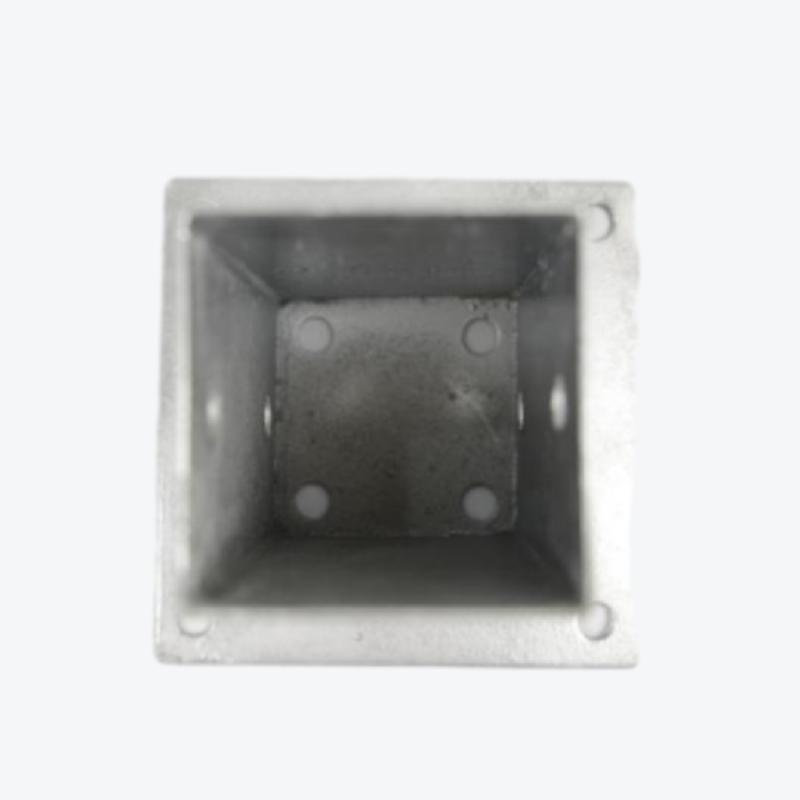
Figure 8: Integrating anchor solutions into urban infrastructure.

Ensuring Quality: Certifications and Authoritative Compliance

Our unwavering commitment to quality is underscored by comprehensive certifications and adherence to global industry standards, providing our clients with absolute confidence in every post anchor bolt down solution we deliver.

  • ISO 9001:2015 Certified: Our Quality Management System (QMS) ensures consistent production, traceable processes, and continuous improvement across all manufacturing stages.
  • CE Marking: Products conform to European Union health, safety, and environmental protection standards, enabling free movement within the European Economic Area.
  • ASTM & ANSI Standards: Materials and testing procedures rigorously follow American Society for Testing and Materials (ASTM) and American National Standards Institute (ANSI) guidelines for mechanical properties and galvanization.
  • ISO 1461: All hot-dip galvanized products meet or exceed the minimum coating thickness requirements for corrosion protection as per ISO 1461.
  • Load Testing & Engineering Calculations: Each product line undergoes extensive load testing (shear, tensile, bending) and is supported by detailed engineering calculations and data, often verified by independent third-party laboratories.

Our two decades of service in the industry, coupled with long-standing partnerships with leading construction firms and infrastructure developers, testify to our authoritativeness and trusted reputation in providing reliable bolt down anchor solutions.
Heavy-Duty Bolt Down Anchor for Secure Post & Base Support

Figure 9: Quality assurance check on a batch of finished anchors.

Frequently Asked Questions (FAQ)

Q1: What are the primary advantages of hot-dip galvanization for bolt down anchors?

A1: Hot-dip galvanization provides a robust, metallurgically bonded zinc coating that offers superior corrosion resistance compared to other methods. This sacrificial layer protects the underlying steel even if scratched, extending the service life of the anchor significantly, especially in harsh outdoor or industrial environments. It also typically meets ISO 1461 standards, a globally recognized benchmark for zinc coatings.

Q2: Can your bolt down anchors be used in seismic zones?

A2: Yes, our anchors are designed and tested to withstand significant shear and tensile forces, making them suitable for seismic applications when specified. We can provide detailed load data and engineering calculations to ensure compliance with local seismic building codes (e.g., ASCE 7, IBC) and offer customized designs for enhanced seismic performance.

Q3: What types of posts are compatible with your bolt down anchor systems?

A3: Our systems are highly versatile. We offer designs compatible with various post materials, including timber (laminated, solid wood), composite, and steel posts (square, rectangular hollow sections). Custom designs can also accommodate unique post profiles or larger dimensions.

Q4: What is the typical lead time for an order?

A4: For standard bolt down anchor products, our typical lead time is 2-4 weeks from order confirmation to dispatch, depending on quantity and current production schedule. Custom orders or larger volumes may require 4-6 weeks. We work closely with clients to meet project deadlines and offer expedited shipping options when available.

Q5: What kind of warranty do you offer on your products?

A5: We stand behind the quality of our products with a comprehensive warranty. All standard bolt down anchors come with a 5-year structural warranty against manufacturing defects and a 10-year warranty on the hot-dip galvanized coating, assuming proper installation and normal use. Specific project warranties for custom solutions can be negotiated.
Heavy-Duty Bolt Down Anchor for Secure Post & Base Support

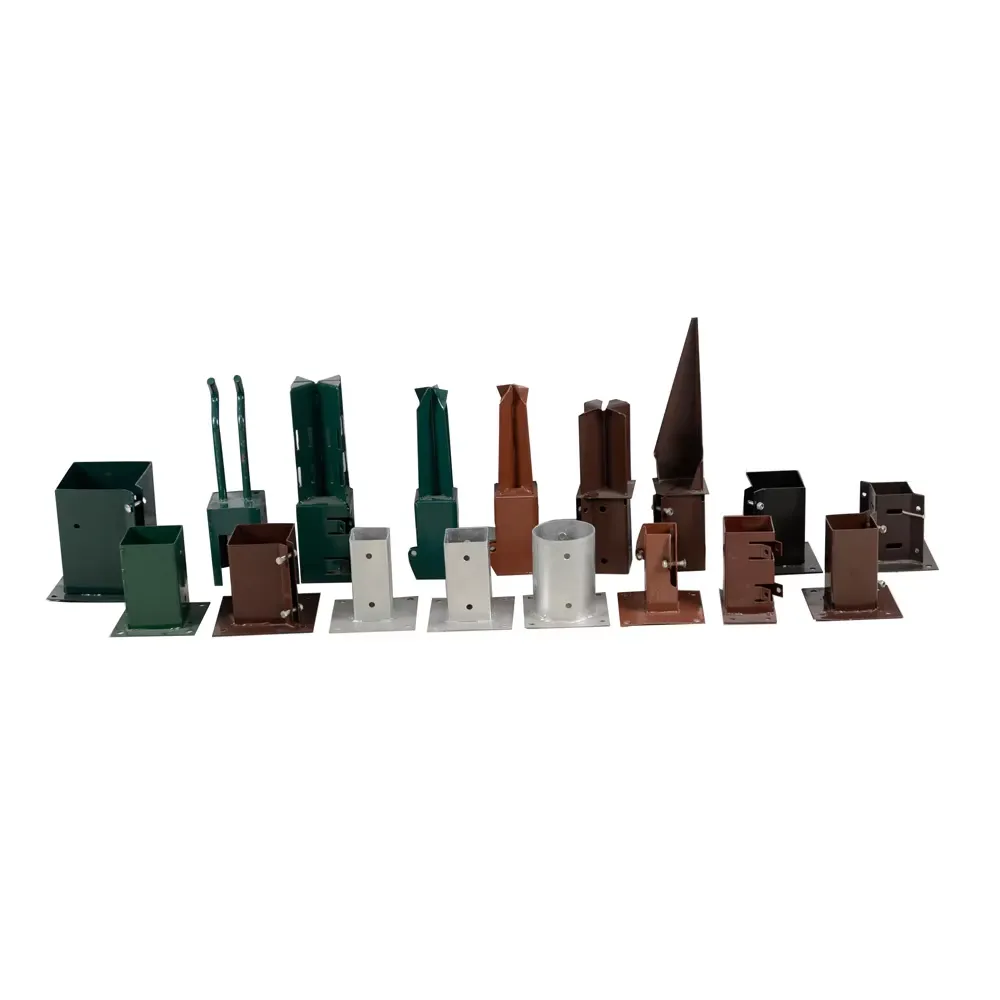
Figure 10: Ensuring compliance and trustworthiness through robust testing.

Logistics and Support: Lead Time, Warranty, After-Sales

Our commitment extends beyond product delivery to encompass a full spectrum of logistics and after-sales support, ensuring a seamless experience for our B2B partners.

  • Efficient Lead Times: With streamlined production processes and robust inventory management, we maintain competitive lead times for both standard and customized bolt down anchor orders. Clear communication throughout the order fulfillment process ensures clients are always informed.
  • Comprehensive Warranty: As detailed in the FAQ, our products are backed by industry-leading warranties, reflecting our confidence in their durability and performance.
  • Global Shipping & Logistics: We facilitate worldwide shipping through established logistics partners, handling all necessary documentation and customs procedures to ensure timely and secure delivery to your project site.
  • Dedicated After-Sales Support: Our technical support team is available to assist with any post-installation queries, troubleshooting, or further product information. We provide comprehensive installation guides and, where necessary, on-site technical assistance or training.
  • Customer Feedback Integration: We actively solicit and integrate customer feedback into our product development and service improvement cycles, fostering a partnership approach to innovation and quality.

Conclusion

The demand for reliable, high-performance anchoring solutions continues to grow in a rapidly developing global infrastructure landscape. The advanced bolt down anchor systems we provide are engineered to meet these escalating demands, offering unparalleled structural integrity, corrosion resistance, and ease of installation. By focusing on superior materials, precision manufacturing, and rigorous quality control, we ensure our products not only meet but exceed international standards and client expectations. Partner with us to secure your projects with foundations built to last.

References

  1. ISO 1461: Hot dip galvanized coatings on fabricated iron and steel articles — Specifications and test methods. International Organization for Standardization.
  2. ASTM A123/A123M: Standard Specification for Zinc (Hot-Dip Galvanized) Coatings on Iron and Steel Products. ASTM International.
  3. EN 1993 (Eurocode 3): Design of Steel Structures. European Committee for Standardization.
  4. ACI 318: Building Code Requirements for Structural Concrete and Commentary. American Concrete Institute.
  5. "Corrosion Protection of Steel Structures" by W. M. Milanowski, 2018.
  • marketing@hebeimetals.com
  • Hebei Minmetals