


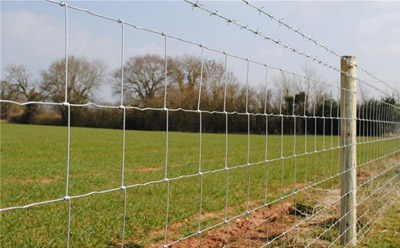
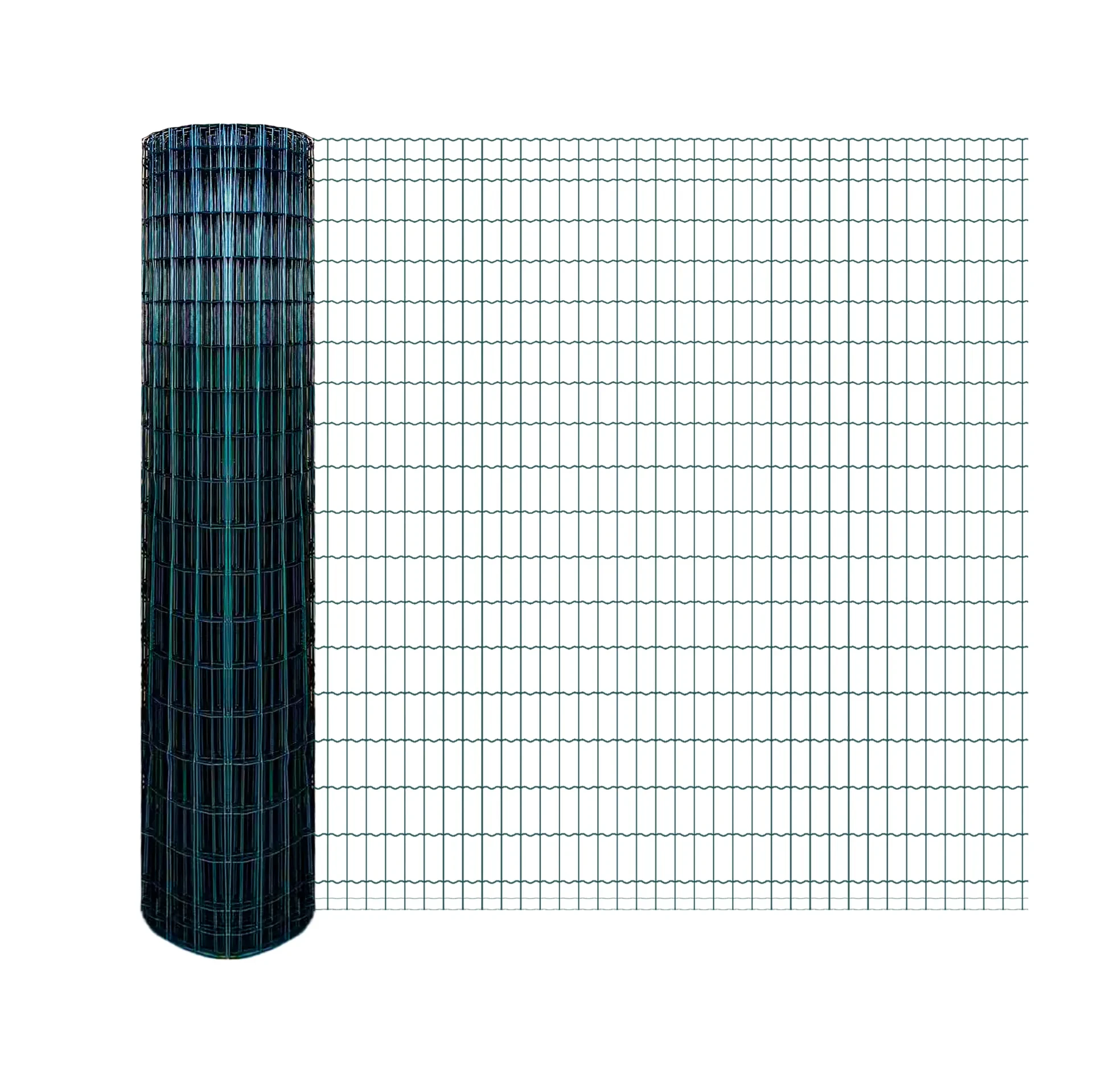
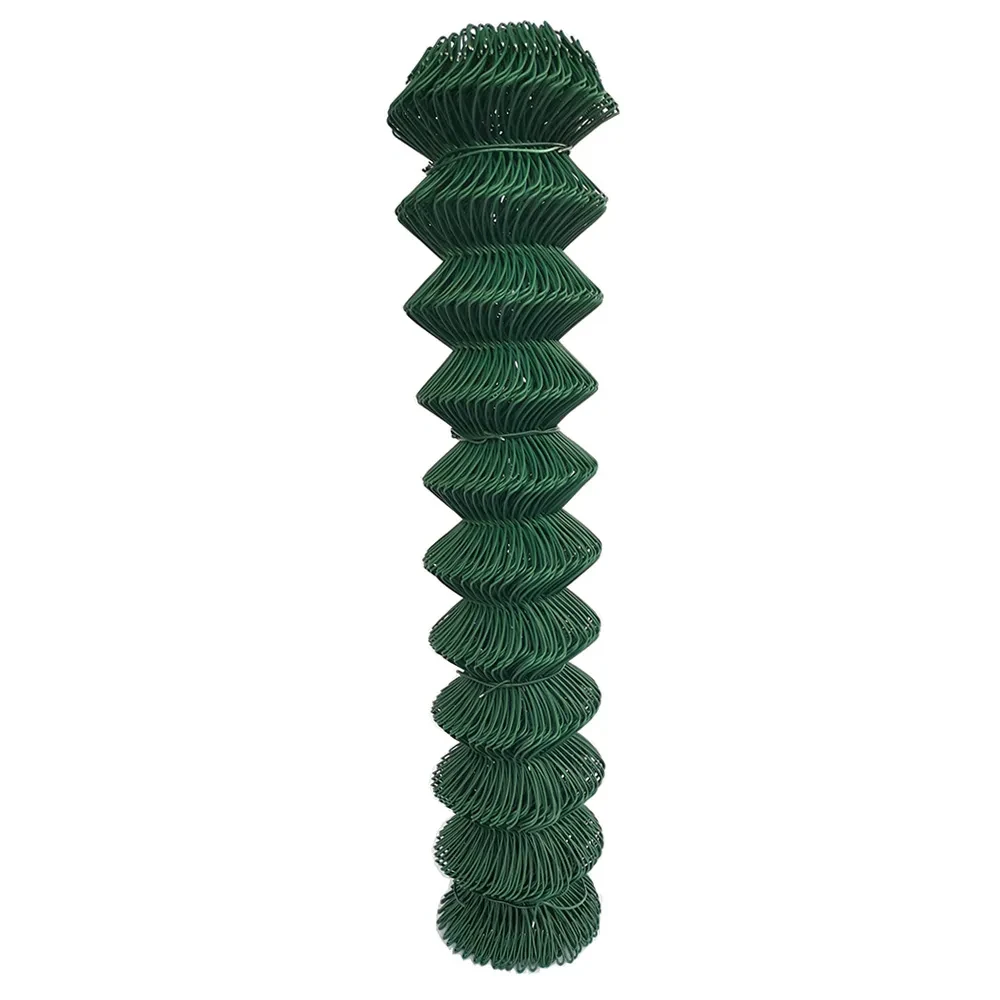

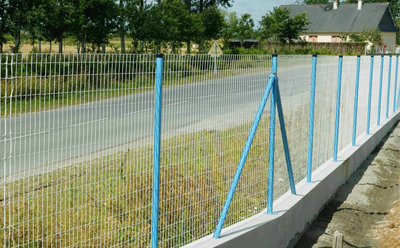
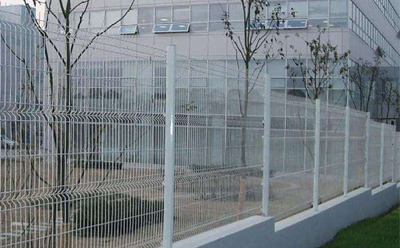
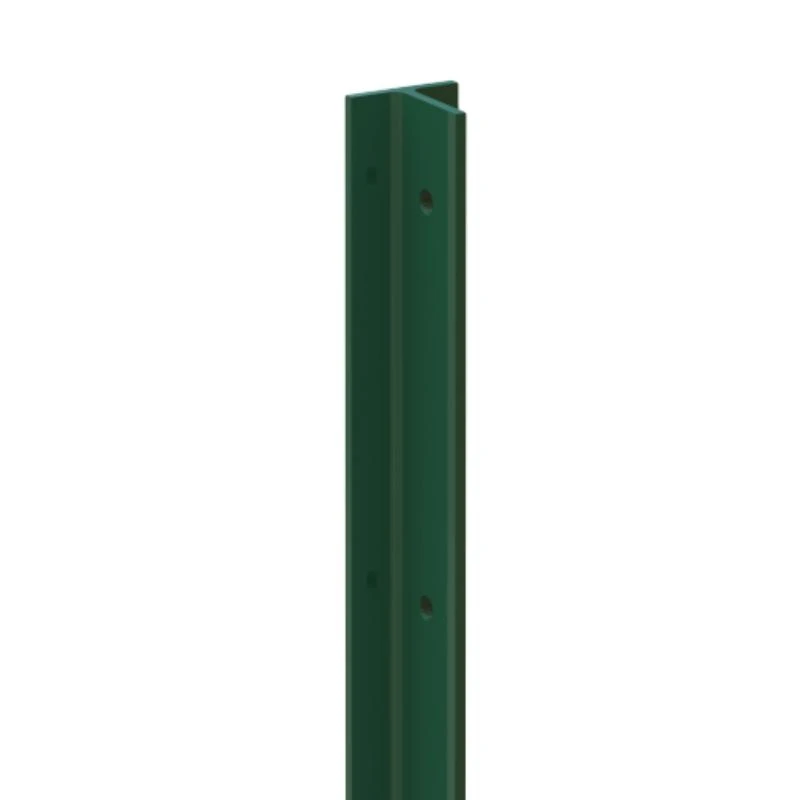
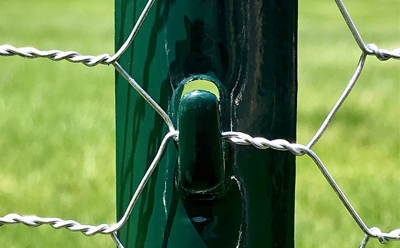
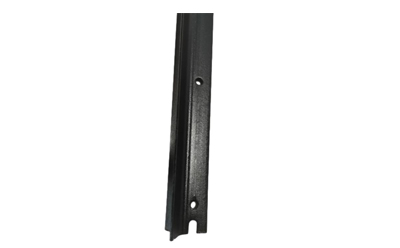
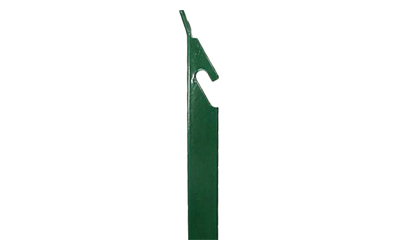
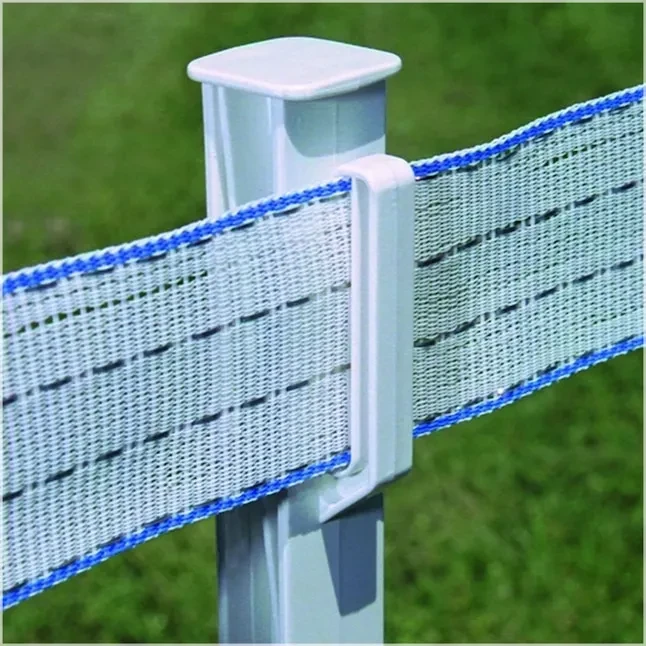
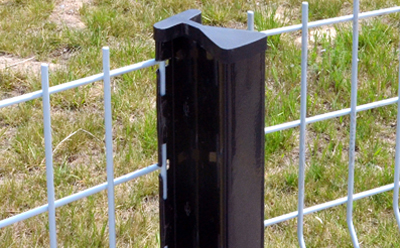
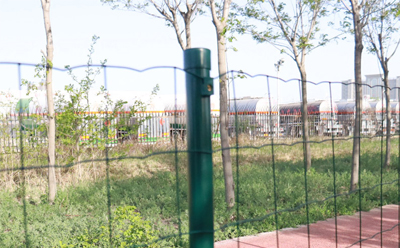
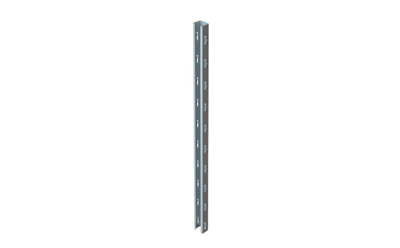
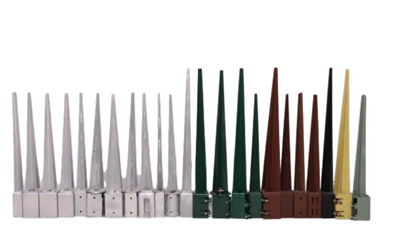
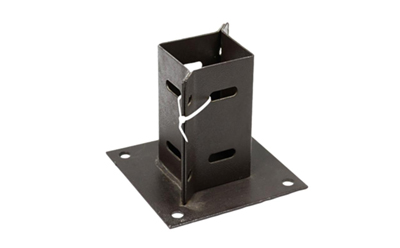
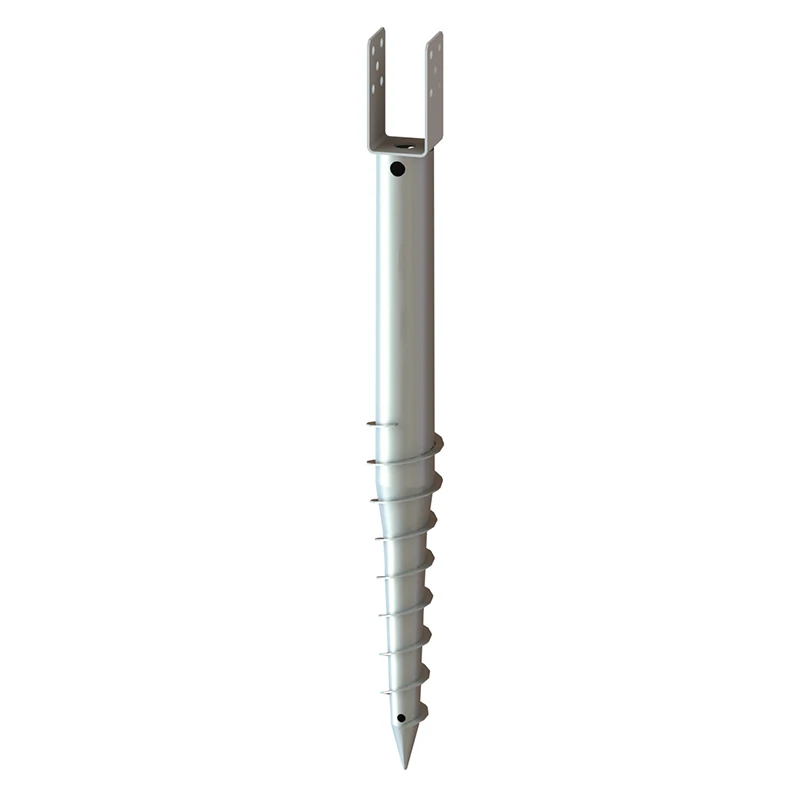
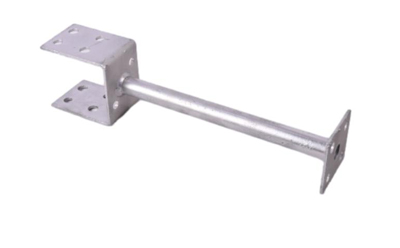
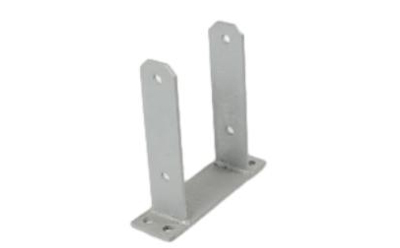
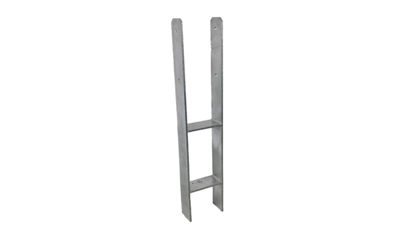
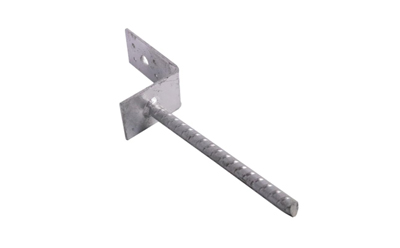
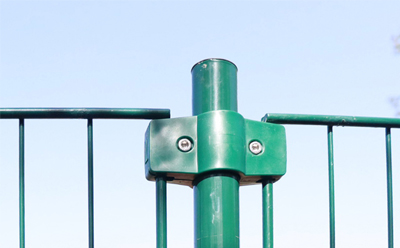
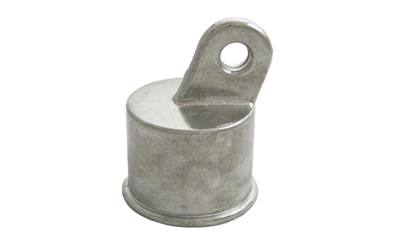
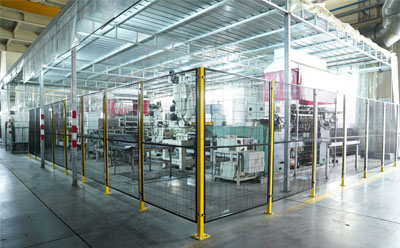
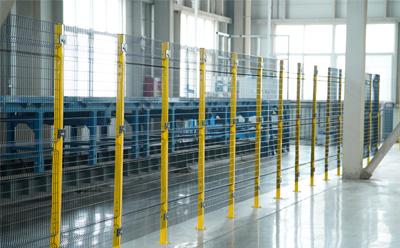












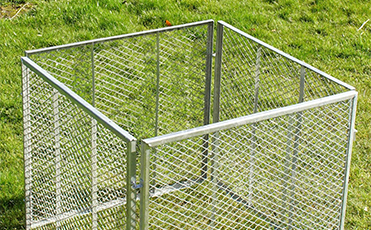
Establishing a secure and durable perimeter begins with the foundation: the posts. Selecting the right metal fence post supplies is critical to ensuring that your fencing can withstand environmental stress, heavy loads, and the test of time. Whether you are securing an industrial site, a commercial warehouse, or a residential property, the quality of your metal supplies determines the overall longevity of the installation. In this comprehensive guide, we will explore the different types of metal posts, the importance of material selection, and how to choose the best supplies for your specific project needs to avoid costly replacements in the future.

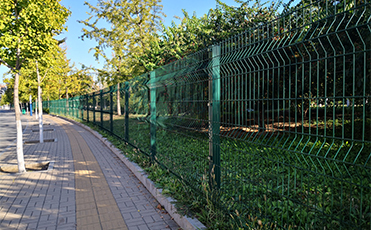
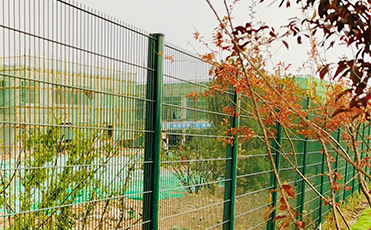
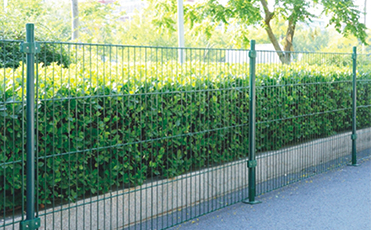
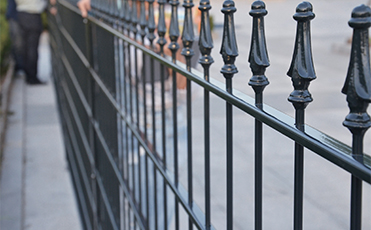
Not all metal posts are created equal. Depending on the application, you may require different shapes and strengths. Galvanized steel remains the industry standard due to its incredible strength and corrosion resistance. For those seeking a more premium, rust-proof finish, aluminum is an excellent alternative, especially in coastal regions. Common shapes include round posts, which offer great wind resistance, and square posts, which provide a more modern aesthetic and easier attachment points for rails. When sourcing metal fence post supplies, it is vital to consider the gauge of the metal; a thicker wall ensures that the post will not bend under the tension of the fence fabric or panels.
Pro Tip: Always match the post thickness to the height of your fence. Taller fences create more leverage and wind load, requiring heavy-duty steel posts to prevent leaning over time.
Choosing between steel and aluminum often comes down to a trade-off between raw strength and maintenance. Steel is unmatched in load-bearing capacity, making it the go-to for security fencing. However, without proper galvanization, it is susceptible to rust. Aluminum, while softer, naturally resists oxidation. By analyzing the specific metal fence post supplies available, you can optimize your budget by using heavy steel for corner and end posts and lighter materials for line posts.
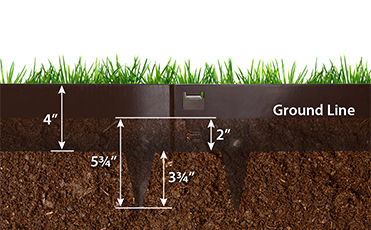
Even the highest quality materials can fail if the installation is poor. When using metal fence post supplies, ensuring the posts are set at the correct depth is paramount. In colder climates, posts must be set below the frost line to prevent "heaving," where the ground pushes the post upward during freeze-thaw cycles. Additionally, using a level to ensure every post is perfectly vertical prevents uneven tension on the fence fabric, which can cause the entire structure to lean over time. Proper concrete footing is also recommended for corner posts that take the brunt of the tension.

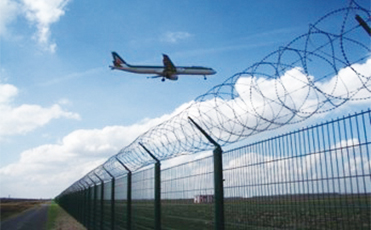
When ordering in bulk, it is essential to understand the technical specifications to ensure compatibility with your fence panels. Standard metal fence post supplies are typically categorized by their outer diameter (OD), wall thickness, and length. For industrial-grade security, a wall thickness of 3mm or more is often required. Below is a typical specification table for commercial-grade steel posts used in perimeter fencing.
To maximize the return on your investment, a simple maintenance schedule is recommended. For galvanized metal fence post supplies, check for scratches or chips in the zinc coating. If the bare metal is exposed, applying a cold-galvanizing spray can prevent rust from spreading. For aluminum posts, a periodic wash with mild soap and water removes salt and pollutants that can dull the finish. Keeping the base of the posts clear of overgrown vegetation also reduces the risk of moisture trapping, which is a primary cause of premature corrosion at the ground level.
When sourcing materials for a large-scale project, the reliability of the supplier is as important as the product itself. A professional supplier should provide detailed material certifications, ensure consistent wall thickness across all batches, and offer shipping solutions that prevent the posts from being dented during transit. By partnering with an experienced global provider of metal fence post supplies, you ensure that your project meets local building codes and safety standards, reducing the risk of structural failure.
Investing in high-quality metal fence post supplies is the most effective way to ensure the security and longevity of your property. From selecting the right material—be it galvanized steel or aluminum—to following precise installation and maintenance protocols, every detail matters. By choosing durable, certified materials, you eliminate the need for frequent repairs and create a professional, secure boundary. Don't settle for mediocre supplies; prioritize strength and durability for a fence that lasts for decades.
For coastal areas, aluminum is generally the superior choice. Salt air is extremely corrosive to most metals, and while galvanized steel provides a layer of protection, the salt can eventually penetrate the zinc coating, leading to rust. Aluminum naturally forms a protective oxide layer that is highly resistant to salt-water corrosion, making it the most durable and low-maintenance option for beach-front or coastal properties.
The general rule of thumb is that 1/3 of the total post length should be underground. For example, if you have a 6-foot fence, your post should be 9 feet long with 3 feet embedded in the ground. However, it is crucial to check your local frost line. In regions with freezing winters, the post must be set deeper than the frost line to prevent "frost heave," which can push the post out of the ground and destabilize the entire fence.
Line posts are used in the straight sections of a fence and primarily serve to hold the fence fabric in place and maintain vertical alignment. Corner posts (and end posts) are designed to handle the significant tension and pull of the fence fabric as it changes direction or ends. Because of this high tension, corner posts are typically thicker, have a larger diameter, and require deeper concrete footings to ensure they do not lean inward over time.
While round posts are highly versatile and offer the best resistance to wind (reducing the "sail effect"), they may not be suitable for all fence types. Square posts are often preferred for panels or railings where flat surfaces are needed for secure mounting of rails or brackets. When browsing metal fence post supplies, consider whether your fence requires a flat attachment surface or a streamlined, wind-resistant profile.



Copyright © 2026 Hebei Minmetals Co., Ltd. All Rights Reserved. Sitemap | Privacy Policy | Top Blog | Top Topic丨Menu