









0%

Table of Contents

To be honest, these days everyone’s talking about pre-galvanized metal fence posts. It's all the rage. Seems like overnight, galvanized everything is the go-to. Before, people were happy with just painting, but that doesn't last, does it? You spend all that time prepping, priming, painting… and within a year, rust starts creeping in. It’s just not worth the hassle anymore.

Have you noticed the shift towards lighter gauge steel too? They’re trying to save weight, cut costs, you know the drill. But, and this is a big but, you gotta be careful. Thinner metal means it’s easier to bend, easier to damage during installation. I encountered this at a factory in Tianjin last time – they shipped a whole container of posts that were practically noodles. A real headache.

And the demand for different finishes! It's not just about the galvanization anymore. People want powder coating, different colors, even textured finishes. It’s all about aesthetics now, apparently. I mean, it’s a fence post, right? It holds up a fence. But no, it needs to look good too.
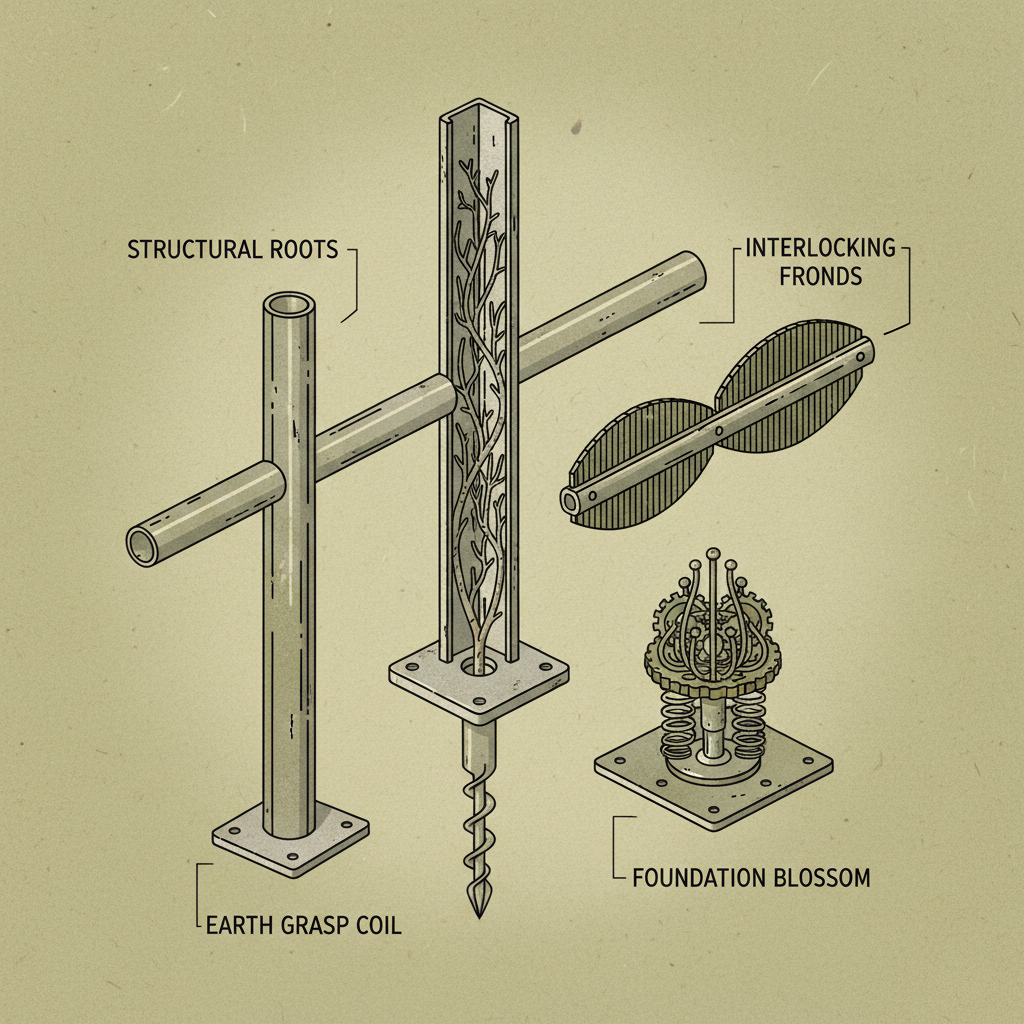
metal fence posts

The Current Landscape of metal fence posts

metal fence posts

Strangely, everyone is obsessed with speed. Fast installation, quick turnaround…they want it yesterday. And that drives a lot of the material choices and design. Pre-fab sections, lighter posts, easier connectors. It’s all about getting the job done quicker. But that often means sacrificing some long-term durability.

You see a lot more demand for posts that can handle specific soil conditions too. Clay, sandy soil, rocky terrain… each requires a different post design and coating to prevent corrosion. The environmental regulations are getting stricter too, which impacts the types of treatments we can use.

Design Pitfalls and Common Mistakes

One of the biggest mistakes I see is underestimating the wind load. Especially in coastal areas or places prone to storms. You’ve gotta account for the force of the wind on the fence, otherwise, you’re looking at a disaster. They try to save a few bucks on post spacing and post diameter, and then, boom, the whole thing comes down.

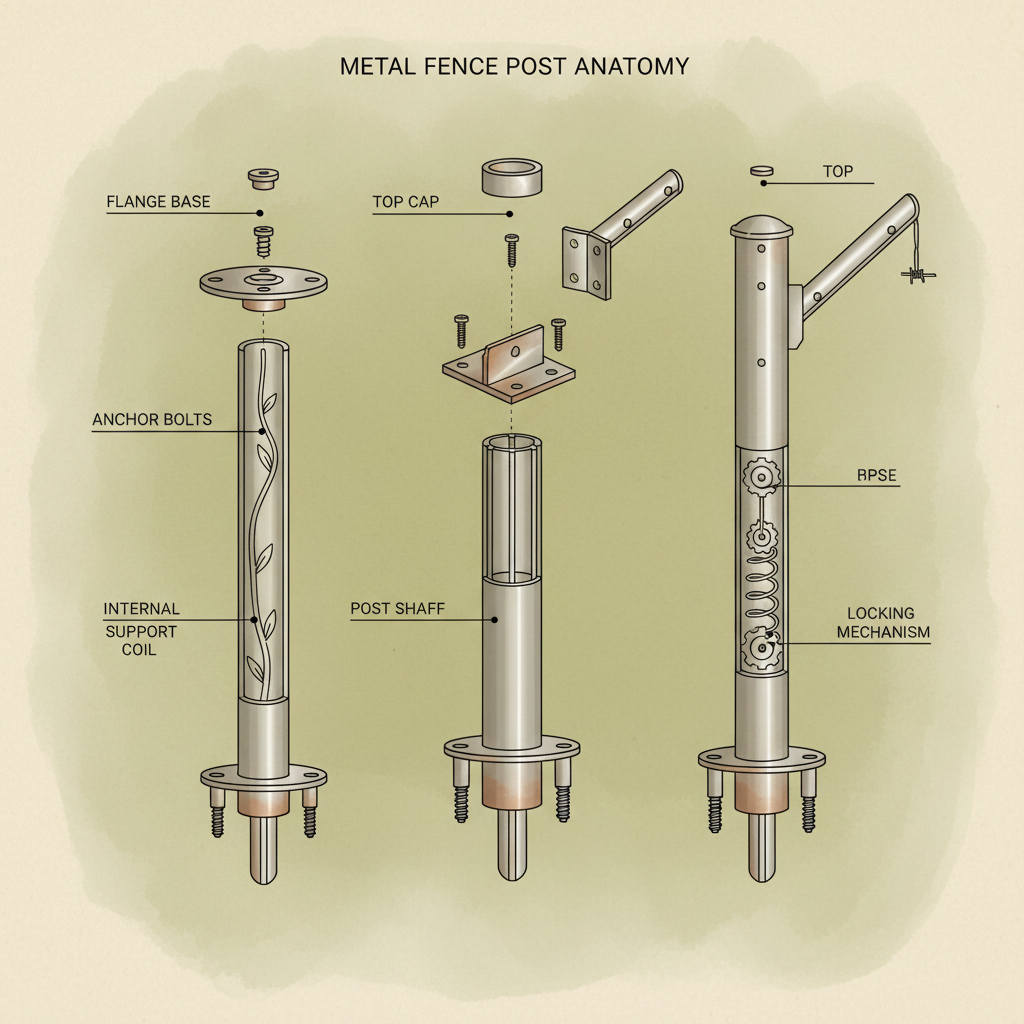
Another common issue is poor connection design. The way the rails attach to the posts is critical. If it’s not strong enough, it’ll fail over time, especially with temperature fluctuations. I've seen fences literally fall apart because the screws pulled out.

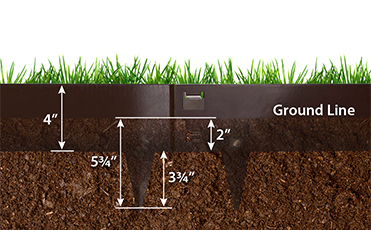
And don’t even get me started on incorrect post depth. Too shallow, and the fence will wobble. Too deep, and you’re wasting concrete and time. It seems simple, but it’s surprising how many people get it wrong.

Material Breakdown: What We're Actually Using

Most of the posts these days are steel, obviously. Q235 is pretty standard, but you’ll also see Q345 for heavier-duty applications. It smells like…well, steel. That metallic tang, you know? It feels cold and solid in your hand. The quality varies wildly depending on the supplier. You can tell the good stuff – it’s heavier, smoother, and takes the galvanization better.

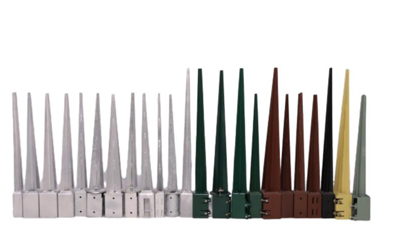
Then you’ve got the coatings. Galvanization is king, but there are different types. Hot-dip galvanization is the most durable, but it can be expensive. Electro-galvanization is cheaper, but it doesn’t last as long. Powder coating adds another layer of protection and allows for different colors. It feels almost velvety to the touch, compared to the rough texture of galvanized steel.

And let's not forget the concrete mix. You need a good, strong mix that will hold the posts firmly in place. Too much water, and it’ll crack. Too little, and it won’t set properly. It's a surprisingly delicate balance.

Real-World Testing and Quality Control

Forget the lab tests. They're fine, but they don't tell the whole story. I want to see these posts bent, twisted, and hammered. I want to see them buried in different types of soil and left out in the elements for a year. That’s when you really find out what they’re made of.

We do a lot of pull tests, too. We attach the rails to the posts and then apply increasing force until something breaks. It’s not pretty, but it’s effective. We also do salt spray tests to simulate corrosion. It’s a good indicator of how well the galvanization is holding up.

metal fence posts Quality Control Metrics


How Users Really Use metal fence posts

It's not always what you expect. You design a post for a specific application, but then someone comes along and uses it for something completely different. I once saw a guy using our posts to support a makeshift awning! They're surprisingly versatile, I guess.

Anyway, I think people often underestimate the amount of effort required for installation. They think it’s just a matter of digging a hole and sticking a post in it. But it’s more complicated than that. You need to make sure the posts are plumb, level, and properly aligned. And you need to use the right tools.

Advantages, Disadvantages, and the Honest Truth

Look, metal fence posts are strong, durable, and relatively low maintenance. That’s a big plus. They can withstand harsh weather conditions and resist corrosion. They're also recyclable, which is good for the environment. But they're not perfect. They can be expensive, especially compared to wood. And they can be difficult to work with – cutting, welding, and installing them requires specialized tools and skills.

Honestly, the biggest disadvantage is the weight. They're heavy, which makes them difficult to transport and handle on site. I’ve pulled my back more times than I care to admit lugging these things around.

Customization Options and a Shenzhen Story

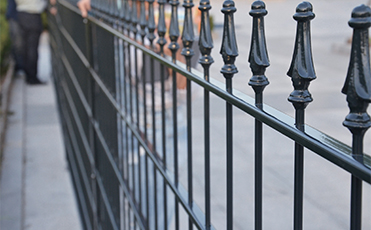
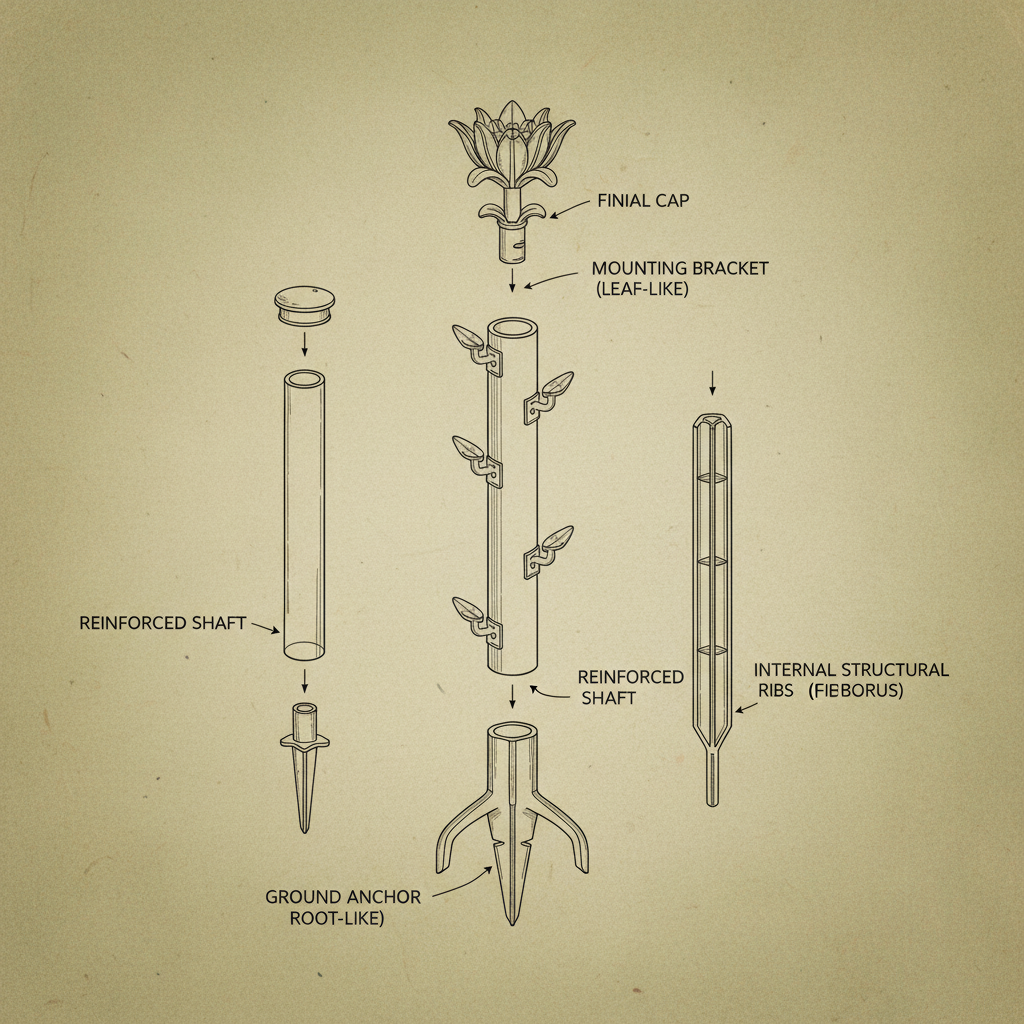
You can customize almost anything these days. Post length, diameter, coating, even the shape of the top. We had one customer who wanted posts with a decorative fleur-de-lis on top. It was a pain to manufacture, but they were willing to pay for it.

Last month, that small boss in Shenzhen who makes smart home devices insisted on changing the interface to . He said it was "more modern." I tried to explain that a standard bolt connection was far more reliable for securing a fence panel, but he wouldn't listen. He wanted "innovation." He ended up stripping the threads on half the posts and had to go back to using bolts.

Anyway, I think the key is finding a balance between customization and practicality. You want to meet the customer’s needs, but you also need to make sure the product is functional and reliable.

Summary of Key Metal Fence Post Performance Characteristics

Post Material Coating Type Installation Difficulty Long-Term Durability
Q235 Steel Hot-Dip Galvanization Moderate (requires concrete) 8/10
Q345 Steel Electro-Galvanization + Powder Coating Easy (lightweight) 6/10
Stainless Steel None (inherently corrosion-resistant) Difficult (requires specialized tools) 10/10
Galvanized Steel (Thin Gauge) Hot-Dip Galvanization Easy (very lightweight) 4/10
Recycled Steel Electro-Galvanization Moderate 5/10
Aluminum Alloy Anodization Very Easy 7/10

FAQS

What’s the best way to prevent rust on galvanized metal fence posts?

The key is to keep the galvanization intact. Avoid scratching or damaging the coating during installation. If you do need to weld, use a welding method that minimizes heat input to prevent altering the galvanization. Regularly inspect the posts for any signs of damage and touch up with a zinc-rich paint if necessary. And honestly, a good galvanization job to start with makes all the difference.

How deep should I bury a metal fence post for a standard residential fence?

Generally, you want to bury at least one-third of the post's total length. So, for a 6-foot post, aim for 2 feet in the ground. However, this depends on your soil type and local wind conditions. Sandy soil requires deeper burial than clay. And if you're in a windy area, you’ll need to go even deeper to ensure stability. It’s always better to err on the side of caution. You don’t want your fence blowing over in the first storm.

What’s the difference between hot-dip galvanization and electro-galvanization?

Hot-dip galvanization involves immersing the steel in molten zinc, creating a thick, durable coating. It's much more corrosion-resistant but can be more expensive. Electro-galvanization uses an electric current to deposit a thin layer of zinc onto the steel. It's cheaper, but the coating isn’t as thick or long-lasting. Think of it like this: hot-dip is a full body immersion, while electro-galvanization is more of a spray tan.

Can I paint over galvanized metal fence posts?

You can, but you need to use a paint specifically designed for galvanized metal. Regular paint won’t adhere properly. You’ll also need to etch the surface first to create a better bond. A good self-etching primer is your friend. Otherwise, the paint will just peel off after a few years. It's often better to just leave the galvanization as is, if you're aiming for longevity.

What are the best tools for cutting metal fence posts?

An abrasive chop saw is the most efficient way to cut metal fence posts. A metal-cutting circular saw with the right blade will also work, but it can be slower. Forget about trying to use a hacksaw – you’ll be there all day! And always wear safety glasses and gloves when cutting metal. Those sparks can fly!

How do I properly dispose of old metal fence posts?

Metal fence posts are recyclable! Take them to a local scrap metal yard. They’ll usually pay you for them, depending on the current market price. Don't just throw them in the trash. It's wasteful and bad for the environment. Plus, you'll get a few bucks back in your pocket!

Conclusion

Ultimately, metal fence posts are a solid choice. They’re durable, relatively low maintenance, and can withstand a lot of abuse. But, like anything, they’re not without their drawbacks. You need to choose the right materials, design the fence properly, and install it correctly.

But here’s the thing: whether this thing works or not, the worker will know the moment he tightens the screw. He'll feel it. If it feels right, it'll last. If it feels flimsy, well…you know what’s going to happen. That’s the real test. Visit our website at www.minmetalsglobal.com to learn more about our metal fence posts and find the right solution for your project.


Kevin Rodriguez

Kevin Rodriguez

Kevin Rodriguez is a Marketing and Communications Specialist for Hebei Minmetals, focusing on digital content and public relations within the North American market. He is responsible for crafting compelling narratives around our products and the company’s commitment to sustainability and quality. Kevin manages our social media presence, website content, and
Previous metal fence posts