











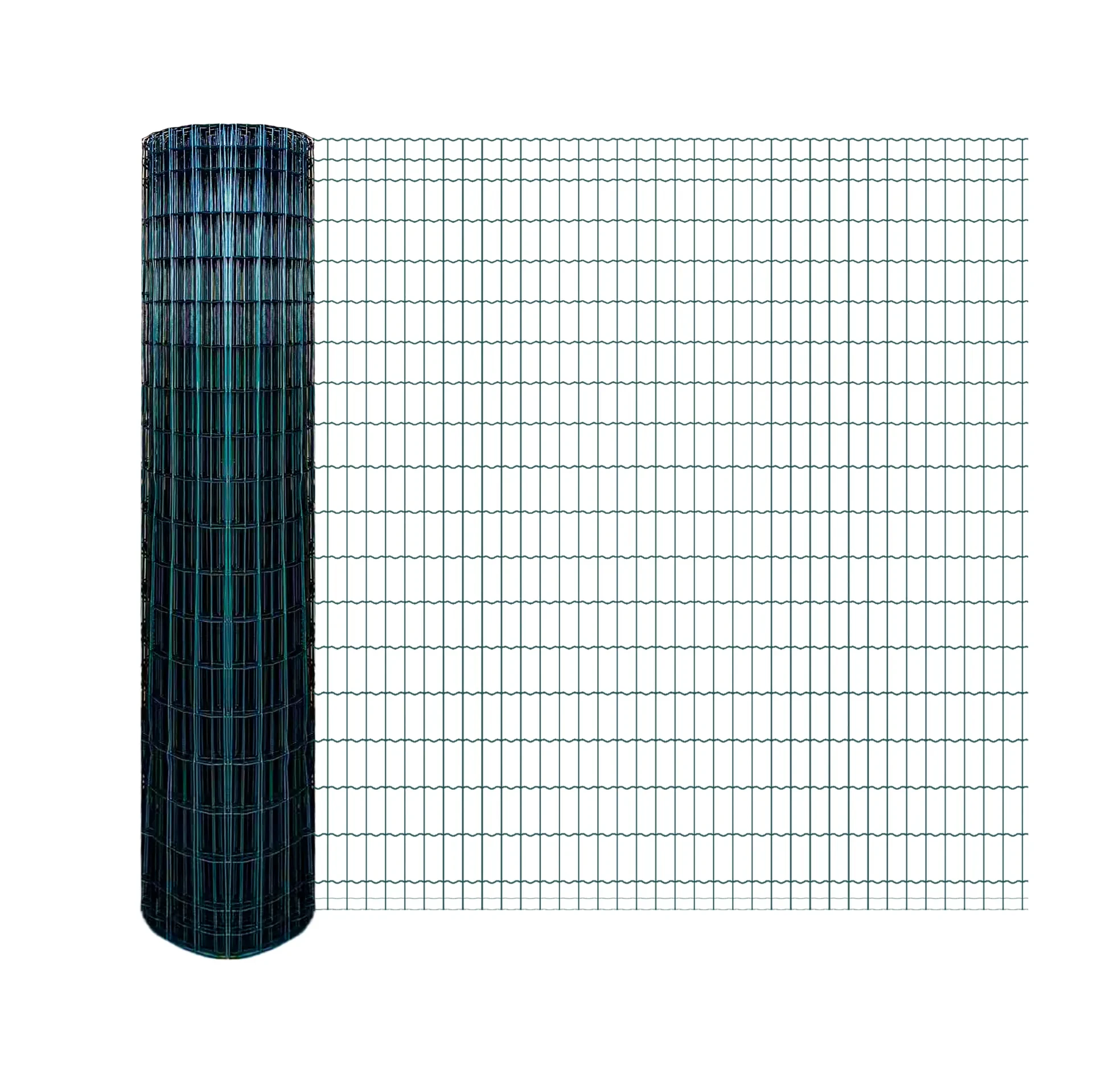
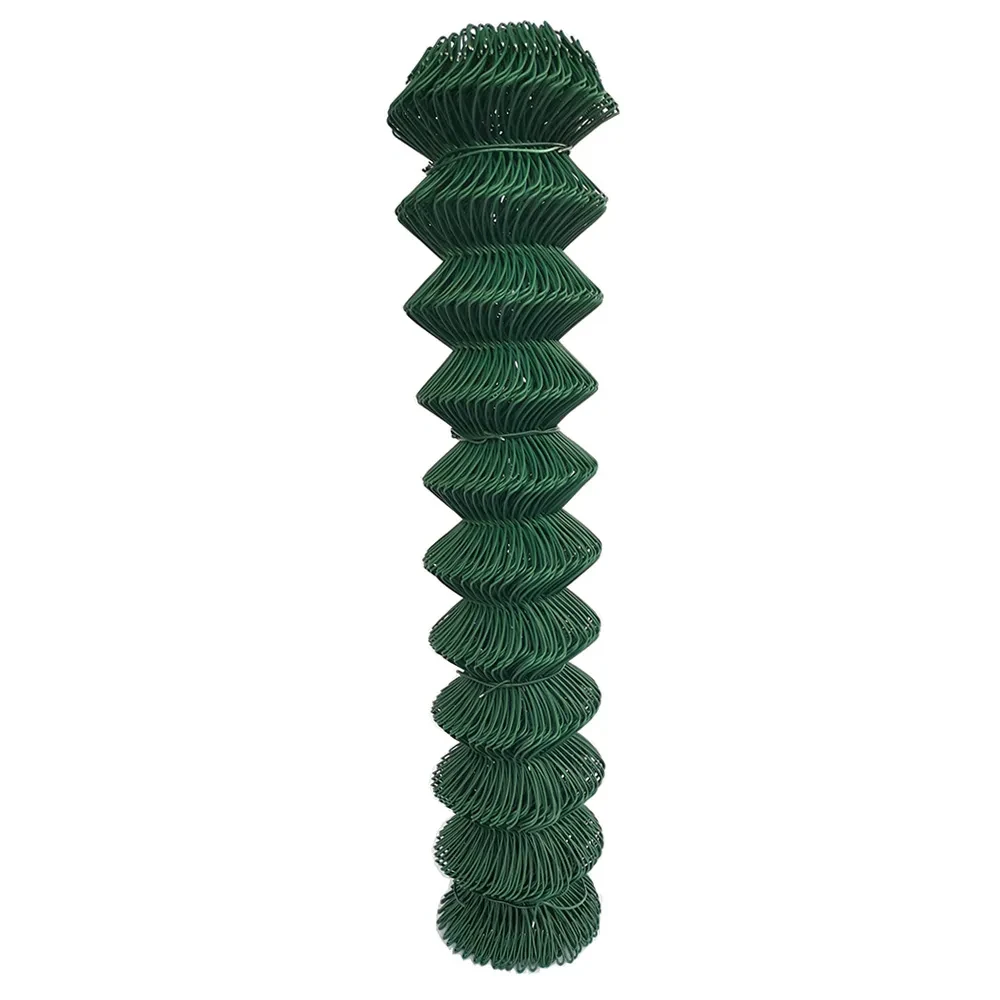





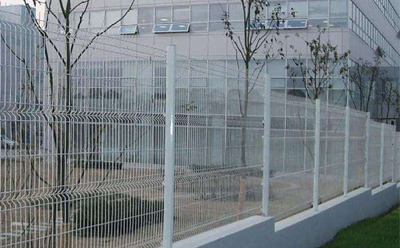
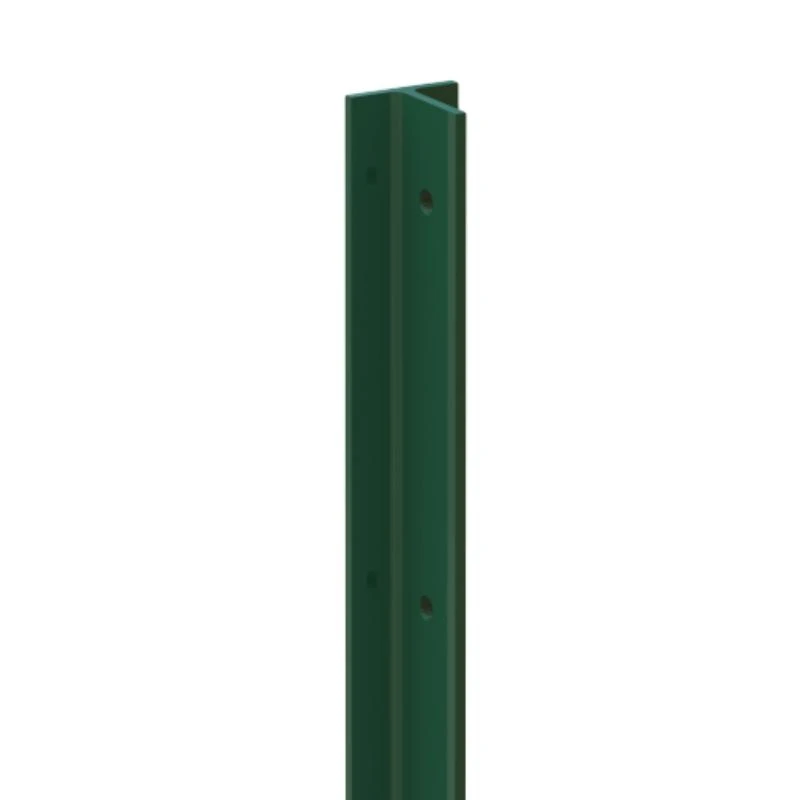
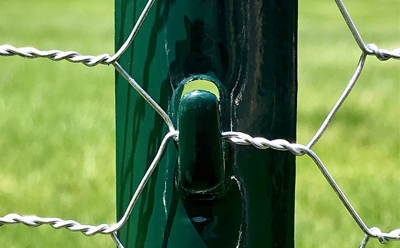







































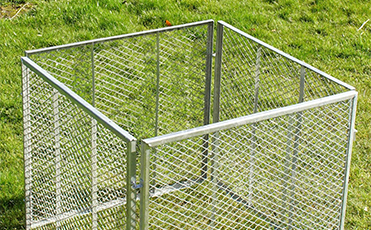

Procurement professionals and fencing contractors evaluating perimeter security must weigh welded mesh against alternative materials through a strict lens of unit costs and total holding expenses. Initial capital expenditure calculations depend heavily on whether raw material acquisition requires complex framing setups or simplified intermediate supports.
Commercial boundary containment projects span diverse environments including garden fencing, home gardens, parks, industry security, and game yards. Financial comparisons between welded mesh and traditional alternatives dictate that budgeting decisions must account for both immediate material outlays and long-term maintenance trajectories.
Per-linear-meter cost analysis for pet control areas and home gardens requires evaluating how upfront material purchase outlays interact with required framing structures. Substituting heavy traditional barriers with open-mesh panel designs reduces direct metal weight per linear meter, yet project estimators must balance this against intermediate post requirements. Purchasing decisions for amenity fencing and home gardens require evaluating whether lower initial price points for alternative woven systems offset subsequent structural reinforcement needs.
Initial capital expenditure calculations incorporate raw material acquisition alongside essential site preparation outlays. Clearing dense vegetation and leveling terrain before boundary installation prevents alignment discrepancies that otherwise drive up labor hours during post-setting. Project budgets must factor in these preparation phases because uneven ground directly increases cutting waste across game yard and garden fencing layouts.
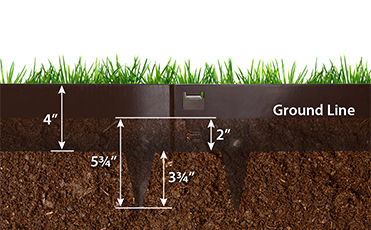
Secondary site expenses, particularly post-setting concrete volumes, dictate whether structural savings achieved by mesh panels translate into actual project cost reductions. Pouring concrete foundations at standardized intervals requires precise calculation of aggregate and binder costs relative to local labor rates. Industry security and amenity fencing areas demand specific post depth dimensions that vary with soil conditions and wind load requirements.

| Material Type | Application Suitability | Unit Price Category | Additional Documentation Required |
|---|---|---|---|
| Welded Mesh | pet control areas | Moderate baseline | Documentation available from the supplier |
| Traditional Woven Wire | game yard | Lower initial outlay | Documentation requirements vary by destination market |
| Solid Panel Barriers | amenity fencing | High capital expense | Documentation requirements vary by destination market |
Shifting capital expenditure relies on evaluating how framing demands interact with installation labor rates. Simplifying intermediate support structures decreases the total volume of poured concrete required per linear meter of boundary containment.
Project estimators calculate these labor variances alongside raw material invoices to determine true upfront project costs.
Calculating initial capital expenditure for perimeter projects requires establishing a baseline where raw material acquisition costs combine directly with site preparation demands. Procurement budgets must account for boundary containment needs across commercial and municipal spaces, ensuring pricing alignment with project specifications.
Purchasing panels and posts without pre-calculating delivery variables leads to immediate capital overruns during the first deployment phase.
Removing dense vegetation and leveling uneven soil profiles before post installation prevents structural misalignment that otherwise demands expensive field corrections. Site preparation expenses vary depending on regional soil density and the total linear footage required for garden fencing or industry security boundaries.
Clearing thick brush along fence lines protects the base from premature moisture accumulation and reduces installation delays.
Excavating post holes and pouring concrete foundations constitute primary secondary expenses in perimeter construction budgets. Labor costs fluctuate based on local contractor wage rates and regional depth requirements necessary to secure posts against wind loads in amenity fencing or game yard projects.

Excavation dimensions and concrete volumes are determined by project engineering specifications and local soil bearing capacities.
Lifecycle duration varies with coating specification, environmental exposure, and maintenance frequency across commercial and municipal installations. Perimeter projects situated in coastal regions or areas with high humidity experience accelerated corrosion compared to inland deployments.
Proper surface finishing and protective coatings directly alter the rate of material degradation over time. Selecting appropriate metallic treatments prevents premature structural failure in amenity fencing and industrial security settings alike.
| Application | Environmental Exposure | Coating Specification | Maintenance Frequency |
|---|---|---|---|
| garden fencing | Moderate rainfall and soil contact | Galvanized wire finish | Periodic visual inspection |
| industry security | High impact and heavy industrial use | Heavy-gauge welded mesh | Regular structural auditing |
| game yard | Extended outdoor exposure | Corrosion-resistant coating | Annual hinge and post check |
Repair thresholds depend on local weather conditions, physical impact frequency, and soil stability near boundary posts. Maintenance schedules must account for these variable factors rather than relying on fixed replacement timelines.
Routine inspections identify minor wire deformation before structural integrity becomes compromised. Addressing localized damage promptly prevents the need for full panel replacement in parks and pet control areas.

Economic returns over the project lifespan are dictated by initial material acquisition costs versus ongoing upkeep expenses. Selecting durable panel configurations reduces cumulative expenditure on repairs and labor across amenity fencing and highway boundaries.
Total holding expenses remain lower when material selection matches the environmental demands of the installation site. Budget planners must weigh upfront capital outlays against projected maintenance intervals to determine true operational savings.
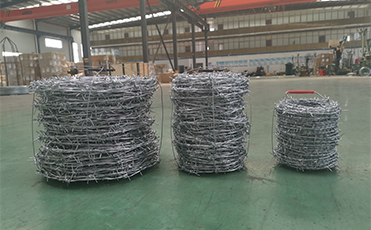
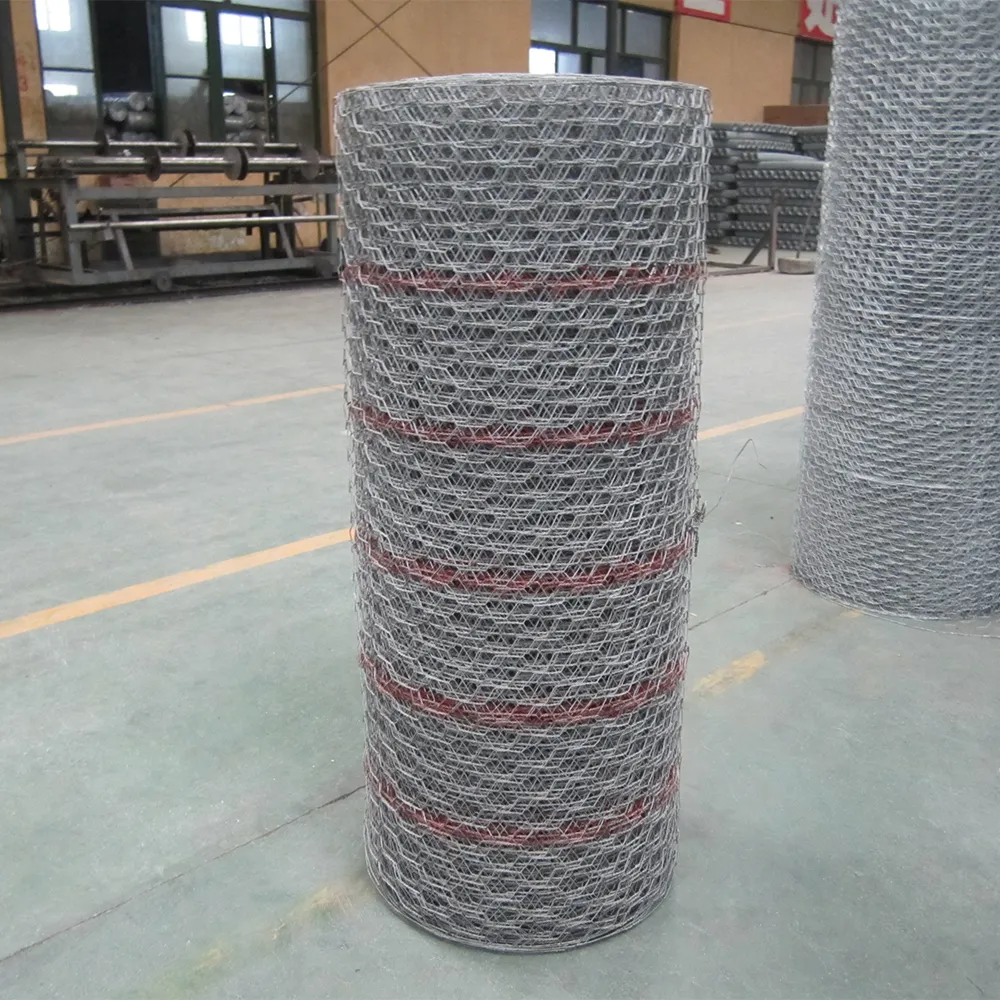
Procurement contracts for boundary fencing leverage palletized weight configurations and container load optimization rather than single-roll unit pricing. Shipping efficiency relies on maximizing volumetric metrics during transport to destination ports.
Purchasing boundary containment materials in bulk requires evaluating palletized weight distributions instead of looking solely at single-roll unit pricing. Heavy-duty transport planning reduces per-unit freight overhead when shipment volumes approach full container capacity. Buyers negotiating with suppliers must establish whether freight quotes reflect stacked pallet dimensions or loose loading configurations.
Palletized handling protects mesh panels from deformation during long-distance transit across amenity fencing sites and industrial security perimeters alike. Standardizing pallet dimensions allows logistics teams to calculate exact loading densities per container without risking structural bending. This method prevents handling damage that otherwise forces site managers to reject deformed wire sections upon arrival.

Full container load planning dictates that procurement managers coordinate delivery schedules around standard container capacities to eliminate dead freight charges. Consolidating orders for game yard enclosures and home gardens into a single shipment lowers overall logistics expenditures per linear meter. Negotiating tiered pricing based on total volumetric metrics provides better cost control than fragmented purchase orders.
Project estimators must factor regional administrative variables into the landed cost of the containment materials. Strategic scheduling ensures that delivered consignments arrive precisely when site preparation phases reach the post-setting stage.
Weighing initial price points against expected operational performance over time requires analyzing how raw material grades and framing requirements interact across commercial and municipal projects. Procurement decisions for amenity fencing and home gardens hinge on whether lower initial price points for alternative woven systems offset subsequent structural reinforcement needs. Shifting capital expenditure relies on evaluating how framing demands impact installation labor rates.
Evaluating long-term financial impacts requires balancing initial material outlays against maintenance frequencies in diverse environments such as parks, industry security, and game yard deployments. Depending on specific order volumes, wire gauges, and destination ports, total holding expenses shift significantly across different project scales. Procurement documentation requirements vary by destination market, necessitating careful review of supplier-provided files before contract finalization.
| Application Scope | Material Type | Primary Environmental Exposure | Documentation Requirements |
|---|---|---|---|
| Garden Fencing | Welded mesh | Moderate humidity and soil contact | Varies by destination market |
| Industry Security | Welded mesh | Heavy security and perimeter loads | Varies by destination market |
| Pet Control Areas | Welded mesh | Enclosed animal containment | Varies by destination market |
When assessing municipal project budgets, material longevity directly influences recurring repair costs and replacement cycles over decades of service. Boundary containment projects span diverse environments including allotment areas, hedgerows, and amenity fencing where environmental exposure dictates corrosion rates.

Purchasing teams must evaluate procurement documentation requirements varying by destination market without assuming unverified certifications or undocumented metallurgical classifications. Accurate estimation of secondary site expenses prevents unexpected cost overruns during material receipt and post-setting phases.
Project budgets encounter distinct financial variables when perimeter containment spans diverse applications such as garden fencing, home gardens, parks, industry security, and game yards. Unforeseen expenses typically emerge when secondary site preparations and installation labor rates diverge from initial estimates across regional markets. Mitigating these risks requires meticulous tracking of boundary dimensions and material specifications before purchase orders are finalized.
Procuring entities must recognize that documentation requirements vary by destination market to maintain compliance with regional import standards. Shipping perishable or corrosion-prone barriers without verified surface treatments introduces replacement costs that undermine initial savings. Accurate financial planning accounts for both immediate material outlays and long-term holding expenses across amenity fencing and pet control areas.

Clearing vegetation and grading uneven terrain prevent unexpected labor overruns during boundary installation. When installation teams encounter rocky soil or soft ground, post-depth adjustments alter the volume of required concrete and increase overall project costs. Estimators incorporate these variable site conditions into baseline budgets to avoid mid-project funding deficits.
Material logistics also influence financial outcomes when transport distances dictate freight tariffs and delivery schedules. Consolidating shipments into full container load configurations reduces per-unit transit costs for large-scale municipal installations. Project managers audit supplier quotations against actual order volumes to prevent unexpected tariff escalations at the destination port.
Per-linear-meter costs depend on whether the boundary design requires heavy intermediate support structures or simplified framing setups. Direct metal weight per linear meter decreases when open mesh panel configurations replace traditional solid barriers, though estimators must balance material savings against local post-setting labor rates.
Site clearing and terrain leveling directly impact labor hours during installation across layouts designated for garden borders, hedgerows, and industry security. Uneven ground increases cutting waste, while post-setting concrete volumes vary depending on soil conditions and wind load requirements at the destination site.
Baseline lifecycle duration varies with coating specification, environmental exposure, and maintenance frequency. Rather than relying on fixed replacement timelines, holding expense projections must account for local weather severity and the frequency of physical inspections required for amenity fencing and pet control areas.
Bulk purchasing relies on palletized weight configurations rather than single-roll unit pricing to maximize full container load capacity. Freight cost per linear meter decreases when procurement managers negotiate volume thresholds relative to vessel space availability and specific destination port requirements.
Import compliance depends on regional trade rules and local statutory frameworks applicable at the port of entry. Procurement teams must verify matching customs paperwork and material specification sheets based on destination market standards before finalizing purchase orders for commercial or municipal projects.
Final project budget viability hinges on balancing specific purchase volumes against destination port logistics.
Commercial buyers across garden fencing, parks, and industry security sectors reduce unit acquisition expenses by consolidating orders into optimized container loads rather than relying on fragmented single-roll shipments.
Project managers can evaluate these financial parameters against local labor rates, bulk volume tiers, and chosen maritime routing options to ensure accurate cost forecasting.



Copyright © 2026 Hebei Minmetals Co., Ltd. All Rights Reserved. Sitemap | Privacy Policy | Top Blog | Top Topic丨Menu