


















In the modern construction and woodworking industry, efficiency and reliability are essential. Contractors and builders rely heavily on high-performance fastening systems to complete projects quickly while maintaining structural integrity. Among the most widely used fastening products are clous d'encadrement en bande de papier, paper strip nails, clous à souder au fil, clou assemblé par fil, et clous de charpente assemblés avec du fil de fer. These collated nail systems are designed to improve productivity, reduce downtime, and provide consistent fastening performance for framing, roofing, decking, and general construction applications.
As pneumatic nail guns continue to dominate professional job sites, selecting the correct type of collated nails becomes increasingly important. Different nail collation methods offer unique advantages depending on working conditions, project requirements, and tool compatibility. Understanding the differences between clous d'encadrement en bande de papier et clous de charpente assemblés avec du fil de fer helps contractors make informed decisions that improve work quality and operational efficiency.
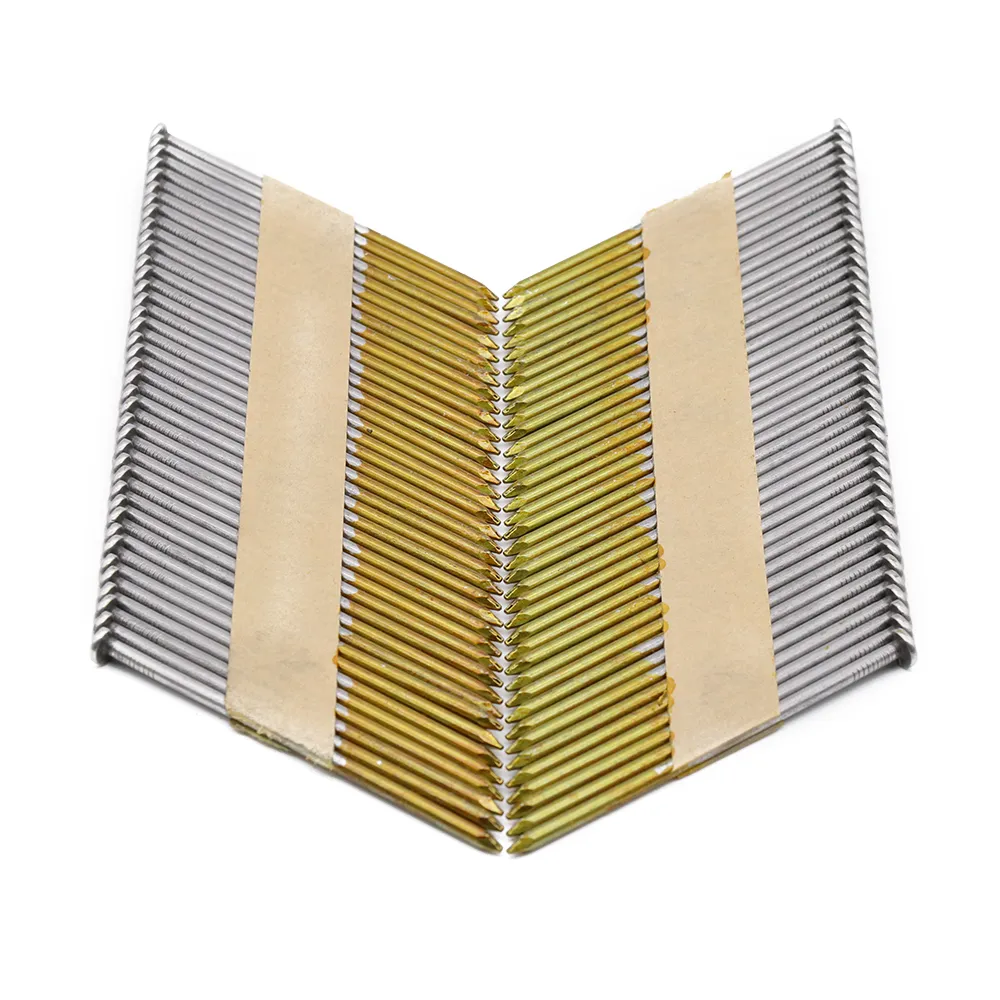
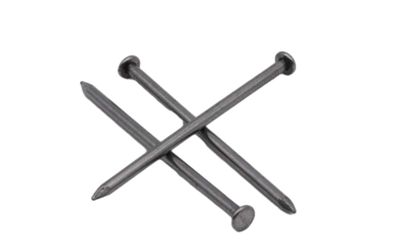
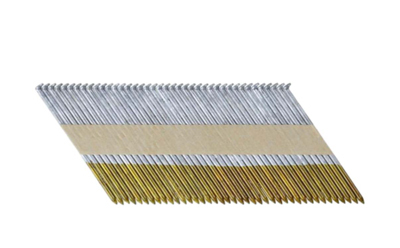
Among all collated fasteners, clous d'encadrement en bande de papier are especially popular in residential and commercial framing projects. These nails are arranged in strips using paper tape collation, allowing smooth feeding into pneumatic framing nailers. Builders appreciate their clean operation, reliable performance, and compatibility with many industry-standard nail guns.
L’un des plus grands avantages de paper strip nails is reduced job site debris. Since the nails are connected using paper material rather than plastic or excessive wire, there is less waste generated during use. This creates a cleaner work environment and minimizes cleanup time, which is particularly important on large construction projects.
Another important benefit is improved safety and convenience. Plastic-collated nails sometimes produce flying plastic fragments during firing, while clous d'encadrement en bande de papier eliminate this issue. Contractors working in enclosed or occupied spaces often prefer paper-collated systems because they create fewer airborne particles and less mess.
The angled design of most paper strip nails also allows easier access to tight spaces and corners. This makes them ideal for:
Wood framing
Wall assembly
Roof truss installation
Subfloor fastening
Deck construction
Pallet manufacturing
In addition, modern clous d'encadrement en bande de papier are available in various coatings and finishes, including galvanized, stainless steel, and vinyl-coated options. These coatings enhance corrosion resistance and improve holding strength in different environmental conditions.
Many professionals choose paper strip nails because they provide smooth nail feeding and reduce jamming inside pneumatic nailers. Reliable feeding improves productivity and reduces downtime caused by tool maintenance or misfires.
Another reason for their popularity is compliance with building codes. In many regions, paper-collated nails are approved for structural framing applications because they deliver consistent fastening performance and meet engineering requirements.
For contractors seeking speed, cleanliness, and reliability, clous d'encadrement en bande de papier remain one of the best solutions available in today’s construction market.
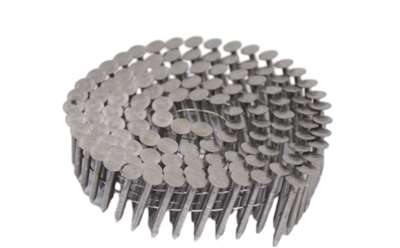
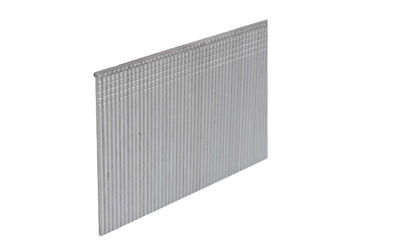
While paper-collated systems are widely used, clous à souder au fil et clou assemblé par fil products continue to play a major role in industrial and heavy-duty construction applications. These nails are held together using thin welded wire strands, creating strong and durable collated strips that can withstand demanding working conditions.
One key advantage of clous à souder au fil is durability during transportation and handling. The welded wire connection provides excellent strip stability, reducing the likelihood of breakage before use. Contractors working on rugged job sites often appreciate the toughness of clous de charpente assemblés avec du fil de fer because they remain intact even in harsh environments.
Another important benefit is higher nail capacity. Some clou assemblé par fil systems allow larger quantities of nails to be loaded into nail guns, reducing reload frequency and improving operational efficiency. This feature is especially valuable for high-volume framing projects where speed is critical.
The strength and reliability of clous de charpente assemblés avec du fil de fer make them suitable for demanding applications such as:
Structural framing
Heavy timber construction
Industrial packaging
Crate assembly
Fence installation
Exterior decking
In humid or outdoor environments, galvanized clous à souder au fil provide excellent resistance against rust and corrosion. Stainless steel options are also available for marine and coastal construction projects where maximum weather resistance is required.
Another reason many contractors continue using clou assemblé par fil products is compatibility. Numerous pneumatic nail guns are specifically designed to operate with wire-collated systems, making these nails a trusted standard across the construction industry.
The rigid collation structure of clous de charpente assemblés avec du fil de fer also helps maintain precise nail alignment during rapid firing. This consistency improves fastening accuracy and reduces the chance of nail jams.
From a manufacturing perspective, clous à souder au fil can be produced in a wide variety of sizes, diameters, and shank styles. Common shank options include:
Smooth shank
Ring shank
Screw shank
Each design offers different levels of holding power depending on project requirements.
For projects involving heavy-duty structural connections, many builders prefer clous de charpente assemblés avec du fil de fer because of their exceptional strength and reliable feeding performance.
Selecting between paper strip nails et clous de charpente assemblés avec du fil de fer depends on several factors, including project type, environmental conditions, tool compatibility, and contractor preference. Both systems offer significant advantages, but understanding their differences can help maximize productivity and performance.
One of the first considerations is job site cleanliness. Contractors who prioritize reduced debris often choose clous d'encadrement en bande de papier because the paper collation generates minimal waste. This can be especially beneficial for indoor projects or residential construction where cleanup efficiency matters.
D'autre part, clous à souder au fil are often preferred for rugged outdoor environments because of their superior strip durability. If nails will be exposed to rough handling or transportation, a clou assemblé par fil system may provide better reliability.
Tool compatibility is another crucial factor. Before purchasing nails, contractors should verify that their pneumatic nailers are designed for either paper strip nails ou clous de charpente assemblés avec du fil de fer. Using incompatible collated nails can lead to feeding issues and equipment damage.
Climate and environmental exposure should also influence the decision. For exterior construction projects exposed to moisture, galvanized or stainless steel clous à souder au fil et clous d'encadrement en bande de papier offer enhanced corrosion resistance.
Holding power requirements are equally important. Ring shank and screw shank clous de charpente assemblés avec du fil de fer typically provide stronger withdrawal resistance compared to smooth shank designs. These options are ideal for structural applications requiring maximum holding strength.
Cost considerations may also affect purchasing decisions. While pricing varies depending on material and coating type, many contractors evaluate total operational efficiency rather than unit price alone. Reduced jams, faster installation, and lower maintenance costs can significantly improve overall productivity.
Storage conditions should not be overlooked either. Since paper strip nails use paper collation, they should be stored in dry environments to prevent moisture damage. In contrast, clou assemblé par fil products generally tolerate rough storage conditions more effectively.
Technological advancements continue to improve both collated nail systems. Modern manufacturers now produce premium-quality clous d'encadrement en bande de papier et clous à souder au fil with advanced coatings, precision manufacturing, and optimized collation designs for smoother operation.
En conclusion, clous d'encadrement en bande de papier, paper strip nails, clous à souder au fil, clou assemblé par fil, et clous de charpente assemblés avec du fil de fer are all essential fastening solutions in today’s construction industry. Each type offers unique advantages depending on the application, working environment, and contractor requirements.
For clean and efficient residential framing, clous d'encadrement en bande de papier provide excellent performance and reduced debris. For heavy-duty structural work and demanding outdoor conditions, clous de charpente assemblés avec du fil de fer et clous à souder au fil offer exceptional durability and strength.
By understanding the characteristics and benefits of each fastening system, builders can select the most suitable nails for their projects, improving efficiency, safety, and long-term structural reliability.



Copyright © 2026 Hebei Minmetals Co., Ltd. All Rights Reserved. Sitemap | politique de confidentialité | Menu