


















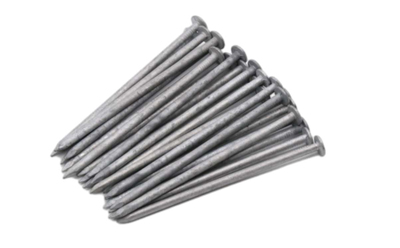
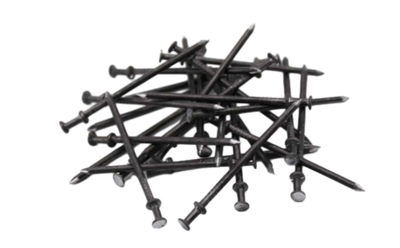
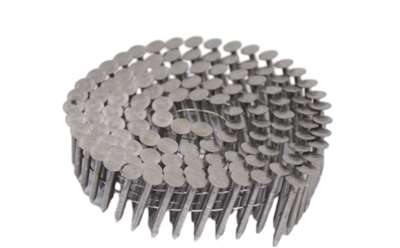
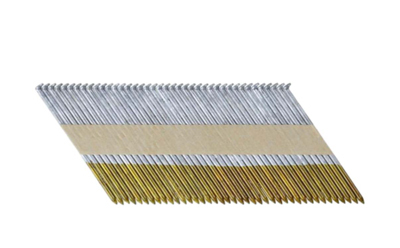


















In the construction and woodworking industries, nails remain one of the most important fastening materials used for assembling structures, securing wooden components, and completing finishing projects. Among the many types of nails available today, the clou de boîte has become a popular option for builders, carpenters, and DIY users because of its versatility and practical design. Many people frequently ask questions such as what is a box nail, what are box nails, what are box nails used for, what is a box nail used for, and how a box nail vs common nail comparison affects project performance.
Although nails may appear simple, choosing the correct nail type is essential for ensuring structural integrity, preventing wood damage, and improving long-term durability. Different nails are specifically designed for different applications, and understanding the characteristics of box nails can help builders select the most suitable fastener for their projects.
This article explores the definition of box nails, their major applications, advantages, and the important differences between box nails and common nails.
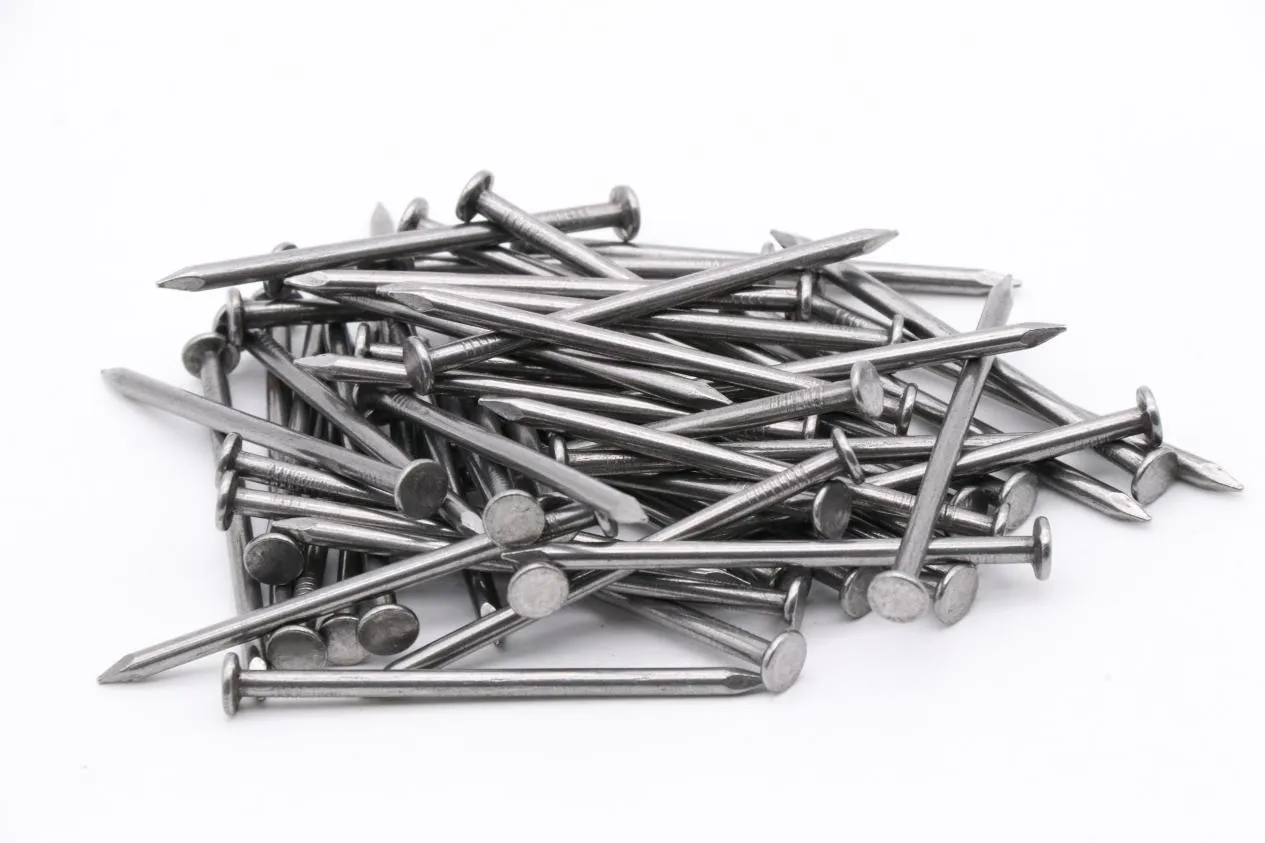
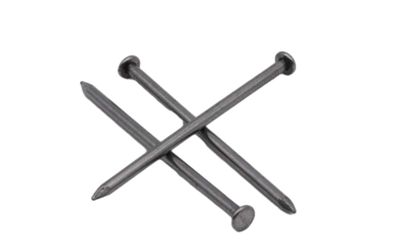
Many people in construction and woodworking ask the question, what is a box nail? A box nail is a type of steel nail designed with a thinner shank than a common nail of the same length. The thinner diameter reduces the risk of splitting wood during installation, making box nails especially useful for lighter wood applications and projects involving thin lumber.
Historically, the term “box nail” originated from the use of these nails in assembling wooden boxes and shipping crates. Over time, however, the application of the clou de boîte expanded into many areas of construction, carpentry, and general woodworking.
When discussing what are box nails, it is important to understand their key structural characteristics. Box nails typically feature:
A thinner shank compared with common nails
A flat head for easy hammering
Smooth or lightly textured surfaces
Standard steel or galvanized finishes
The thinner shank is one of the most significant features because it minimizes stress on the wood fibers during installation. This helps reduce cracking and splitting, particularly when working with softwoods or narrow wood pieces.
Another common question is what is a box nail used for. Box nails are commonly used in projects where excessive holding power is not required but wood preservation is important. They are ideal for:
Light framing
Wood boxes and crates
Siding installation
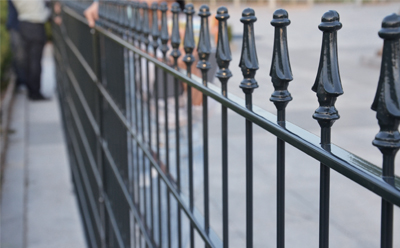
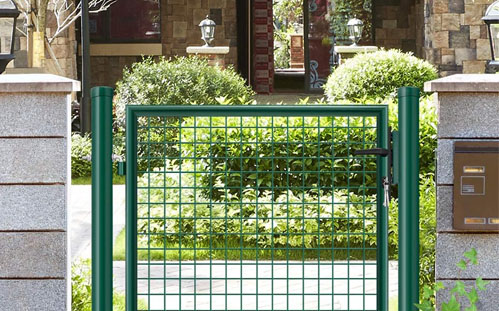
Fence assembly
Trim work
General carpentry
Furniture construction
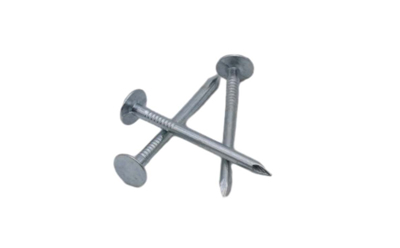
Builders also frequently ask what are box nails used for in outdoor environments. Galvanized box nails are especially suitable for exterior applications because the protective zinc coating helps resist corrosion and rust. Outdoor fencing, siding, and garden structures often use galvanized box nails to improve durability in changing weather conditions.
Compared with heavier nails, box nails are easier to drive into wood and often reduce installation effort. This makes them popular for projects requiring a large number of fasteners. Their lighter structure can also help reduce material stress in delicate woodworking applications.
Modern manufacturers produce box nails in various sizes, lengths, and coatings to meet different project requirements. Stainless steel, bright steel, and galvanized finishes are all available depending on environmental conditions and durability needs.
Understanding what are box nails used for helps builders choose the right fastener for specific construction tasks. Although box nails may not provide the same holding strength as larger common nails, they offer important advantages in many woodworking and light structural applications.
One of the most common uses of the clou de boîte is in wood framing projects that involve thinner lumber. Because the thinner nail shank reduces splitting, carpenters often use box nails when fastening narrow boards or lightweight wood materials.
In siding installation, box nails are highly preferred because they help secure wood siding without causing visible damage to the material. Thin siding panels can crack or split if larger nails are used, making box nails a safer and more practical solution.
Packaging and crate manufacturing also rely heavily on box nails. Wooden shipping crates, pallets, and storage boxes require fasteners that are secure yet easy to install. The original purpose of the box nail was precisely for these applications, and they continue to be widely used in modern packaging industries.
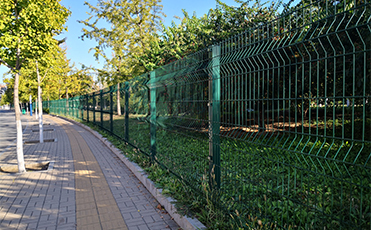
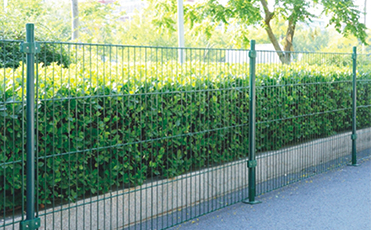
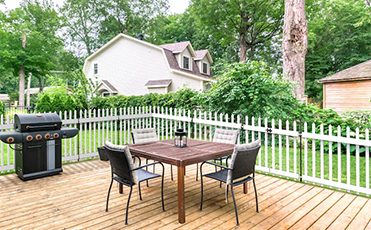
Fence construction is another important application. Builders frequently use galvanized box nails when assembling wooden fences because they provide sufficient holding power while minimizing wood splitting near edges and corners.
Furniture manufacturing also benefits from box nail usage. Decorative wood pieces and lightweight furniture components often require nails that can secure joints without damaging delicate wood sections. The smaller diameter of box nails makes them ideal for these precision tasks.
Another area where people ask what is a box nail used for is home improvement and DIY projects. Many homeowners use box nails for shelving, trim installation, paneling, and general repair work because they are easy to handle and widely available in hardware stores.
Corrosion-resistant coatings expand the range of applications even further. Galvanized box nails are suitable for humid environments and outdoor exposure, while stainless steel versions offer superior rust resistance in coastal or high-moisture areas.
Cost-effectiveness is another major advantage. Box nails generally require less steel material than larger nails, helping manufacturers keep production costs lower. This affordability makes them attractive for large-scale construction and woodworking projects.
Ease of installation is equally important. Since box nails are thinner, they create less resistance during hammering or pneumatic nail gun installation. This reduces worker fatigue and speeds up project completion times.
Despite their advantages, builders should also understand the limitations of box nails. For heavy structural applications requiring maximum holding power, larger fasteners such as common nails may be more appropriate. Choosing the correct nail depends on balancing holding strength, wood protection, and project requirements.
One of the most frequently discussed topics in construction is the comparison of box nail vs common nail. Although both nails may appear similar at first glance, they have important structural and functional differences that affect their performance in different applications.
The primary difference in the box nail vs common nail comparison is shank thickness. A common nail has a thicker shank, providing greater holding strength and resistance to bending. In contrast, a box nail has a thinner shank, making it easier to drive into wood while reducing the risk of splitting.
Because of their thicker structure, common nails are generally used for heavy-duty framing and structural construction. They are ideal for projects where maximum strength and load-bearing capacity are required, such as house framing, roofing supports, and large wood structures.
On the other hand, box nails are better suited for lighter woodworking and finish applications where wood preservation is more important than maximum holding power. This distinction is essential when selecting fasteners for specific projects.
Another difference in the box nail vs common nail discussion involves wood splitting. Common nails are more likely to split thin or delicate wood because of their larger diameter. Box nails significantly reduce this risk, making them the preferred option for softer woods and thinner boards.
Holding strength also varies between the two nail types. Common nails provide stronger withdrawal resistance, meaning they are less likely to loosen under stress or vibration. For structural applications exposed to heavy loads or movement, common nails are often the safer choice.
However, box nails offer advantages in speed and convenience. Their thinner shank allows for easier installation and less hammering force, which can improve work efficiency during large projects.
Corrosion resistance is available for both nail types through galvanization or stainless-steel manufacturing. Galvanized box nails and galvanized common nails are both widely used in outdoor construction to improve weather resistance.
Another factor in the box nail vs common nail comparison is material usage and cost. Because box nails use less steel material, they are often slightly more economical than common nails of similar length.
Modern nail manufacturing technology has also improved performance for both products. Advanced coatings, precision shaping, and improved steel quality help increase durability, reduce bending, and improve installation efficiency.
For professional builders and contractors, selecting between box nails and common nails depends entirely on project requirements. Structural framing may demand the strength of common nails, while trim work and siding installation may benefit from the reduced splitting risk offered by box nails.
As construction and woodworking industries continue to evolve, the clou de boîte remains an essential fastening solution for many applications. Understanding what are box nails, what are box nails used for, and the differences between box nail vs common nail helps builders make informed decisions that improve project quality and long-term durability.
Whether used for furniture making, fencing, packaging, siding, or light carpentry, box nails continue to provide a reliable, cost-effective, and practical fastening solution for professionals and DIY users alike.



Copyright © 2026 Hebei Minmetals Co., Ltd. All Rights Reserved. Sitemap | politique de confidentialité | Menu