









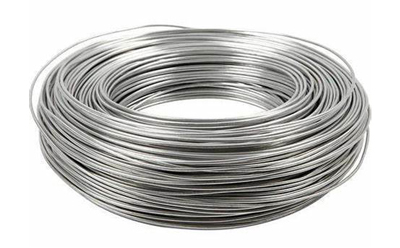

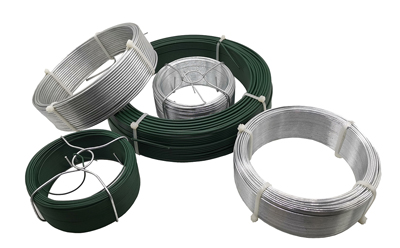
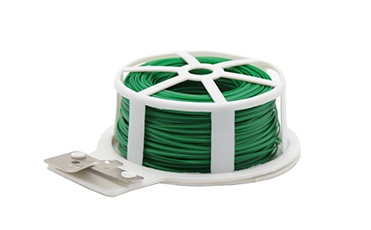






















Aluminum wire is one of the most versatile materials used across industries and creative applications. Known for its lightweight nature, corrosion resistance, and flexibility, it is widely used in construction, electrical work, and arts and crafts. Whether you are working with thin aluminum wire for delicate projects or thick aluminum wire for structural purposes, understanding the different types available can help you choose the right material for your needs.
This guide explores various forms of aluminum wire, including thin aluminium wire, thick bendable craft wire, and soft aluminum wire, highlighting their properties, uses, and benefits.
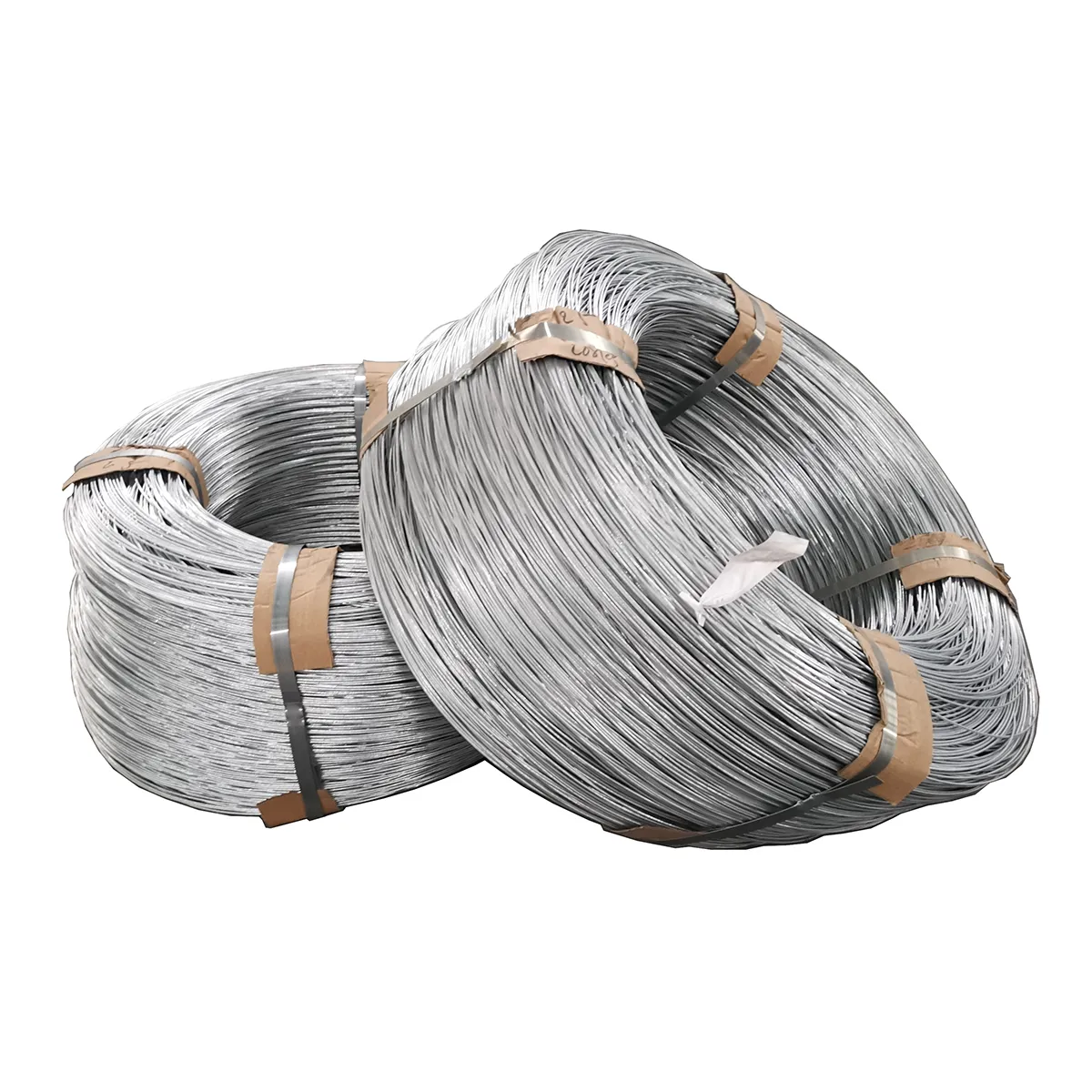
Aluminum wire comes in a wide range of thicknesses and finishes, each designed for specific applications. Choosing the right type depends on factors such as flexibility, strength, and intended use.
Thin Aluminum Wire for Precision Work
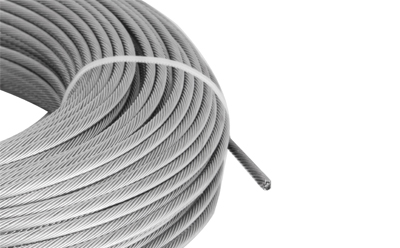
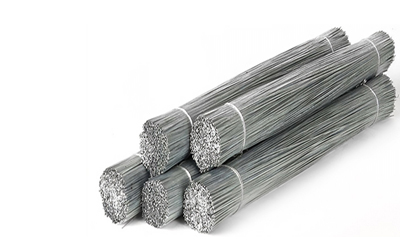
Thin aluminum wire is commonly used in applications that require precision and flexibility. Its lightweight structure makes it easy to handle, cut, and shape, which is why it is popular in crafting, jewelry making, and floral arrangements.
Similarly, thin aluminium wire (the British spelling) offers the same benefits and is widely used in international markets. This type of wire is ideal for wrapping, binding, and creating intricate designs. Artists often use it to build armatures for sculptures or to add fine details to decorative pieces.
Despite its thinness, aluminum wire maintains a good balance between strength and flexibility. It can hold its shape once bent, making it suitable for projects that require stability without adding significant weight.
Thick Aluminum Wire for Strength and Durability
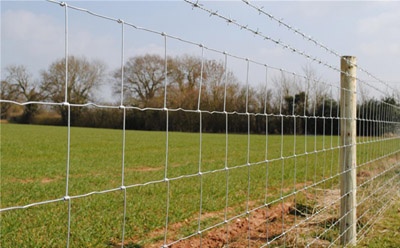
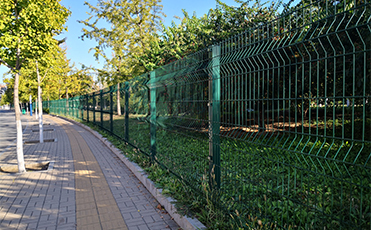
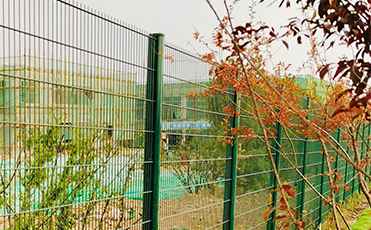
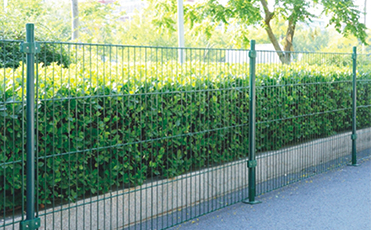
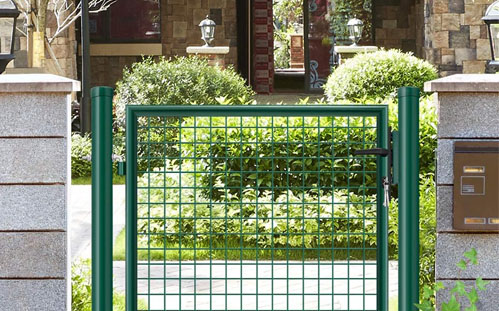
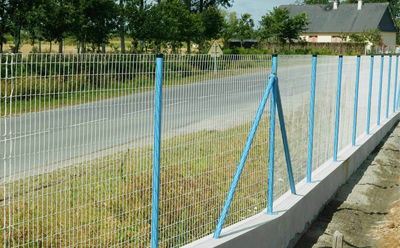
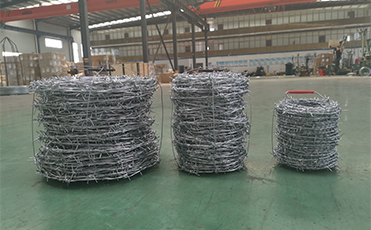
For applications that require more strength, thick aluminum wire is the preferred choice. It is commonly used in construction, fencing, and heavy-duty crafting projects where durability is essential.
Like its counterpart, thick aluminium wire provides excellent resistance to corrosion, making it suitable for outdoor use. This type of wire can withstand environmental factors such as moisture and temperature changes without degrading quickly.
One of the key advantages of thick aluminum wire is its ability to support weight while remaining relatively lightweight compared to other metals. This makes it an efficient option for structural frameworks, garden installations, and even DIY furniture projects.
Thick Bendable Craft Wire for Creative Applications
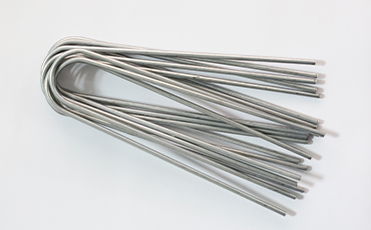
Thick bendable craft wire combines strength with flexibility, making it a favorite among artists and DIY enthusiasts. Unlike rigid wires, this type can be easily shaped by hand or with simple tools, allowing for creative freedom in design.
This wire is often used for making sculptures, decorative frames, and custom home décor items. Its bendable nature allows users to experiment with curves, loops, and complex shapes without the risk of breaking the material.
Additionally, thick bendable craft wire is available in various finishes, including colored coatings and anodized surfaces, which enhance its visual appeal. This makes it not only functional but also aesthetically pleasing for artistic projects.
Aluminum wire offers several advantages that make it a preferred material across different industries and applications.
Lightweight and Easy to Handle
One of the most notable benefits of aluminum wire is its lightweight nature. Whether you are working with thin aluminum wire or thick aluminum wire, it is significantly lighter than steel or copper alternatives.
This makes transportation, installation, and handling much easier, especially for large-scale projects. For crafters, the lightweight property reduces fatigue during extended use and allows for more intricate designs.
Corrosion Resistance and Longevity
Aluminum naturally forms a protective oxide layer that prevents rust and corrosion. This makes thick aluminium wire and other variants ideal for outdoor applications.
Unlike some metals that require additional coatings or treatments, aluminum wire maintains its durability even in challenging environments. This reduces maintenance requirements and extends the lifespan of the material.
Flexibility and Versatility
Flexibility is another key advantage, particularly with soft aluminum wire. This type of wire is designed to be easily bent and shaped without cracking or breaking.
Soft aluminum wire is commonly used in applications that require frequent adjustments or repositioning. It is ideal for crafting, electrical work, and temporary installations where adaptability is important.
The versatility of aluminum wire allows it to be used in a wide range of projects, from simple DIY crafts to complex industrial applications.
Selecting the appropriate aluminum wire involves considering several factors, including thickness, flexibility, and intended use.
Determine the Purpose of Use
The first step is to identify your specific requirements. For detailed and delicate work, thin aluminum wire or thin aluminium wire is the best option. These wires provide precision and ease of manipulation.
For heavy-duty applications, thick aluminum wire or thick aluminium wire offers the strength needed to support weight and withstand stress. If your project requires both strength and flexibility, thick bendable craft wire is an excellent choice.
Consider Flexibility Requirements
Flexibility plays a crucial role in determining the usability of the wire. Soft aluminum wire is ideal for projects that require frequent bending and reshaping.
On the other hand, thicker wires may provide more structural integrity but require tools for shaping. Understanding the balance between flexibility and strength will help you select the right product.
Evaluate Environmental Conditions
If the wire will be used outdoors or in humid conditions, corrosion resistance becomes a key factor. Fortunately, aluminum wire performs well in such environments, but thicker like thick aluminium wire may offer better durability over time.
For indoor use, aesthetic considerations such as color and finish may also influence your decision.
Budget and Availability
Finally, consider your budget and the availability of materials. Aluminum wire is generally cost-effective compared to other metals, making it accessible for both small and large projects.
However, prices may vary depending on thickness, coating, and quality. Investing in higher-quality wire can provide better performance and reduce the need for replacements.
Aluminum wire is a highly adaptable material that serves a wide range of purposes, from delicate crafts to heavy-duty construction. Whether you are using thin aluminum wire for intricate designs or thick aluminum wire for structural applications, understanding the different types and their benefits is essential.
Options like thin aluminium wire, thick bendable craft wire, soft aluminum wire, and thick aluminium wire provide flexibility, durability, and ease of use across various projects.
By carefully considering your needs and selecting the appropriate type of wire, you can achieve better results and ensure the success of your project. With its combination of strength, flexibility, and corrosion resistance, aluminum wire remains a reliable and versatile choice for professionals and hobbyists alike.



Copyright © 2026 Hebei Minmetals Co., Ltd. All Rights Reserved. Sitemap | Privacy Policy | Top Blog丨Menu