












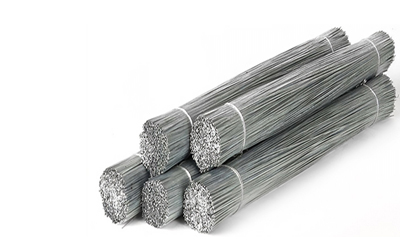
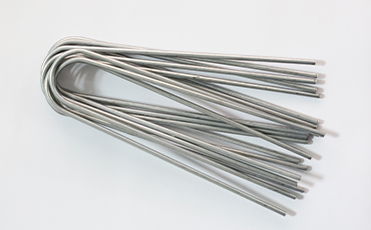
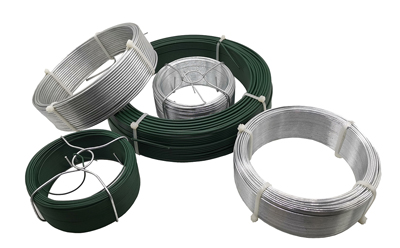
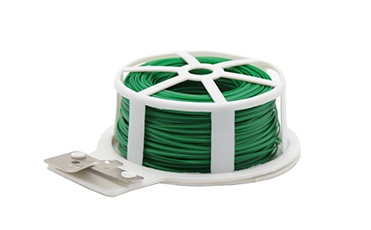

























Aluminum wire is widely used across electrical systems, construction projects, decorative crafts, and industrial manufacturing due to its lightweight properties, corrosion resistance, and excellent conductivity. Among the most commonly referenced types are gold aluminum wire, gauge aluminum wire, flexible aluminum wire, and flexible aluminium wire. Each variation serves a different purpose depending on conductivity requirements, mechanical flexibility, and aesthetic needs. This article explores their characteristics, uses, and advantages in modern applications.
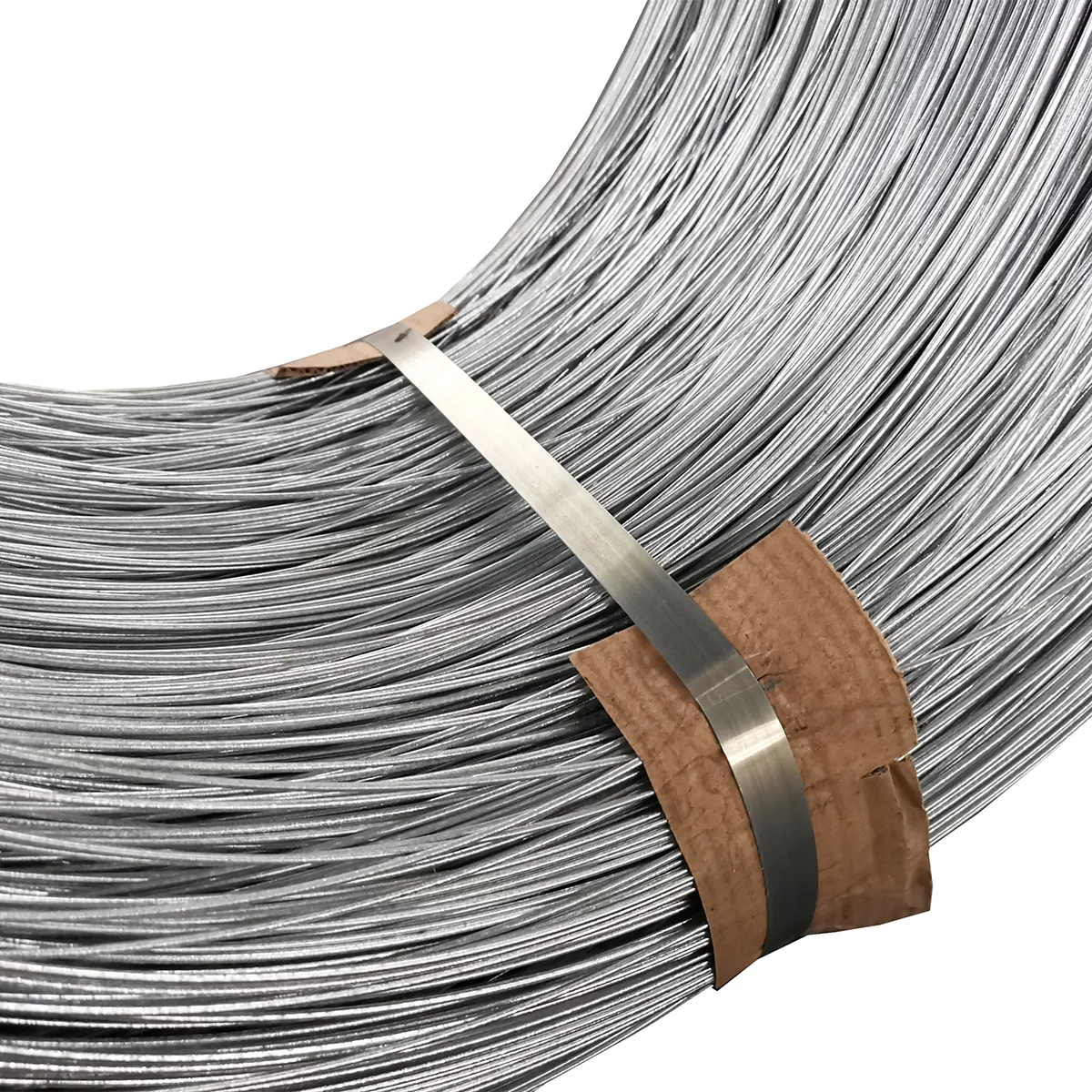
gauge aluminum wire refers to aluminum wire that is classified according to its diameter using the American Wire Gauge (AWG) or similar measurement systems. The term “gauge” is essential because it determines the wire’s electrical capacity, resistance, and physical strength.
In general, a lower gauge number means a thicker wire, while a higher gauge number indicates a thinner wire. For example, a 10-gauge aluminum wire is significantly thicker and can carry more electrical current than a 20-gauge wire. This makes gauge aluminum wire selection critical in electrical engineering and construction projects.
gauge aluminum wire is commonly used in power distribution systems, overhead electrical lines, and grounding applications. Aluminum is preferred over copper in many cases because it is lighter and more cost-effective while still providing adequate conductivity for large-scale transmission.
One of the key advantages of gauge aluminum wire is its balance between weight and performance. In long-distance power transmission, reducing weight is crucial because it minimizes structural load on poles and support systems. Aluminum’s natural corrosion resistance also makes it suitable for outdoor environments.
However, proper gauge selection is essential to avoid overheating or voltage drop. Engineers must carefully calculate load requirements before choosing the appropriate gauge aluminum wire for any installation.
flexible aluminum wire and flexible aluminium wire (British spelling variant) refer to aluminum wires that are specially designed to be highly bendable without breaking. This flexibility is achieved through refined manufacturing processes, including fine strand construction where multiple thin aluminum strands are twisted together.
These wires are widely used in environments where movement, vibration, or frequent repositioning is required. For example, flexible aluminum wire is often found in electrical appliances, automotive wiring systems, and temporary construction installations.
In residential and commercial electrical systems, flexible aluminium wire is used for internal wiring where tight spaces and complex routing paths demand high adaptability. Its ability to bend easily reduces installation time and minimizes the risk of damage during setup.
Another important application of flexible aluminum wire is in lighting systems. LED installations, decorative lighting, and signage often require wires that can be shaped around frames, corners, or irregular structures. The flexibility of this wire makes it ideal for such purposes.
From a mechanical perspective, flexible aluminium wire provides excellent fatigue resistance. Unlike rigid conductors that may crack or break under repeated movement, flexible aluminum strands distribute stress evenly across the wire, increasing durability.
Additionally, aluminum’s lightweight nature reduces strain on connectors and supporting structures. This is particularly important in automotive and aerospace industries, where every gram of weight reduction contributes to improved efficiency and performance.
Despite its advantages, flexible aluminum wire must be properly installed using compatible connectors designed specifically for aluminum conductors. This helps prevent oxidation and ensures long-term electrical stability.
gold aluminum wire refers to aluminum wire that has been coated or anodized to produce a gold-like appearance. While it may not contain actual gold, its surface treatment gives it an attractive metallic finish, making it popular in decorative and artistic applications.
One of the most common uses of gold aluminum wire is in jewelry making and craft design. Artists and designers use it to create earrings, bracelets, sculptures, and ornamental pieces due to its combination of beauty and flexibility. The gold-like appearance enhances visual appeal while keeping material costs low compared to real gold wire.
In interior decoration, gold aluminum wire is used in creative installations, wall art, and architectural detailing. Designers appreciate its ability to hold shapes while maintaining a polished, luxurious look. It can be easily bent into intricate patterns, making it suitable for modern minimalist and artistic interior styles.
Another important application of gold aluminum wire is in event decoration and floral arrangements. Florists use it to support flower structures, wrap bouquets, or create decorative accents for weddings and special events. Its color blends well with elegant themes while remaining lightweight and easy to manipulate.
From an industrial perspective, gold aluminum wire can also be used in light electrical or signaling applications where visual identification is important. The color coding helps distinguish it from other wiring systems in complex installations.
The anodized coating on gold aluminum wire also provides additional protection against corrosion and wear. This enhances durability, especially in humid or outdoor environments, making it suitable for both functional and decorative use.
Selecting the appropriate type of aluminum wire depends on the intended application, environmental conditions, and performance requirements. gauge aluminum wire is primarily used when electrical load capacity and transmission efficiency are critical. It is the backbone of power distribution and infrastructure systems.
On the other hand, flexible aluminum wire and flexible aluminium wire are ideal for dynamic environments where movement and adaptability are required. Their stranded construction allows them to withstand repeated bending without failure, making them suitable for appliances, vehicles, and lighting systems.
For aesthetic and decorative purposes, gold aluminum wire stands out due to its visual appeal and versatility. It is widely used in art, fashion, and interior design, where appearance is just as important as functionality.
Understanding these differences helps engineers, designers, and consumers make informed decisions. Using the correct type of wire not only improves performance but also enhances safety, durability, and cost efficiency.
In modern industries, aluminum wire continues to replace heavier and more expensive materials due to its excellent balance of conductivity, weight, and adaptability. Whether in large-scale power grids, intricate craft designs, or flexible electrical systems, aluminum wire plays a vital role in shaping efficient and innovative solutions.
In conclusion, gold aluminum wire, gauge aluminum wire, flexible aluminum wire, and flexible aluminium wire each serve unique and important functions across multiple industries. Their versatility, lightweight structure, and adaptability make them indispensable materials in both technical and creative fields.



Copyright © 2026 Hebei Minmetals Co., Ltd. All Rights Reserved. Sitemap | Privacy Policy | Top Blog丨Menu