




















In construction, choosing the right fastening material is essential for ensuring structural safety, durability, and long-term performance. Among the most widely used fasteners are construction nails, building nails, metal roofing nails, big construction nails, and galvanized construction nails. These seemingly simple components play a critical role in everything from residential framing to industrial roofing systems. This article explores their types, applications, materials, and best practices for use in modern construction projects.
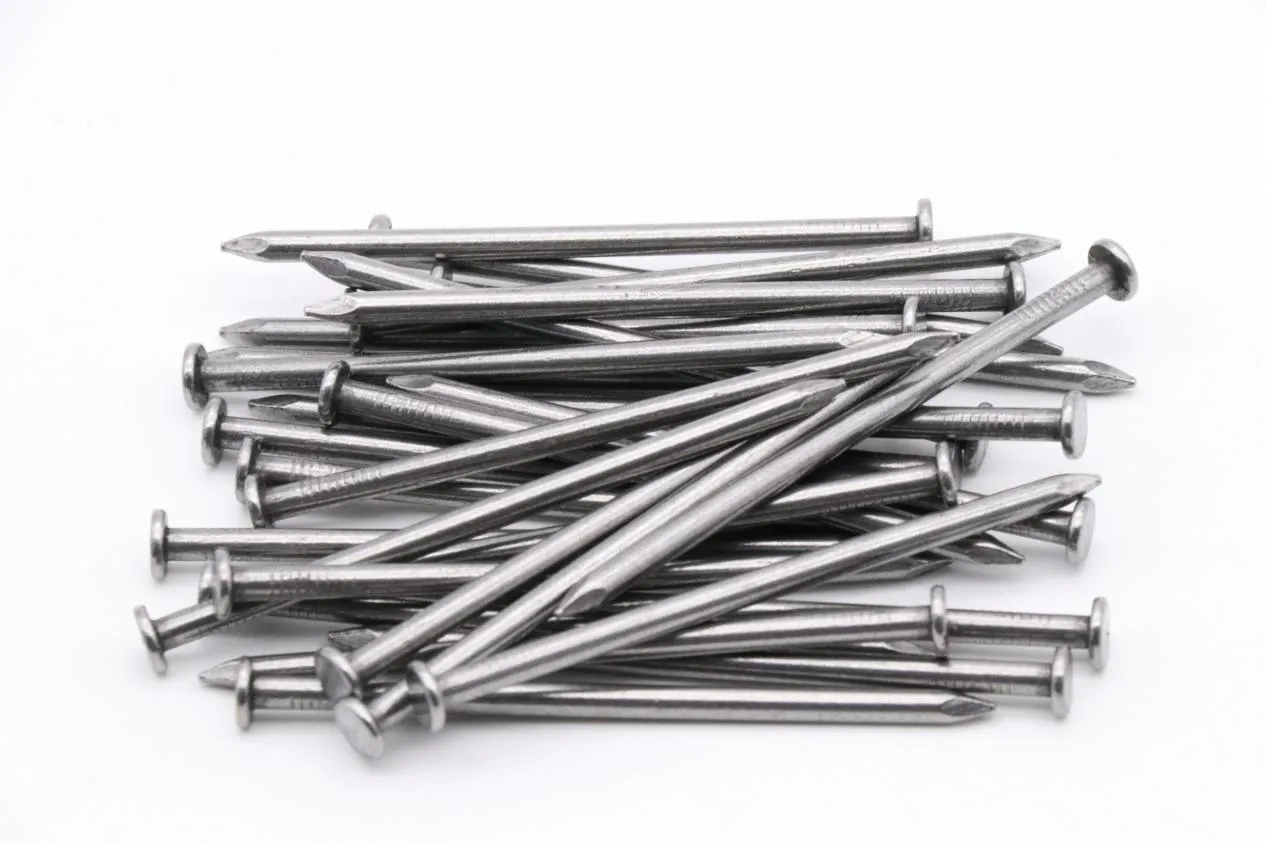
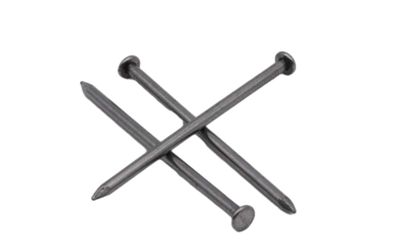
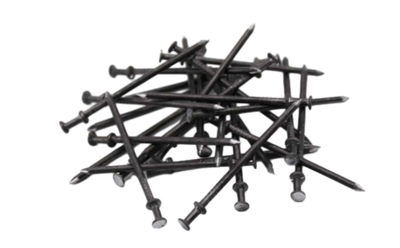
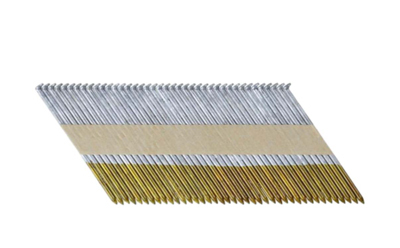
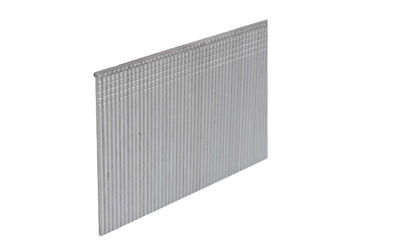
Construction nails and building nails are the foundation of traditional fastening systems used in wood framing, carpentry, and general building work. These nails are designed to provide strong holding power while being easy to drive into wood, engineered lumber, and sometimes soft masonry materials.
Building nails are a broad category that includes many different shapes and sizes, each designed for specific construction tasks. Common examples include common nails, box nails, and sinker nails. The primary difference between these types lies in their thickness, head design, and holding strength.
In most structural applications, construction nails are used for framing walls, assembling wooden structures, and securing subflooring. Their strength ensures that structural components remain firmly connected even under heavy loads and environmental stress such as wind or vibration.
One of the key advantages of building nails is their versatility. They can be used in residential housing, commercial buildings, and even temporary structures. Their affordability and availability make them one of the most widely used fastening solutions in the construction industry.
Additionally, modern construction nails are often designed with improved coatings or surface treatments to enhance performance. These enhancements help reduce corrosion, increase grip strength, and improve long-term durability, especially in outdoor or high-moisture environments.
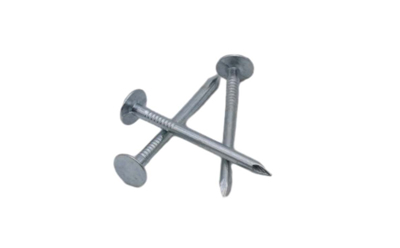
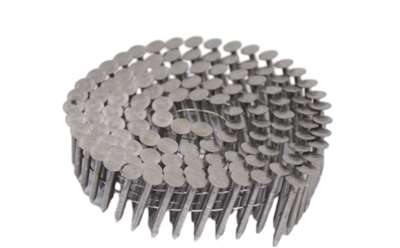
When it comes to roofing systems, metal roofing nails are specifically engineered to secure metal sheets, roofing panels, and insulation layers. These nails typically feature a large flat head that distributes pressure evenly across the surface, preventing damage to thin metal materials.
Metal roofing nails are often made from steel or stainless steel and may include protective coatings such as galvanization. This ensures resistance to rust and corrosion, which is essential for roofing applications exposed to rain, snow, and temperature fluctuations. The shank design of these nails may be smooth or ringed, with ringed shanks providing additional grip to prevent loosening over time.
In industrial and heavy-duty construction projects, big construction nails are used when standard nails are not sufficient. These oversized nails are designed for deep penetration into thick timber beams, large structural supports, and heavy wooden frameworks.
Big construction nails provide superior holding power due to their increased diameter and length. They are commonly used in bridge construction, heavy framing, dock building, and other applications where structural integrity is critical. Because of their size, they often require more force to install, sometimes necessitating pneumatic nail guns or specialized hammers.
The use of metal roofing nails and big construction nails highlights the importance of selecting the correct fastener for each specific application. Using the wrong type of nail can lead to structural failure, leaks in roofing systems, or reduced load-bearing capacity.
In addition, both types are often manufactured with enhanced coatings or materials to withstand harsh environmental conditions. This ensures that they maintain their strength and performance over many years, even in demanding outdoor environments.
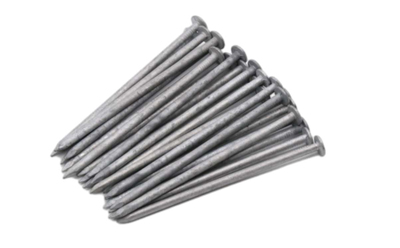
One of the most important advancements in fastening technology is the introduction of galvanized construction nails. These nails are coated with a layer of zinc through hot-dip galvanization or electro-galvanization processes, providing excellent protection against rust and corrosion.
Galvanized construction nails are especially important in outdoor construction projects where exposure to moisture, humidity, and weather elements is unavoidable. This includes decking, fencing, roofing, and exterior framing applications.
The zinc coating on galvanized construction nails acts as a sacrificial layer, meaning it corrodes before the steel beneath it. This significantly extends the lifespan of the nail and ensures long-term structural stability. As a result, these nails are widely used in coastal regions and areas with high rainfall.
Another advantage of galvanized construction nails is their compatibility with treated lumber. Modern pressure-treated wood contains chemicals that can accelerate corrosion in untreated fasteners. Using galvanized nails prevents chemical reactions that could weaken the connection over time.
From a performance perspective, galvanized construction nails offer excellent balance between strength and corrosion resistance. They are available in many forms, including common nails, box nails, and specialized roofing nails, making them suitable for a wide range of construction needs.
Installation of these nails is similar to standard nails, but care should be taken to avoid damaging the protective coating during driving. Once installed properly, they require minimal maintenance and provide reliable long-term performance.
In large-scale construction projects, the use of galvanized construction nails is often required by building codes and engineering standards. This ensures safety, compliance, and durability across all structural components.
Selecting the correct type of nail is essential for achieving optimal results in any construction project. While construction nails and building nails are suitable for general use, specialized applications require more specific solutions such as metal roofing nails or big construction nails.
For outdoor or moisture-prone environments, galvanized construction nails are the preferred choice due to their corrosion resistance. For roofing systems, metal roofing nails ensure secure attachment without damaging roofing materials. For heavy structural work, big construction nails provide the necessary strength and stability.
Understanding material compatibility, environmental conditions, and load requirements helps builders make informed decisions. Using the right nail not only improves safety but also extends the lifespan of the entire structure.
In modern construction, even small components like nails have a significant impact on overall project quality. By choosing appropriate fasteners, contractors and builders can ensure stronger, safer, and more durable results across all types of building applications.



Copyright © 2026 Hebei Minmetals Co., Ltd. All Rights Reserved. Sitemap | Privacy Policy | Top Blog丨Menu