

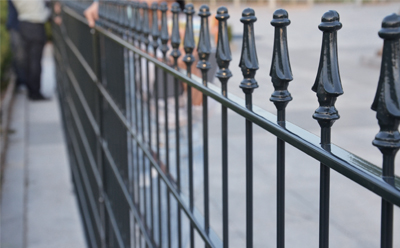
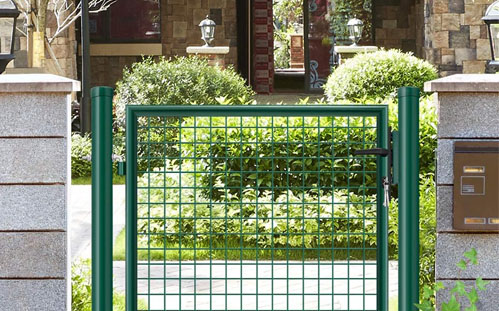
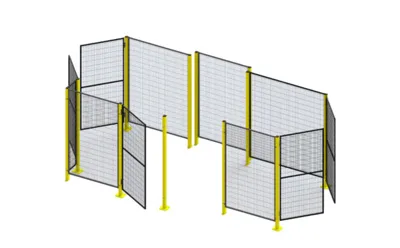
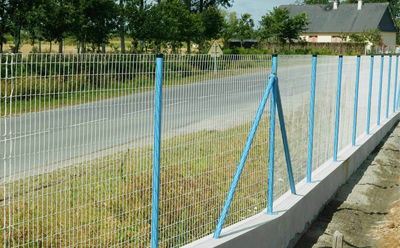
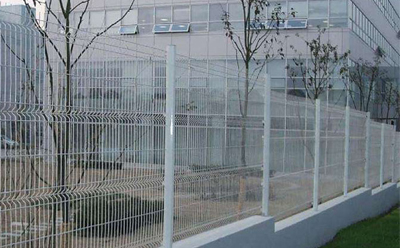
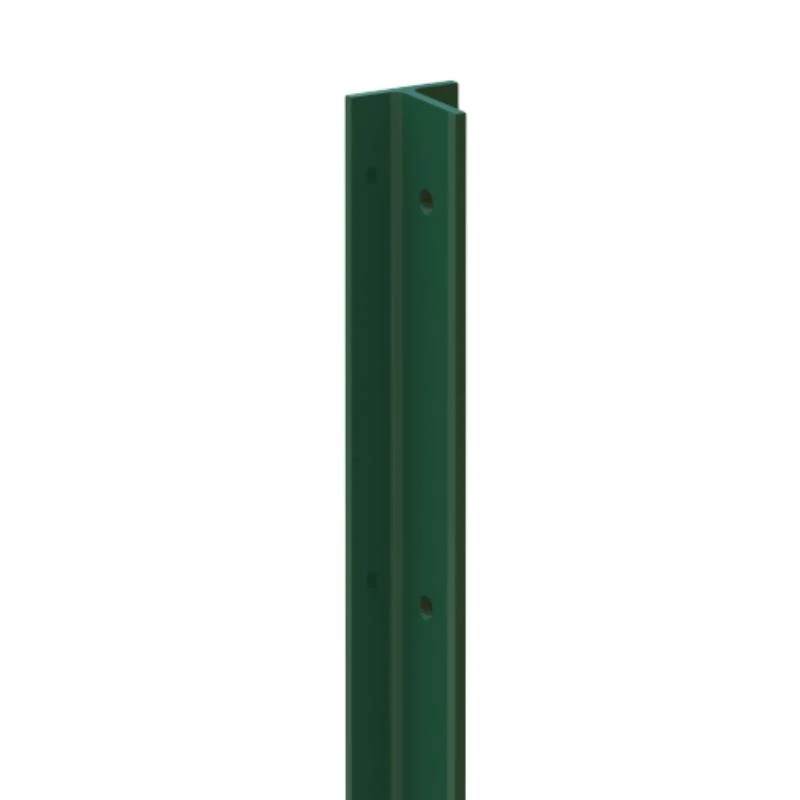
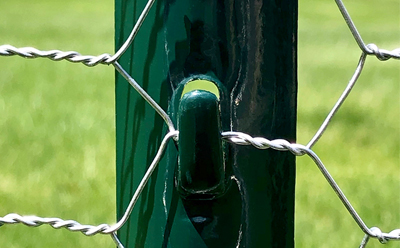
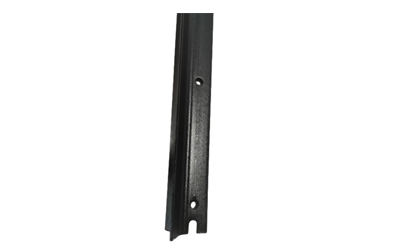
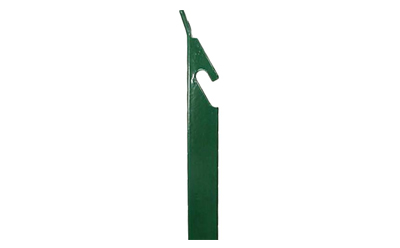
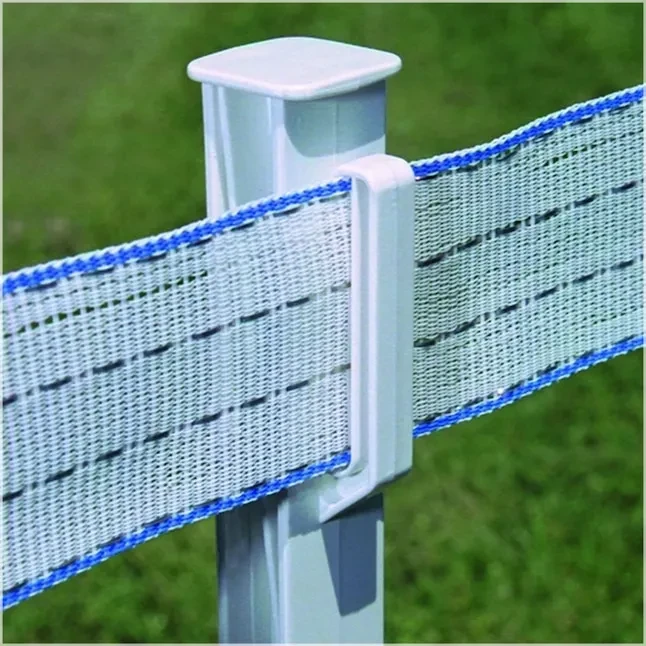
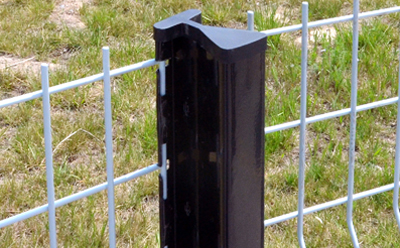
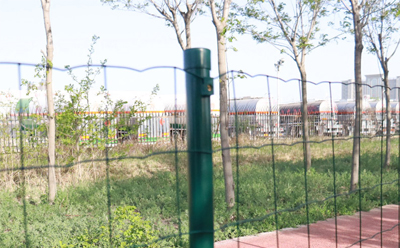
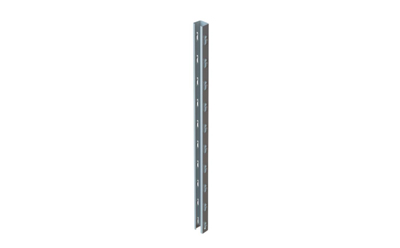
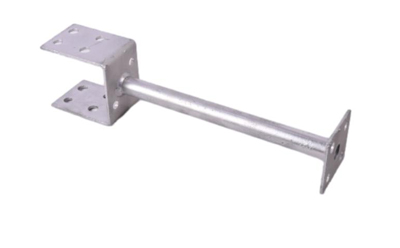
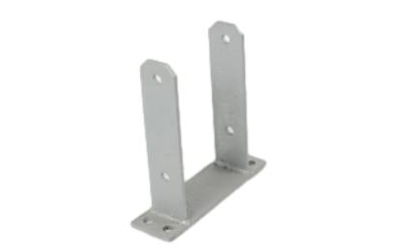
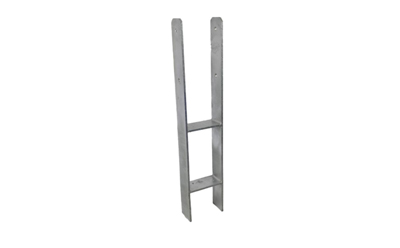
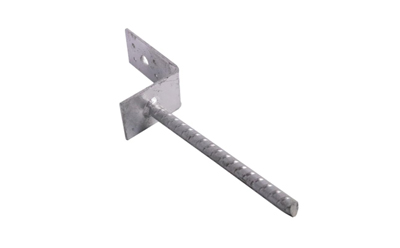


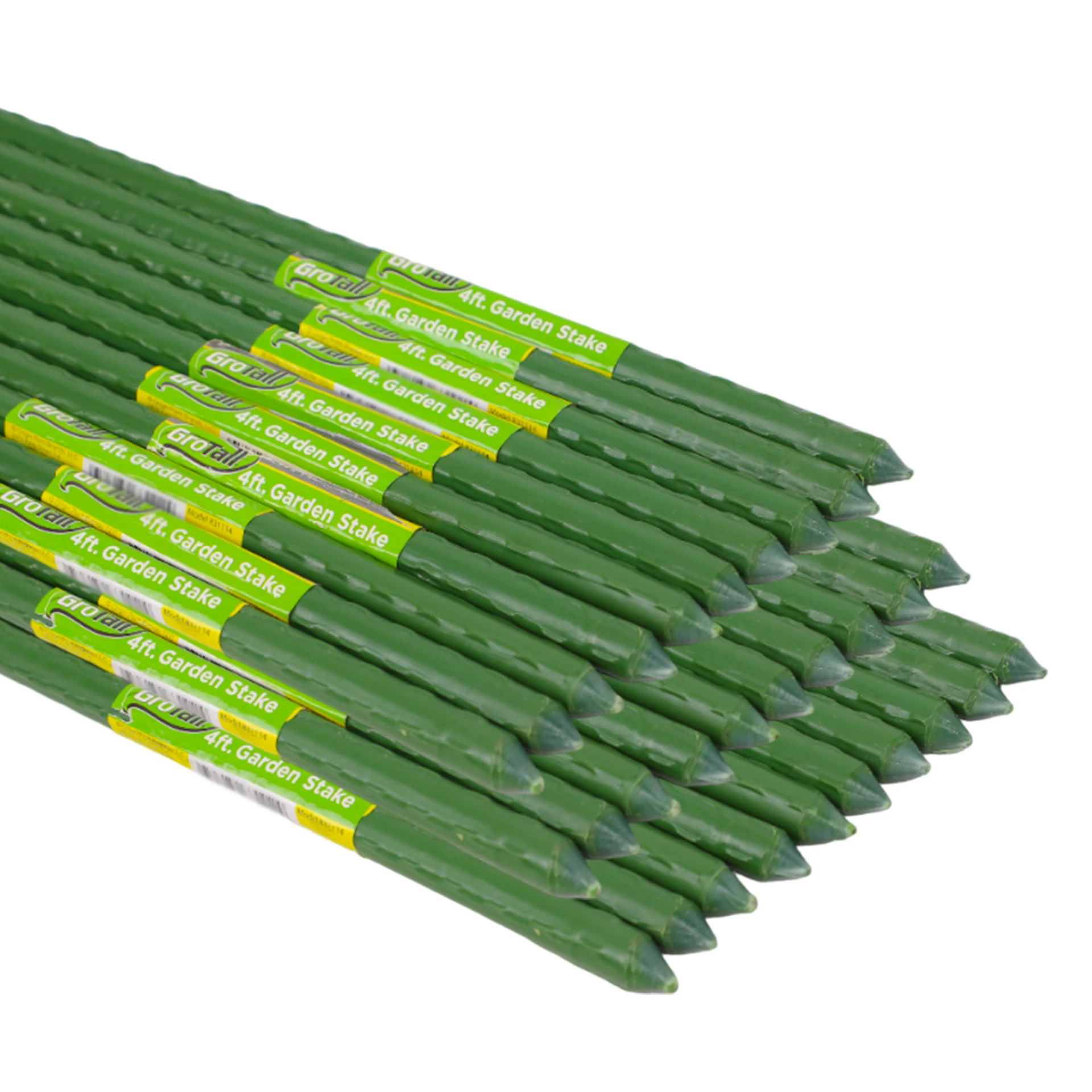










Securing your property with a robust fence requires more than just the fencing material itself. The foundation of a durable fence lies in the quality of its posts. Heavy duty metal fence stakes offer unparalleled strength and longevity, making them a popular choice for both residential and commercial applications. This article explores the benefits, types, and key considerations when selecting metal fence stakes, providing you with the information needed to make an informed decision. Properly installed fence stakes are critical for preventing collapse and ensuring years of reliable performance.
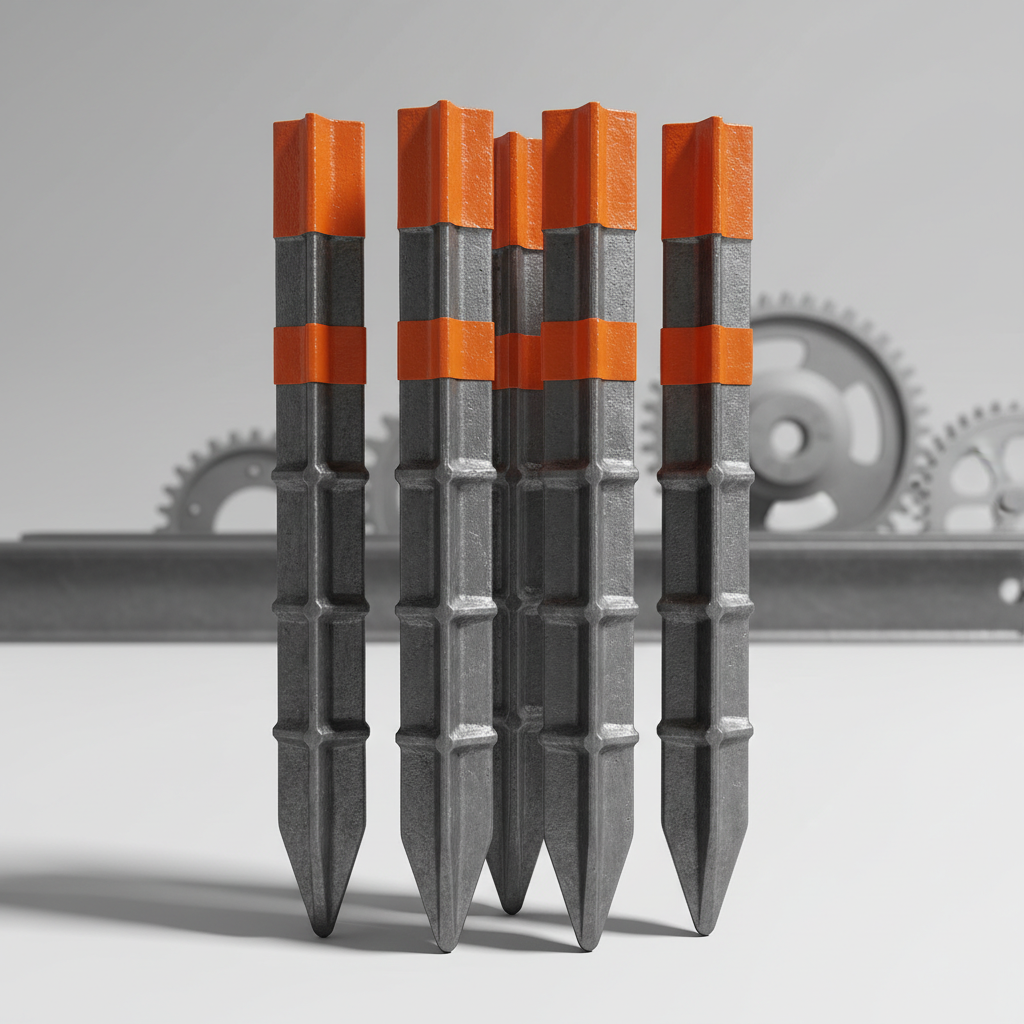
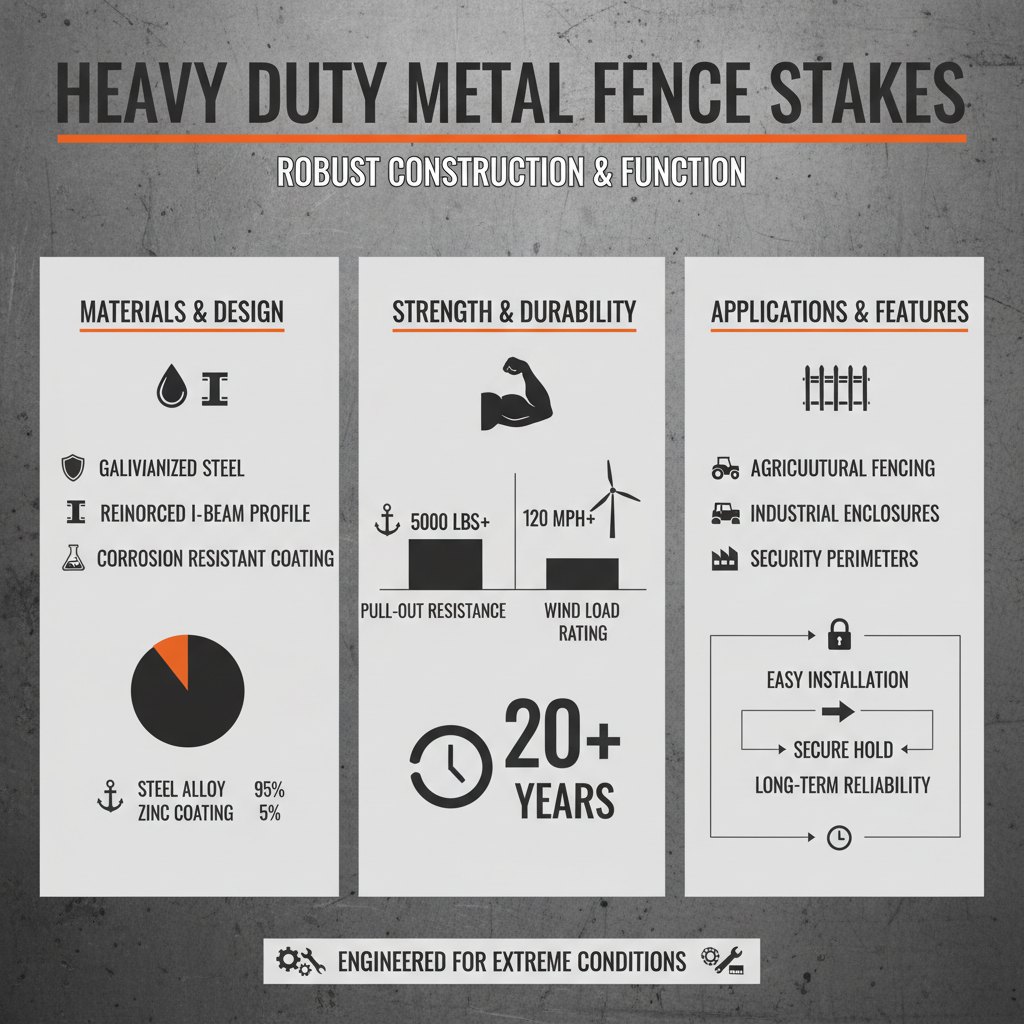
Compared to wood or plastic alternatives, heavy duty metal fence stakes offer significant advantages. They are resistant to rot, decay, and insect damage, resulting in a longer lifespan. Metal stakes provide superior structural integrity, capable of withstanding strong winds and heavy loads. Furthermore, they require minimal maintenance, saving you time and money in the long run. The initial investment in metal stakes is often offset by their durability and reduced replacement costs. Choosing metal demonstrates a commitment to a long-lasting and secure fence solution. Minmetalsglobal.com offers a wide selection of these durable stakes.
Key Advantages: Resistance to rot and decay, superior strength, minimal maintenance, and long lifespan.
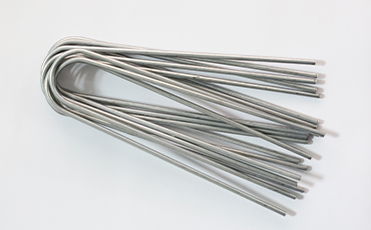
Several types of metal are commonly used for fence stakes, each with its own characteristics and suitability. Steel is a popular choice due to its high strength and affordability. However, it is susceptible to rust if not properly coated. Galvanized steel offers enhanced corrosion resistance through a zinc coating. Aluminum is lightweight and naturally rust-proof, making it ideal for coastal areas. However, it is generally less strong than steel. Finally, stainless steel provides the highest level of corrosion resistance and strength, but it is also the most expensive option. Understanding the differences between these materials is crucial for selecting the best stakes for your specific environment and budget.
Metal Fence Stake Options:
• Steel: Strong and affordable, but prone to rust.
• Galvanized Steel: Enhanced corrosion resistance.
• Aluminum: Lightweight and rust-proof, lower strength.
• Stainless Steel: Highest corrosion resistance and strength, most expensive.
When considering fence post materials, it's important to weigh the pros and cons of each option. Wood is aesthetically pleasing but requires regular treatment to prevent rot and insect infestation. Plastic is affordable but lacks the strength and durability of metal. Concrete is incredibly strong but can be difficult to install and is prone to cracking. Metal stakes offer a balance of strength, longevity, and relatively easy installation. They represent a smart investment for anyone seeking a long-lasting and reliable fencing solution. Explore the range of options available at Minmetalsglobal.com.
Several factors should influence your choice of metal fence stakes. Consider the height and weight of your fencing material. Taller and heavier fences require stronger stakes. The soil type also plays a crucial role – sandy soil requires longer and wider stakes than clay soil. Climate is another important consideration. In areas with heavy snowfall or strong winds, selecting stakes with a high wind resistance rating is essential. Finally, assess the overall aesthetic you desire and choose stakes that complement your fencing material and property style.
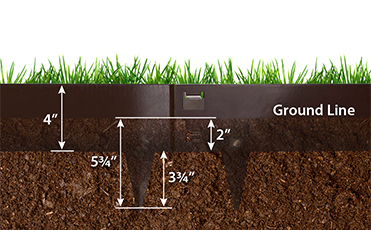
The depth at which you should bury your fence stakes depends on several factors, including the height of the fence, the soil type, and the local climate. As a general rule, you should bury at least 1/3 of the stake’s total length. For example, a 6-foot stake should be buried at least 2 feet deep. In areas with strong winds or frost heave, you may need to bury the stakes deeper. For sandy soil, a deeper burial is also recommended to ensure adequate stability. Consulting a fencing professional is always a good idea to determine the optimal depth for your specific situation.
Proper installation is crucial for ensuring the stability of your fence. First, dig holes that are appropriately sized for the stakes. You can use a post hole digger or an auger. Add a layer of gravel to the bottom of the hole for drainage. Insert the stake into the hole and ensure it is plumb (perfectly vertical). Backfill the hole with concrete or compacted soil, ensuring it is thoroughly packed around the stake. Allow the concrete to cure completely before attaching the fencing material.
Rust prevention is essential for the longevity of steel fence stakes. Galvanization is the most common method, providing a protective zinc coating. You can also apply a rust-inhibiting primer and paint specifically designed for metal surfaces. Regularly inspect the stakes for any signs of rust and address them promptly. Consider applying a protective coating annually, especially in coastal or humid environments. Choosing high-quality galvanized or stainless steel stakes is the best way to minimize rust issues.
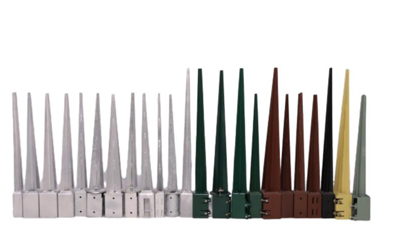
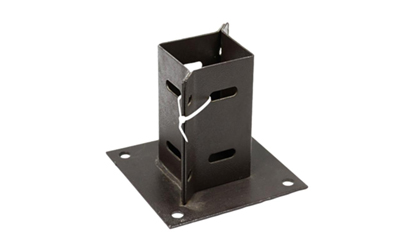
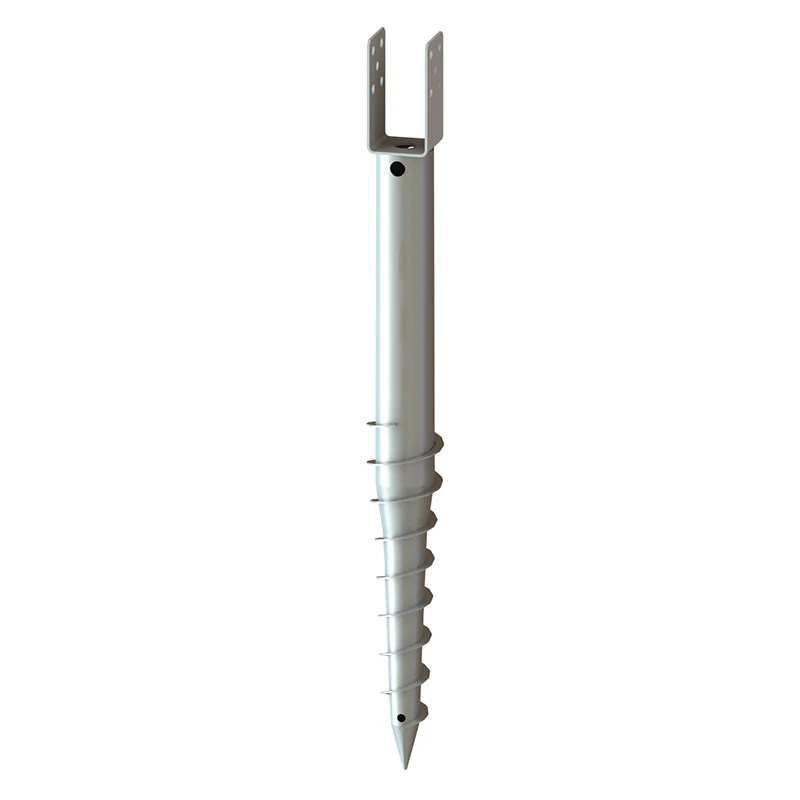
Yes, metal fence stakes come in various point styles. Common options include pointed stakes, which are driven directly into the ground, and flat-bottomed stakes, which are designed for use with concrete. Some stakes feature a pilot point for easier installation. The best point style for your project depends on the soil type and the installation method you choose. Pointed stakes are generally suitable for softer soils, while flat-bottomed stakes are ideal for concrete installations.



Copyright © 2026 Hebei Minmetals Co., Ltd. All Rights Reserved. Sitemap | Privacy Policy | Top Blog丨Menu