




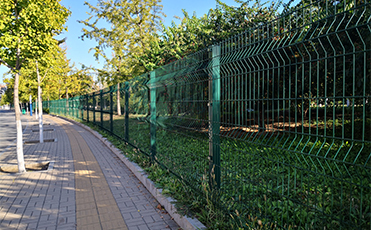
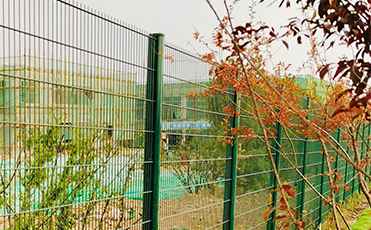
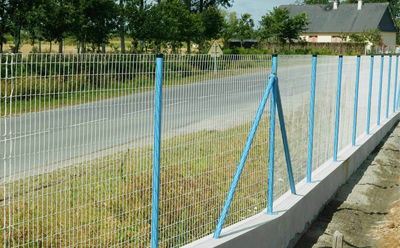
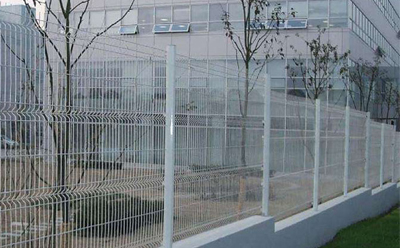
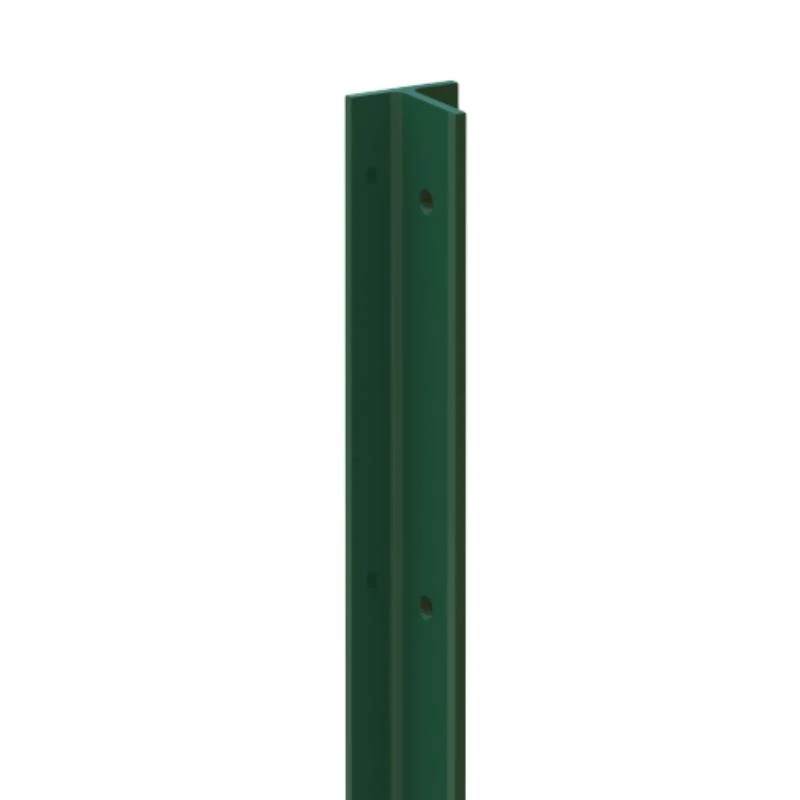
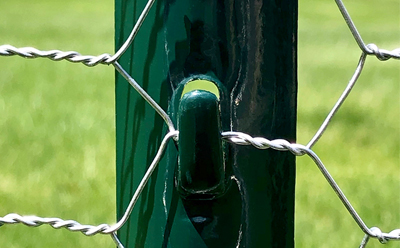
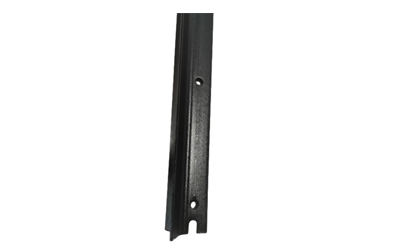
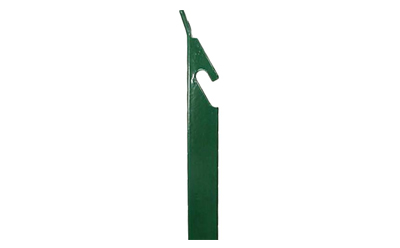
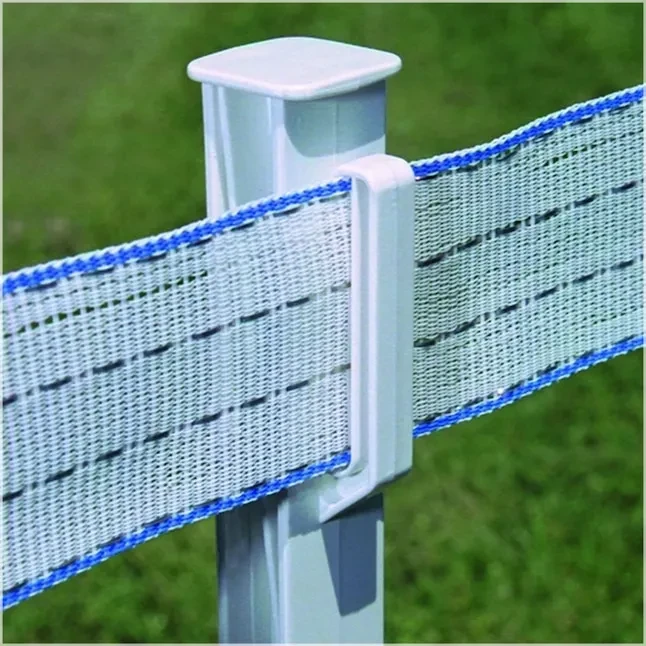
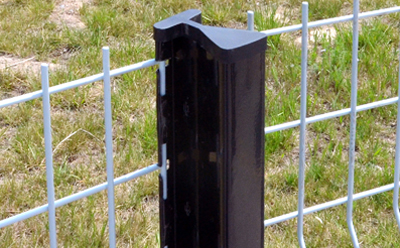
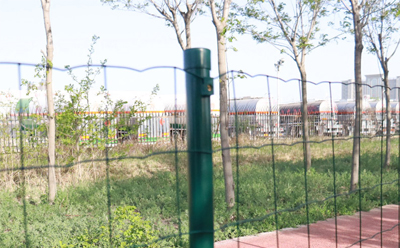
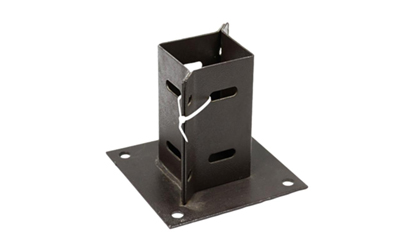
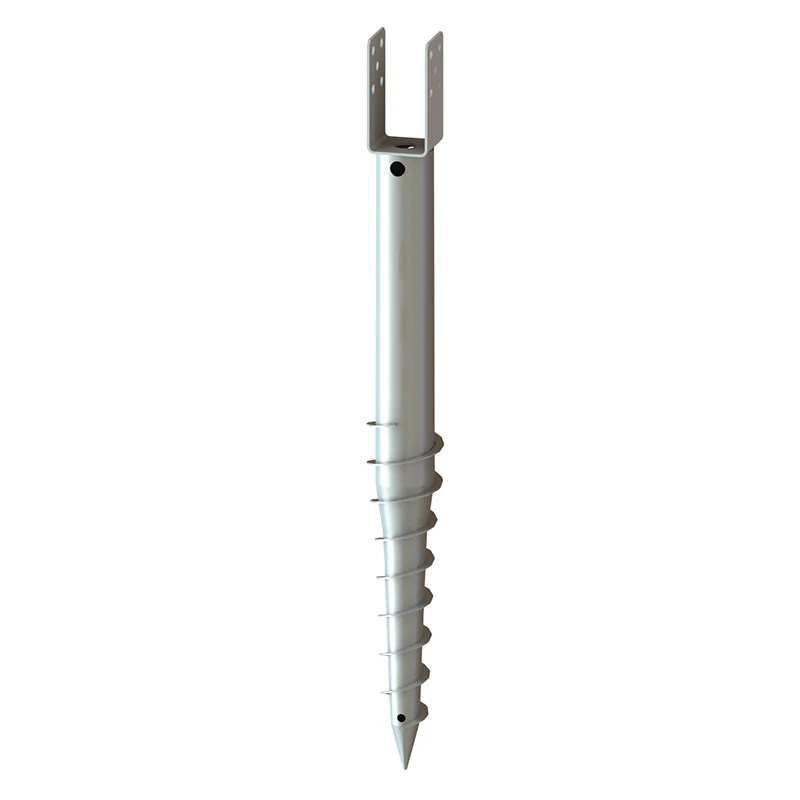
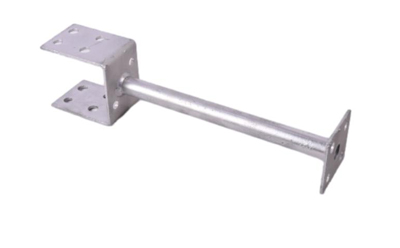
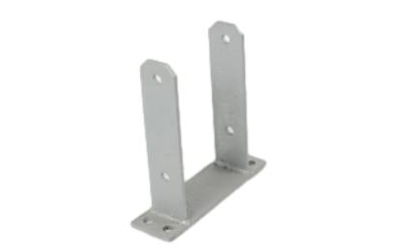
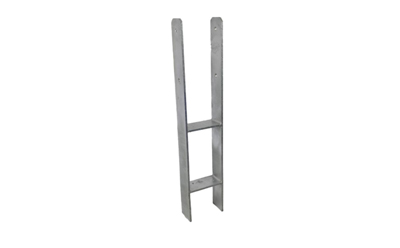
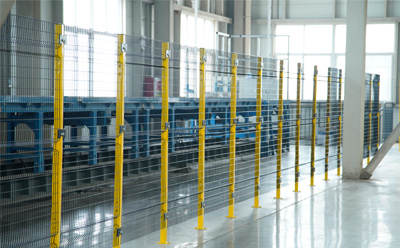














Ensuring the safety and containment of your horses is paramount. Metal electric fence posts for horses provide a robust and reliable solution for creating secure paddocks and pastures. Unlike traditional wood posts, metal posts offer durability, longevity, and reduced maintenance. This article will explore the benefits of metal electric fence posts, factors to consider when choosing them, installation tips, and why Minmetals Global is a trusted supplier. We’ll cover everything you need to know to create a safe and effective fencing system for your equine companions.
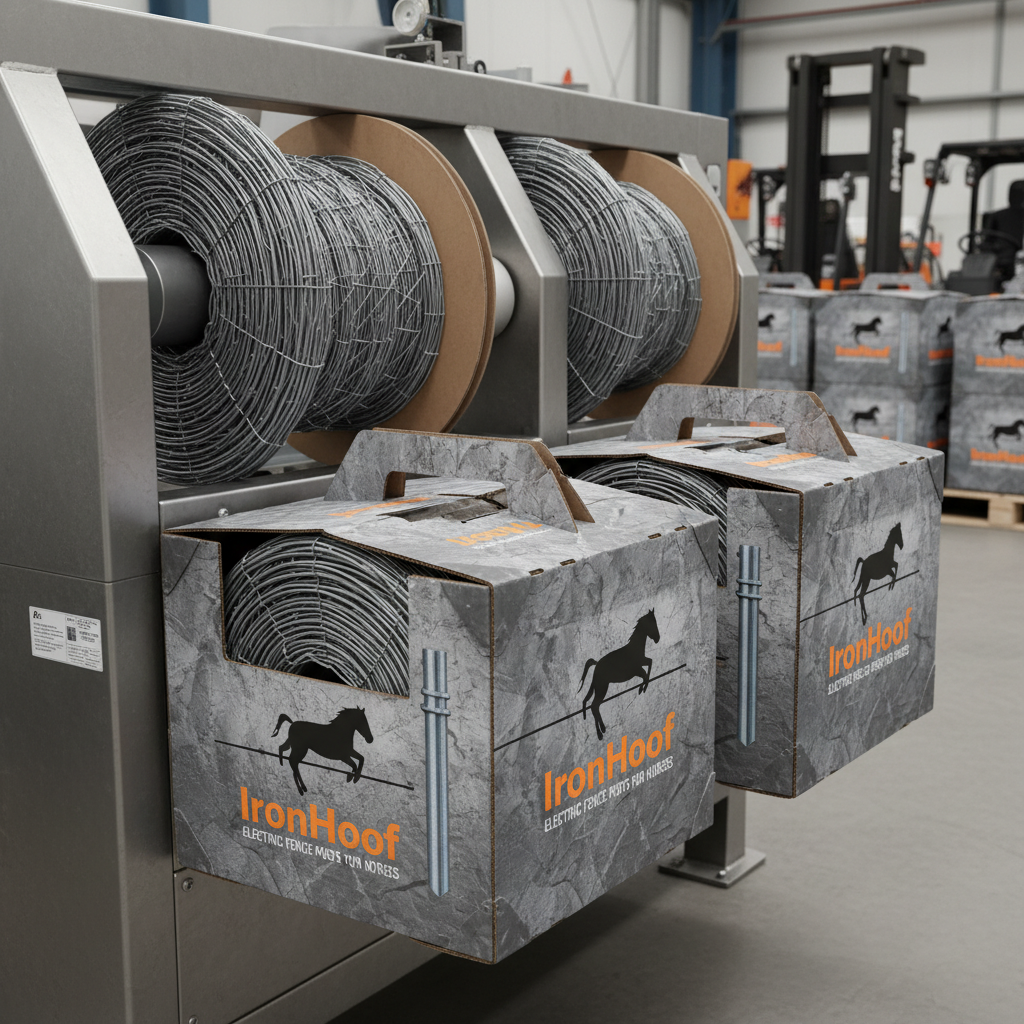
Metal electric fence posts offer significant advantages over wood or fiberglass alternatives. They are resistant to rot, decay, and insect damage, resulting in a much longer lifespan. The strength of metal provides superior stability, even in challenging terrain or with larger horses. Furthermore, metal posts require minimal maintenance – no painting, staining, or replacing. Their ability to conduct electricity effectively ensures a reliable shock, deterring horses from testing the fence line. This contributes to a safer environment for your animals and reduced repair costs. Minmetals Global’s range of posts provides various options to meet your specific needs.
Key Benefits: Durability, longevity, low maintenance, effective conductivity, superior stability, cost-effective in the long run.
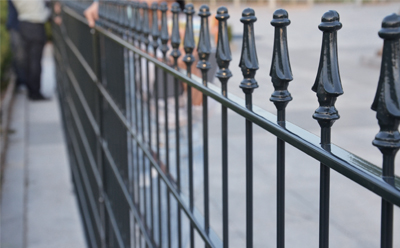
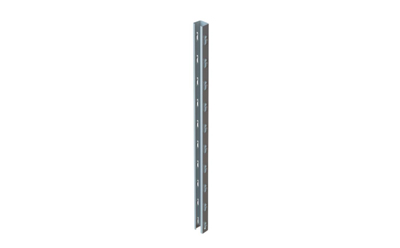
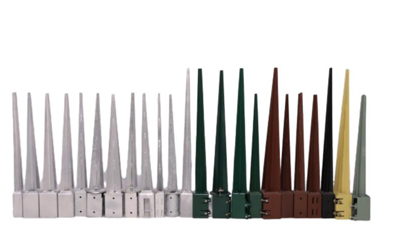
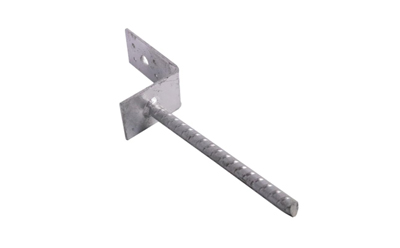
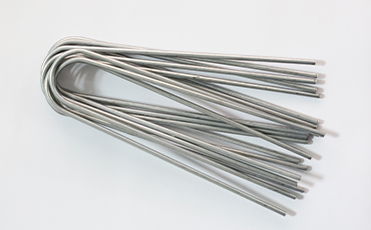
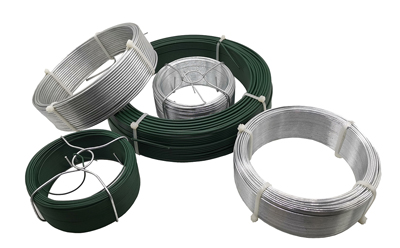
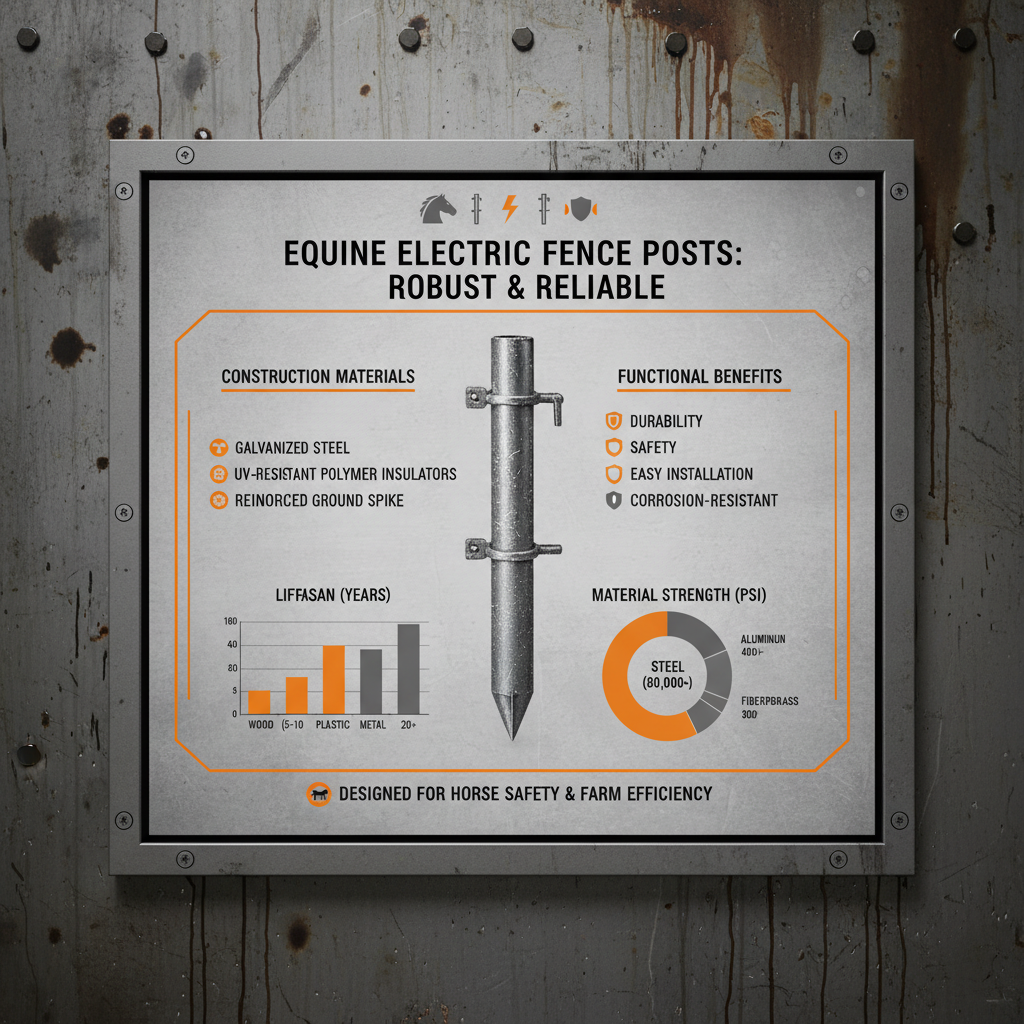
Several types of metal electric fence posts are available, each with its own strengths and weaknesses. The most common options include galvanized steel posts, stainless steel posts, and powder-coated steel posts. Galvanized steel posts are affordable and offer good corrosion resistance, making them suitable for most environments. Stainless steel posts provide superior corrosion resistance, ideal for coastal or humid regions. Powder-coated steel posts offer a durable and aesthetically pleasing finish, available in various colors.
Post Type Comparison:
• Galvanized Steel: Affordable, good corrosion resistance.
• Stainless Steel: Superior corrosion resistance, ideal for harsh climates.
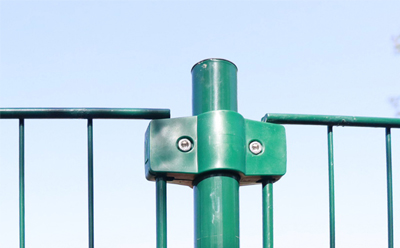
• Powder-Coated Steel: Durable finish, aesthetic appeal, good corrosion protection.
Choosing the right material for your metal electric fence posts depends on your budget, climate, and the size and temperament of your horses. Here's a comparison to help you make an informed decision. It's important to consider the long-term cost-effectiveness, factoring in durability and maintenance requirements.
Proper installation is crucial for ensuring the effectiveness of your electric fence. Ensure posts are spaced appropriately based on the terrain and the horses you're containing. Generally, spacing between 8 and 12 feet is recommended. Drive the posts deep enough into the ground to provide stability – at least 2-3 feet is ideal. Use an electric fence energizer with sufficient power for the length of your fence and the size of your herd. Regularly check the fence line for damage and ensure the energizer is functioning correctly.
Minmetals Global is a leading supplier of high-quality metal electric fence posts. We offer a wide selection of materials, sizes, and finishes to meet your specific requirements. Our commitment to quality, competitive pricing, and exceptional customer service makes us a trusted partner for horse owners and farm managers. We source our materials from reputable manufacturers and adhere to strict quality control standards.
Investing in metal electric fence posts for horses from Minmetals Global is a smart choice for ensuring the safety and security of your equine companions. Their durability, low maintenance, and effectiveness make them a cost-effective solution in the long run. Contact us today to discuss your fencing needs and receive a quote.
The ideal post spacing depends on several factors, including terrain, horse breed, and fence height. Generally, a spacing of 8-12 feet is recommended for level ground. In hilly or uneven terrain, closer spacing (6-8 feet) is advised for better stability. For larger horses or those prone to leaning, reduce the spacing to prevent them from reaching over or under the fence. Using corner and end posts with additional bracing is also essential to maintain fence tension and prevent sagging.
Proper grounding is crucial for the effectiveness of an electric fence. You'll need to install at least two grounding rods, typically 8 feet in length, spaced at least 6-8 feet apart. Drive the rods completely into moist soil. Connect the grounding rods to the fence energizer using heavy-gauge grounding wire. Regularly check the grounding system for corrosion and ensure a strong connection. In dry climates, you may need to water the area around the grounding rods periodically to maintain conductivity.
The size of the energizer depends on the length of your fence and the number of horses. As a general guideline, you’ll need more power for longer fences and horses that are more likely to challenge the fence. A 1-2 joule energizer is suitable for short fences (less than 1 mile) with a small number of horses. For longer fences (2-5 miles) or larger herds, a 5-10 joule energizer is recommended. Consult with Minmetals Global or an electric fence specialist for personalized recommendations.
Regular inspection is vital for maintaining the effectiveness and safety of your electric fence. Inspect the fence line at least weekly, or more frequently during periods of high growth or inclement weather. Check for broken wires, loose connections, sagging posts, and vegetation touching the fence. Clear any vegetation that could short-circuit the fence. Ensure the energizer is functioning correctly and delivering a consistent shock.



Copyright © 2026 Hebei Minmetals Co., Ltd. All Rights Reserved. Sitemap | Privacy Policy | Top Blog丨Menu