

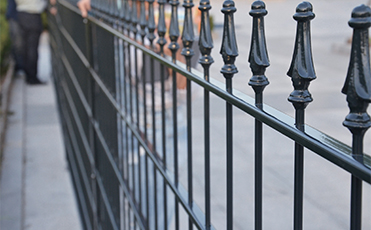
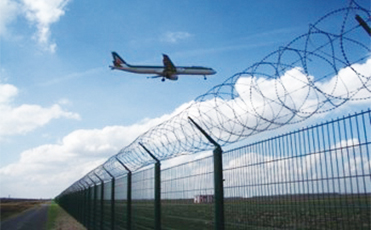
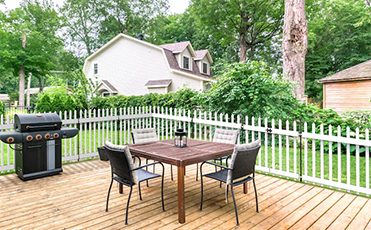
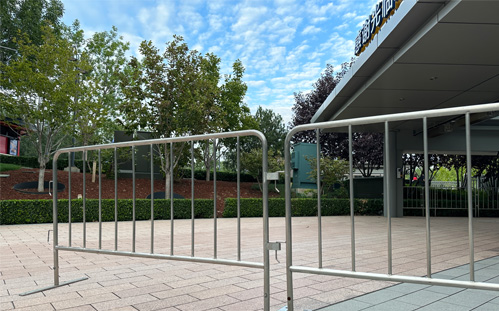
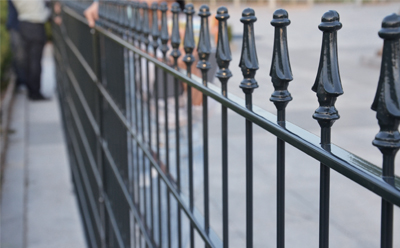
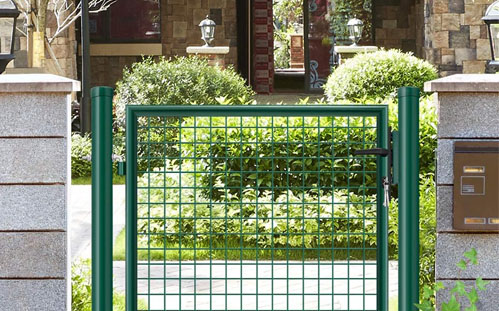
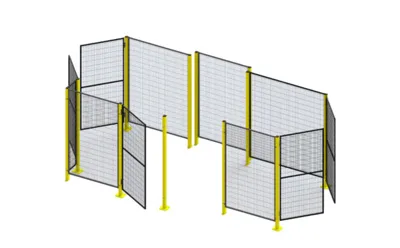
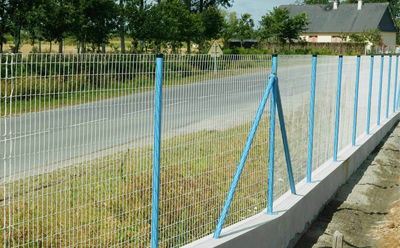
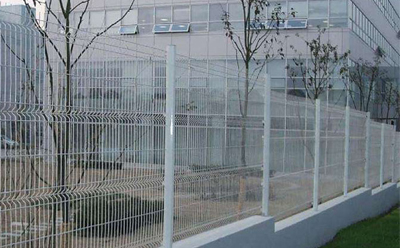
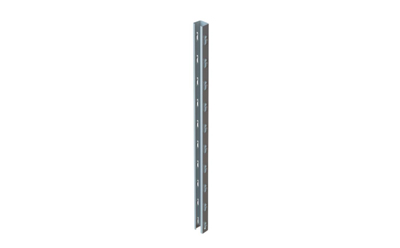
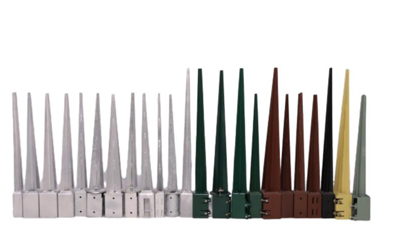
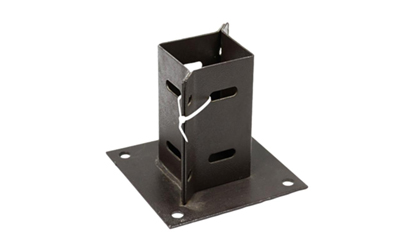
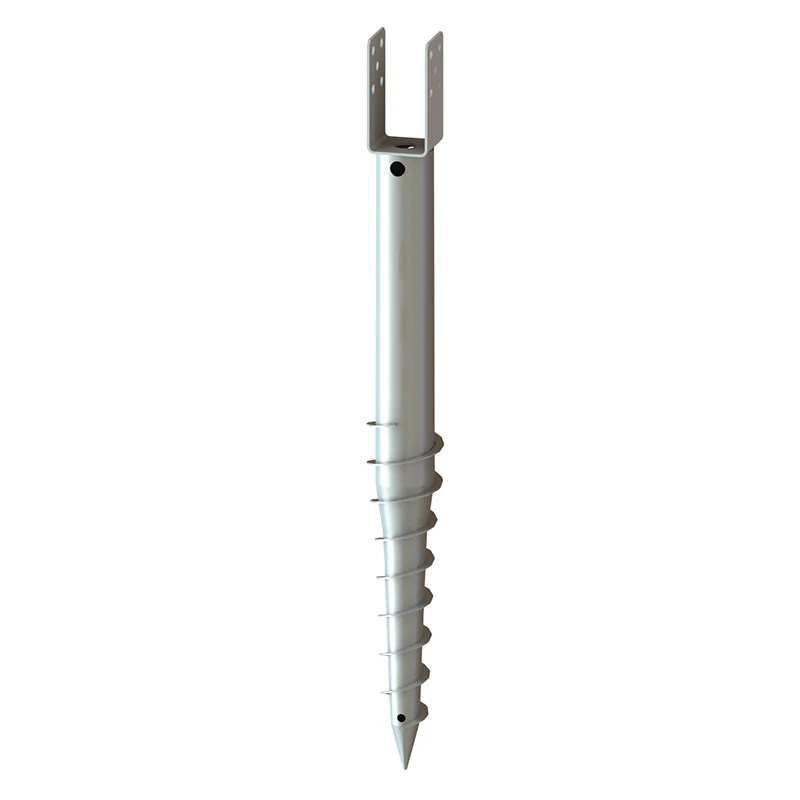
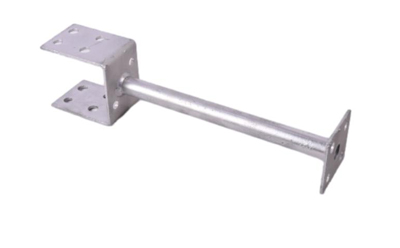
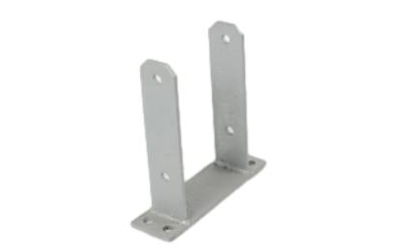
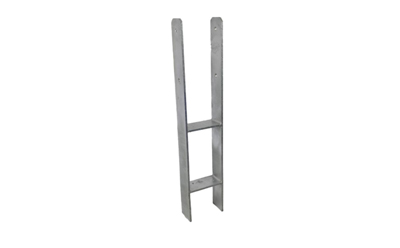
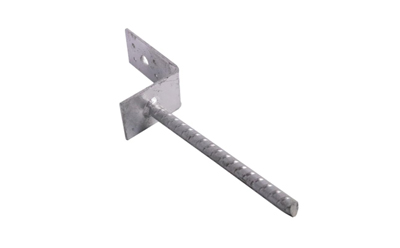
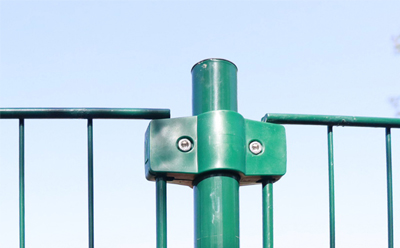
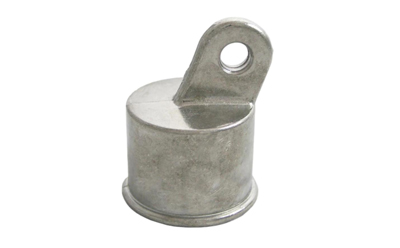
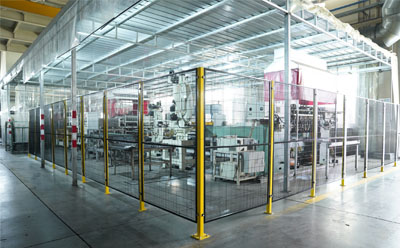
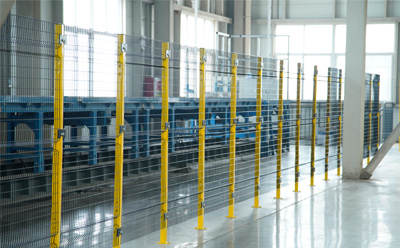


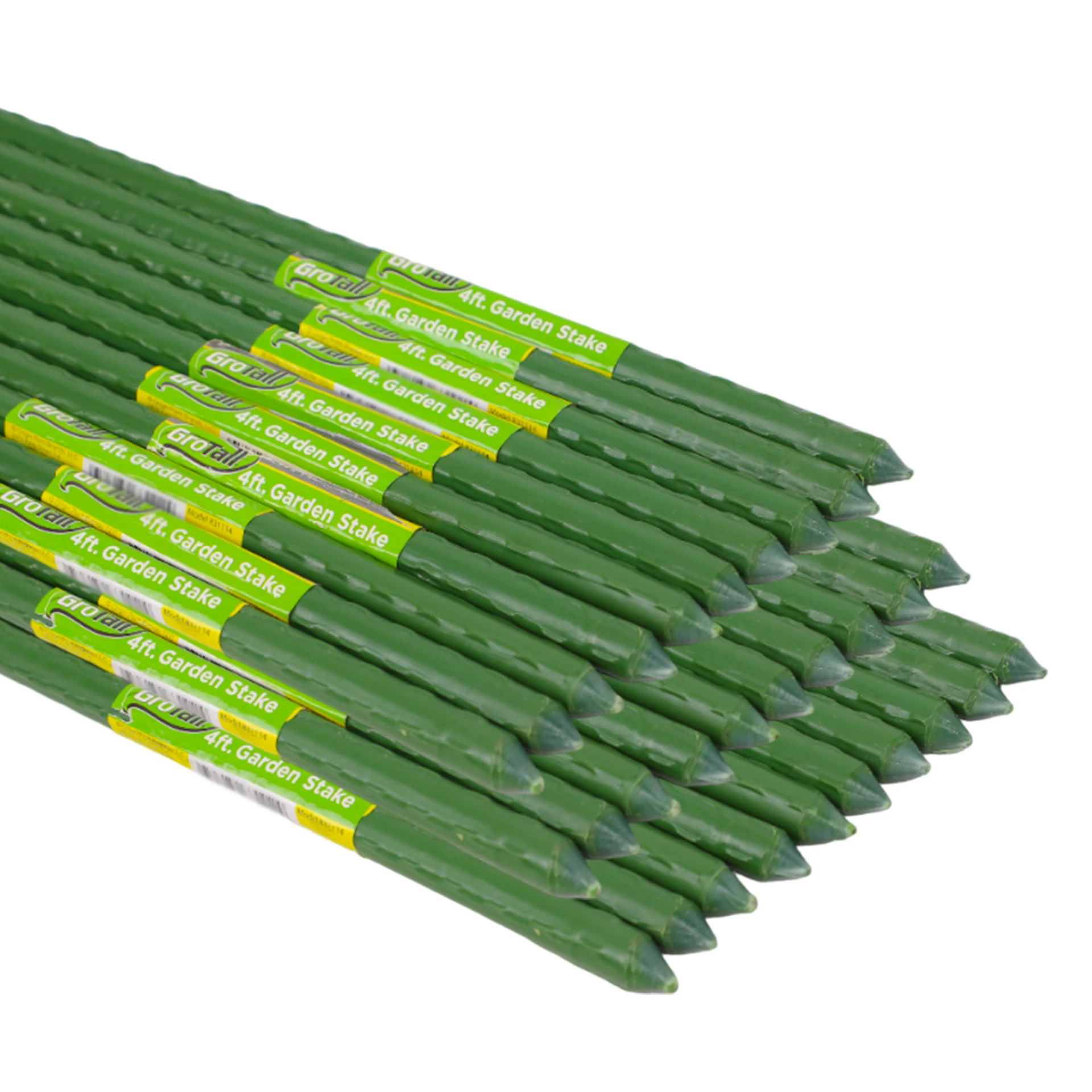










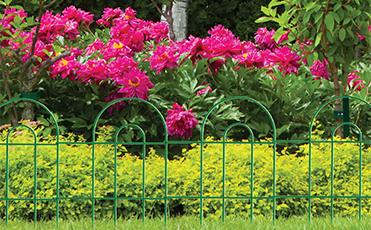
Rope fencing offers an elegant and versatile solution for boundary delineation, livestock control, and aesthetic enhancements. However, a robust and durable support system is crucial for its longevity and effectiveness. Metal posts for rope fencing are the preferred choice for many applications, offering superior strength and stability compared to wood or other materials. This article will explore the different types of metal posts available, their benefits, installation considerations, and factors to consider when choosing the right posts for your specific needs. Investing in quality metal posts ensures a long-lasting and visually appealing fence.
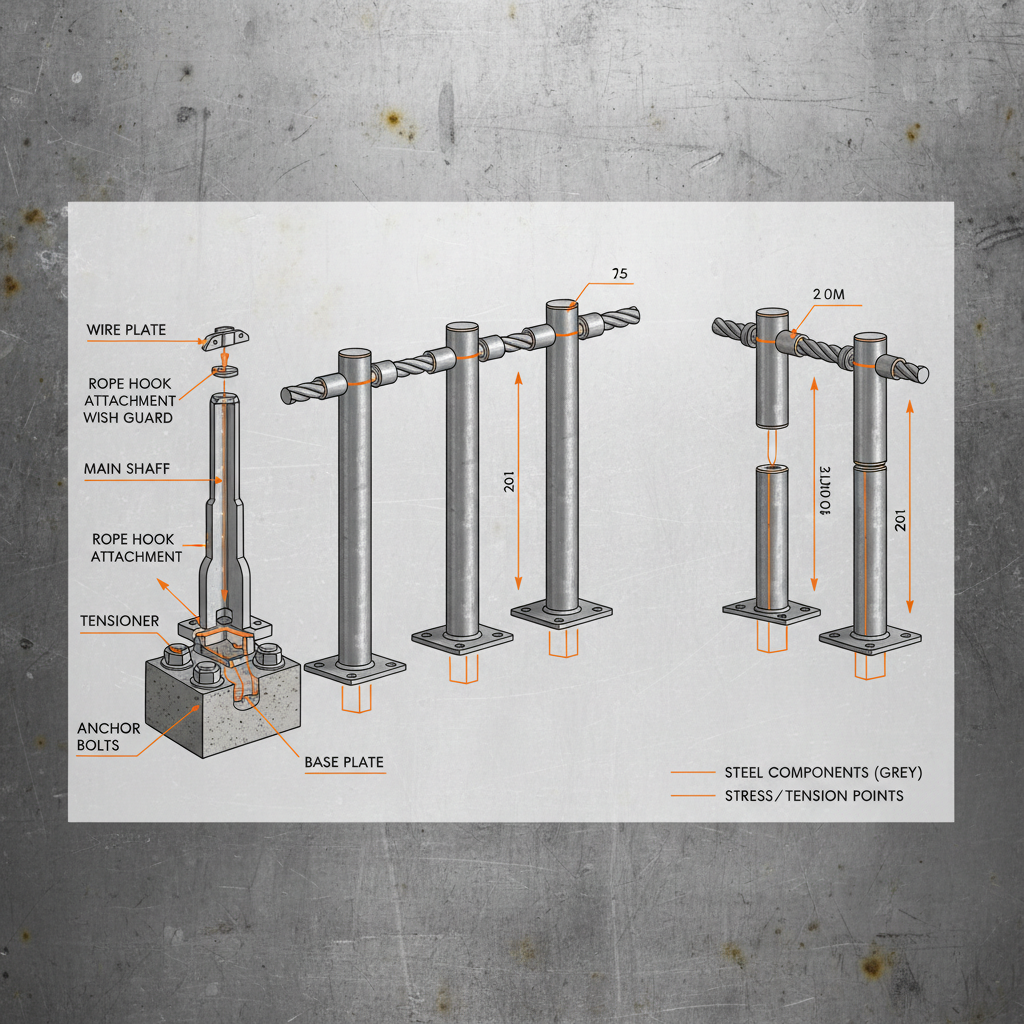
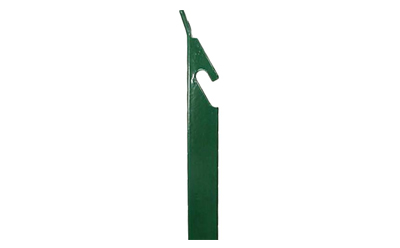
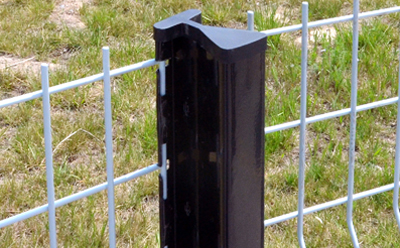
Several types of metal posts are commonly used for rope fencing, each with its own advantages and disadvantages. These include steel posts, galvanized steel posts, and aluminum posts. Steel posts offer excellent strength but are susceptible to rust if not properly treated. Galvanized steel posts are coated with zinc to provide corrosion resistance, making them a more durable option. Aluminum posts are lightweight and naturally rust-resistant, making them ideal for coastal areas or environments where corrosion is a concern. The choice depends on your budget, the level of corrosion risk, and the desired aesthetic.
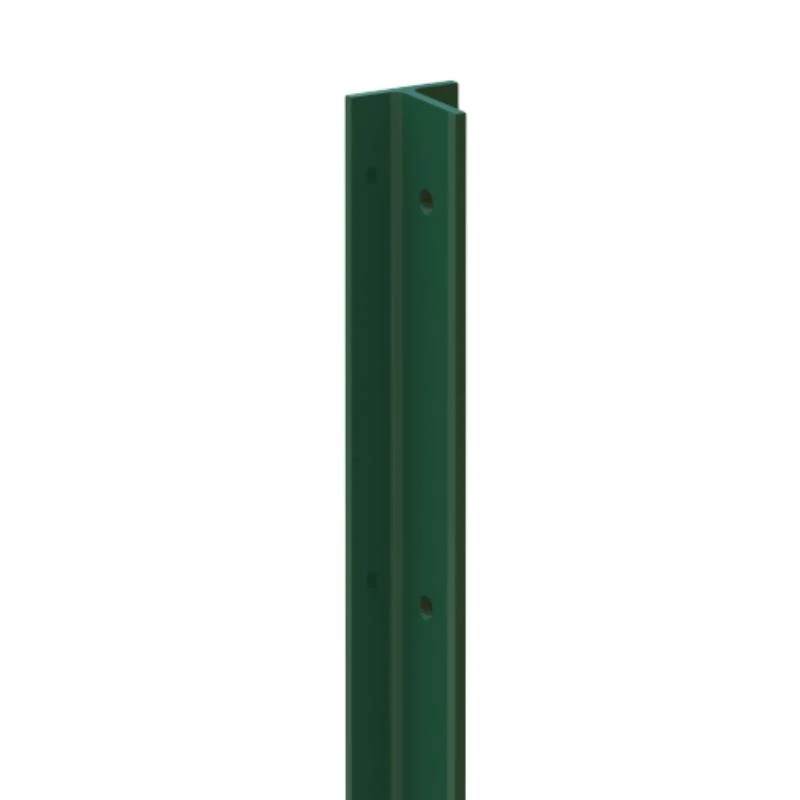
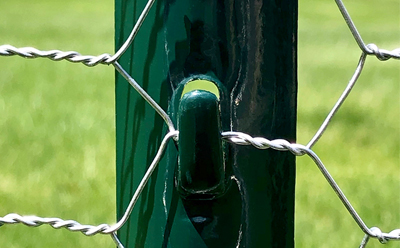
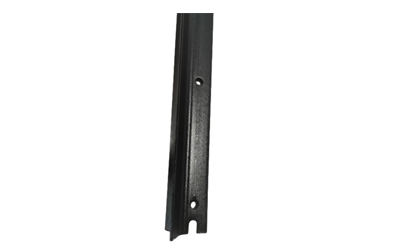
Key Considerations: When selecting metal posts, consider the post's gauge (thickness), coating, and whether it’s designed with pre-drilled holes or features for easy rope attachment.
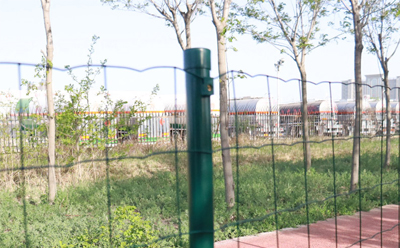
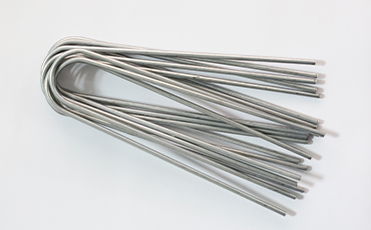
Galvanized steel posts are a popular choice due to their balance of strength, durability, and cost-effectiveness. The galvanization process coats the steel with a layer of zinc, protecting it from rust and corrosion. This makes them suitable for a wide range of environments, including those with high humidity or exposure to saltwater. They are available in various heights and gauges, catering to different fencing needs. Choosing the correct gauge is critical; thicker gauge posts provide greater strength and resistance to bending. Minmetalsglobal offers a variety of galvanized steel posts designed for long-lasting performance.
Benefits of Galvanized Steel Posts:
• Corrosion Resistance
• High Strength & Durability
• Cost-Effective
• Versatile for Various Applications
Selecting the best metal post for your rope fencing project requires careful consideration of the pros and cons of each material. The following table provides a comparative overview:
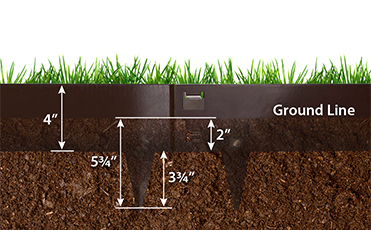
Proper installation is critical for ensuring the stability and longevity of your rope fence. Posts should be spaced according to the type of rope used and the desired level of tension. Typically, spacing ranges from 8 to 12 feet apart. Ensure posts are set at a sufficient depth – a minimum of 24 inches is recommended for most applications, and deeper for unstable soil. Using concrete around the base of the posts provides added stability and resistance to wind and animal pressure. Minmetalsglobal provides expert advice and high-quality posts to help you create a secure and attractive fence.
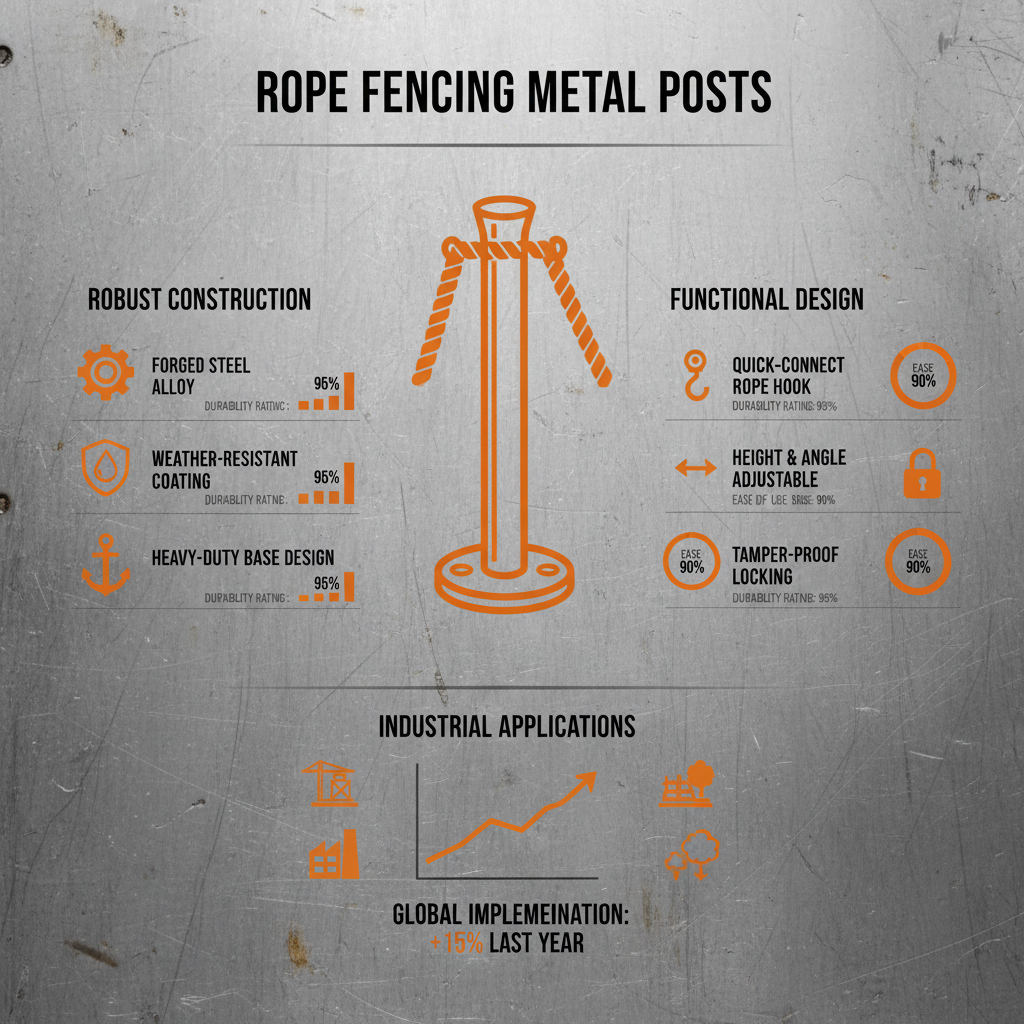
Understanding the typical specifications of metal posts is key to making the right purchase. Here's a common overview of available sizes and gauges. These specs can vary, so always confirm details with your supplier.
Selecting the right metal posts for rope fencing is a crucial investment that impacts the longevity, stability, and aesthetics of your fence. Considering factors like material, gauge, corrosion resistance, and proper installation will ensure a durable and attractive boundary solution. Minmetalsglobal offers a comprehensive selection of high-quality metal posts and expert guidance to help you make the best choice for your needs. Don't compromise on quality – choose the right posts and enjoy a beautiful and functional fence for years to come.
While galvanized steel posts offer excellent corrosion resistance, additional preventative measures can extend their lifespan. Regularly inspect posts for any signs of damage to the galvanization. If scratches or damage occur, apply a zinc-rich primer and paint specifically designed for galvanized steel. Avoid using abrasive cleaners that can remove the protective coating. In particularly corrosive environments, consider using a sacrificial anode to further protect the steel. Proper post installation, ensuring good drainage, also helps minimize moisture exposure and prevent rust.
The recommended post depth typically ranges from 24 to 36 inches, but this can vary depending on soil conditions, fence height, and wind exposure. In areas with loose or sandy soil, deeper posts are necessary to provide adequate stability. For taller fences or areas prone to strong winds, a depth of 36 inches or more is recommended. Using concrete around the base of the posts significantly enhances stability, especially in less stable soil. Consulting local building codes and regulations is also advisable.
A variety of rope types can be used with metal fence posts, including braided nylon, polypropylene, and natural fiber ropes. Braided nylon is a popular choice due to its strength, durability, and UV resistance. Polypropylene rope is lightweight and affordable, but may not be as durable as nylon. Natural fiber ropes, such as sisal or manila, offer a rustic aesthetic but require more maintenance and are less resistant to weathering. Ensure the rope's diameter is appropriate for the post's attachment features and the intended load.
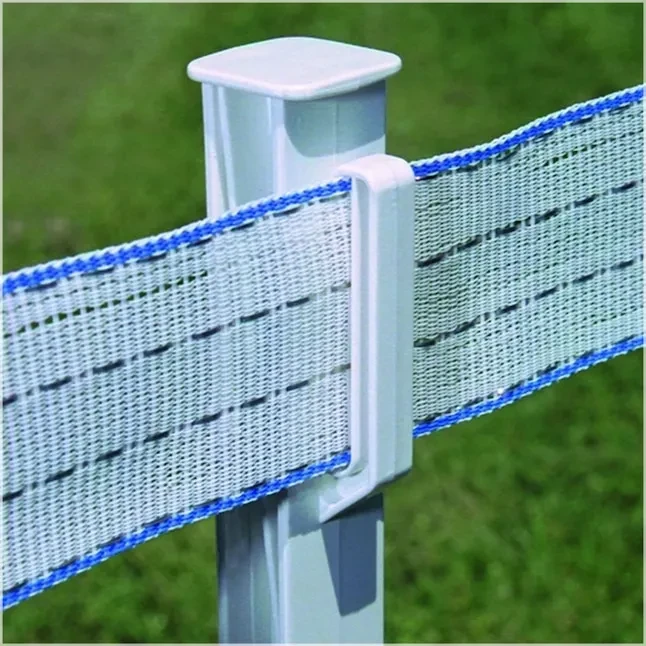
Yes, metal fence posts can be used for electric fencing, but it’s crucial to use posts specifically designed or modified for this purpose. Standard metal posts are conductive and can ground out the electric current, rendering the fence ineffective. Use posts with a non-conductive coating or install insulators between the post and the electric wire. Ensure the grounding system is properly installed to maintain the fence's effectiveness and safety. Always follow local regulations and safety guidelines when installing electric fencing.



Copyright © 2026 Hebei Minmetals Co., Ltd. All Rights Reserved. Sitemap | Privacy Policy | Top Blog丨Menu