


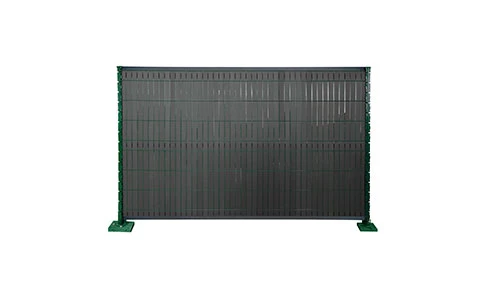

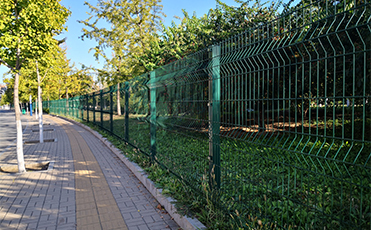














Protecting your property from deer damage requires a robust and long-lasting fencing solution. Traditional wooden posts are susceptible to rot, weathering, and require frequent replacement. Metal deer fence posts offer a superior alternative, providing exceptional strength, longevity, and cost-effectiveness. This article explores the benefits of choosing metal posts, the different types available, installation considerations, and why Minmetals Global is a trusted supplier for all your fencing needs. Selecting the right fencing materials is a vital step in preserving your landscaping and gardens.
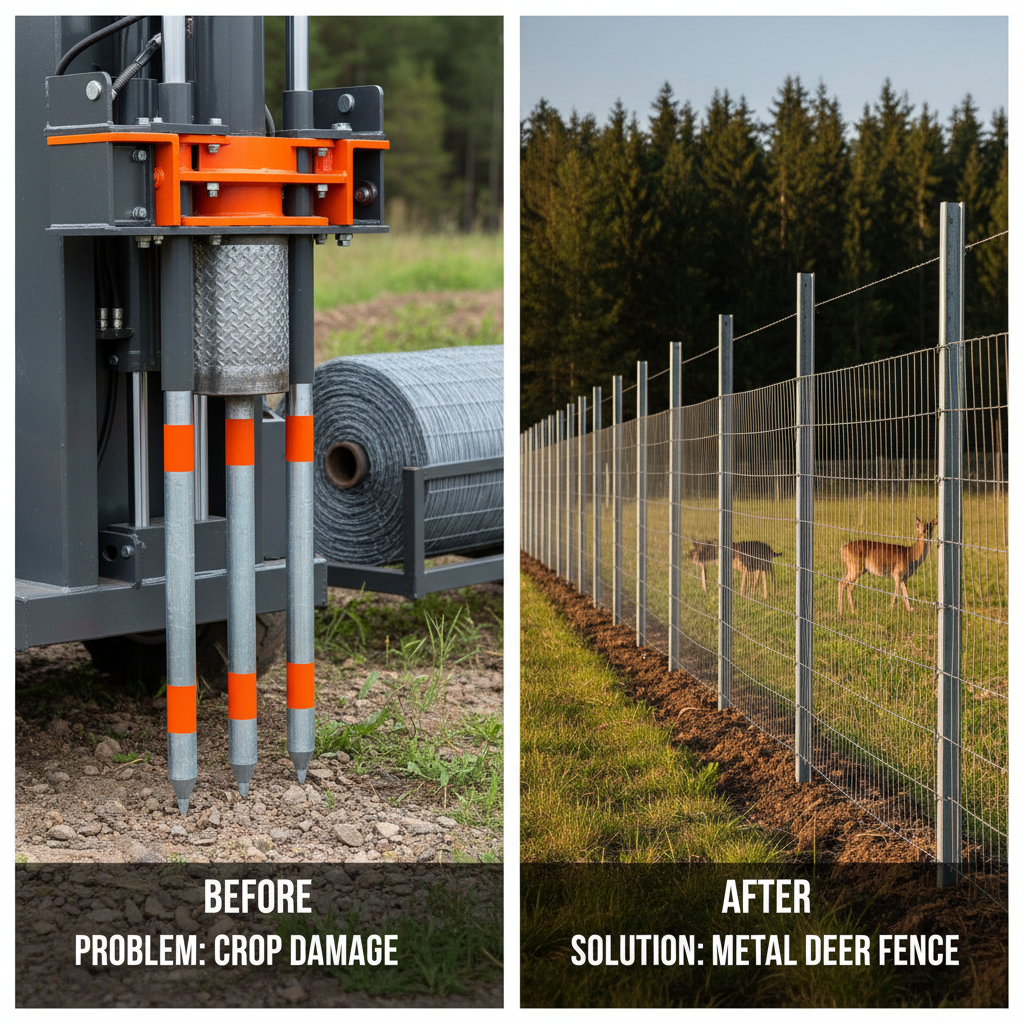
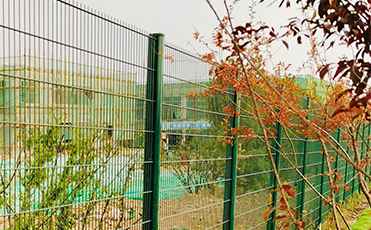
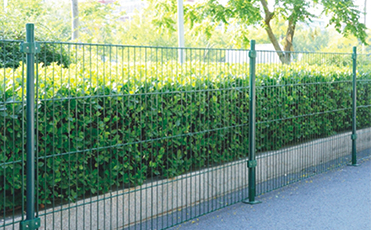
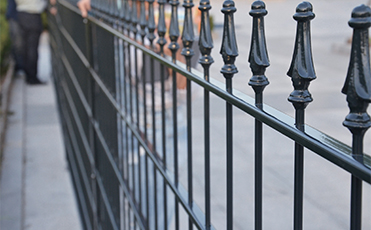
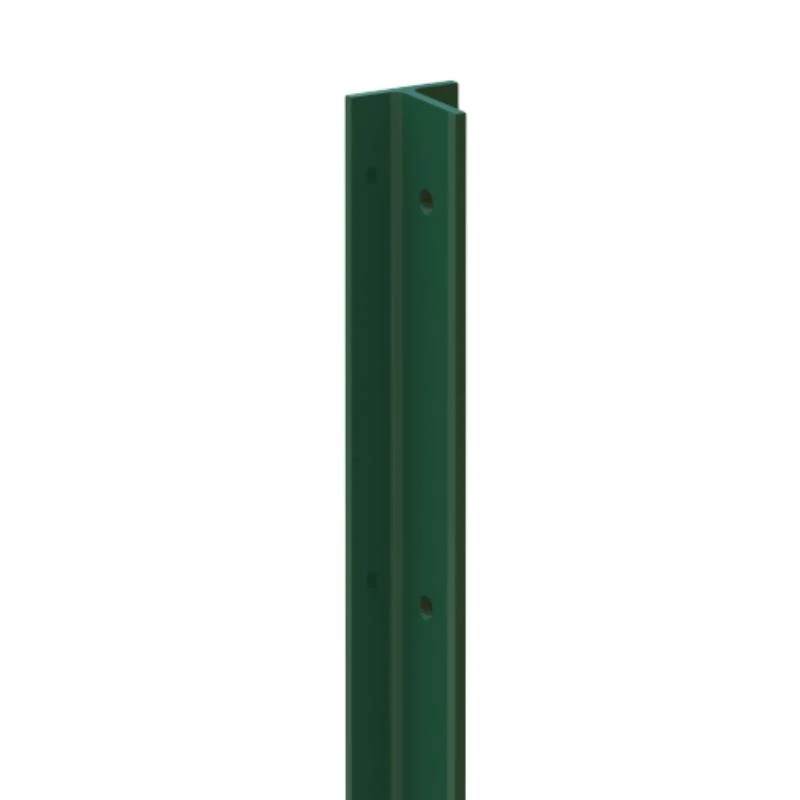
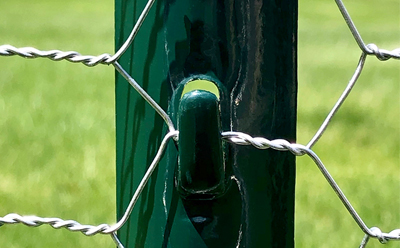
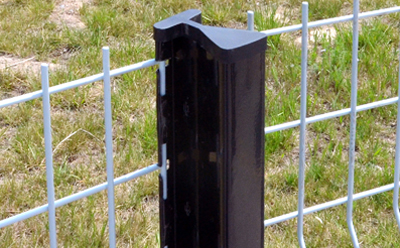
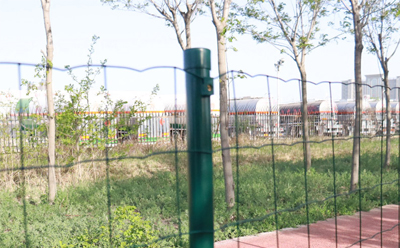
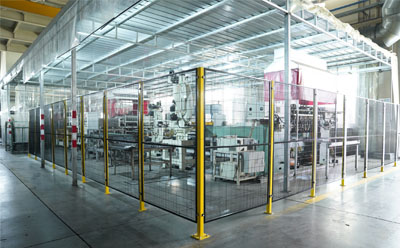
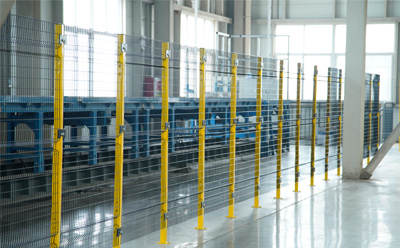
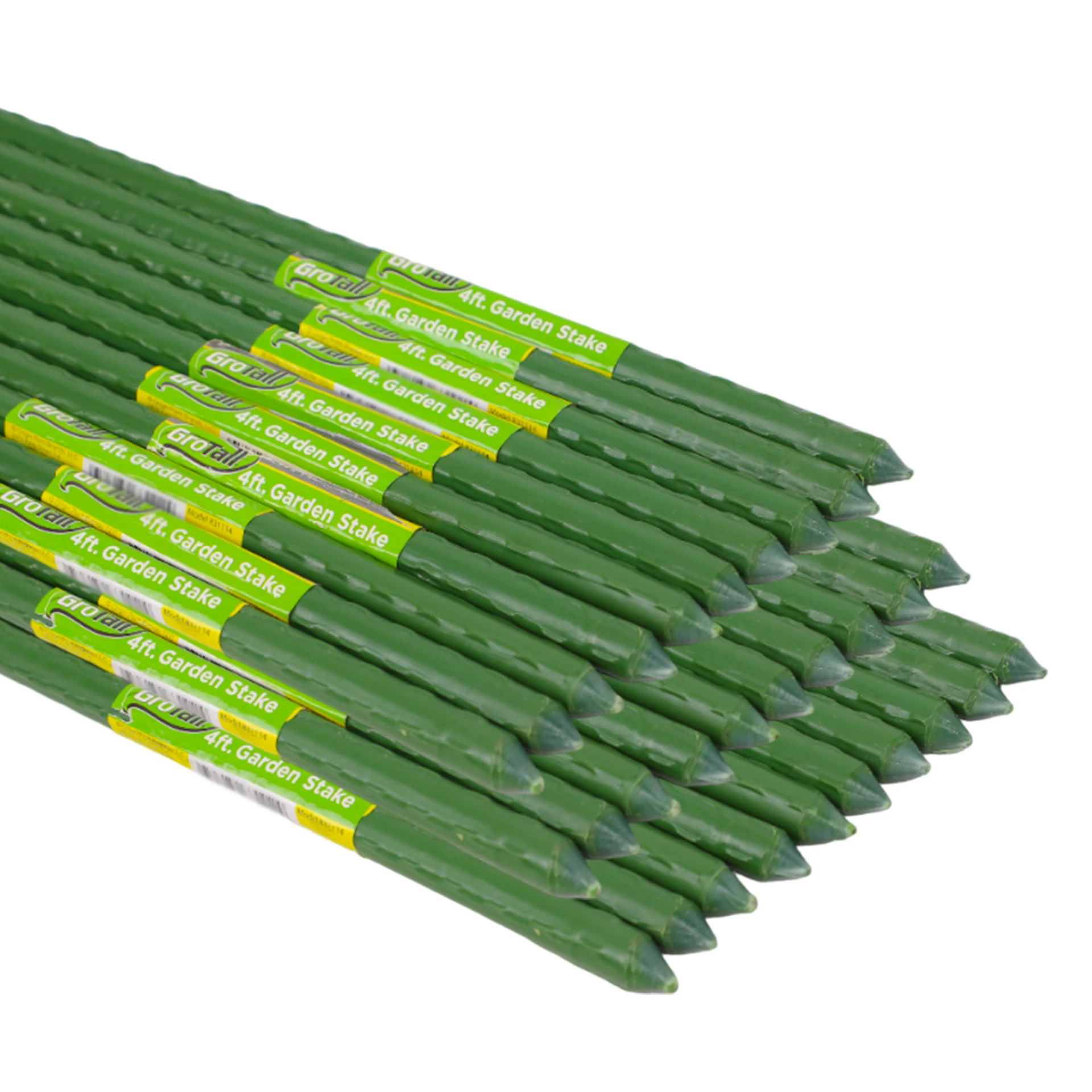
Metal fence posts, particularly those made from steel, offer a significant upgrade over traditional wood or plastic options. Their inherent strength provides superior resistance to impact from deer and other wildlife. Unlike wood, metal posts won’t rot, warp, or splinter, drastically reducing maintenance and replacement costs. They are also less attractive to pests like termites. The longevity of metal posts translates to a substantial return on investment over time. Minmetals Global offers a variety of metal post solutions designed to withstand harsh weather conditions and provide years of reliable performance.
Key Highlights: Metal posts resist rot, warping, and splintering, requiring minimal maintenance and lasting far longer than traditional materials.
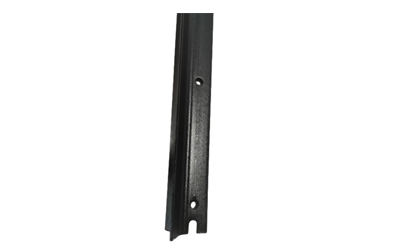
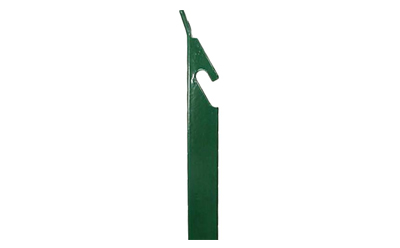
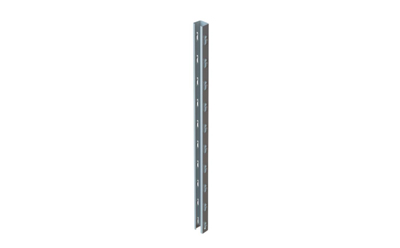
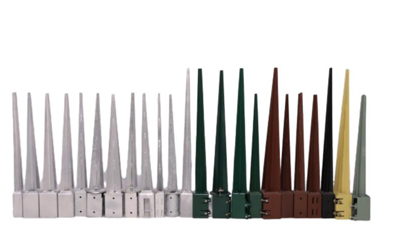
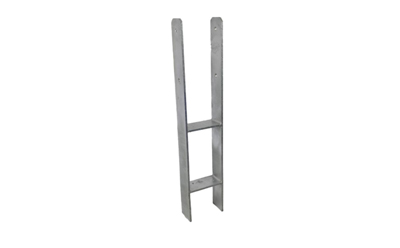
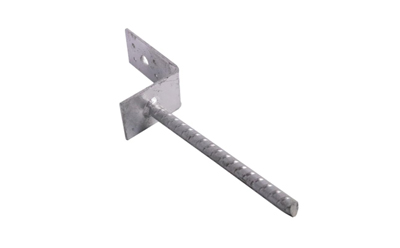
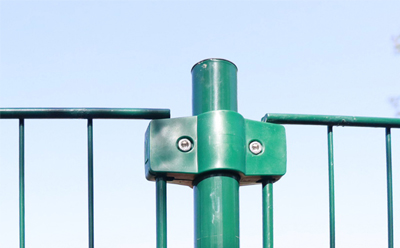
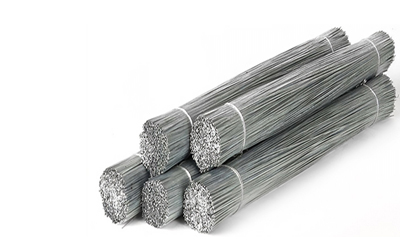
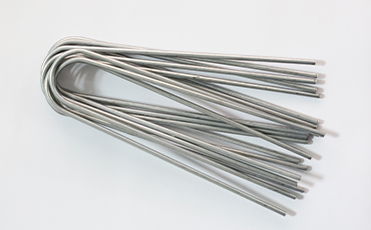
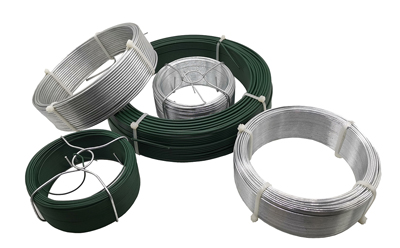
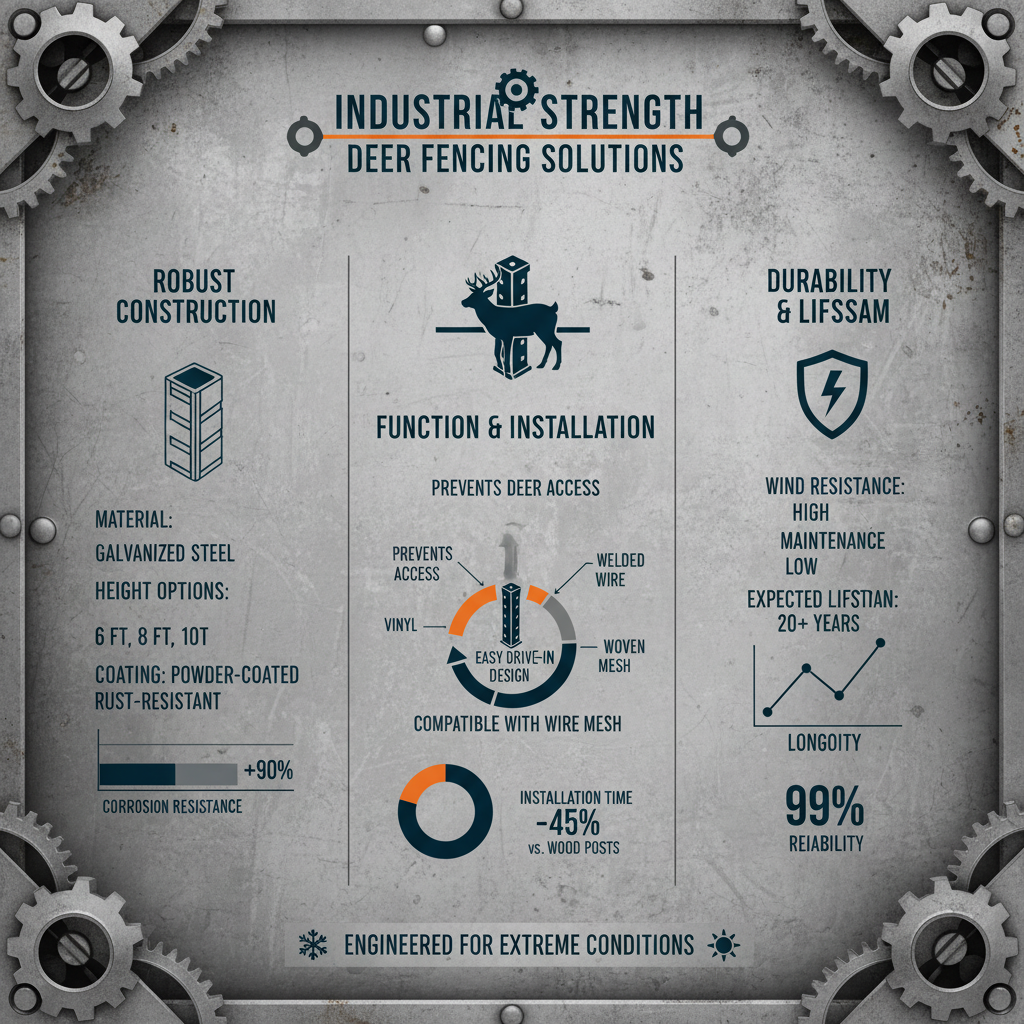
Several types of metal posts are suitable for deer fencing, each with its own strengths. Galvanized steel posts are a popular choice due to their corrosion resistance. They are coated with zinc to prevent rust, making them ideal for wet climates. Steel posts with a powder coating offer even greater protection against the elements and come in various colors. For particularly challenging environments, stainless steel posts provide the highest level of corrosion resistance, though they are typically more expensive. The best choice depends on your budget, climate, and the level of protection needed.
Metal Post Options:
• Galvanized Steel: Excellent corrosion resistance at a reasonable cost.
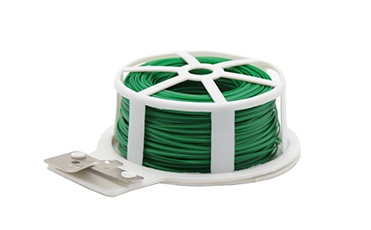
• Powder-Coated Steel: Enhanced corrosion resistance and color options.
• Stainless Steel: Superior corrosion resistance for demanding environments.
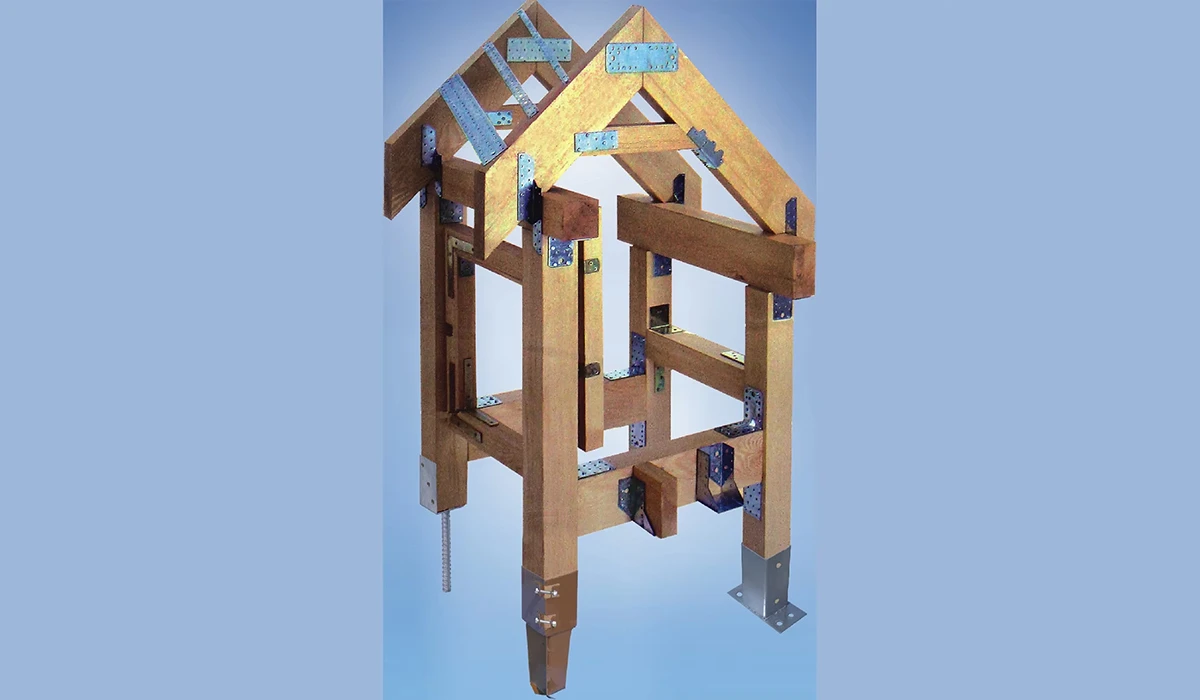
Choosing between metal and wood fence posts is a crucial decision. While wood may seem more affordable upfront, the long-term costs associated with maintenance and replacement often outweigh the initial savings. Metal posts offer superior durability, requiring minimal upkeep and lasting significantly longer. This comparison highlights the key differences between the two materials.
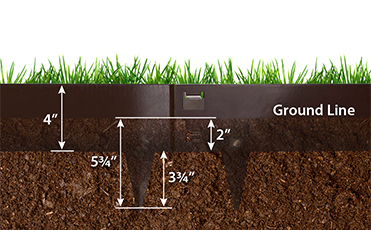
Proper installation is crucial for ensuring the stability and effectiveness of your deer fence. Dig post holes to the appropriate depth, typically 2-3 feet, depending on the frost line in your area. Use concrete to secure the posts, ensuring they are plumb and evenly spaced. Consider using a post driver for faster and more efficient installation, especially for larger projects. Minmetals Global provides guidance and support to ensure a successful installation.
Minmetals Global is a leading supplier of high-quality metal fence posts, offering a wide selection of sizes, materials, and coatings to meet your specific requirements. We are committed to providing competitive pricing, exceptional customer service, and reliable delivery. Our team of experts can help you choose the right posts for your project and provide technical support throughout the installation process. We prioritize quality and durability, ensuring your deer fence will provide years of reliable protection.
Investing in metal deer fence posts from Minmetals Global is a smart decision for protecting your property and landscaping. Their durability, low maintenance, and long lifespan offer a significant return on investment. Don’t let deer damage ruin your garden – choose a fencing solution that will stand the test of time.
The recommended spacing between metal deer fence posts typically ranges from 8 to 10 feet. This spacing provides sufficient support for the deer fencing material and ensures the fence remains stable. However, the optimal spacing may vary depending on the terrain, the height of the fence, and the type of fencing material used. Consult with a fencing professional or refer to the manufacturer's guidelines for specific recommendations. Minmetals Global can assist you in determining the appropriate spacing for your project.
While galvanized steel posts offer excellent corrosion resistance, regular maintenance can further extend their lifespan. Avoid direct contact with dissimilar metals, as this can accelerate corrosion. Inspect the posts annually for any signs of rust or damage to the galvanizing. If damage is detected, clean the area and apply a zinc-rich primer followed by a protective coating. Proper grounding can also help prevent galvanic corrosion.
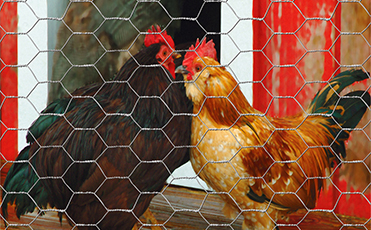
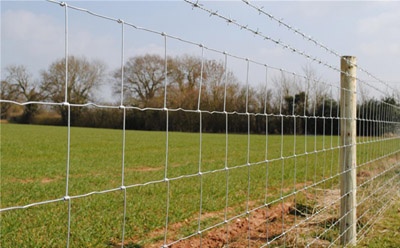
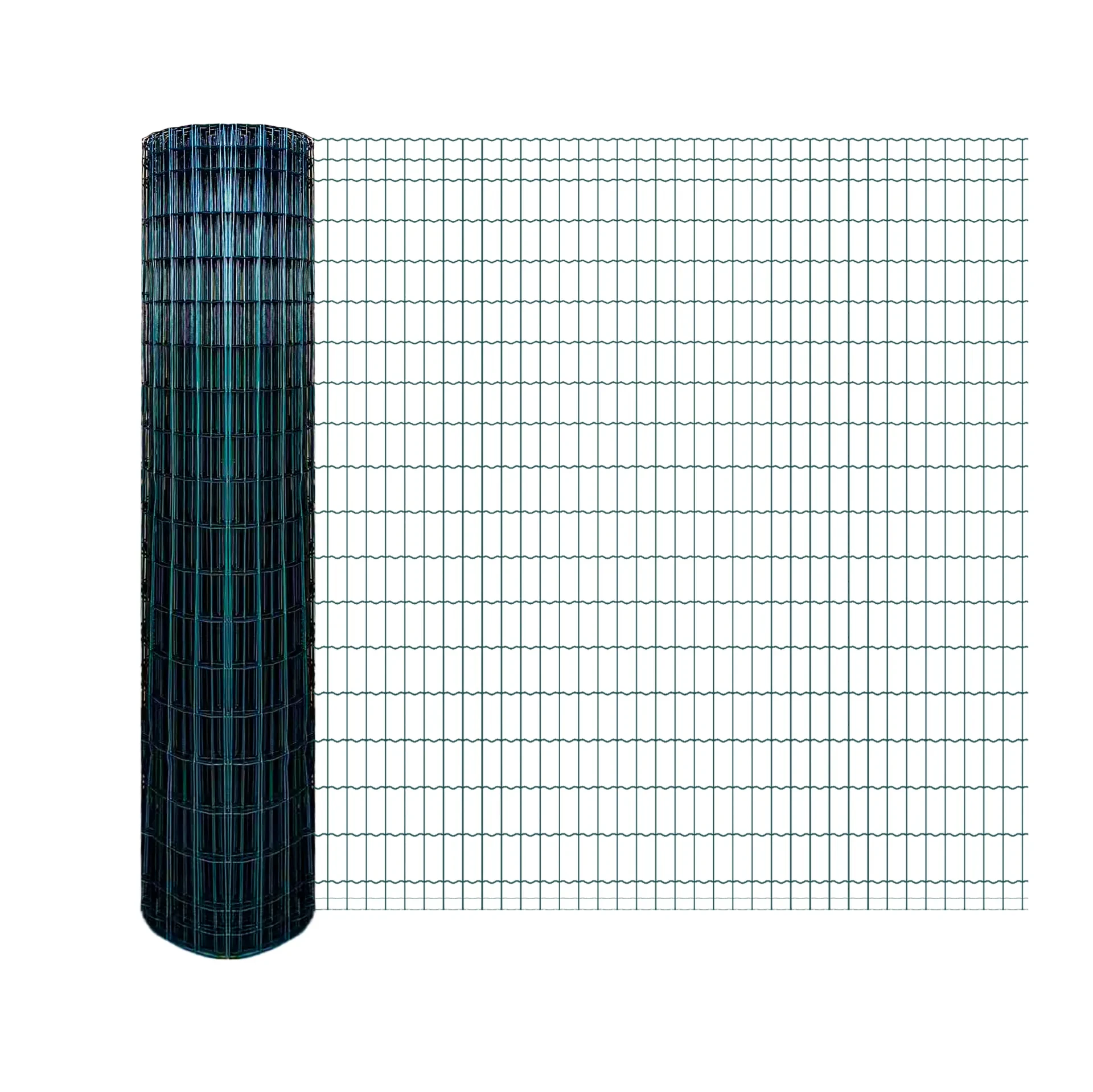
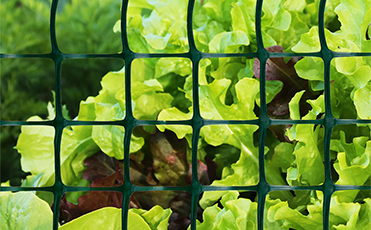
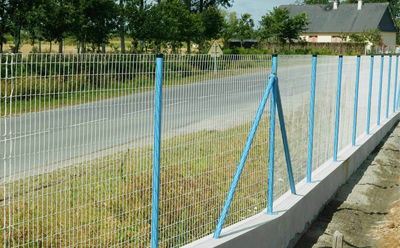
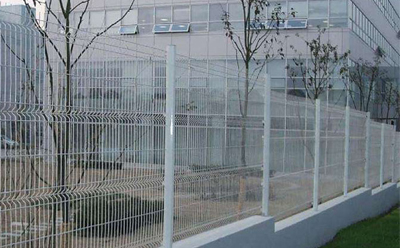
Woven wire, polypropylene deer netting, and high-tensile wire are all commonly used deer fencing materials that work well with metal posts. Woven wire provides a strong and durable barrier, while polypropylene netting is a more affordable option. High-tensile wire is ideal for creating a tight, secure fence. The choice of material depends on your budget, the level of deer pressure, and your aesthetic preferences. Minmetals Global offers a range of compatible fencing materials to complement our metal posts.
Yes, metal fence posts typically have a higher upfront cost compared to wooden posts. However, when considering the long-term costs, metal posts are often more cost-effective. The superior durability and longevity of metal posts reduce the need for frequent replacements, saving you money on materials and labor over time. Furthermore, the minimal maintenance requirements of metal posts also contribute to lower overall costs.



Copyright © 2026 Hebei Minmetals Co., Ltd. All Rights Reserved. Sitemap | Privacy Policy | Top Blog丨Menu