





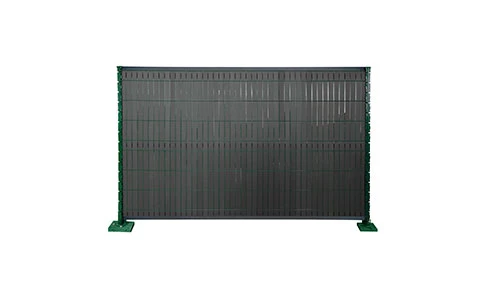


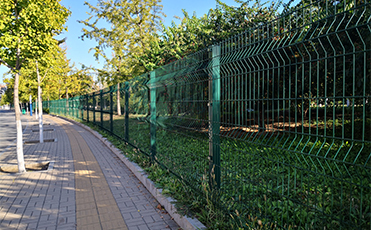

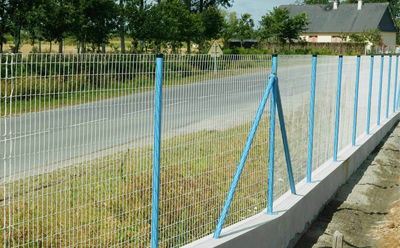
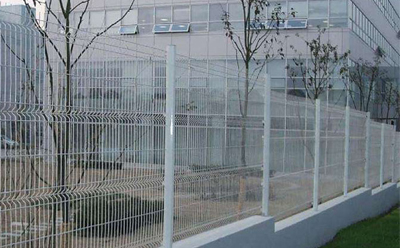
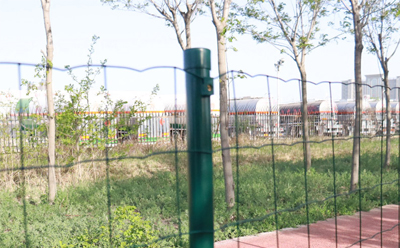
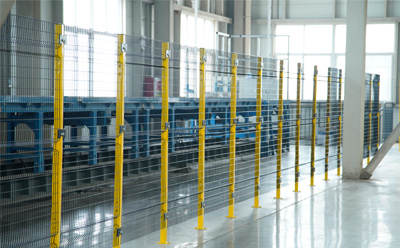




















When preparing for winter weather, a robust snow fence is crucial for safety and visibility. Metal snow fence posts provide a durable and effective solution for controlling snowdrifts, protecting roads, and maintaining clear pathways. This article explores the benefits, types, installation, and maintenance of metal snow fence posts, offering valuable insights for property owners, municipalities, and contractors. Choosing the right snow fence system can significantly mitigate the hazards associated with heavy snowfall and ensure safe winter operations. Minmetals Global offers a comprehensive range of high-quality metal snow fence posts to meet diverse needs.
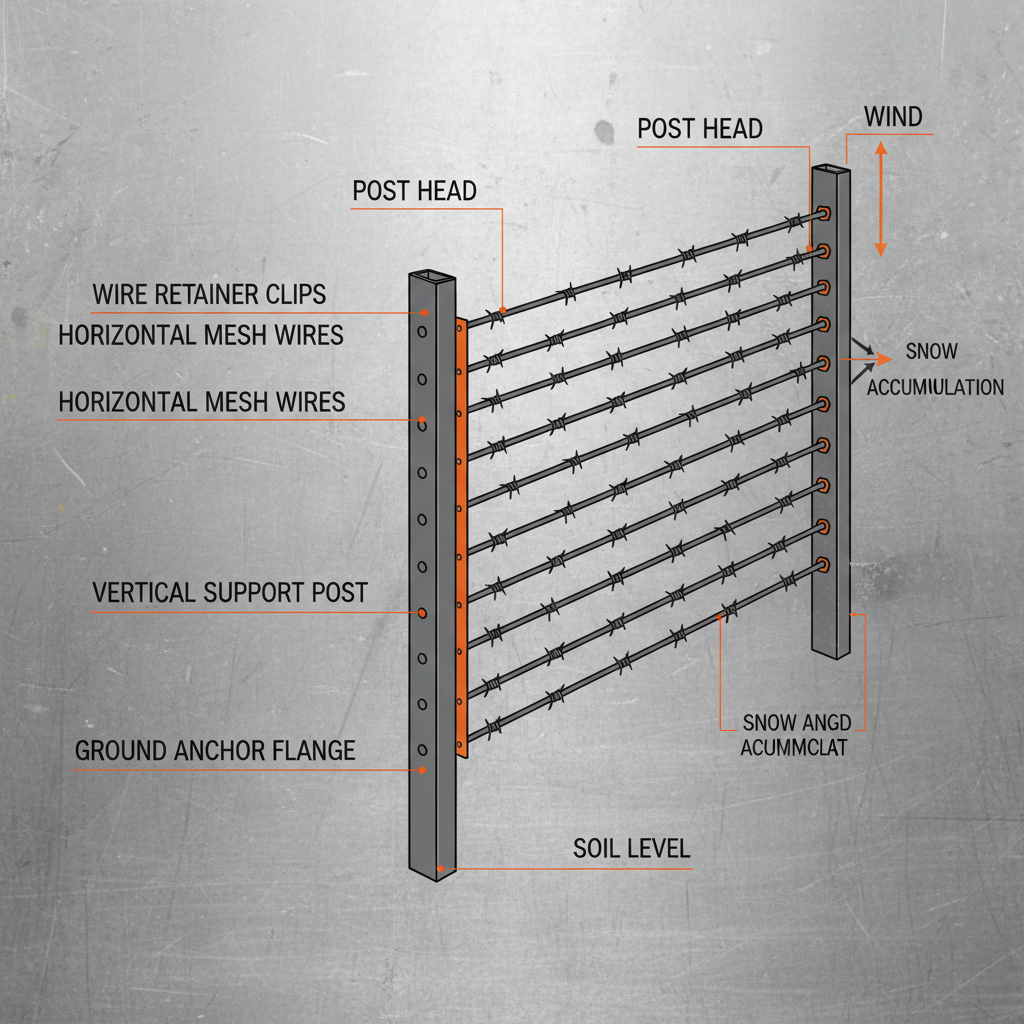
Metal snow fence posts offer several advantages over traditional wooden or plastic alternatives. Their superior strength and durability ensure they can withstand harsh winter conditions, including strong winds and heavy snow loads. They are also resistant to rot, decay, and insect damage, resulting in a longer lifespan and reduced maintenance costs. Furthermore, metal posts are recyclable, making them an environmentally friendly option. Investing in metal snow fence posts provides a long-term, cost-effective solution for snow control.
Key Highlights: Superior strength and durability, resistance to rot and decay, long lifespan, and recyclability.
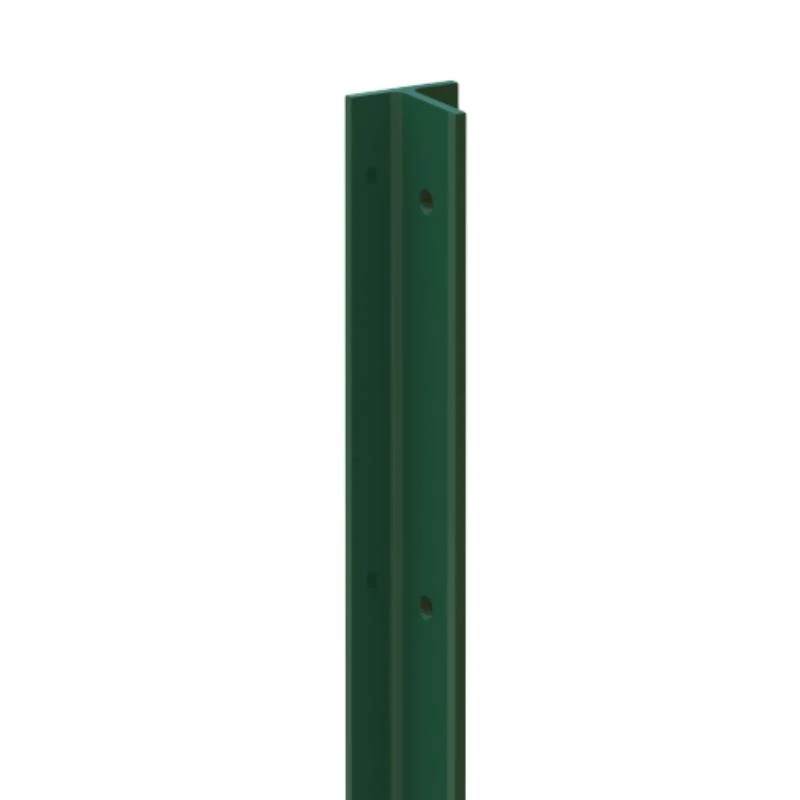
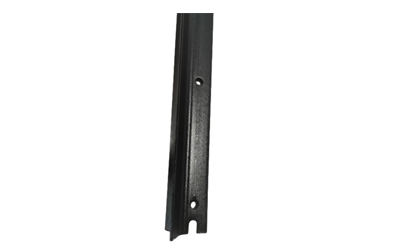
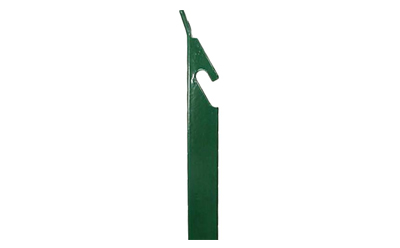
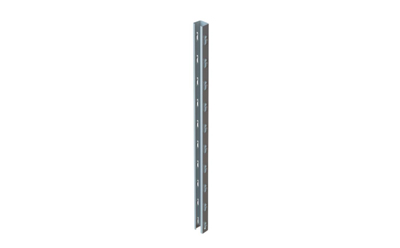
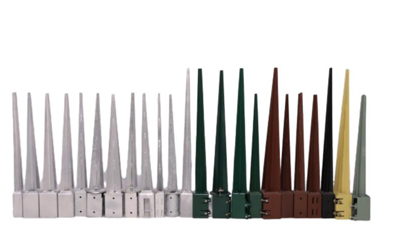
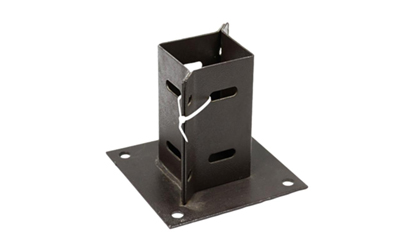
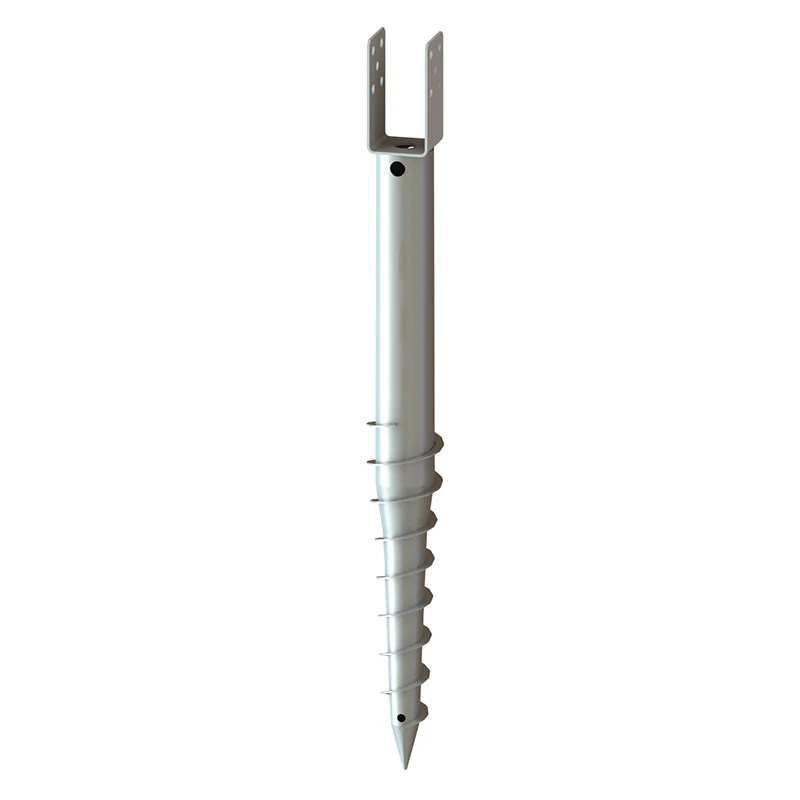
Various types of metal snow fence posts are available, each suited for specific applications and snow conditions. Commonly used types include: T-posts, which are driven directly into the ground and are cost-effective for temporary installations; Square posts, offering greater strength and stability for more permanent fences; and Round posts, providing a clean aesthetic and good wind resistance. The choice of post type depends on factors such as wind speed, snow accumulation, fence length, and budget. Minmetals Global provides a diverse selection of these post types to cater to any project requirement.
Post Type Overview:
• T-Posts: Cost-effective, temporary installations.
• Square Posts: High strength, permanent fences.
• Round Posts: Aesthetic appeal, good wind resistance.
Comparing metal snow fence posts to other materials reveals significant advantages in terms of longevity and performance. Wooden posts are susceptible to rot and require regular maintenance, while plastic posts may lack the strength to withstand heavy snow loads. Metal posts offer superior durability, requiring minimal maintenance and providing reliable snow control for years to come. While the initial cost might be slightly higher than wooden or plastic alternatives, the long-term savings from reduced replacement and maintenance make metal posts a more economical choice.
Correct installation is vital for the effectiveness of your snow fence. Posts should be spaced appropriately, typically 8-10 feet apart, depending on the fence height and anticipated snow loads. Posts must be driven securely into the ground, ensuring they are plumb and stable. Using a post driver tool simplifies this process. It's crucial to consider the soil type and adjust the driving depth accordingly. Properly installed posts create a sturdy barrier that effectively traps snow and prevents drifts.
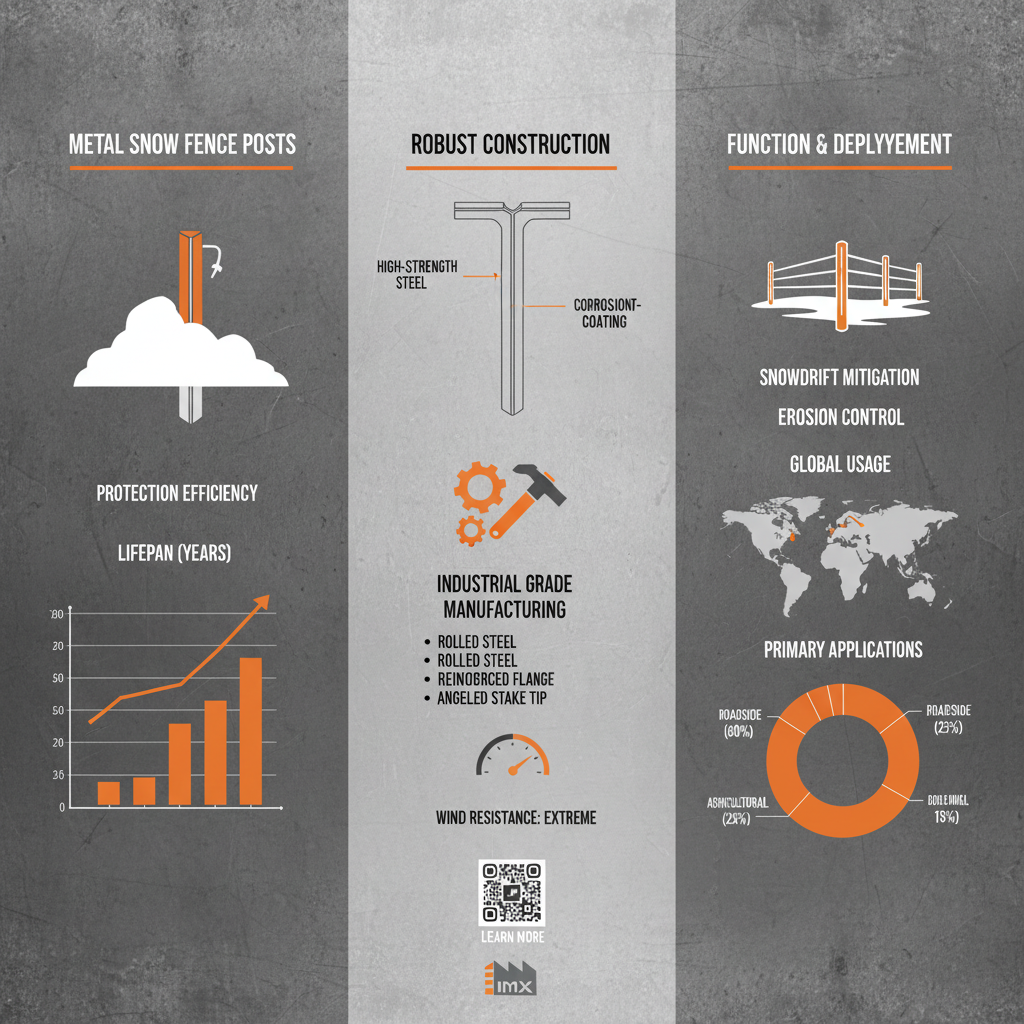
While metal snow fence posts require minimal maintenance, periodic inspection is recommended. Check for any signs of corrosion or damage, and address them promptly to prevent further deterioration. Ensure the posts remain plumb and secure. Regularly clear any debris or vegetation that may obstruct snow flow. With proper care, metal snow fence posts can provide reliable snow control for many years. Minmetals Global provides expert advice and support to help you maximize the lifespan of your snow fence system.
Investing in metal snow fence posts is a smart choice for anyone seeking a durable, effective, and long-lasting solution for snow control. Their superior strength, low maintenance requirements, and environmental benefits make them a worthwhile investment. Protect your property and ensure safe winter operations with a robust metal snow fence system from Minmetals Global.
Generally, metal snow fence posts should be spaced 8-10 feet apart. However, the optimal spacing depends on several factors, including the height of the fence, the expected snow load, and the prevailing wind direction. For areas with heavy snowfall or strong winds, closer spacing (8 feet) is recommended. The purpose of the fence – to reduce drifting or to create a complete barrier – will also affect the recommended post spacing. Consult with a snow fence expert or Minmetals Global for guidance specific to your needs.
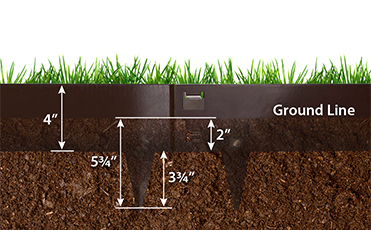
The depth to which metal snow fence posts should be driven depends on the soil type and the height of the fence. In general, at least 2-3 feet of the post should be buried below the frost line to ensure stability. In sandy or loose soil, a greater depth may be necessary. It’s essential to use a post driver tool to achieve consistent depth and ensure the posts are securely anchored. A general rule of thumb is that at least 1/3 of the post length should be buried.
Steel is the most common metal used for snow fence posts due to its high strength and durability. Galvanized steel is particularly popular as the zinc coating provides excellent corrosion resistance, extending the lifespan of the posts. Some manufacturers also offer posts with a powder-coated finish for added protection against the elements. Minmetals Global offers posts made from high-quality galvanized steel, ensuring long-lasting performance.
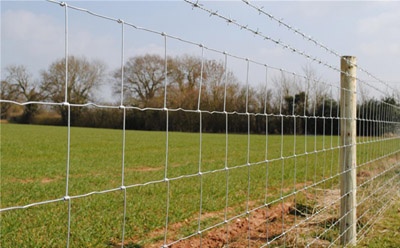
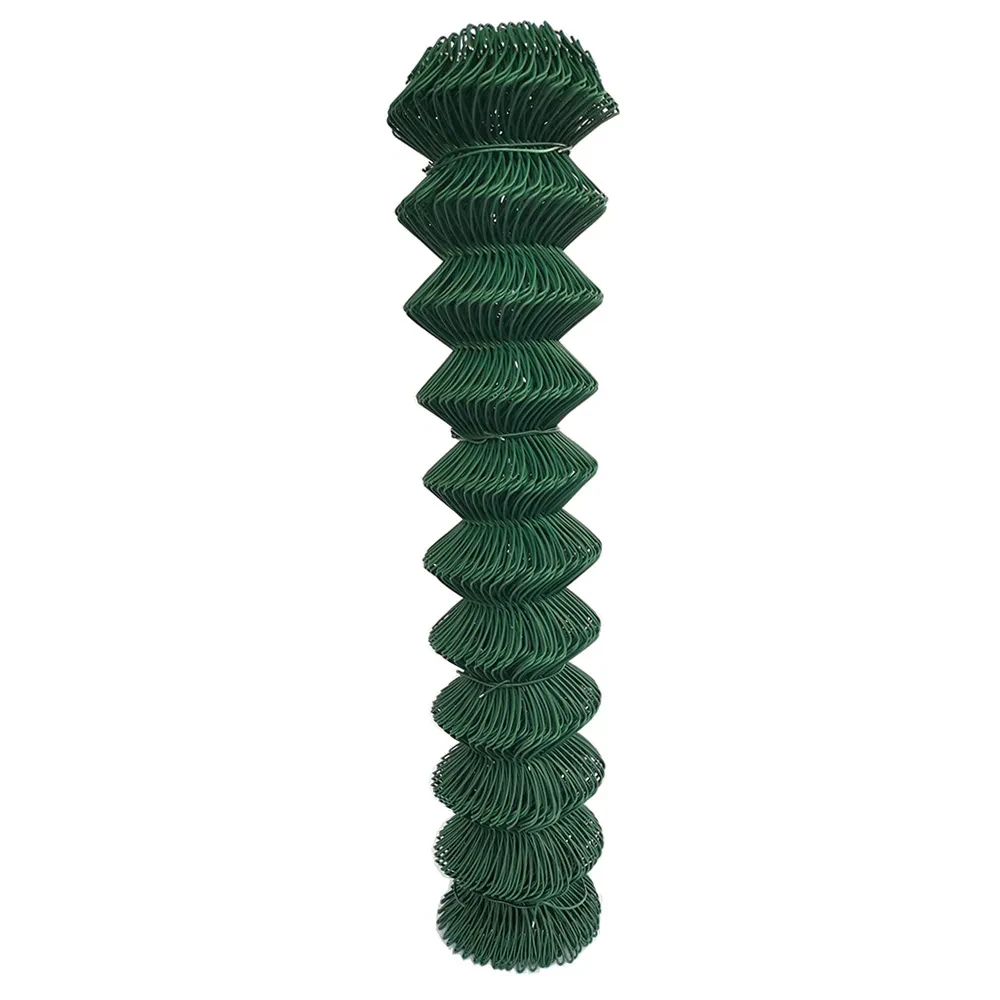
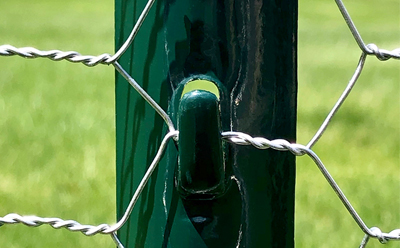
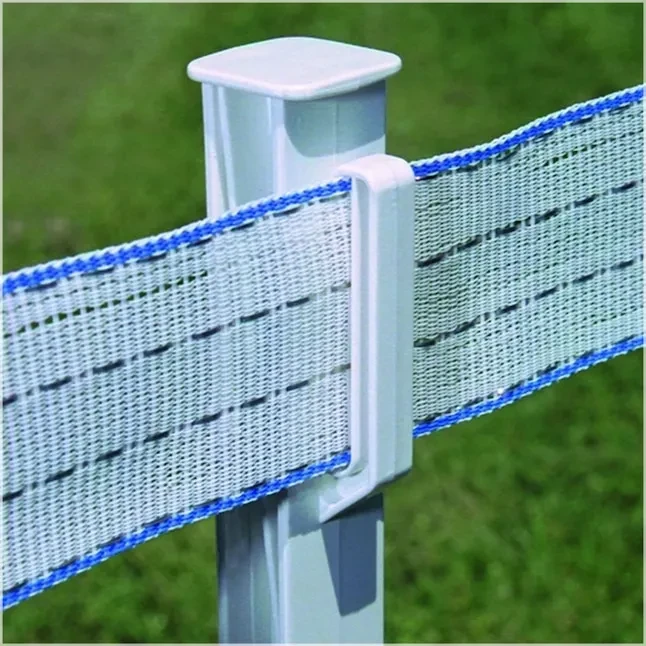
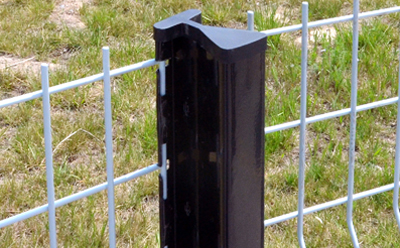
Yes, metal snow fence posts are versatile and can be used with various fencing materials, including woven wire, polypropylene mesh, and wood planks. The choice of fencing material depends on the desired level of snow control and aesthetic preferences. The posts are designed to accommodate different attachment methods, making them compatible with a wide range of fencing options. It is important to ensure that the chosen fencing material is securely fastened to the posts to withstand wind and snow loads.



Copyright © 2026 Hebei Minmetals Co., Ltd. All Rights Reserved. Sitemap | Privacy Policy | Top Blog丨Menu