


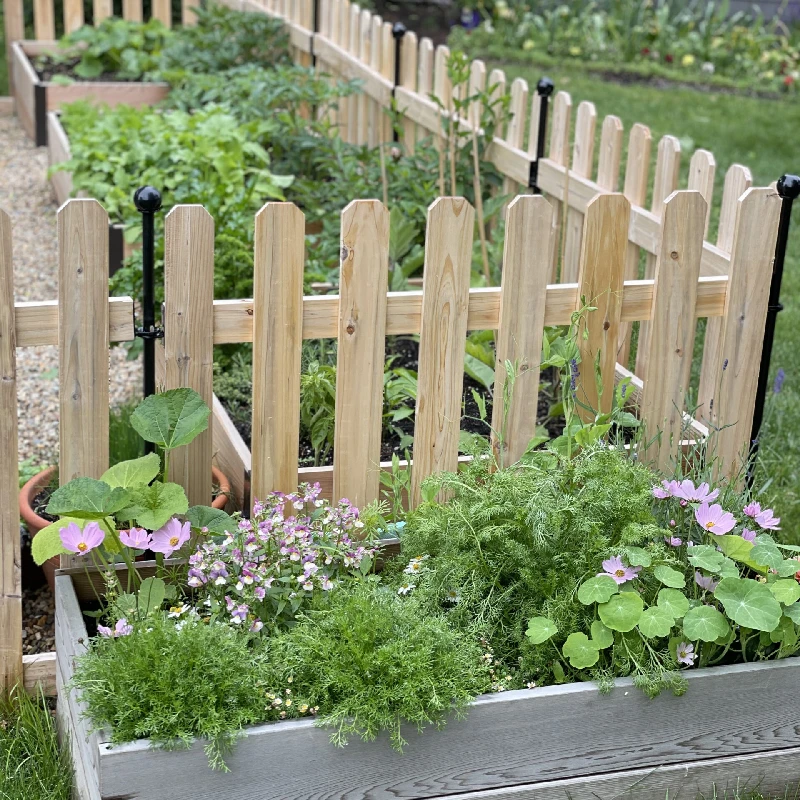
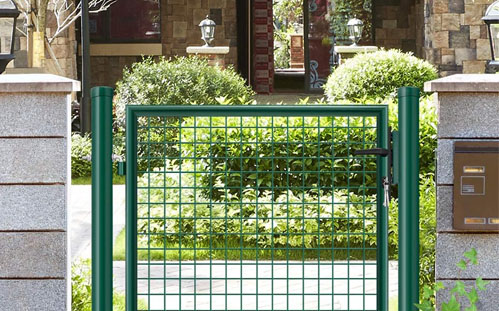
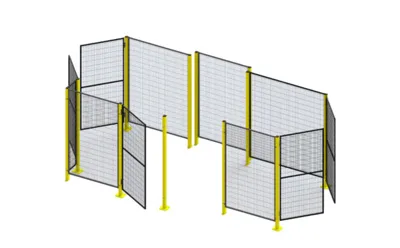
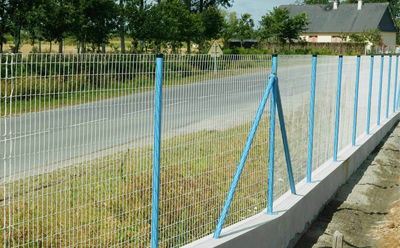
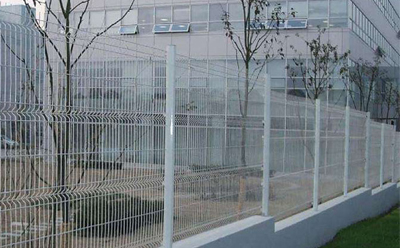
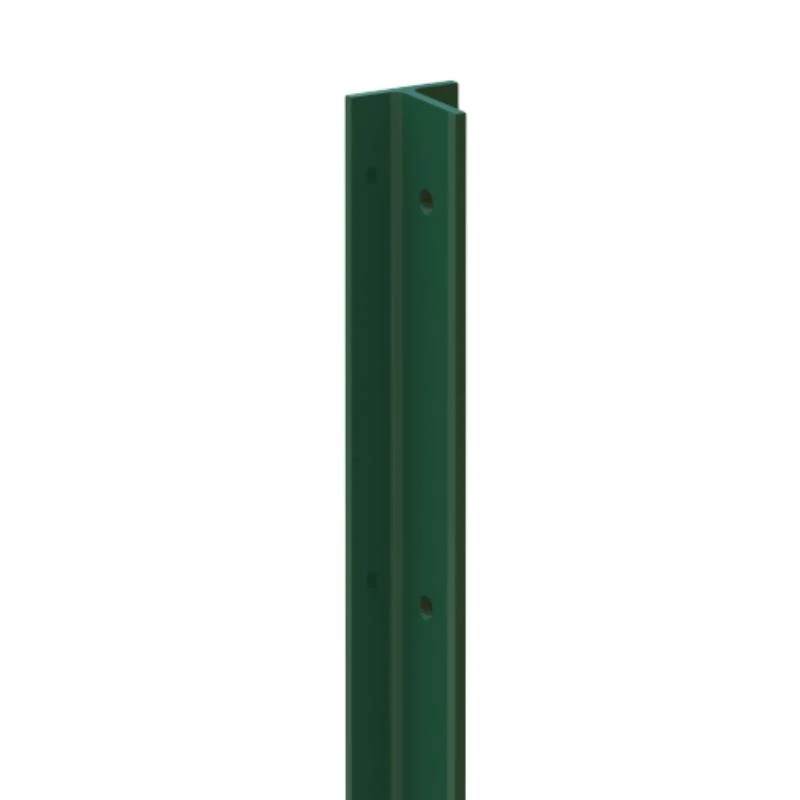
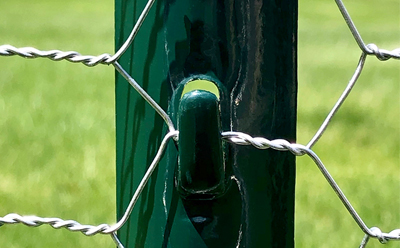
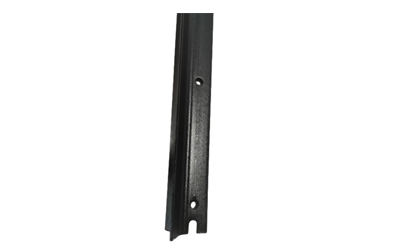
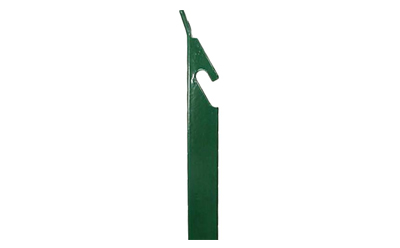














When securing your property, livestock, or crops, a reliable fence is essential. A crucial component of any strong fence is the post itself. Metal farm fence posts are increasingly becoming the preferred choice for farmers, ranchers, and landowners due to their durability, longevity, and cost-effectiveness. This article delves into the benefits, types, installation, and maintenance of metal farm fence posts, providing a thorough overview for anyone considering a fencing project. Choosing the right posts can significantly impact the security and lifespan of your fence.
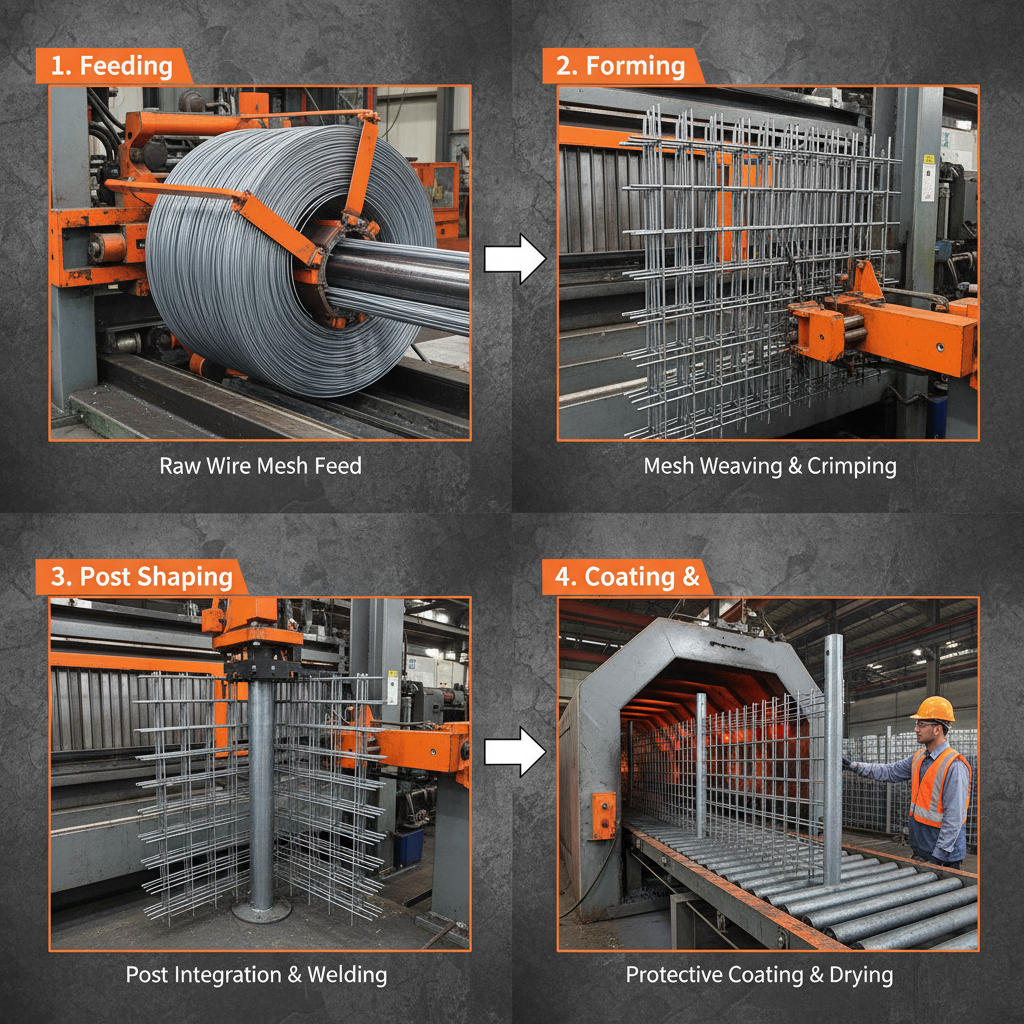
Compared to traditional wood posts, metal farm fence posts offer numerous advantages. Wood is susceptible to rot, insect damage, and weathering, requiring frequent replacement. Metal posts, particularly those made from steel, are significantly more durable and can withstand harsh weather conditions. They require less maintenance, providing long-term cost savings. Furthermore, metal posts offer superior strength, allowing for tighter fence construction and increased security. MinmetalsGlobal offers a range of high-quality metal fence posts designed to meet diverse agricultural needs.
Key Benefits: Superior durability, minimal maintenance, long-term cost savings, increased fence security, and resistance to weather and pests.
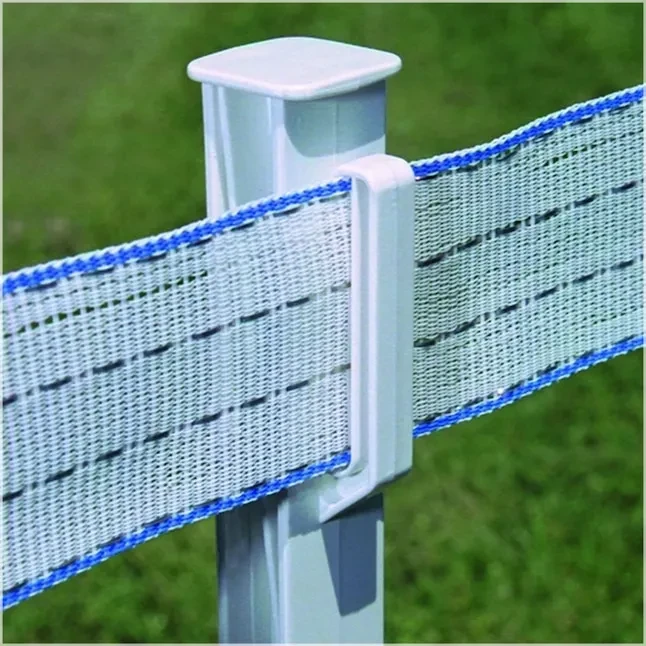
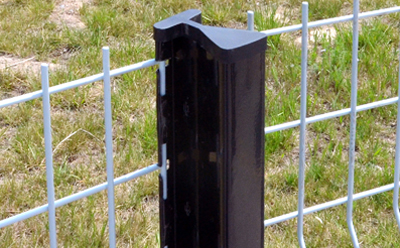
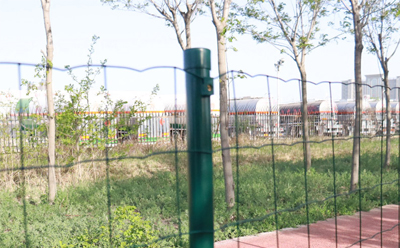
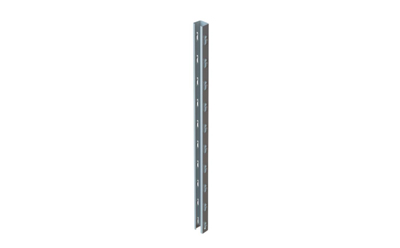
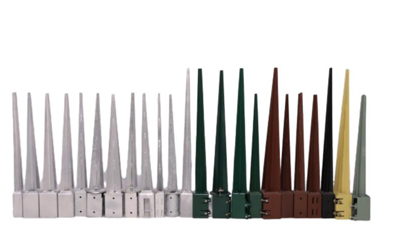
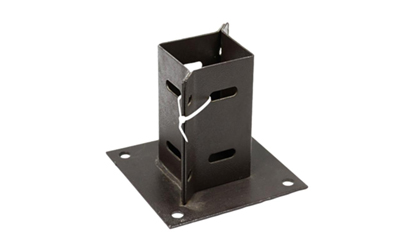
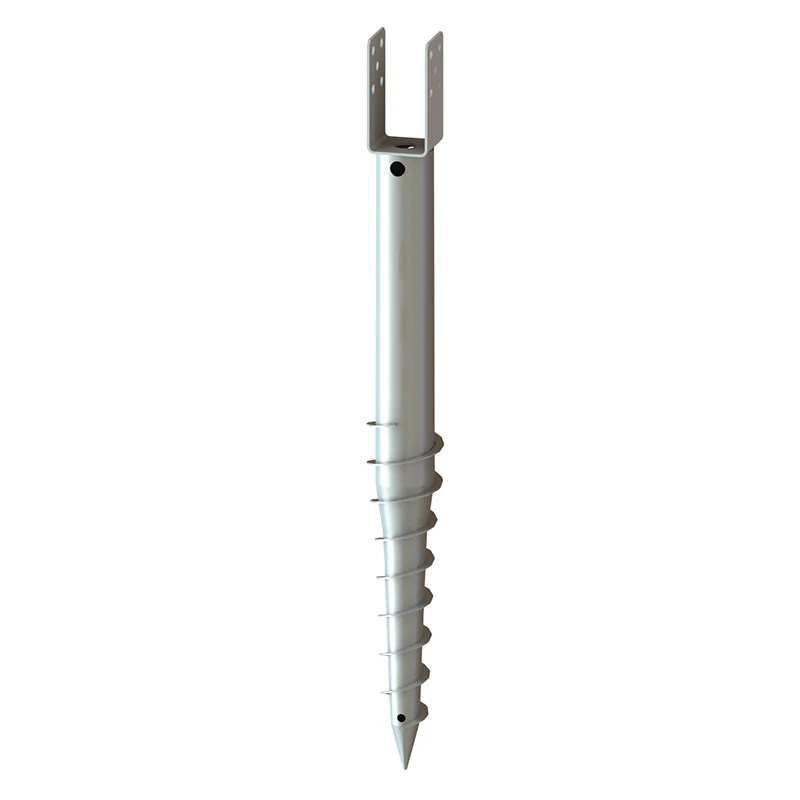
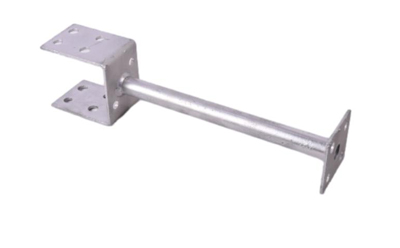
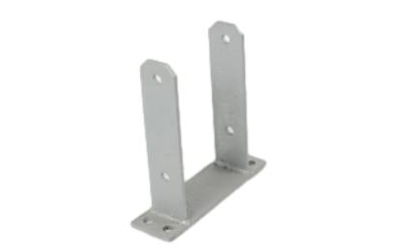
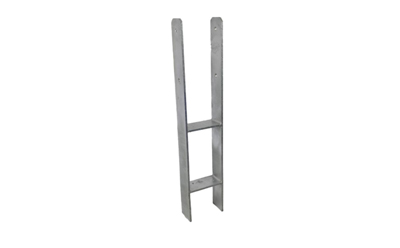
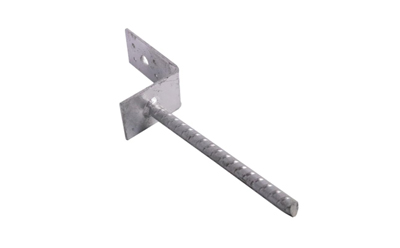
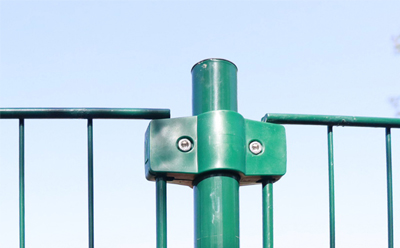
Several types of metal fence posts are available, each suited for different applications. These include:
The optimal choice depends on factors such as fence height, livestock type, soil conditions, and budget. MinmetalsGlobal provides detailed specifications for each post type to help you make an informed decision.
The long-term value proposition of metal fence posts versus traditional wood posts is compelling. While the initial cost of wood may seem lower, the ongoing maintenance and replacement costs quickly add up. Here's a comparative analysis:
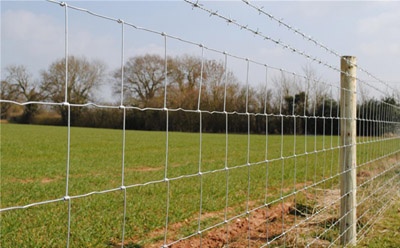
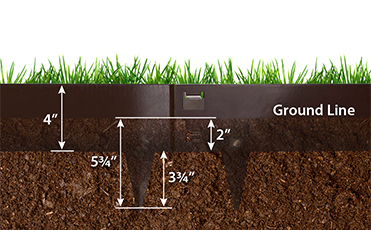
Proper installation is critical for fence longevity. Start by accurately marking post locations. Using a post driver or post-hole digger, create holes of the appropriate depth (typically 2-3 feet). Set the posts plumb (perfectly vertical) and backfill with concrete or compacted soil. Ensure adequate spacing between posts, depending on the type of fencing and the livestock being contained. For barbed wire, a spacing of 8-10 feet is common, while woven wire may require closer spacing. MinmetalsGlobal offers resources and advice on best installation practices.
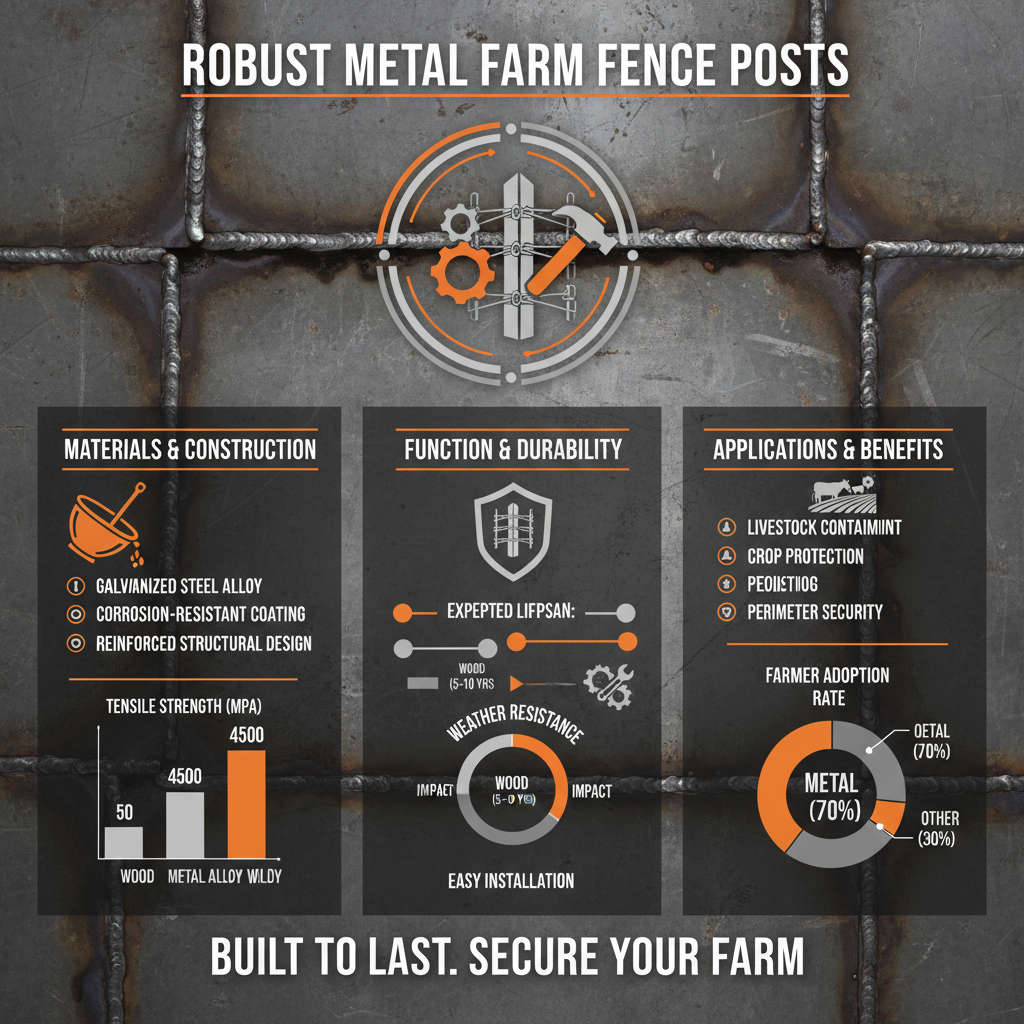
While metal posts require minimal maintenance, periodic inspections are still important. Check for signs of rust, corrosion, or damage. Repaint any areas where the protective coating has worn away to prevent rust. Ensure the posts remain plumb and that the fence wire is securely attached. Regularly clear vegetation around the posts to prevent moisture buildup and promote airflow. Proper maintenance will significantly extend the life of your fence and ensure its continued effectiveness.
Investing in metal farm fence posts from a reputable supplier like MinmetalsGlobal provides a long-term, cost-effective, and reliable fencing solution. With their durability, low maintenance requirements, and resistance to the elements, metal posts offer peace of mind and protect your valuable assets. Choose quality, choose durability, and choose metal.
For barbed wire fencing, a typical post spacing of 8 to 10 feet is recommended. This provides adequate support for the wire and prevents excessive sagging. However, the ideal spacing may vary depending on terrain, wire gauge, and the type of livestock being contained. On uneven ground or with heavier livestock, closer spacing is advised. It’s crucial to consult with fencing professionals to determine the optimal spacing for your specific needs. Using high-quality posts from suppliers like MinmetalsGlobal will ensure the posts are strong enough to withstand the tension of the barbed wire.
Rust prevention is essential for prolonging the life of your metal fence posts. Most posts come with a protective coating, but it's crucial to maintain this. Regularly inspect posts for any areas where the coating has been damaged or worn away. Repaint these areas with a rust-inhibiting paint designed for outdoor metal surfaces. Ensure good drainage around the posts to prevent prolonged exposure to moisture. Avoiding contact with corrosive substances like fertilizers can also help minimize rust formation.
Steel is the most common and generally the best material for farm fence posts due to its strength and durability. Within steel, there are different grades. High-tensile steel provides exceptional strength and is ideal for areas with heavy livestock or challenging terrain. Galvanized steel posts offer excellent corrosion resistance. MinmetalsGlobal uses high-quality steel in the manufacturing of its posts, ensuring they meet stringent industry standards.
Metal fence posts are generally suitable for a wide range of soil types, but installation techniques may need to be adjusted based on soil conditions. In rocky soil, deeper holes and potentially more concrete may be required for stability. In sandy soil, wider holes and additional bracing may be necessary to prevent the posts from shifting. Proper soil analysis and consultation with a fencing professional can help determine the best installation method for your specific soil type.



Copyright © 2026 Hebei Minmetals Co., Ltd. All Rights Reserved. Sitemap | Privacy Policy | Top Blog丨Menu