




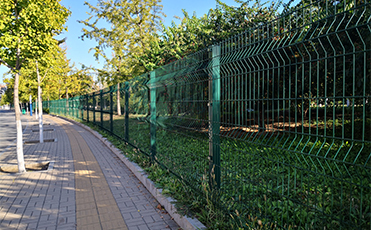
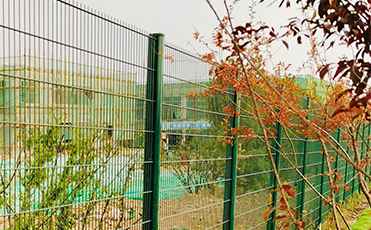
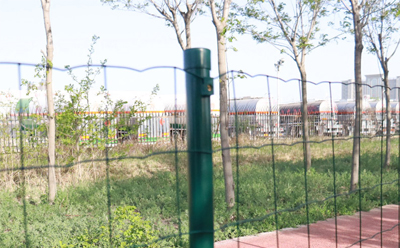
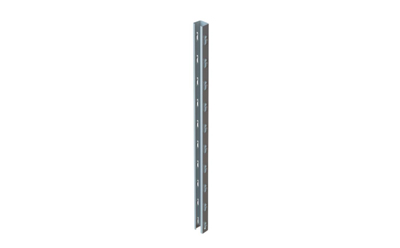
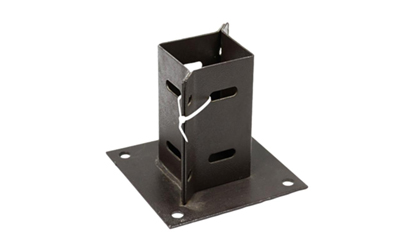
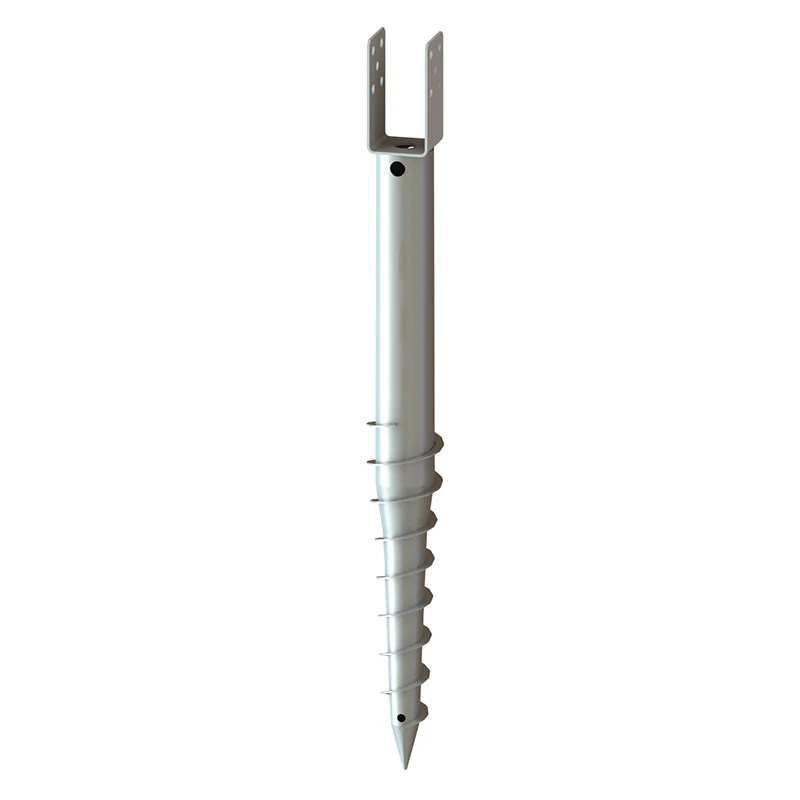
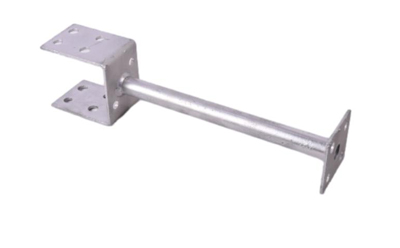
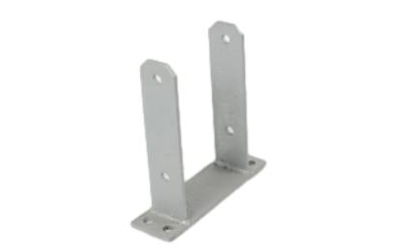
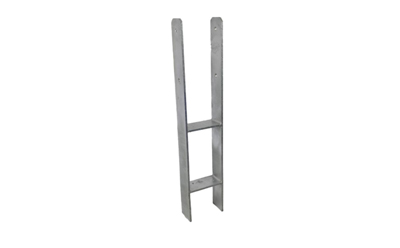



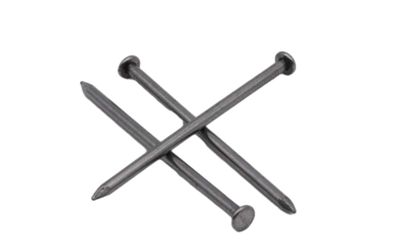













Selecting the appropriate fence post metal stakes is crucial for ensuring the longevity and stability of any fencing project. These stakes provide the foundational support for your fence, and choosing the wrong type can lead to costly repairs and replacements. This article will delve into the various types of metal stakes, their applications, material considerations, and installation best practices. We'll help you understand the factors influencing stake selection, and how to find the best solution from Minmetals Global.
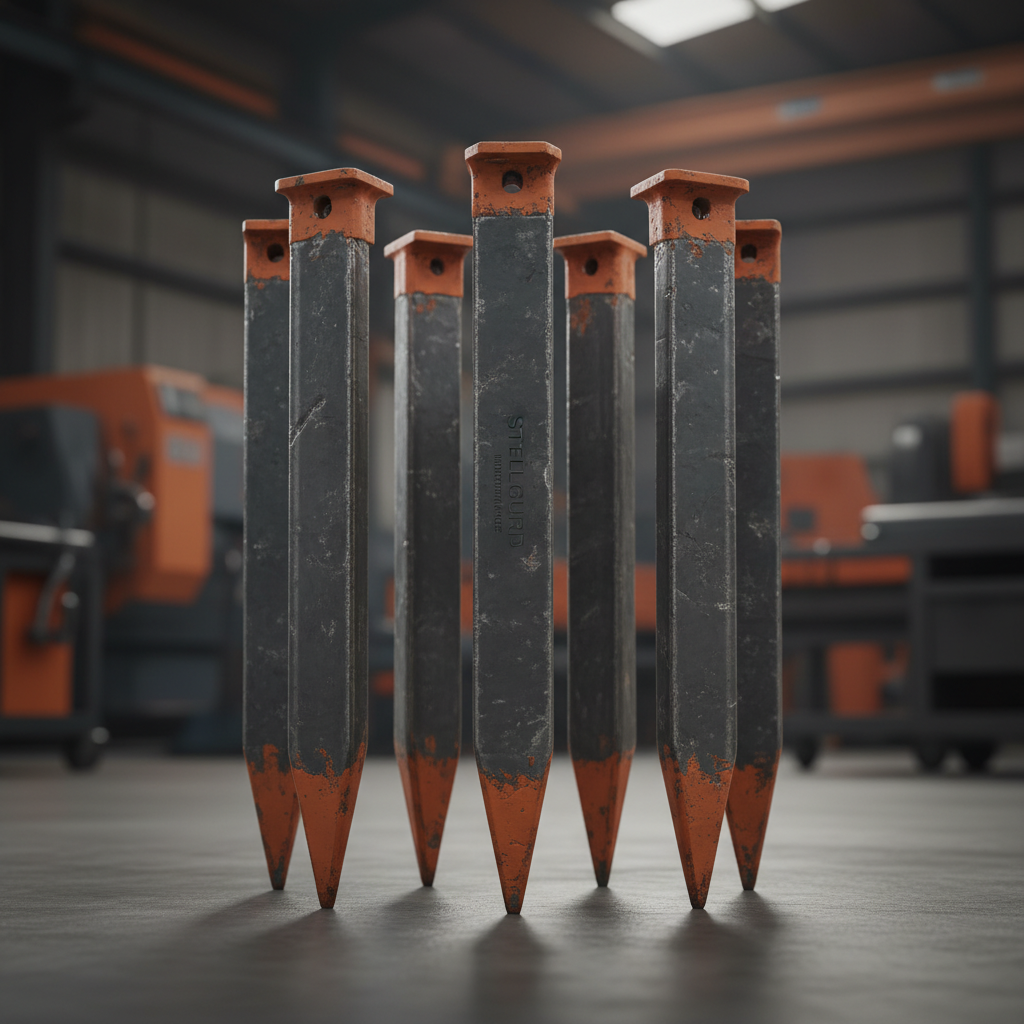
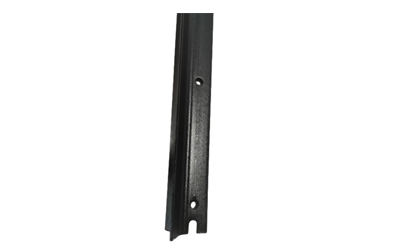
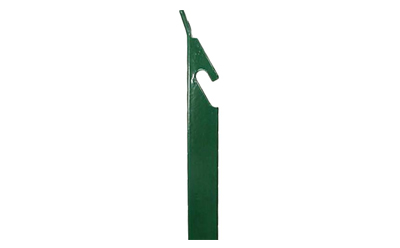
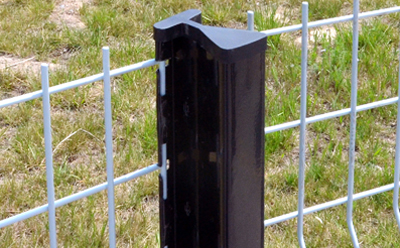
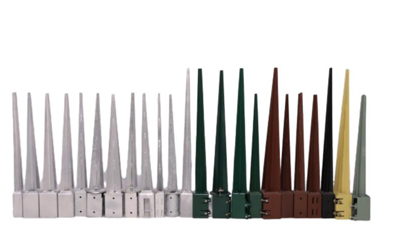
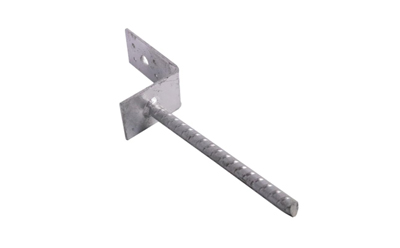
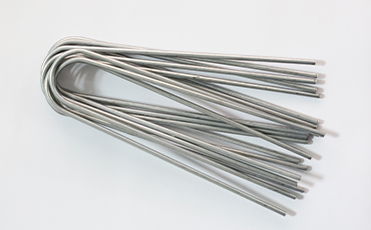
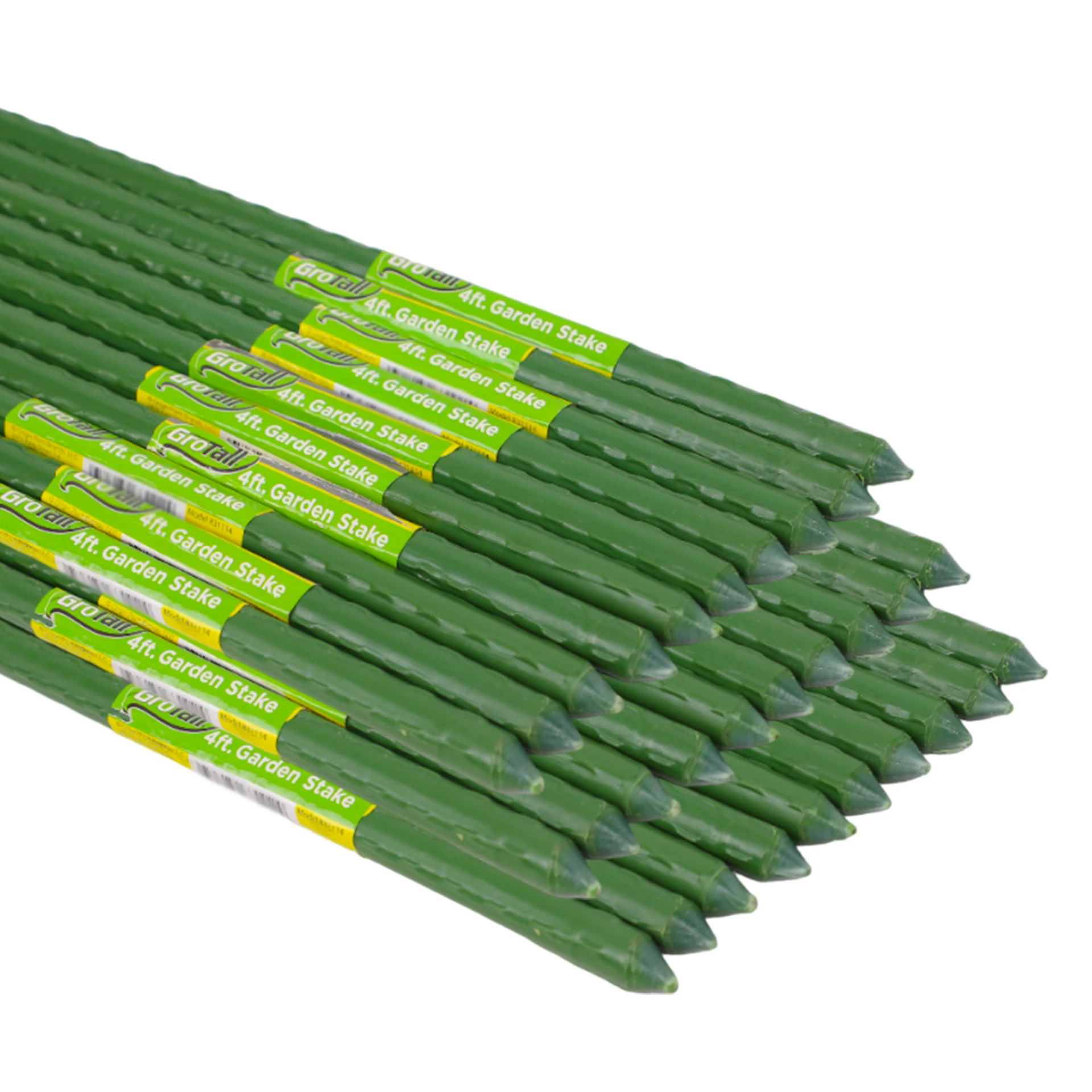
There are several types of fence post metal stakes available, each suited to different soil conditions and fence types. Common types include round stakes, square stakes, and tapered stakes. Round stakes are versatile and cost-effective, while square stakes offer greater stability. Tapered stakes are designed for easier installation in hard-packed soil. The choice depends on the fence's weight, height, and the expected wind load. Considering the ground conditions – whether sandy, clay, or rocky – is also paramount.
Key Considerations: Choosing the correct stake type is dependent on soil type, fence weight, and wind exposure.
The material of the stake significantly impacts its durability and resistance to corrosion. Steel is a common choice, offering high strength but susceptible to rust. Galvanized steel provides enhanced corrosion resistance, making it ideal for outdoor use. Stainless steel offers superior corrosion protection, though it is more expensive. The specific grade of steel and the thickness of the galvanization or stainless steel layer are critical factors to consider. Minmetals Global offers a range of materials to suit various budgets and environmental conditions.
Material Comparison:
• Steel: High strength, prone to rust.
• Galvanized Steel: Rust resistant, cost-effective.
• Stainless Steel: Superior corrosion resistance, more expensive.
Choosing between steel, galvanized steel, and stainless steel involves balancing durability, cost, and environmental factors. Galvanized steel strikes a good balance, offering sufficient corrosion resistance for most applications at a reasonable price. Stainless steel provides the longest lifespan but comes with a higher upfront investment. The table below provides a detailed comparison:
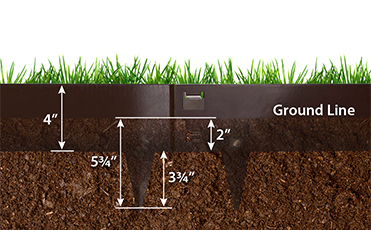
Correct installation is as important as selecting the right stake. Ensure the stakes are driven deep enough into the ground to provide adequate support – typically one-third to one-half of their length. Use a post driver to avoid bending or damaging the stakes. Pay attention to alignment to ensure a straight and sturdy fence line. Proper spacing between stakes is also critical; consult manufacturer's recommendations or industry standards for guidance.
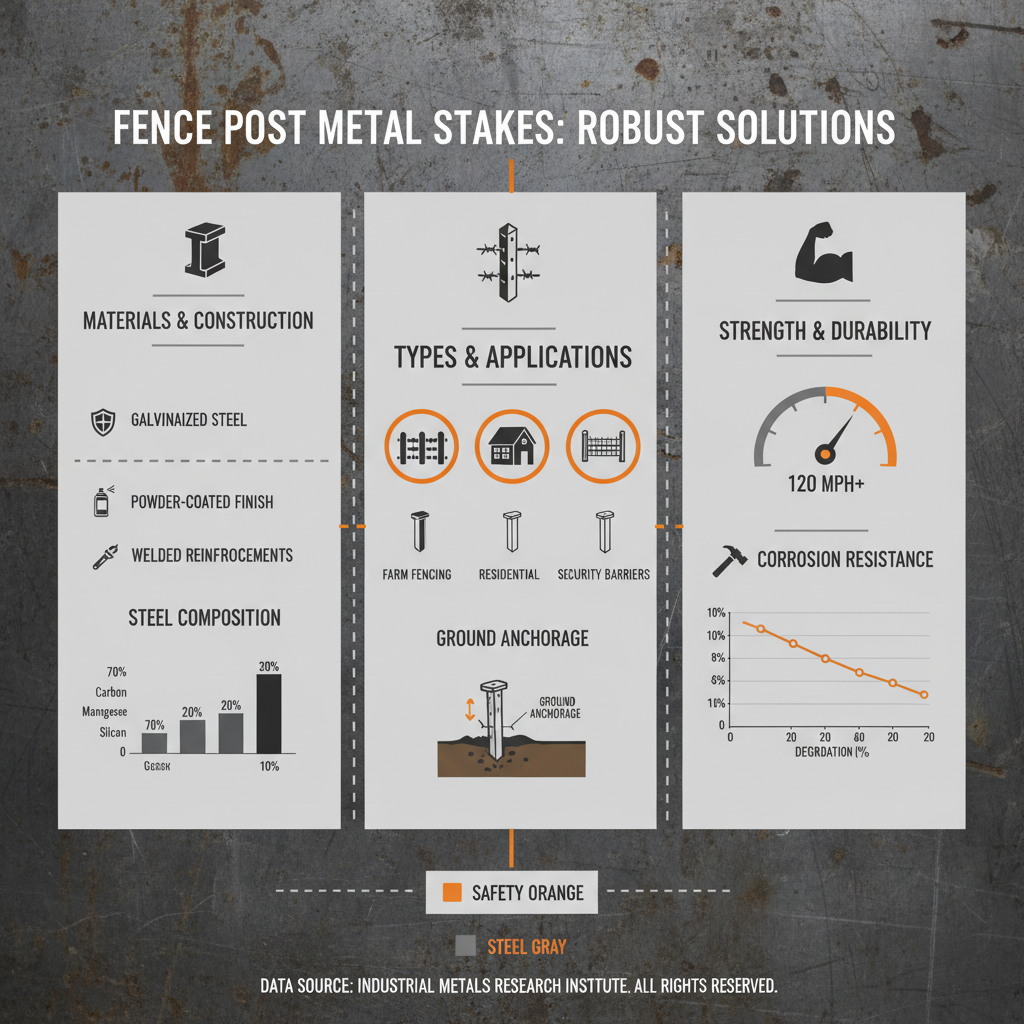
Selecting the appropriate stake length and diameter is crucial for fence stability. The following guidelines can help:
Choosing the right fence post metal stakes is an investment in the longevity and security of your fencing project. By considering factors like soil type, fence height, and material durability, you can select the optimal stakes for your needs. Minmetals Global provides a wide range of high-quality stakes to meet diverse requirements. Proper installation is equally vital to ensure a strong and lasting fence.
For coastal areas, stainless steel is the most recommended material for fence post metal stakes. The high salt content in the air significantly accelerates corrosion in standard steel and even galvanized steel. Stainless steel’s inherent corrosion resistance will provide a much longer lifespan and reduce the need for frequent replacements. While more expensive initially, it's a cost-effective solution in the long run.
A general rule of thumb is to drive the stakes at least one-third to one-half of their total length into the ground. For example, for a 60-inch stake, drive it in 20-30 inches. However, this can vary depending on soil conditions. Sandy or loose soil will require deeper insertion than clay or compacted soil. It's crucial to ensure the stakes are firmly embedded and provide sufficient support to resist wind loads and other forces.
Tapered fence post metal stakes are designed with a gradually decreasing diameter towards the pointed end. This taper makes them easier to drive into hard-packed or rocky soil. The tapered shape helps to split the soil and reduce resistance during installation, minimizing the risk of bending the stake. They are particularly useful in areas where manual installation is required.



Copyright © 2026 Hebei Minmetals Co., Ltd. All Rights Reserved. Sitemap | Privacy Policy | Top Blog丨Menu