


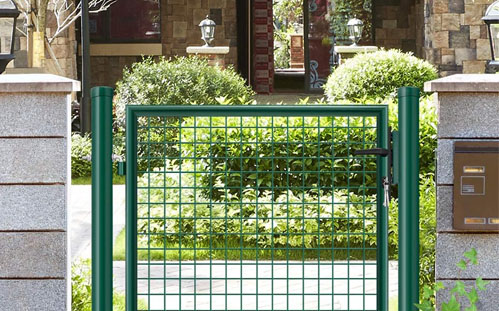
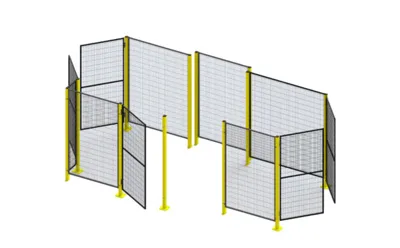
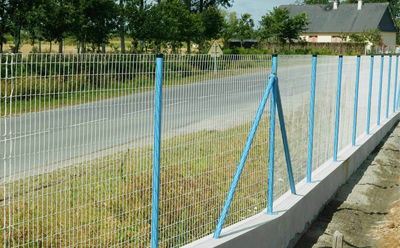
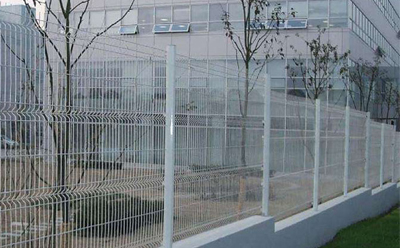
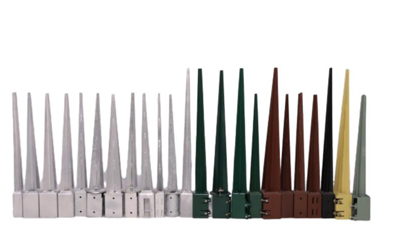
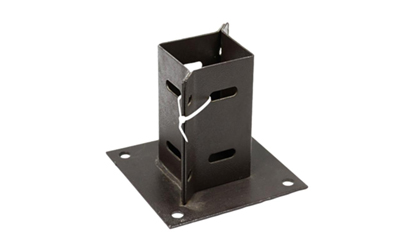
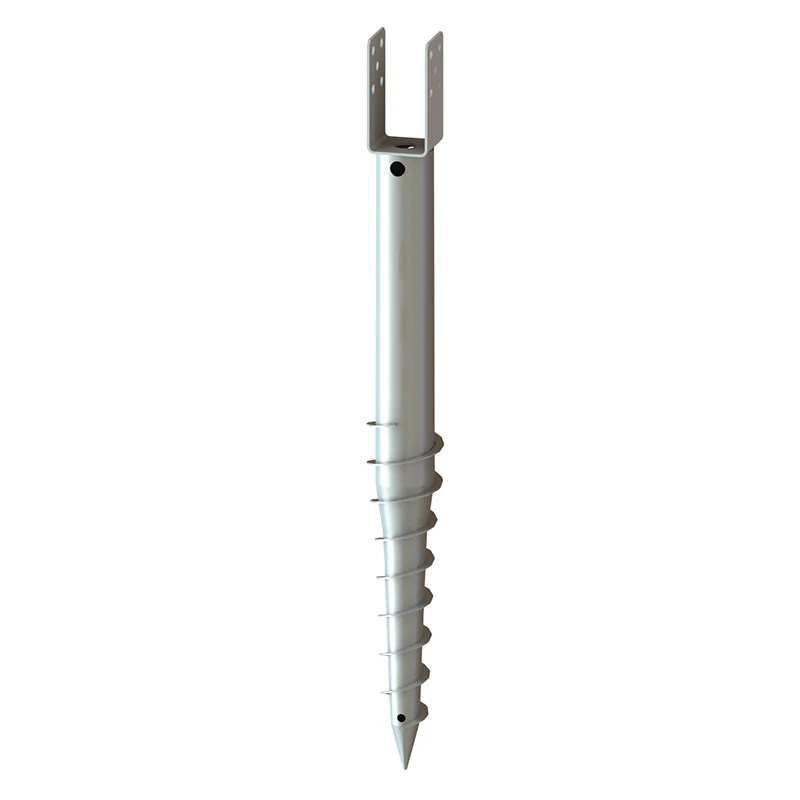
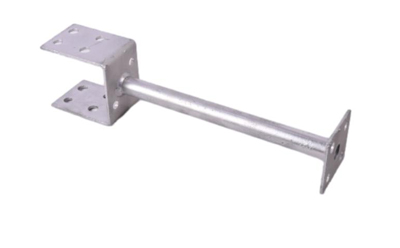













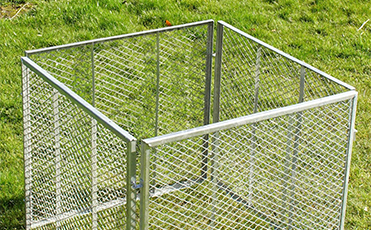
When securing wire fencing, the right metal stakes are crucial for stability and longevity. Choosing the appropriate stakes depends on your fencing type, terrain, and the level of security required. This article will explore the different types of metal stakes for wire fencing available, their applications, and factors to consider when making a purchase. Proper installation and selection prevent sagging, damage, and potential security breaches. We'll cover everything from T-posts to U-posts, and delve into the materials best suited for your needs.
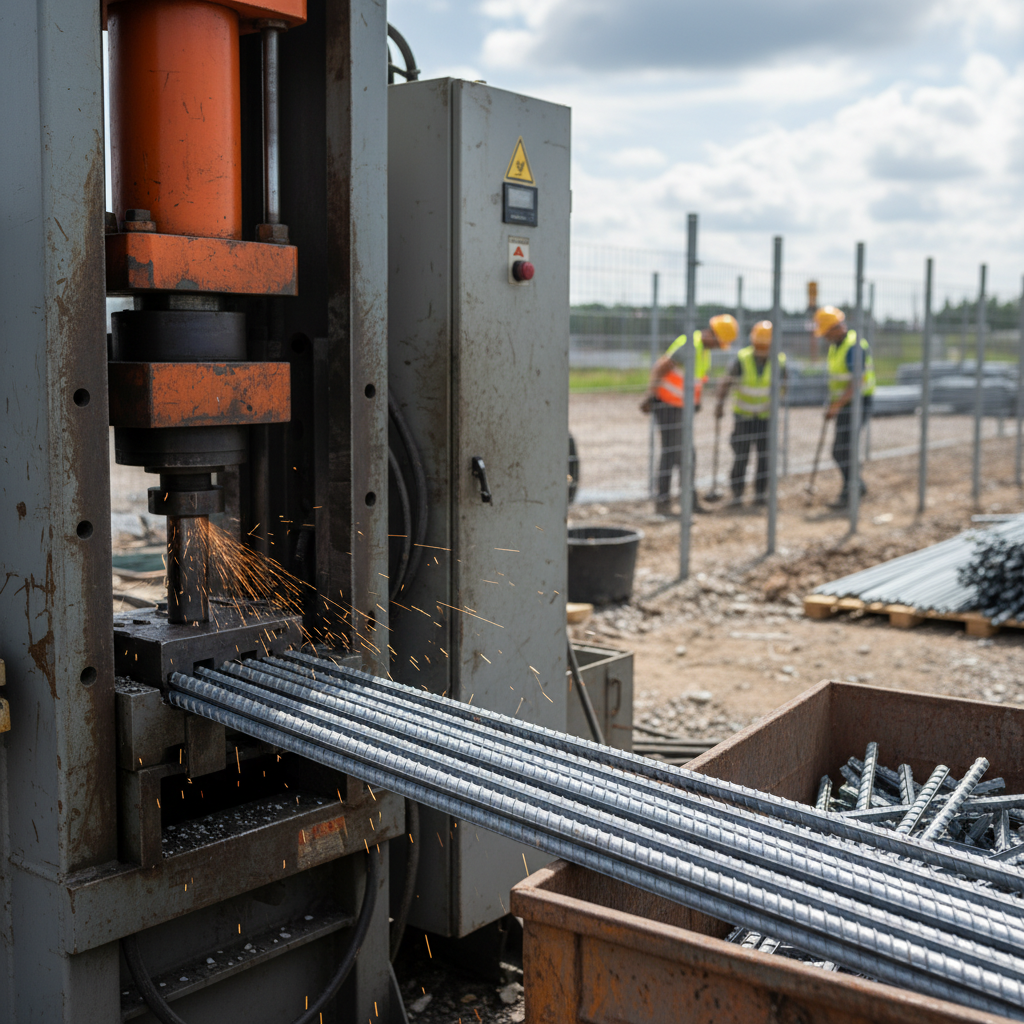
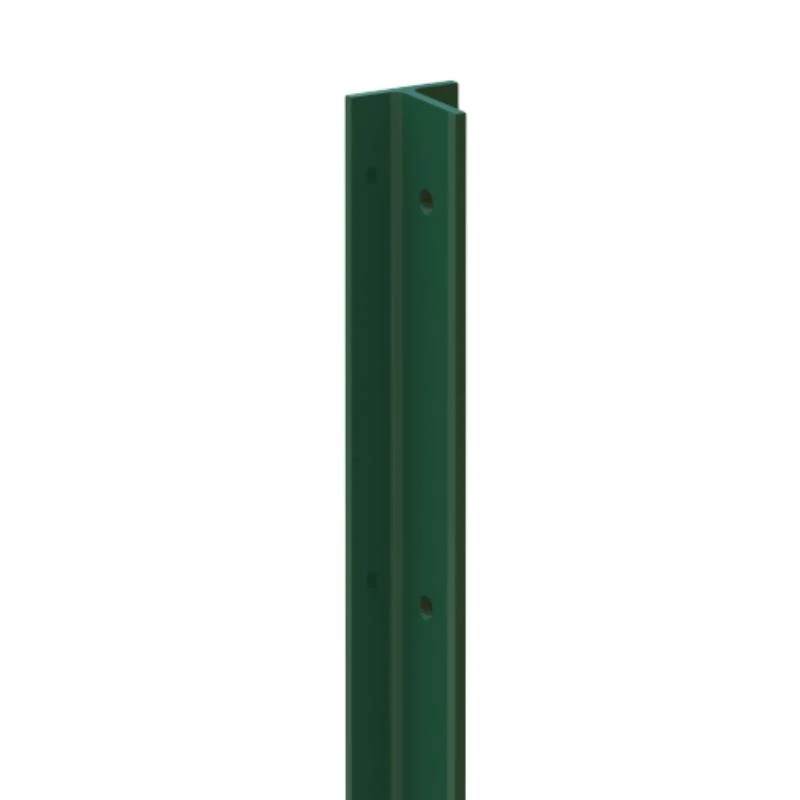
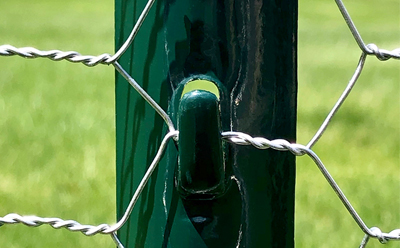
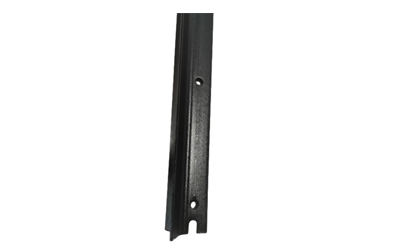
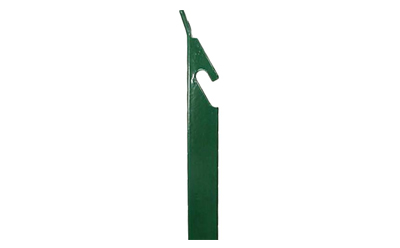
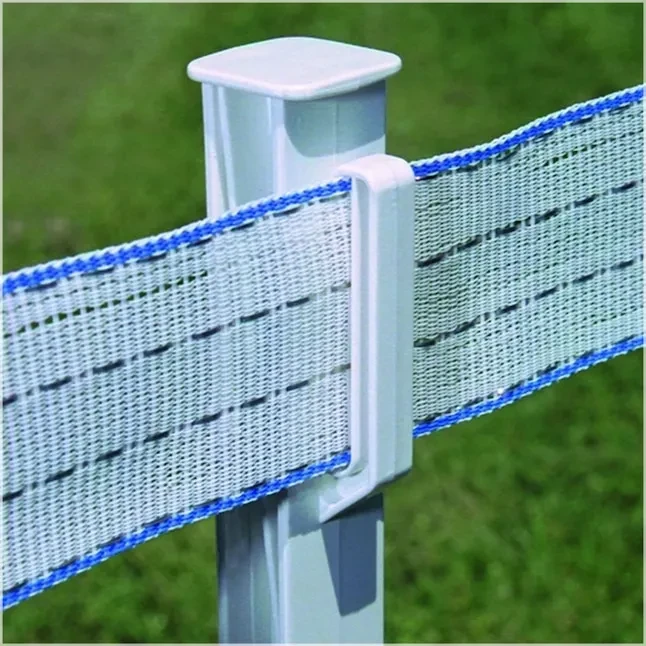
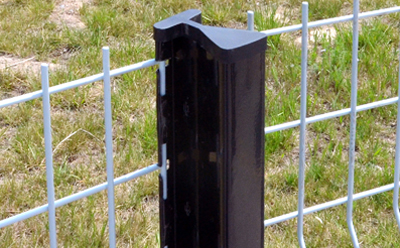
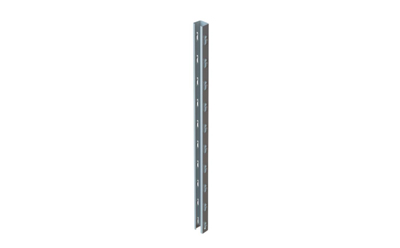
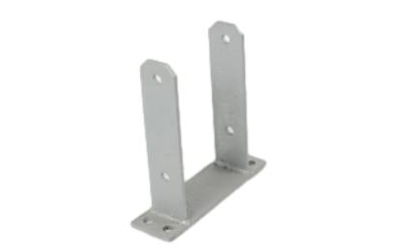
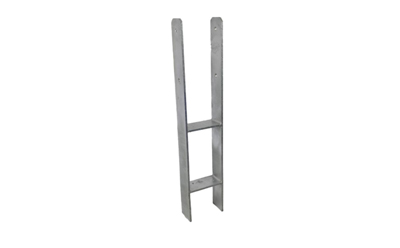
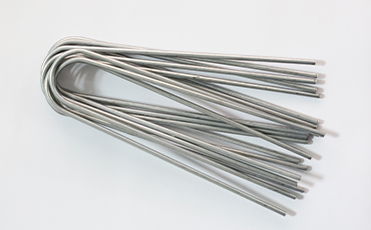
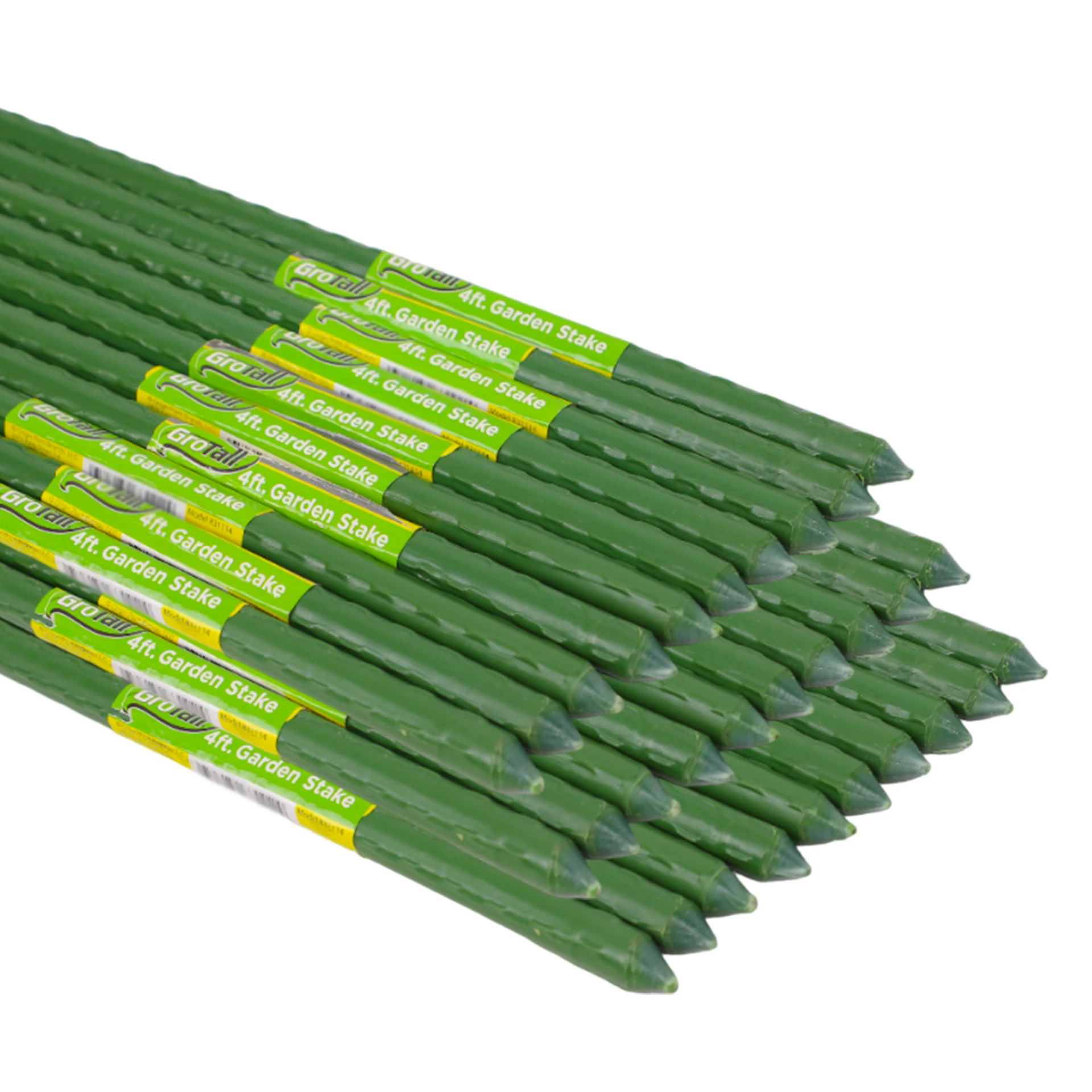
Several types of metal stakes are commonly used for wire fencing, each with its own strengths and weaknesses. These include T-posts, U-posts, H-posts, and even specialized stakes for specific applications like electric fencing. T-posts are arguably the most popular choice due to their cost-effectiveness and ease of installation. U-posts offer superior strength and are often preferred for heavier-duty fencing. H-posts provide exceptional stability and are frequently used for corner and gate posts. Understanding these differences is the first step in choosing the right stakes for your project.
Key Considerations: Consider the weight of the wire, the terrain, and the desired level of security when selecting your stakes. Heavier gauge wire requires stronger stakes.
Metal fence stakes are primarily made from steel, with variations in coating and gauge. Galvanized steel is the most common choice, offering excellent rust resistance. However, even galvanized steel can corrode over time, especially in harsh environments. For increased durability, consider stakes with a powder coating or a thicker galvanization layer. The gauge (thickness) of the steel also impacts strength; a lower gauge number indicates a thicker, stronger stake. Choosing the right material ensures your fencing remains secure and long-lasting, minimizing maintenance and replacement costs.
Material Benefits:
• Galvanized Steel: Good rust resistance, cost-effective.
• Powder Coated Steel: Enhanced rust protection and durability.
• Thick Gauge Steel: Superior strength and stability.
To help you visualize the differences between common metal stake types, here's a comparison chart highlighting their key features and benefits. This will assist you in selecting the most appropriate stake for your specific wire fencing application. Understanding these differences is essential for ensuring the long-term effectiveness and security of your fence. Consider your budget, the terrain, and the type of wire you’re using when making your decision.
Before purchasing metal stakes for wire fencing, assess your specific needs. Consider the type of wire you're using (barbed wire, woven wire, etc.), the terrain (rocky, soft, sloping), and the length and height of your fence. Also, factor in the climate; areas with high humidity or saltwater exposure require more corrosion-resistant materials. Proper planning will save you time and money in the long run by ensuring you select stakes that are durable, secure, and appropriate for your application.
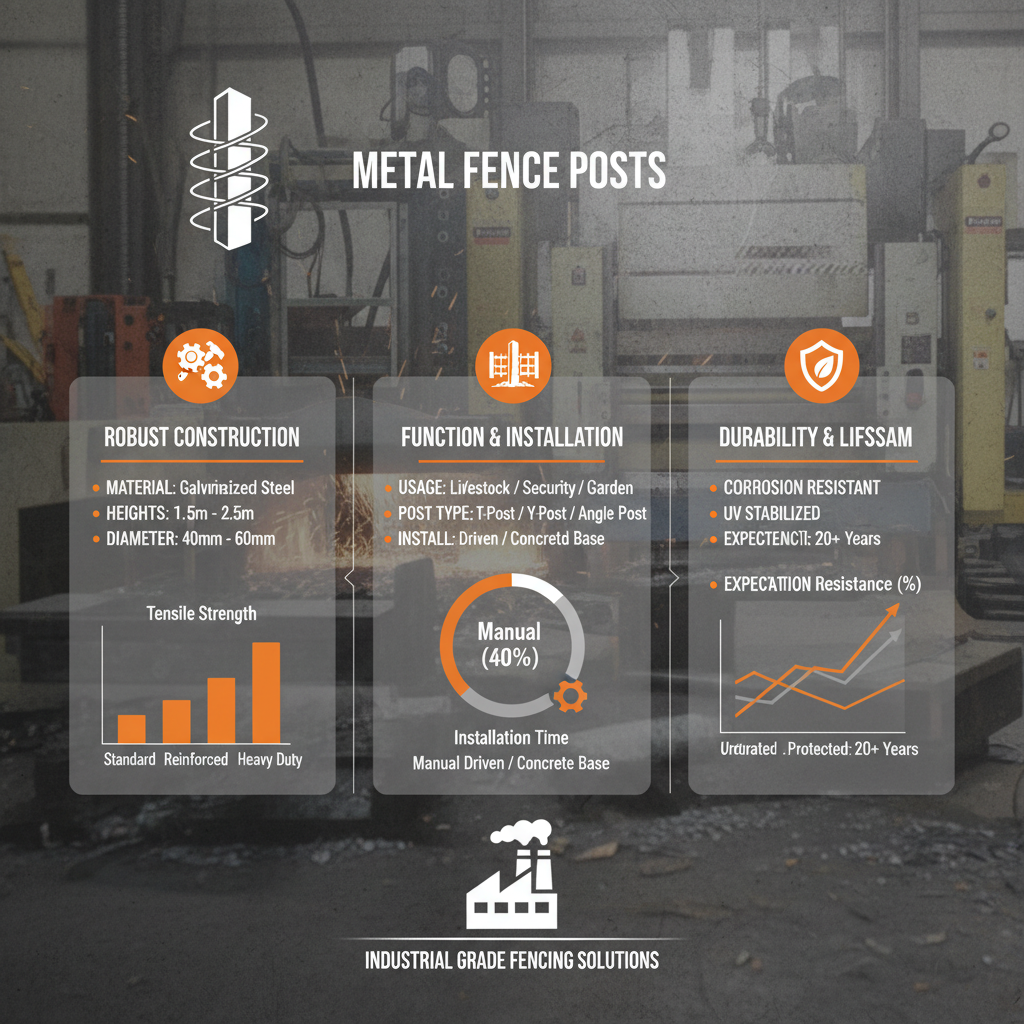
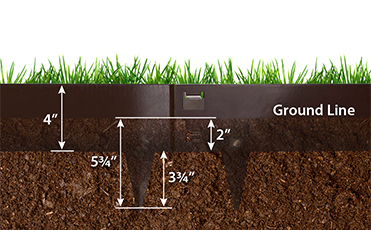
Even the best metal stakes won't provide adequate support if they aren't installed correctly. Proper installation involves driving the stakes deep enough into the ground to resist pulling and tilting. The depth will vary depending on the soil type and the height of the fence. Using a post driver is highly recommended for efficient and accurate installation. Ensure the stakes are spaced evenly to maintain consistent tension in the wire. Regular inspections and maintenance are also crucial to identify and address any potential issues before they become major problems. MinmetalsGlobal provides high quality stakes and expert advice to help you with your fencing project.
Selecting the right metal stakes for your wire fencing is a critical investment in the long-term security and durability of your property. By carefully considering the type of fencing, terrain, climate, and installation techniques, you can ensure a robust and reliable enclosure. Don't hesitate to consult with professionals at MinmetalsGlobal for expert guidance and high-quality products.
The ideal depth depends on soil type and fence height. As a general guideline, drive stakes at least 2-3 feet deep for standard 4-5 foot fences. In loose or sandy soil, you may need to go deeper, up to 4 feet. Rocky soil might require slightly less depth, but ensure a firm grip. Always consider the weight of the wire fencing material when determining the required depth. Insufficient depth leads to instability, especially in windy conditions. For heavier gauge wire and taller fences, consulting a fencing professional is recommended to ensure proper installation depth.
Using a post driver is the most efficient and effective method. A post driver delivers a controlled impact, minimizing damage to the stake and ensuring it's driven straight. Avoid using a sledgehammer directly on the stake, as this can bend or damage it. If using a post driver isn't possible, you can use a sledgehammer with a protective cap designed for driving fence posts. Always wear safety glasses and gloves during installation.
Regular inspection is vital, ideally at least twice a year (spring and fall). Check for signs of rust, corrosion, bending, or loosening. Also, inspect the ground around the stakes for erosion or settling. Address any issues promptly to prevent fence failure. Pay particular attention to corner posts and gate posts, as these bear the most stress. Consider using a wire tensioner to maintain consistent wire tension and reduce stress on the stakes.
Yes, but it requires more effort. Using a heavier-duty post driver is recommended. You may need to use a digging bar to break up the rock around the stake location before driving it in. Consider slightly shorter stakes, as it may be difficult to achieve the desired depth in extremely rocky soil. Proper bracing may also be necessary to ensure stability. Ensure you choose stakes made from high-strength steel that can withstand the impact during installation.



Copyright © 2026 Hebei Minmetals Co., Ltd. All Rights Reserved. Sitemap | Privacy Policy | Top Blog丨Menu