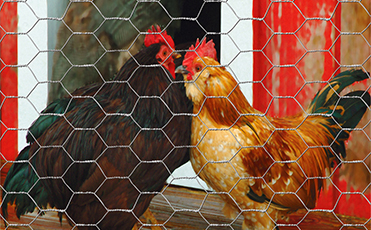
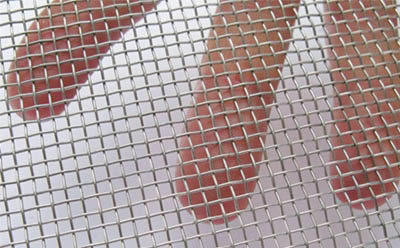
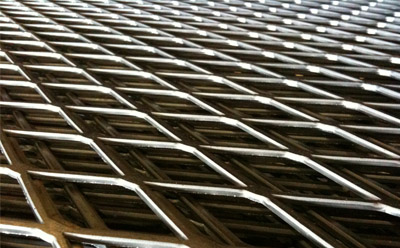
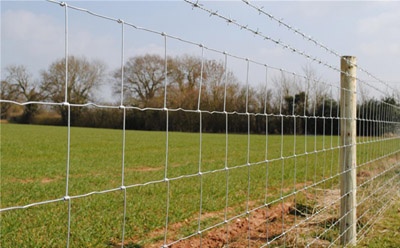
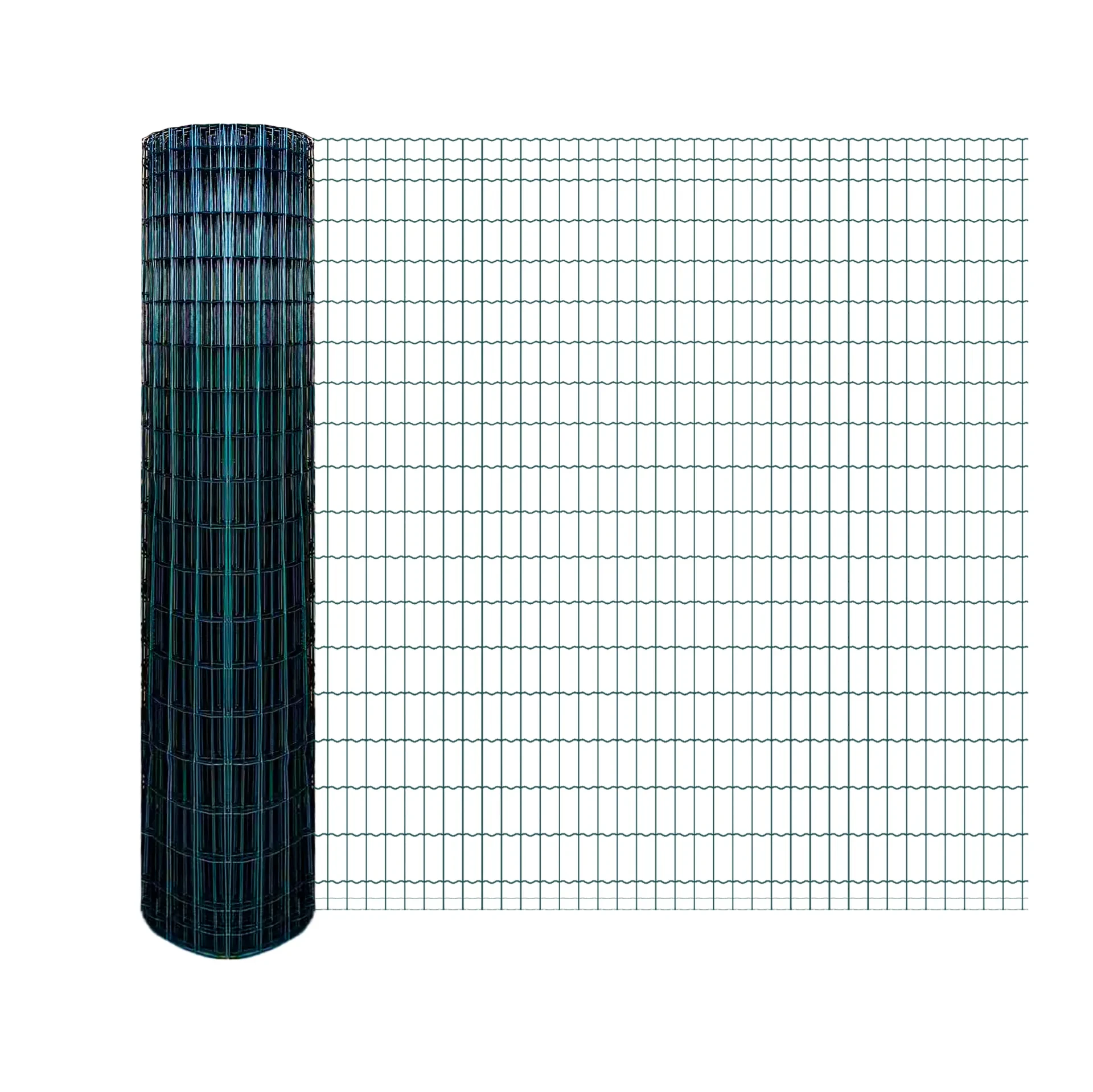
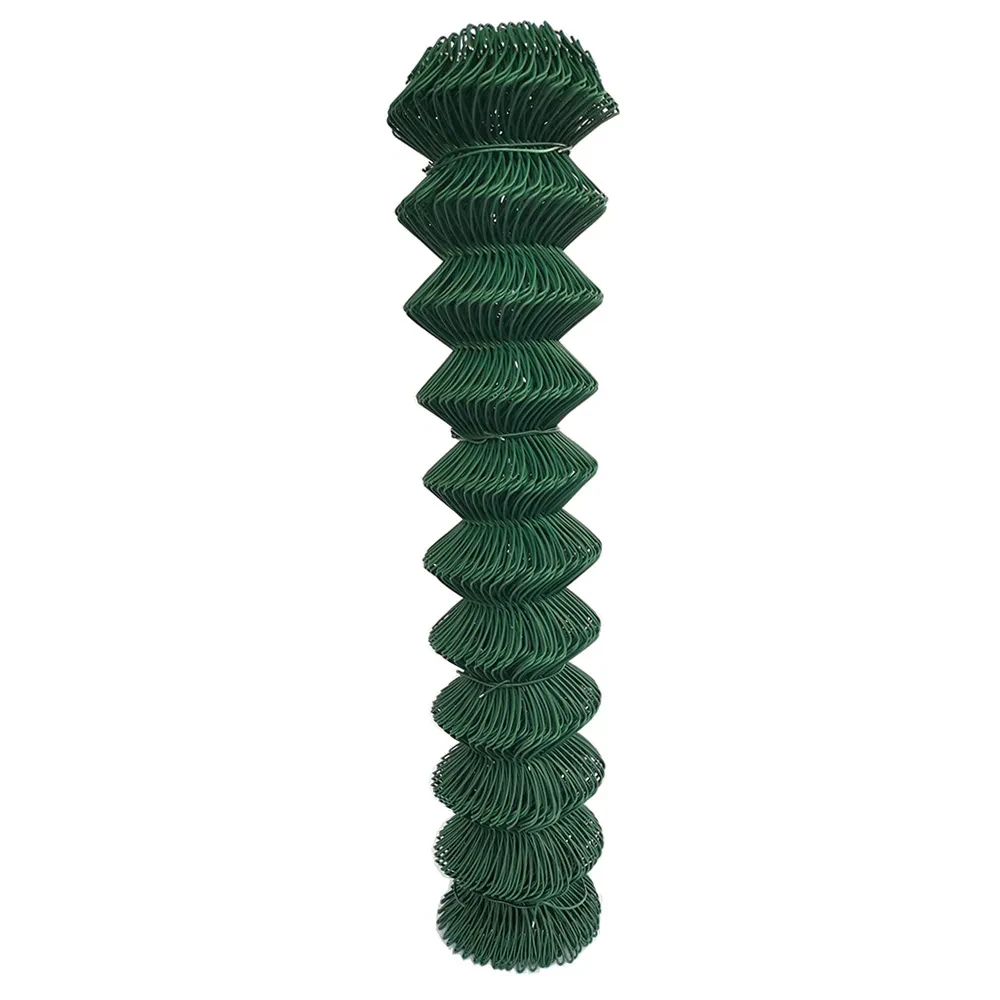
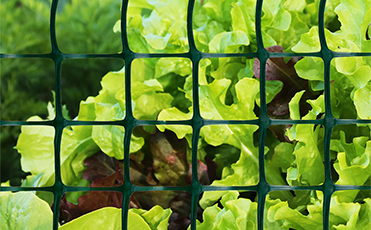
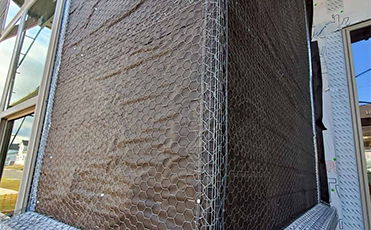
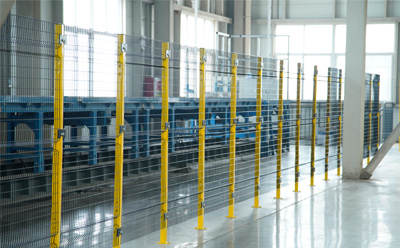
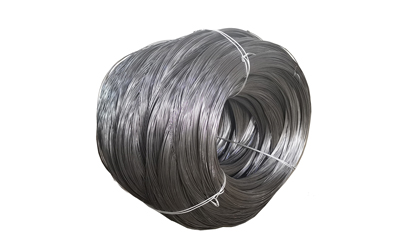
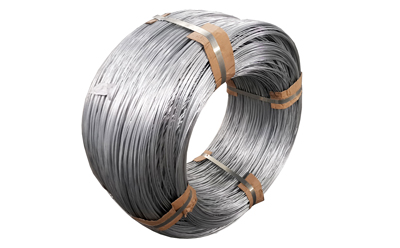
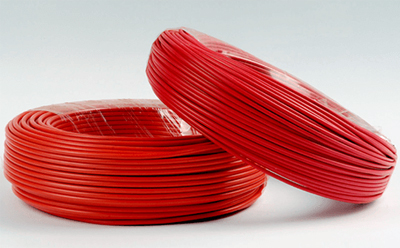
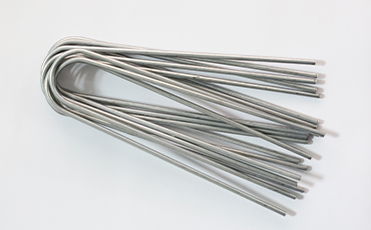
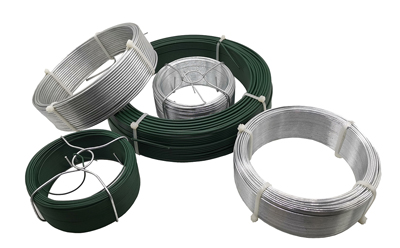
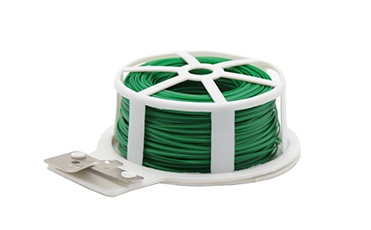
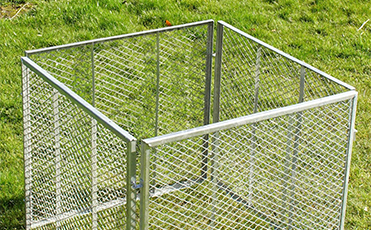
Chicken wire leaf compost—including practical chicken wire compost setups and versatile wire composter models—has become a go-to solution for gardeners, landscapers, and homeowners looking to turn fall leaves into nutrient-rich compost while keeping yard waste organized. Unlike plastic compost bins (which can trap moisture and restrict airflow) or open leaf piles (which spread messily and attract pests), chicken wire leaf compost offers breathability, affordability, and flexibility, making it ideal for large volumes of leaves. For wholesalers serving garden centers, landscaping companies, or municipal waste management departments, partnering with a manufacturer that delivers high-quality, durable wire compost solutions is essential. Hebei Minmetals Co., Ltd., a distinguished joint-stock group enterprise based in Shijiazhuang (specializing in wholesale wire mesh, panel fences, and home organization solutions), excels in this space: their wire composter and chicken wire compost materials feature rust-resistant coating, uniform mesh spacing, and heavy-gauge construction, ensuring they withstand outdoor elements and repeated use.
Airflow and Decomposition Efficiency of Chicken Wire Leaf Compost
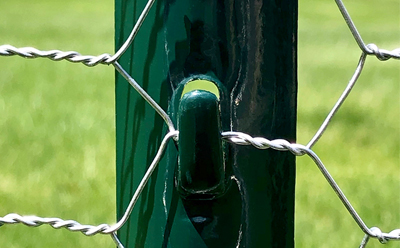
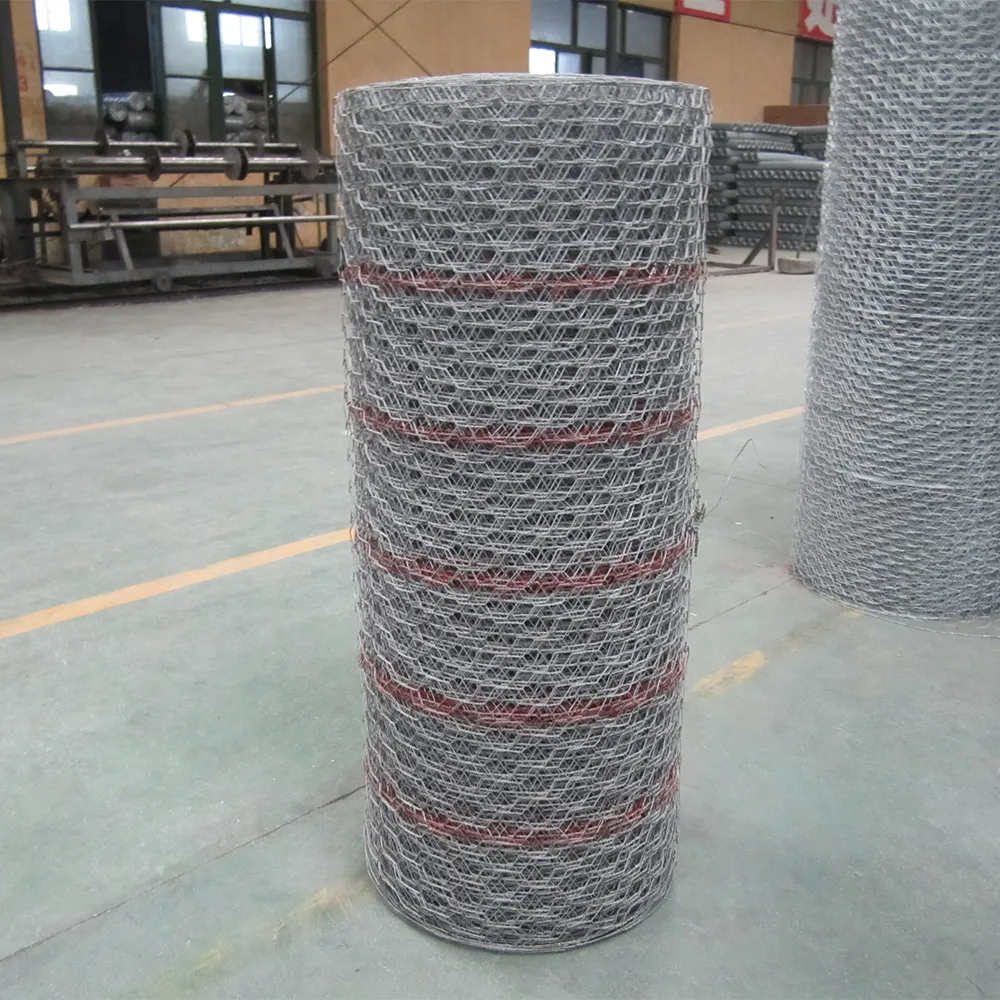
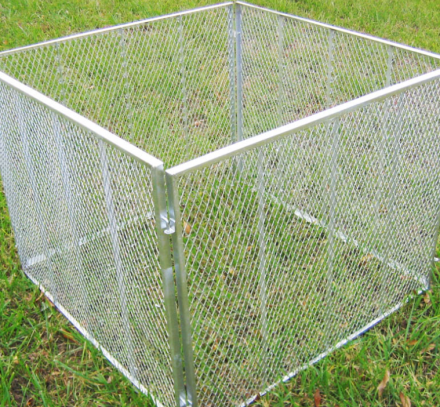
- Open-Mesh Design for Wire Composter: The biggest advantage of chicken wire leaf compost is its open-mesh structure, which maximizes airflow—critical for fast, even decomposition of leaves. Hebei Minmetals’ wire composter uses 1–2 inch mesh spacing, allowing oxygen to circulate freely through the leaf pile while preventing large debris from escaping. Unlike solid plastic bins (which require manual venting to avoid anaerobic rot), chicken wire compost naturally promotes aerobic decomposition, reducing foul odors and speeding up compost production. For example, a chicken wire leaf compost pile of oak or maple leaves will break down into usable compost in 6–8 months, compared to 12+ months in a sealed bin. This efficiency appeals to wholesalers targeting gardeners who want to turn yard waste into soil amendments quickly.
- Temperature Regulation for Chicken Wire Compost: Chicken wire compost also excels at regulating temperature, a key factor in decomposition. The open mesh allows heat (generated by microbial activity) to escape gradually, preventing the pile from overheating (which kills beneficial bacteria) or cooling too quickly (which slows decomposition). Hebei Minmetals’ heavy-gauge wire composter frames retain their shape even when the leaf pile expands or contracts with temperature changes, ensuring consistent airflow year-round. For instance, a chicken wire leaf compost pile in a cold climate will stay slightly warmer than the surrounding air (thanks to microbial heat), continuing to decompose slowly through winter—unlike plastic bins, which can freeze solid and halt the process. This year-round functionality is a key selling point for wholesalers serving clients in diverse climates.
Durability and Versatility of Wire Composter
- Weather Resistance for Chicken Wire Compost: Chicken wire leaf compost materials from Hebei Minmetals are engineered to withstand outdoor elements, making them a long-term yard investment. The wire mesh is coated with galvanized or PVC layers, protecting it from rain, snow, and UV rays—preventing rust and corrosion. Unlike lightweight plastic bins (which crack or fade after 2–3 years), a properly installed chicken wire compost structure can last 5–7 years with minimal maintenance. For example, a wire composter used in a rainy coastal area will resist saltwater corrosion, while one in a sunny desert climate will not become brittle or discolored. This durability reduces replacement costs for end-users, making chicken wire compost a cost-effective choice—an advantage wholesalers can emphasize to budget-conscious clients.
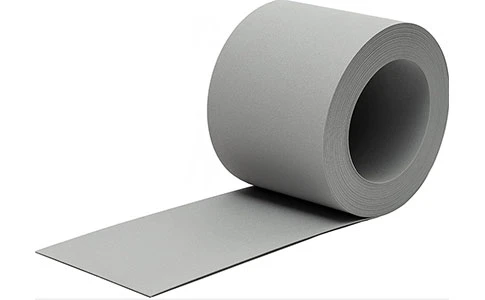
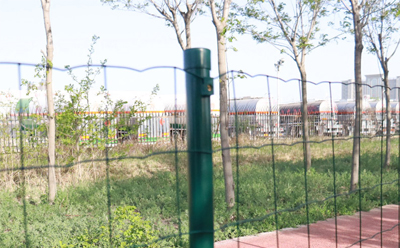
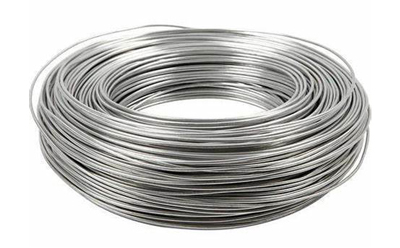
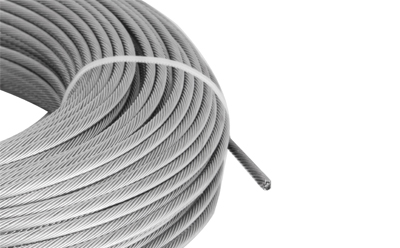
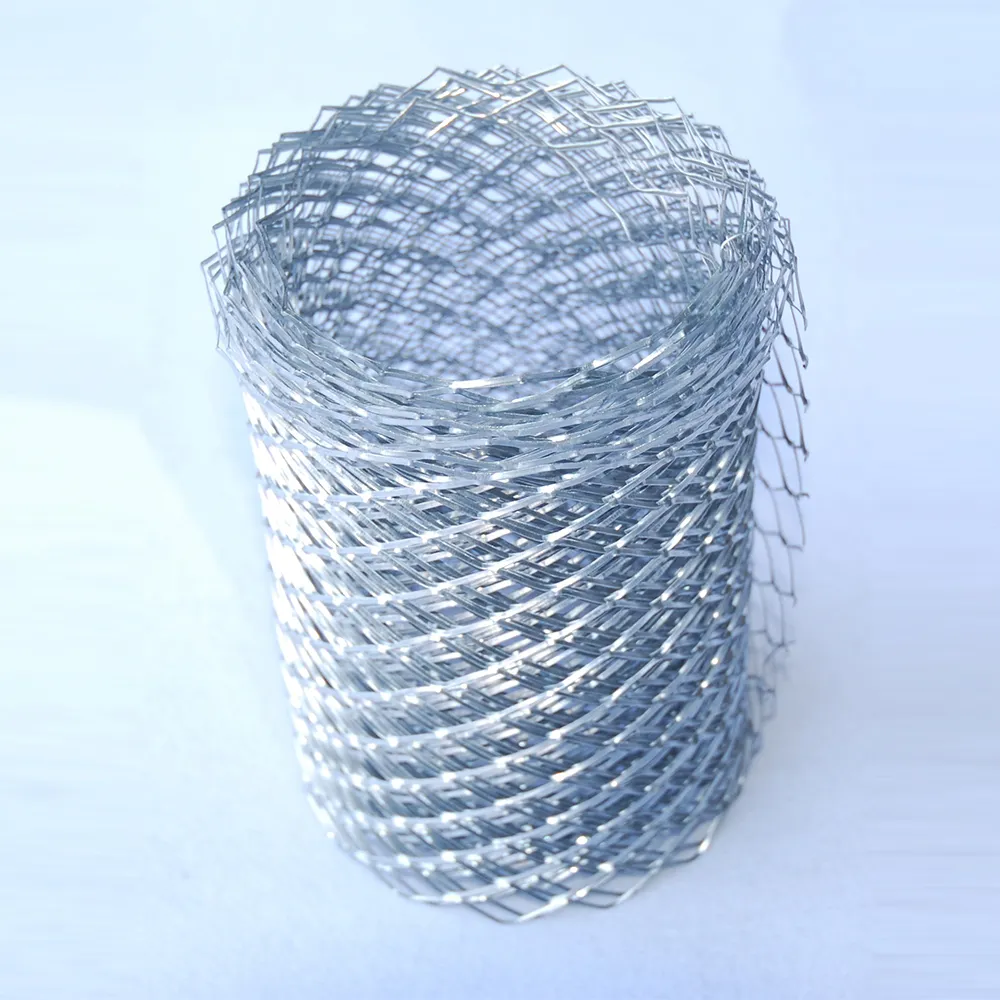
- Flexible Sizing for Wire Composter: Chicken wire compost is highly customizable in size, allowing wholesalers’ clients to match the composter to their leaf volume. Hebei Minmetals’ wire composter materials are sold in bulk rolls (50–100 feet long), which can be cut and shaped into small bins (3×3 feet for urban yards) or large enclosures (6×8 feet for rural properties or landscaping companies). The wire can also be combined with wooden or metal posts for stability, creating a structure that expands as leaf volume grows. For instance, a homeowner with a small lawn can build a compact chicken wire leaf compost bin, while a landscaping company can create multiple large enclosures to handle leaves from dozens of clients. This flexibility eliminates the need for stocking multiple fixed-size products, simplifying inventory for wholesalers.
Eco-Friendly Benefits of Chicken Wire Leaf Compost
- Reducing Landfill Waste with Wire Composter: Chicken wire leaf compost plays a key role in reducing yard waste sent to landfills. Leaves are a major component of municipal waste (accounting for 10–15% of autumn trash), and when buried in landfills, they decompose anaerobically and release methane (a potent greenhouse gas). By composting leaves in chicken wire compost or wire composter setups, gardeners divert this waste from landfills and turn it into a valuable resource. Hebei Minmetals’ wire composter materials make this process accessible to everyone, from homeowners to large-scale landscapers. For example, a single chicken wire leaf compost bin can divert 50–100 pounds of leaves from landfills each year, contributing to global sustainability goals.
- Creating Nutrient-Rich Soil with Chicken Wire Compost: The end product of chicken wire leaf compost—leaf mold—is a nutrient-dense soil amendment that improves soil structure, retains moisture, and feeds beneficial microbes. Unlike store-bought fertilizers (which can contain chemicals), leaf mold is organic and safe for use in vegetable gardens, flower beds, and lawns. Hebei Minmetals’ wire composter ensures the composting process produces high-quality leaf mold by promoting even decomposition. For instance, a gardener using chicken wire leaf compost can mix the finished leaf mold into garden soil to boost nutrient levels, reducing the need for synthetic fertilizers. This eco-friendly cycle appeals to wholesalers targeting organic gardeners and sustainability-focused clients.
Chicken Wire Leaf Compost FAQS
Can Chicken Wire Leaf Compost Be Used for Other Yard Waste Besides Leaves?
Yes— chicken wire leaf compost is versatile enough to handle other organic yard waste, including grass clippings, small twigs, plant trimmings, and even kitchen scraps (like fruit peels or vegetable waste). Hebei Minmetals’ wire composter mesh spacing (1–2 inches) prevents these materials from escaping while still allowing airflow. For example, a chicken wire compost bin can be layered with leaves, grass clippings, and coffee grounds to create a balanced compost mix, speeding up decomposition and enriching the final product. This versatility makes chicken wire leaf compost a one-stop solution for all yard and kitchen organic waste.
How Do I Prevent Pests from Getting into Chicken Wire Compost?
While chicken wire compost’s mesh keeps out large pests (like raccoons or squirrels), small pests (like mice) may still be attracted to food scraps. To prevent this, Hebei Minmetals recommends: avoiding meat, dairy, or oily foods in the compost (stick to plant-based waste); covering the top of the wire composter with a layer of dry leaves or straw (to mask odors); and placing the bin on a raised platform (like cinder blocks) to deter burrowing pests. For example, a chicken wire leaf compost bin used for kitchen scraps can be topped with a wire mesh lid (matching the composter material) to keep out birds and small mammals.
Is Chicken Wire Compost Difficult to Assemble?
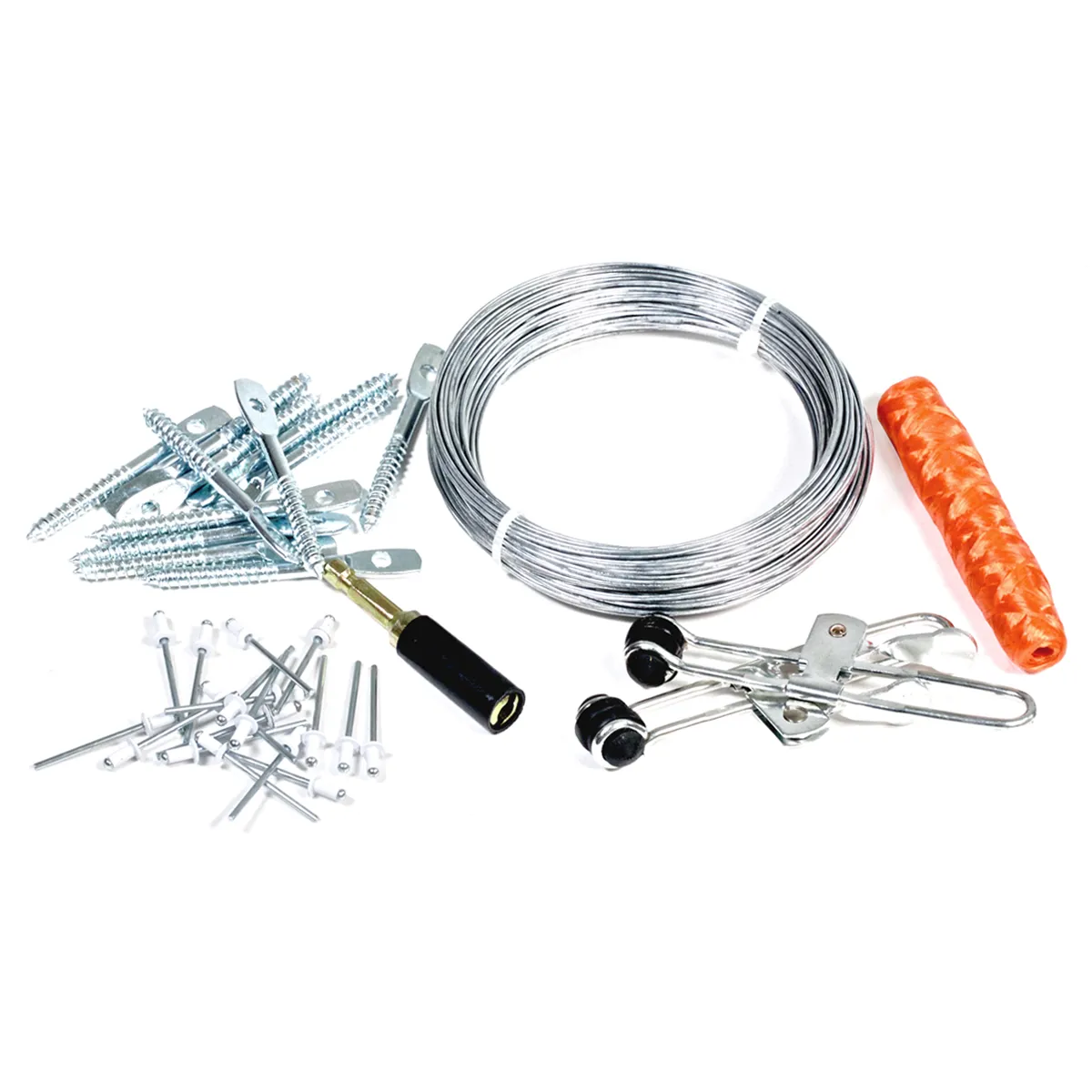
No— chicken wire compost is easy to assemble, even for beginners. Hebei Minmetals’ wire composter materials come in flexible rolls that can be shaped into a circle, square, or rectangle, then secured with zip ties or wire fasteners. Wooden or metal posts can be added for stability, but even a basic bin requires no specialized tools. A single person can assemble a small chicken wire leaf compost bin in 30–45 minutes, following simple instructions. Wholesalers can provide clients with assembly guides or video tutorials to make the process even easier.
How Often Should I Turn Chicken Wire Leaf Compost?
To speed up decomposition, chicken wire leaf compost should be turned every 2–4 weeks. The open mesh design makes turning easy—use a garden fork to mix the outer layers (which decompose slower) into the center (where heat and microbial activity are highest). Hebei Minmetals’ heavy-gauge wire composter retains its shape during turning, preventing the bin from collapsing. For example, turning a chicken wire leaf compost bin monthly can reduce decomposition time by 30%, ensuring faster access to usable leaf mold.
Can Chicken Wire Leaf Compost Be Used in Winter?
Yes— chicken wire leaf compost works in winter, though decomposition will slow down in cold temperatures. The open mesh allows snow to filter into the pile (adding moisture, which is beneficial) while still retaining some heat from microbial activity. Hebei Minmetals’ rust-resistant wire composter materials withstand freezing temperatures without cracking or breaking. For best results, insulate the chicken wire compost bin with a layer of straw or burlap in extreme cold, which helps maintain a slightly warmer internal temperature. By spring, the pile will be ready to finish decomposing, providing fresh compost for the growing season.