

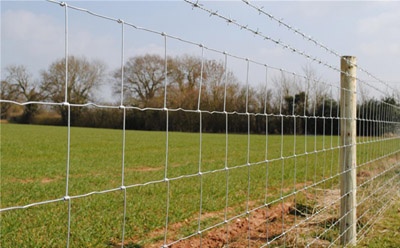
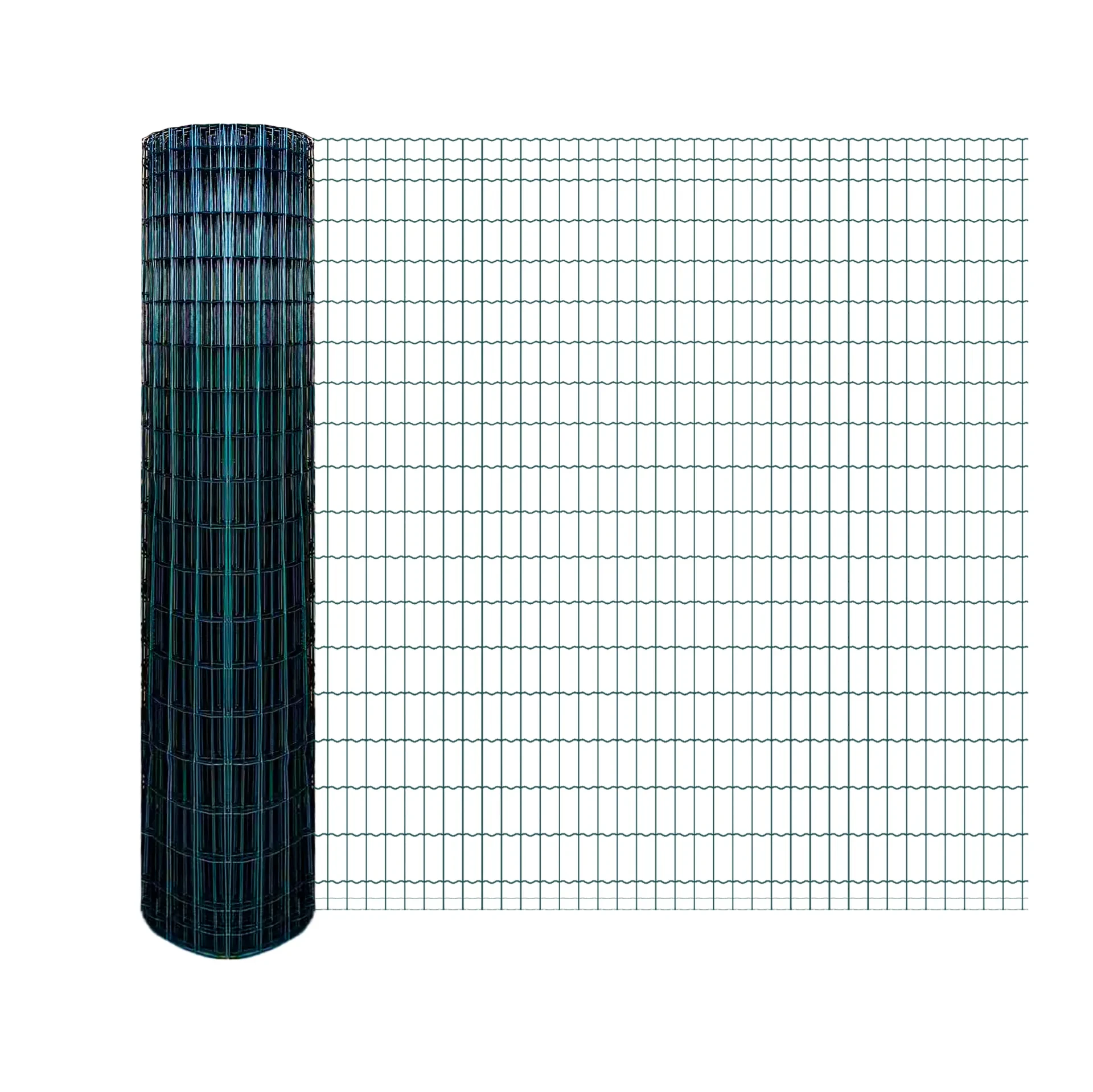
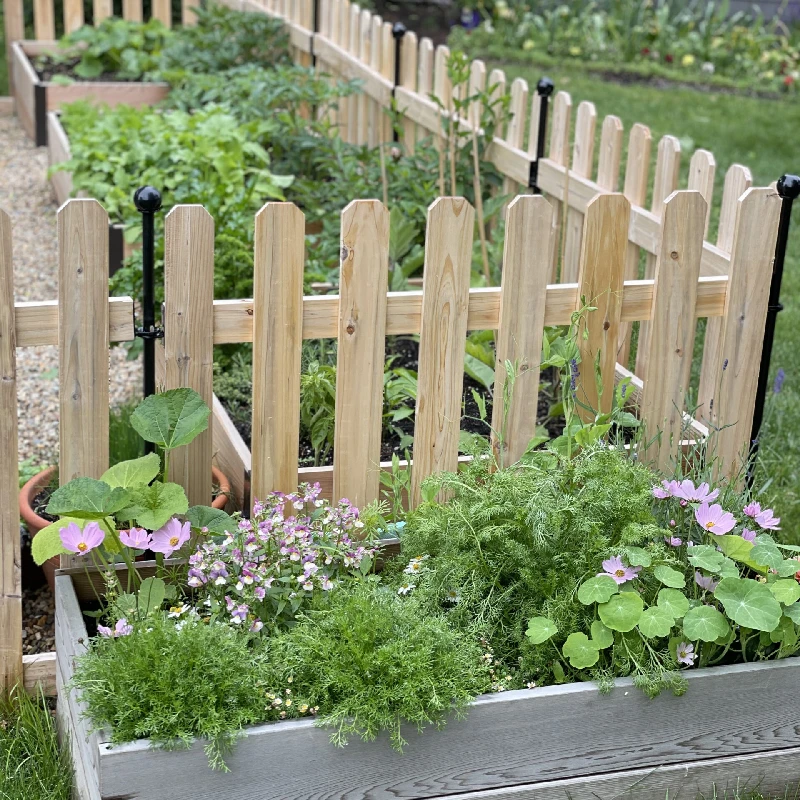
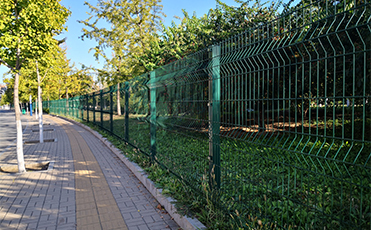
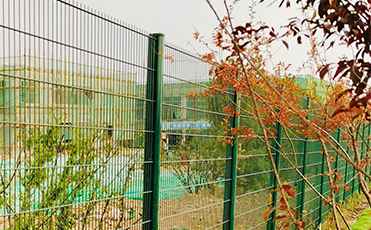
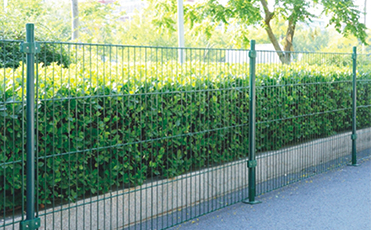
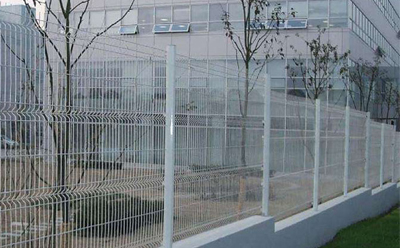
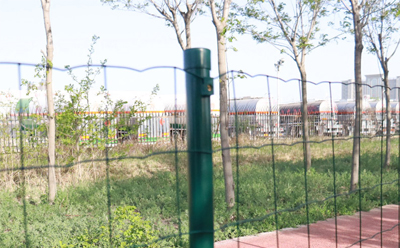
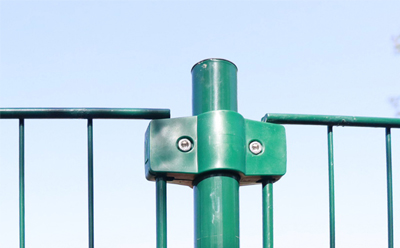
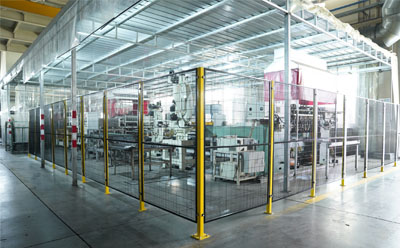
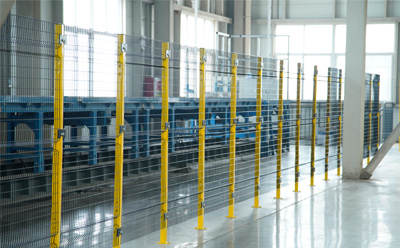
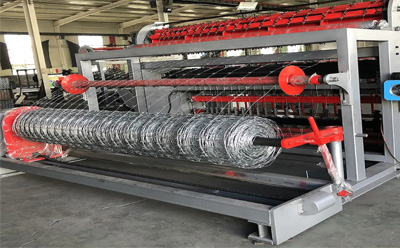
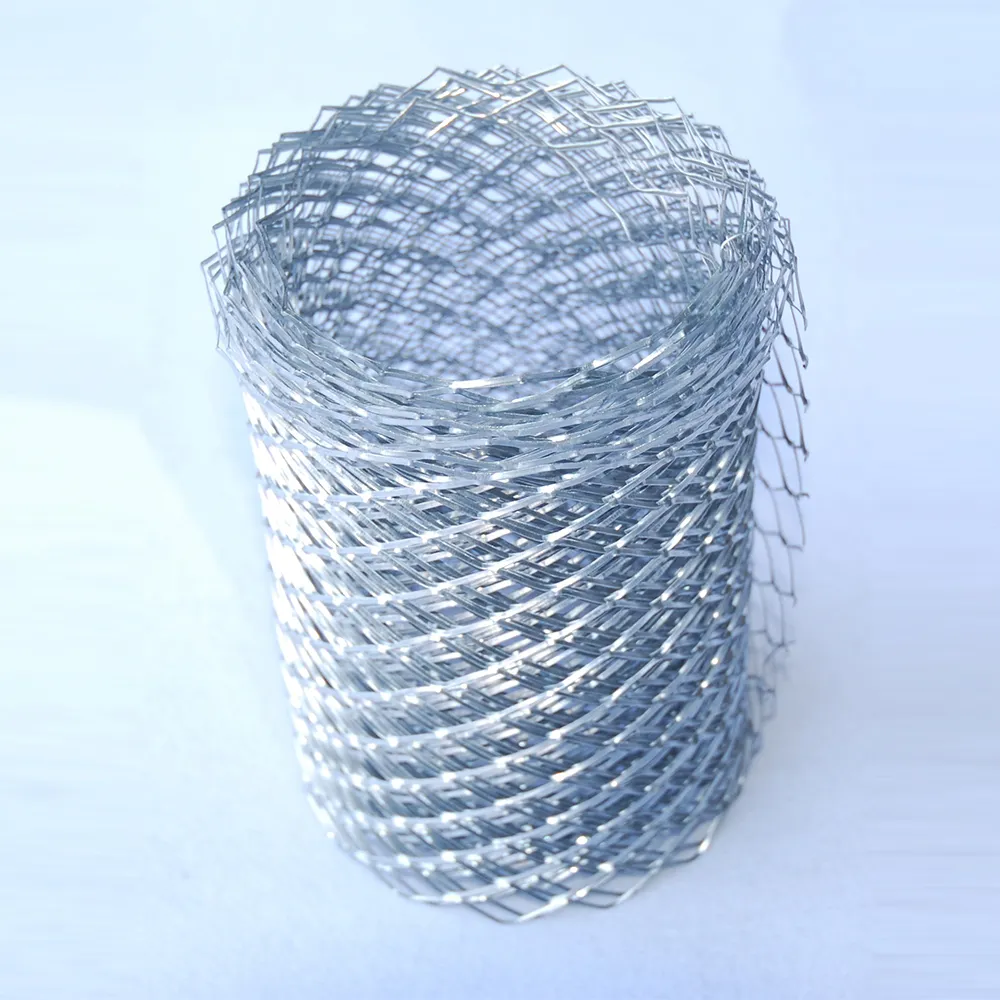
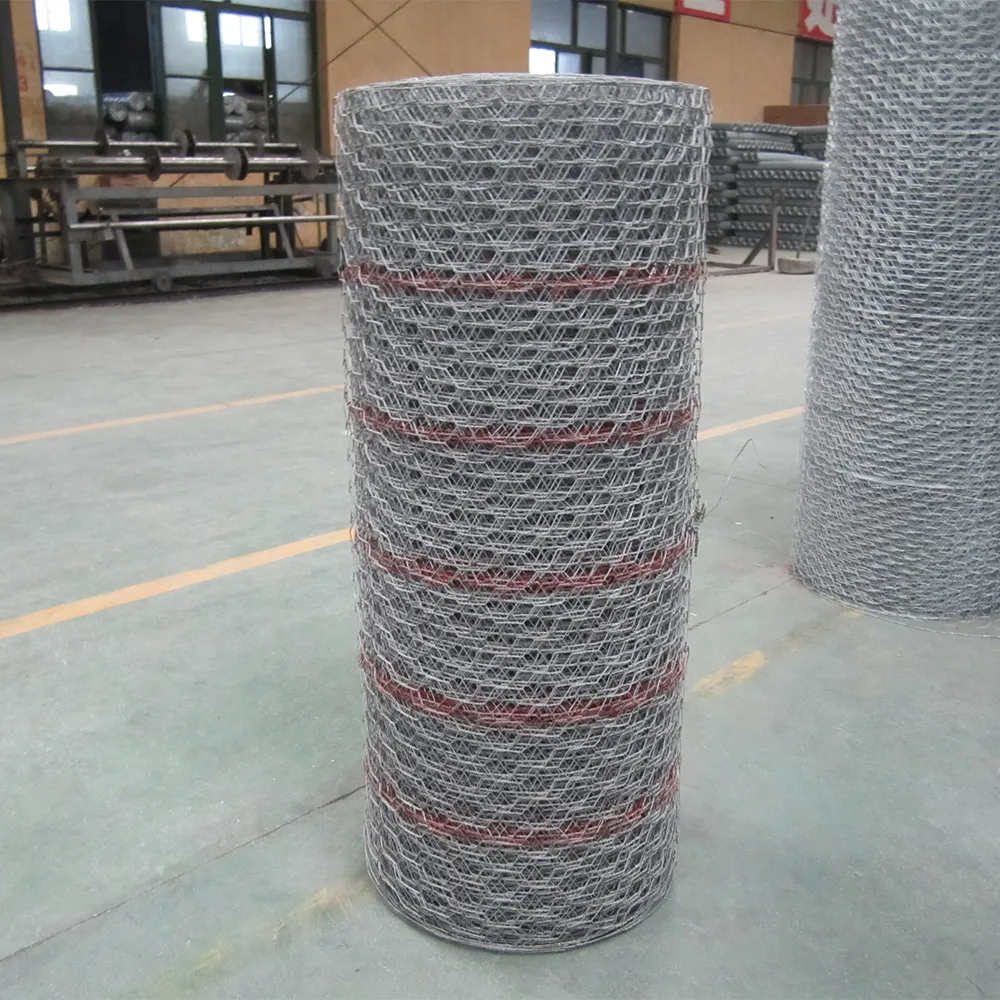












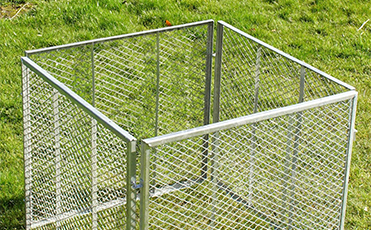
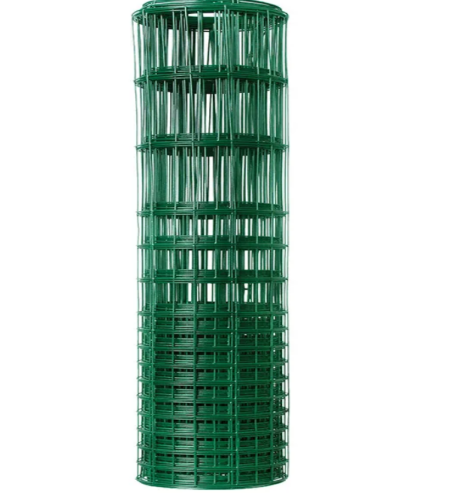
Weld mesh—including versatile welded chicken wire (for poultry and small animal enclosures) and durable welded fence (for perimeter security or agricultural partitioning)—is a staple in agriculture, construction, and mining. However, its steel composition makes it vulnerable to corrosion from moisture, chemicals, or harsh weather, which shortens lifespan and reduces functionality. For wholesalers serving farmers, construction firms, or industrial clients, partnering with a manufacturer that prioritizes effective corrosion resistance treatments for weld mesh is essential. Hebei Minmetals Co., Ltd., a leading joint-stock group enterprise in Shijiazhuang with over 2,200 employees and a 60 million RMB registered capital, specializes in high-quality weld mesh (alongside welded/woven mesh, wire fence, and more). Their weld mesh is crafted via automatic processes and sophisticated welding techniques, then enhanced with industry-leading corrosion treatments—ensuring durability for applications from poultry houses to mining site enclosures.
|
Weld Mesh Type |
Recommended Corrosion Treatment |
Ideal Application |
Hebei Minmetals Advantage |
Wholesaler Value |
|
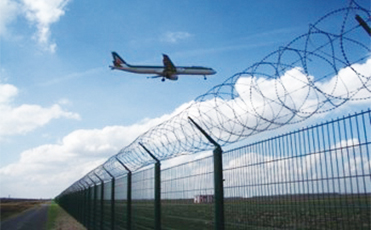
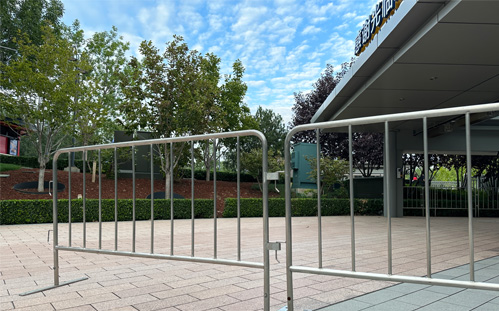
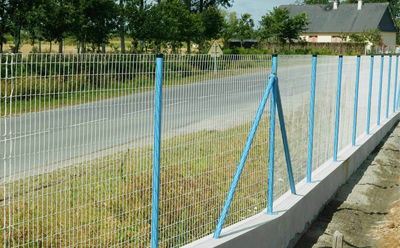
Welded Fence (Outdoor) |
Hot-dip galvanization (60–80μm zinc) |
Farm perimeters, construction site security |
Post-weld coating; no weld weak points |
Appeals to clients needing long-term durability |
|
Welded Chicken Wire (Poultry) |
Hot-dip (heavy-duty) or electro-galvanization (light-duty) |
Poultry houses, egg baskets, small animal enclosures |
Uniform weld coverage; clog-free apertures |
Fits agriculture clients’ varied needs |
|
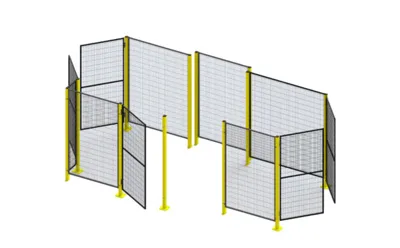
Weld Mesh (Industrial) |
Hot-dip galvanization + PVC coating |
Mining screens, drainage racks |
Double protection against chemicals |
Caters to harsh industrial environments |
|
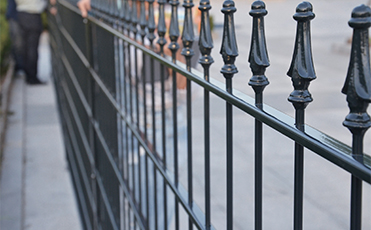
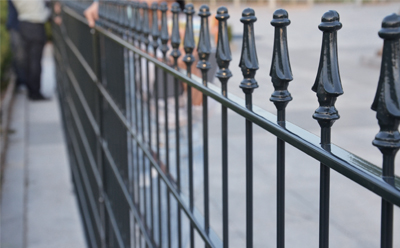
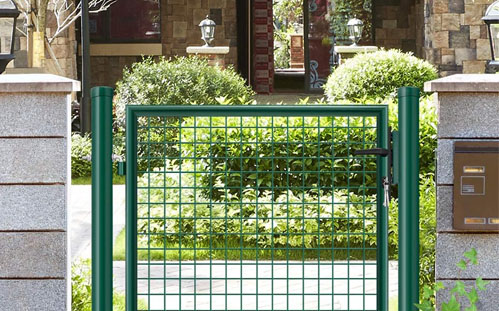
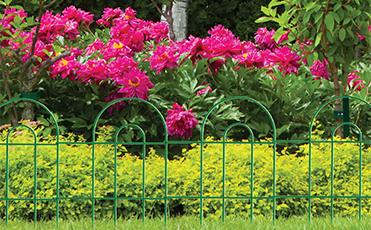
Welded Fence (Decorative) |
Electro-galvanization + powder coating |
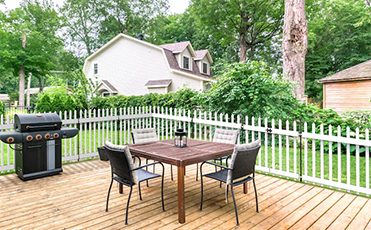
Residential gardens, commercial landscaping |
Smooth, colored finish; aesthetic appeal |
Attracts clients prioritizing design |
Hebei Minmetals’ hot-dip galvanized weld mesh (including welded fence and welded chicken wire) maintains corrosion resistance for 10–15 years in mild outdoor environments (e.g., farmyards) and 7–10 years in harsher conditions (e.g., coastal areas). The thick zinc coating (60–80μm) self-heals small scratches—zinc around the scratch oxidizes to protect the exposed steel. For wholesalers, this long lifespan is a selling point: it reduces clients’ replacement frequency and lowers their total cost of ownership.
Yes—Hebei Minmetals offers combined treatments for welded chicken wire: electro-galvanization for base corrosion protection, followed by PVC coating for extra durability and color. This is popular for clients needing welded chicken wire for decorative poultry runs or indoor/outdoor dual-use (e.g., moving enclosures between barns and yards). The combination adds 3–5 years to the mesh’s lifespan vs. single treatments and lets clients choose colors that match their farm or facility aesthetics. For wholesalers, combined treatments create high-value products that stand out in competitive markets.
While corrosion-resistant weld mesh has a higher upfront cost (15–30% more than uncoated), it offers long-term savings. Uncoated welded fence may need replacement every 2–3 years, while hot-dip galvanized options last 10+ years—lowering total costs over time. Hebei Minmetals also offers bulk discounts for wholesalers ordering 10,000+ square meters of treated weld mesh, making it cost-competitive for large projects (e.g., agricultural complexes or construction sites). For wholesalers, this value proposition helps clients see beyond upfront costs to long-term ROI.
No—Hebei Minmetals’ corrosion treatments (hot-dip, electro-galvanization, PVC coating) do not weaken weld mesh welds. Post-weld hot-dip galvanization uses controlled cooling to avoid weld brittleness, while electro-galvanization and PVC coating operate at low temperatures that don’t impact steel integrity. The company tests weld strength (via pull tests) on 5% of each batch, ensuring treated welded fence and welded chicken wire meet the same strength standards as uncoated mesh. For wholesalers, this reassurance addresses a common client concern, making treated weld mesh a reliable choice for load-bearing applications (e.g., mining screens).
Yes—Hebei Minmetals offers food-safe corrosion treatments for weld mesh used in food processing (e.g., fruit drying screens or vegetable washing racks). Electro-galvanization uses food-grade zinc (meeting FDA standards), and PVC coating options include food-safe, BPA-free materials. These treatments prevent rust from contaminating food and are easy to sanitize (compatible with mild detergents). For wholesalers serving food processing clients, this specialized option expands market reach: weld mesh becomes suitable for regulated industries where safety is critical.



Copyright © 2026 Hebei Minmetals Co., Ltd. All Rights Reserved. Sitemap | Privacy Policy | Top Blog丨Menu