




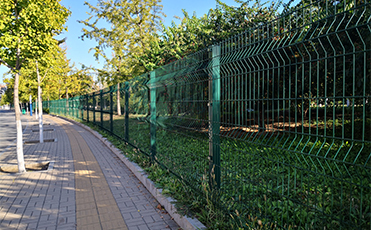
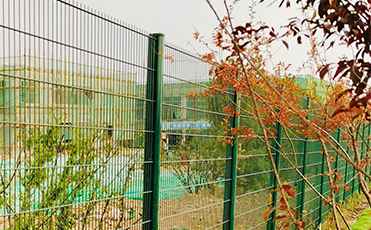




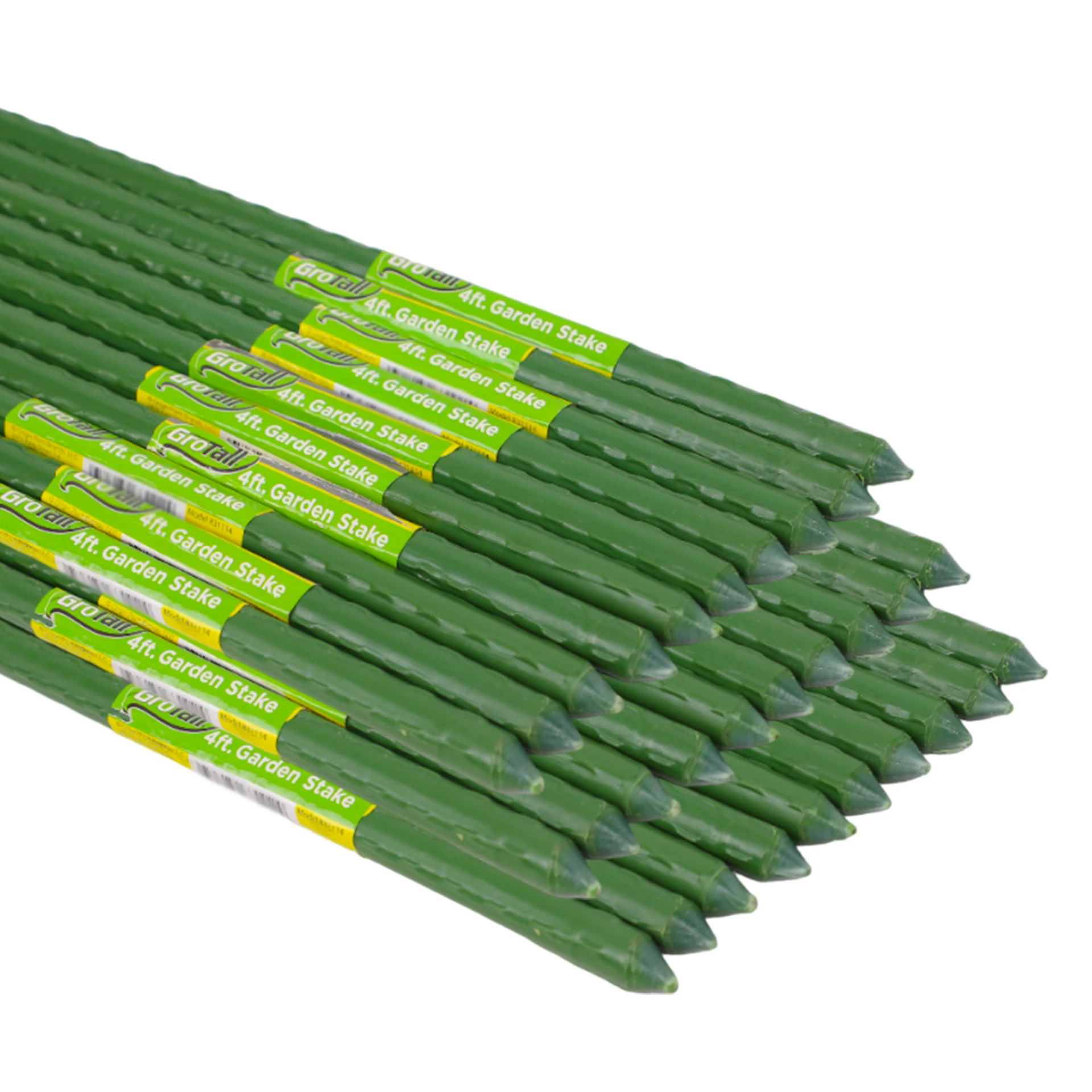










When undertaking fencing, structural support, or boundary marking, the strength and reliability of your posts are paramount. Heavy duty steel posts are the ideal solution, offering exceptional durability and longevity compared to traditional materials like wood or plastic. This article will provide a comprehensive overview of heavy duty steel posts, exploring their benefits, applications, types, and factors to consider when making a purchase. We'll help you understand why these posts are a smart investment for any project.
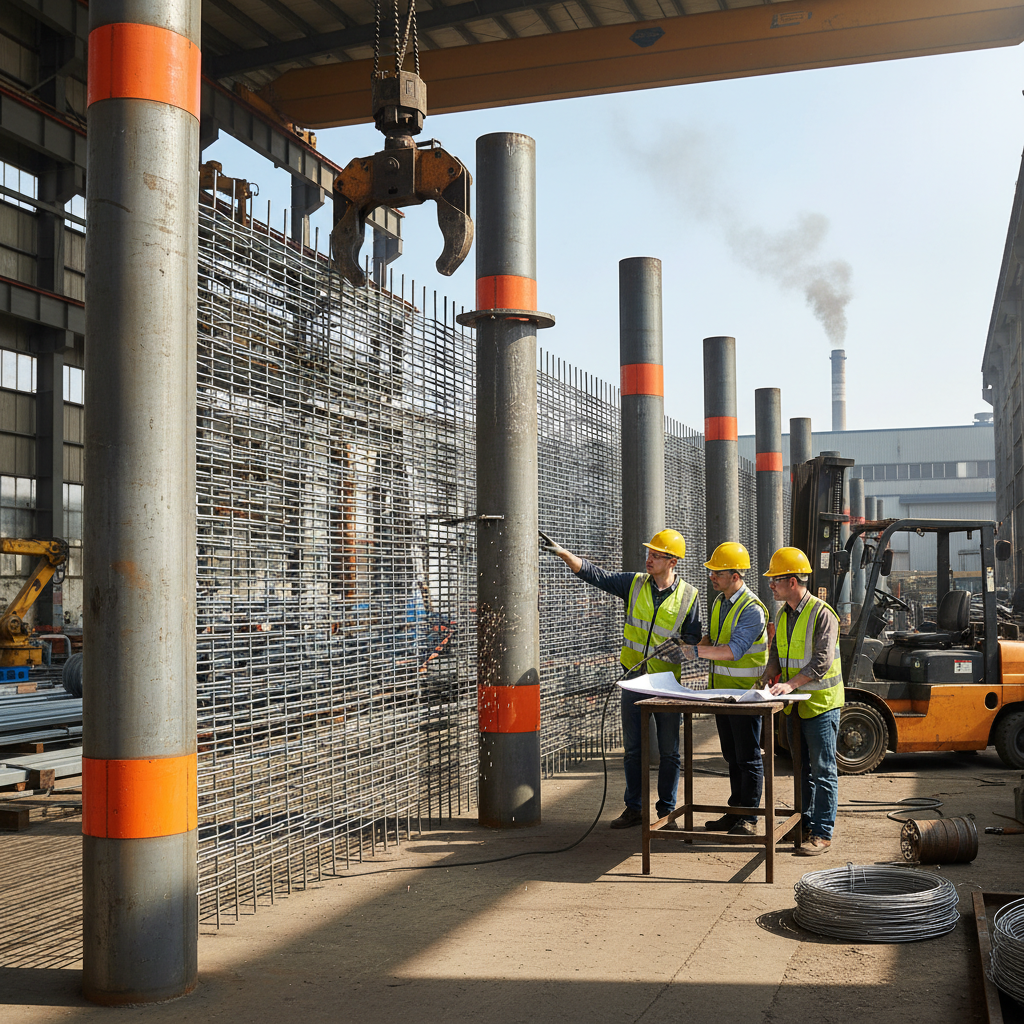
Heavy duty steel posts offer a multitude of advantages. They’re incredibly strong, resisting bending, breaking, and warping even under significant stress. Unlike wood, steel is impervious to rot, decay, and insect infestation, resulting in a much longer lifespan and reduced maintenance costs. Steel posts also maintain their integrity in various weather conditions – they won’t swell in moisture or become brittle in extreme temperatures. This makes them a superior choice for long-term fencing or structural applications. Furthermore, steel is recyclable, making it an environmentally responsible option. Choosing steel posts means investing in quality and sustainability.
Key Highlights: Exceptional strength, resistance to rot and insects, durability in all weather conditions, and recyclability contribute to long-term cost savings and environmental responsibility.
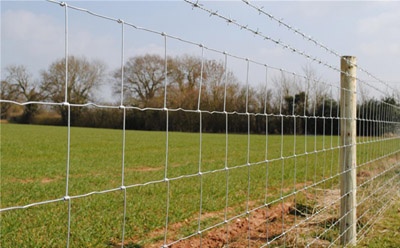
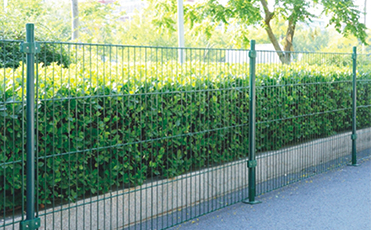
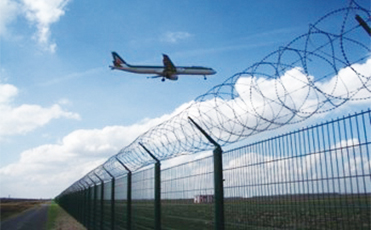
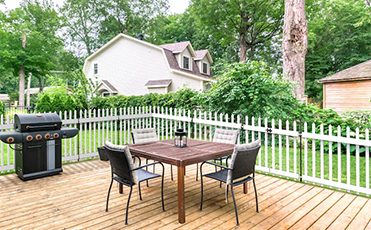
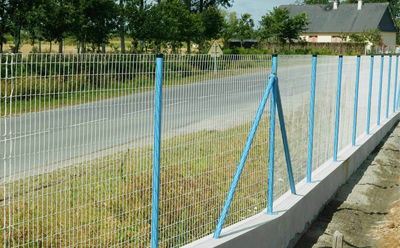
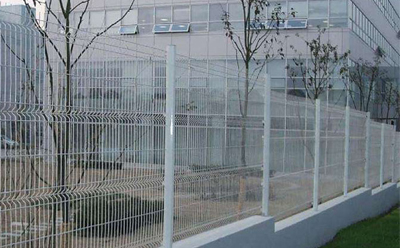
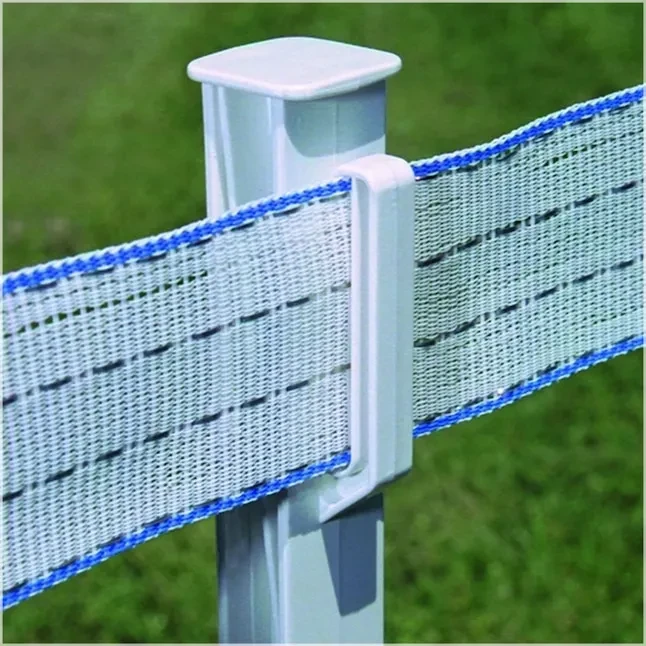
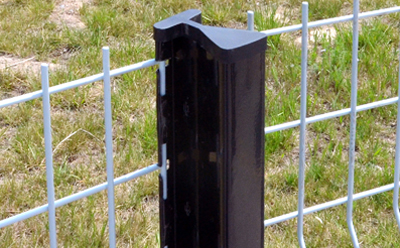
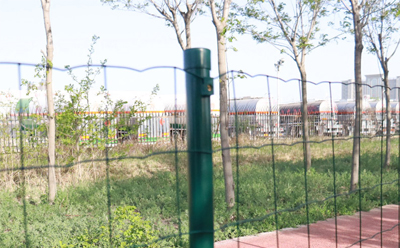
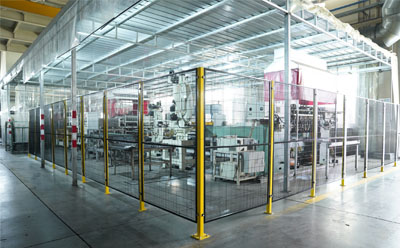
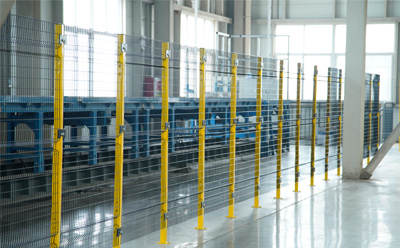
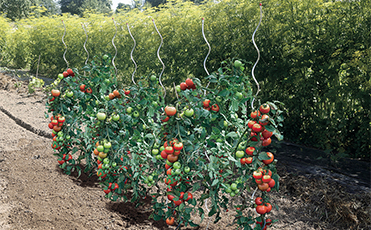
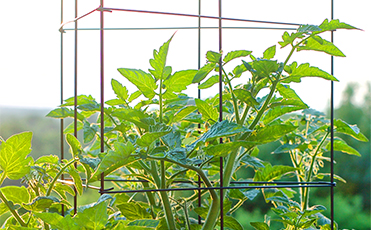
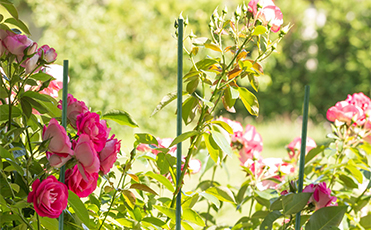
The versatility of heavy duty steel posts makes them suitable for a wide range of applications. They are frequently used in agricultural fencing to contain livestock, providing a secure and lasting barrier. In residential settings, they serve as strong supports for chain-link, picket, or privacy fences. Commercial applications include security fencing around industrial properties, car parks, and construction sites. Steel posts are also ideal for supporting vineyards, orchards, and other horticultural structures. They can even be used for signposts and temporary structures where robust support is required. Minmetals Global provides solutions for a variety of needs.
Common Applications:
• Agricultural Fencing
• Residential Fencing
• Commercial Security
• Horticultural Support
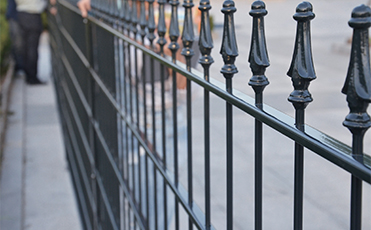
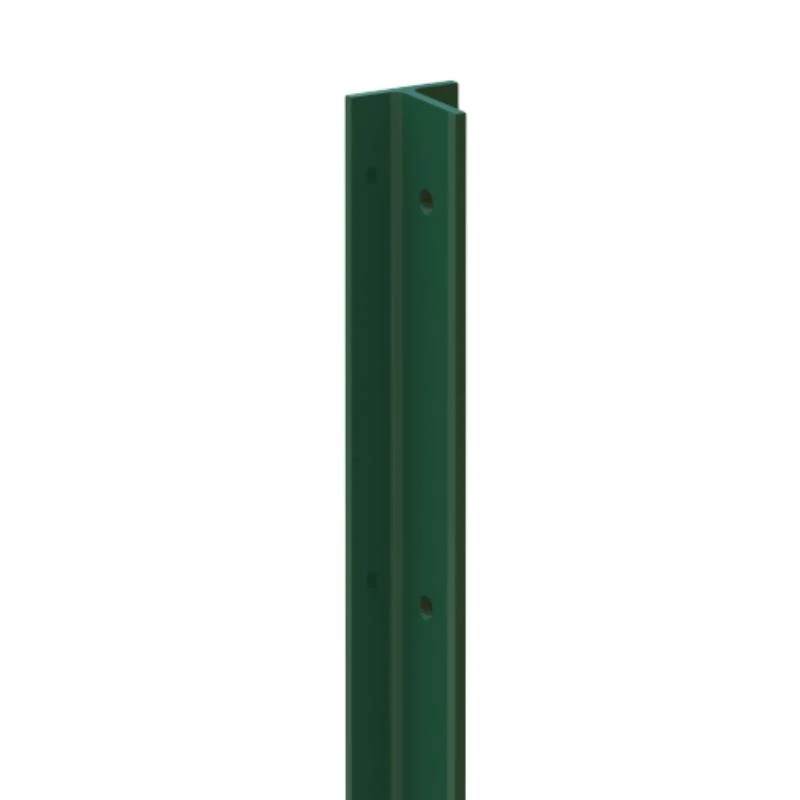
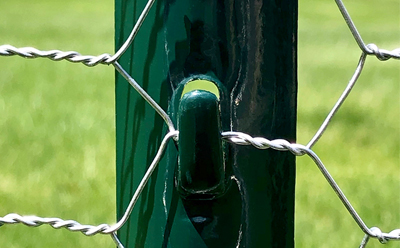
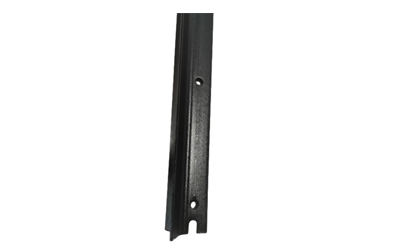
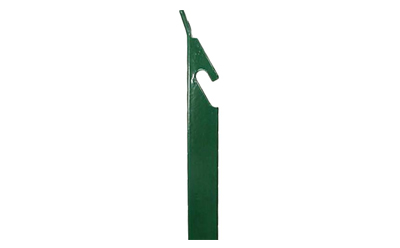
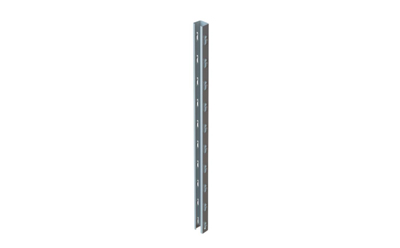
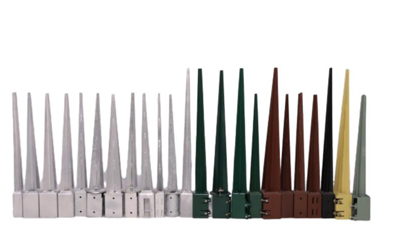
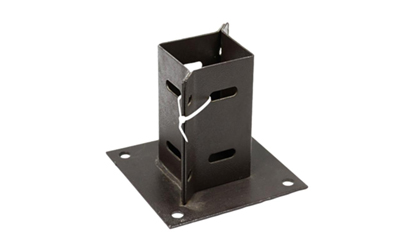
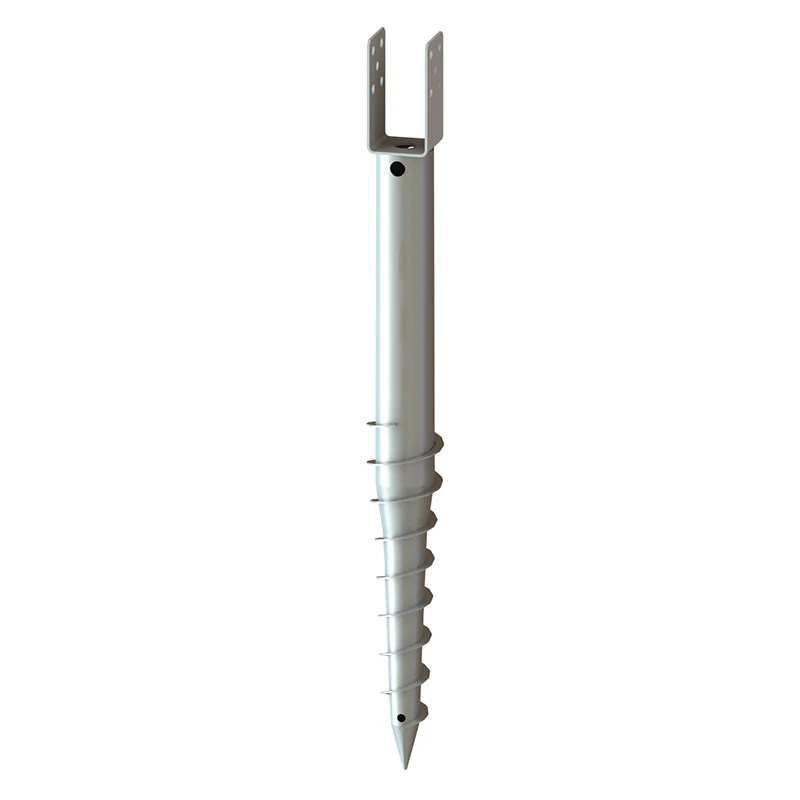
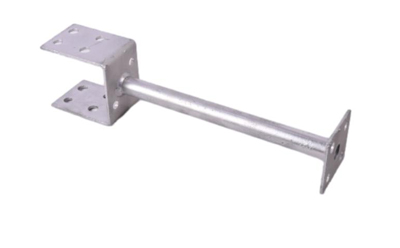
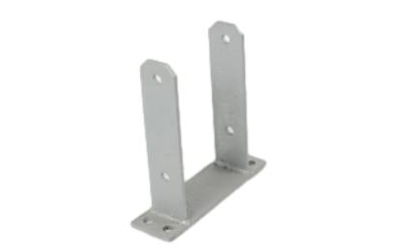
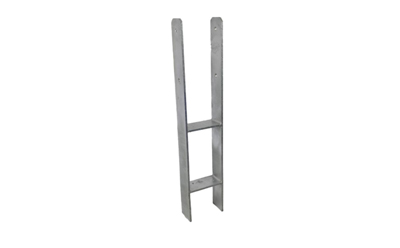
Not all heavy duty steel posts are created equal. Different types are designed for specific applications. Round posts offer all-around strength and are commonly used for general fencing. Square posts provide a more modern aesthetic and are often preferred for aesthetic fences. H-posts, with their distinctive shape, offer exceptional stability for high-stress applications like woven wire fencing. Posts can also vary in gauge (thickness) and coating. Galvanized steel provides corrosion resistance, while powder coating offers enhanced protection and a variety of color options. Understanding these differences is crucial for selecting the best posts for your project. Explore our range of options to find the perfect fit.
Selecting the right steel posts requires careful consideration of several factors. First, assess the load-bearing requirements of your project. Posts supporting heavier fences or structures will need to be thicker and more robust. Next, consider the soil conditions. Posts installed in soft or sandy soil may require deeper installation or larger diameters for stability. Climate is also a key factor – choose galvanized or powder-coated posts for enhanced corrosion resistance in harsh environments. Finally, think about aesthetics. The shape and finish of the posts should complement the overall design of your project. Our expert team can help you navigate these choices.
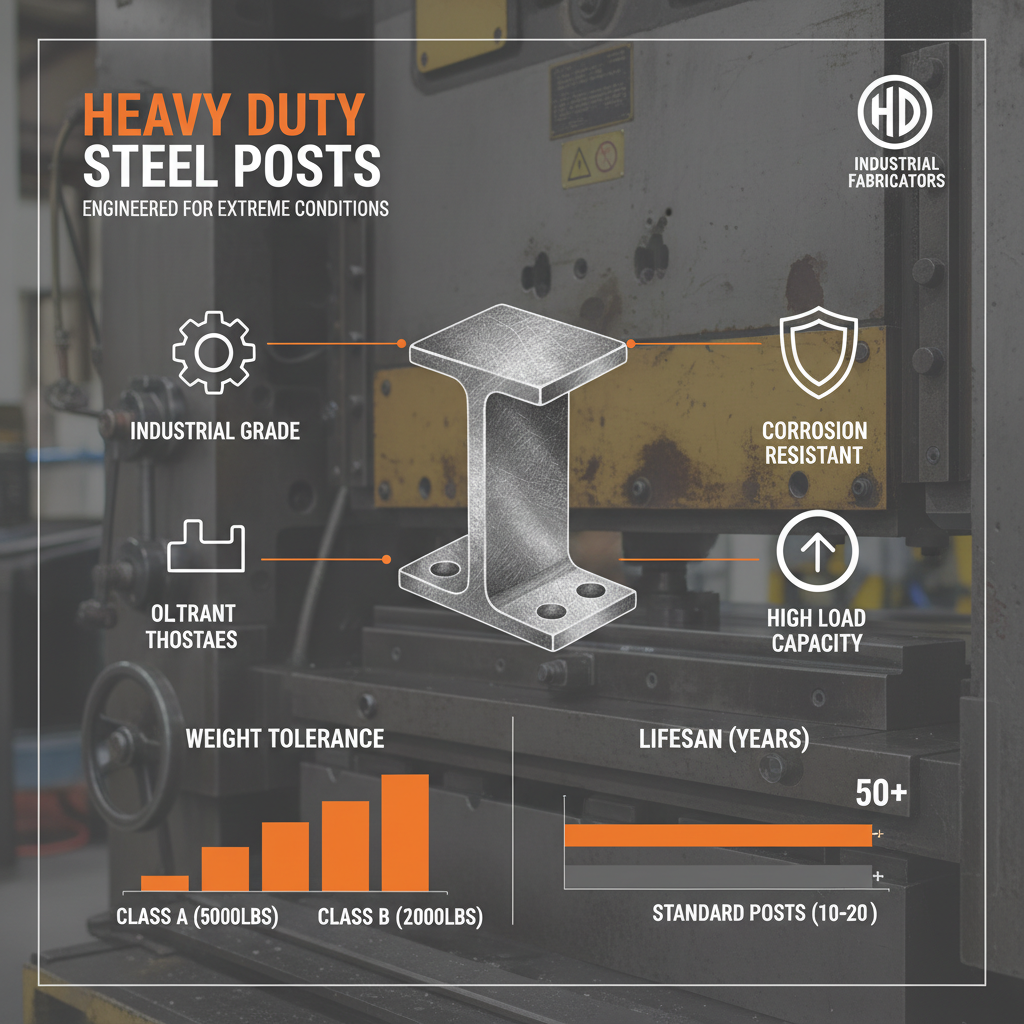
Understanding the specifications of heavy duty steel posts is crucial for ensuring a successful installation. Post diameter typically ranges from 1 5/8" to 3", with the appropriate size dependent on the fence height and intended load. Post length varies from 6ft to 12ft, or even longer for specific applications. Wall thickness is a critical factor, with thicker walls providing greater strength. Common steel grades include A36 and A572, each offering different strength and weldability characteristics. Always refer to the manufacturer’s specifications to ensure the posts meet your project’s requirements.
Heavy duty steel posts are a durable, reliable, and cost-effective solution for a wide range of fencing and structural applications. Their strength, longevity, and resistance to the elements make them a superior choice compared to traditional materials. By carefully considering your project requirements and choosing the right type and specifications, you can ensure a lasting and secure investment. Contact Minmetals Global today to discuss your needs and find the perfect steel posts for your project.
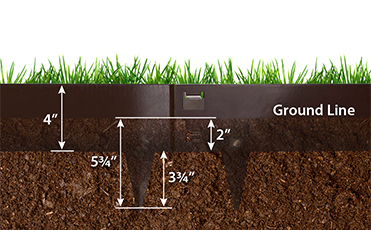
The recommended depth for installing heavy duty steel posts depends on several factors, including the post height, soil type, and fence load. As a general guideline, posts should be installed at least 1/3 of their total length underground. For example, a 8-foot post should be installed at least 2.6 feet deep. In soft or sandy soils, deeper installation may be necessary for added stability. It’s crucial to consult local building codes and regulations for specific requirements. Properly installed posts are essential for a secure and long-lasting fence.
Galvanization is a process of coating steel with a layer of zinc to protect it from corrosion. This process creates a barrier between the steel and the elements, preventing rust and extending the lifespan of the posts. Galvanization is particularly important for steel posts that will be exposed to moisture, salt spray, or other corrosive environments. The zinc coating acts as a sacrificial layer, corroding before the underlying steel. This significantly reduces maintenance costs and ensures the long-term durability of the fence or structure.
Yes, heavy duty steel posts can be welded together, but it's essential to use the correct welding techniques and equipment. Typically, a MIG or stick welder is used, depending on the steel grade and thickness. Ensure the welding is performed by a qualified welder to maintain the structural integrity of the posts and prevent weakening of the metal. Proper surface preparation, including cleaning and removing any coatings, is also crucial for a strong and durable weld. Always follow safety precautions when welding.
Initially, heavy duty steel posts may have a higher upfront cost compared to wood posts. However, considering the long-term benefits, steel often proves to be a more cost-effective solution. Wood posts require regular maintenance, such as staining or treating to prevent rot and insect damage. They also have a shorter lifespan and need to be replaced more frequently. Steel posts, on the other hand, are virtually maintenance-free and can last for decades, reducing the overall cost of ownership.



Copyright © 2026 Hebei Minmetals Co., Ltd. All Rights Reserved. Sitemap | Privacy Policy | Top Blog丨Menu