


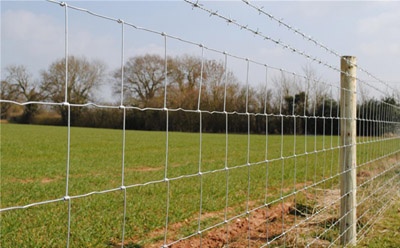
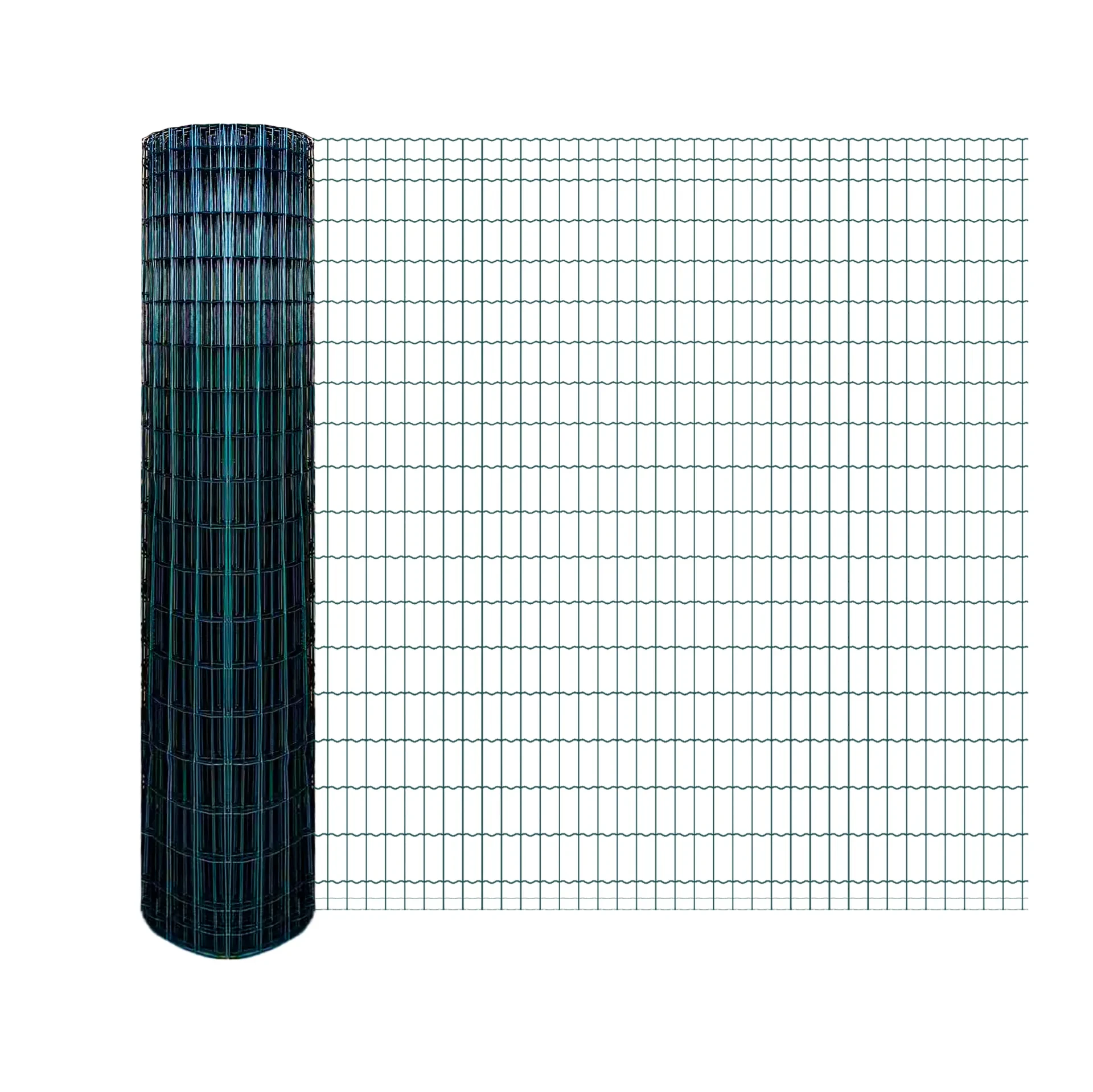
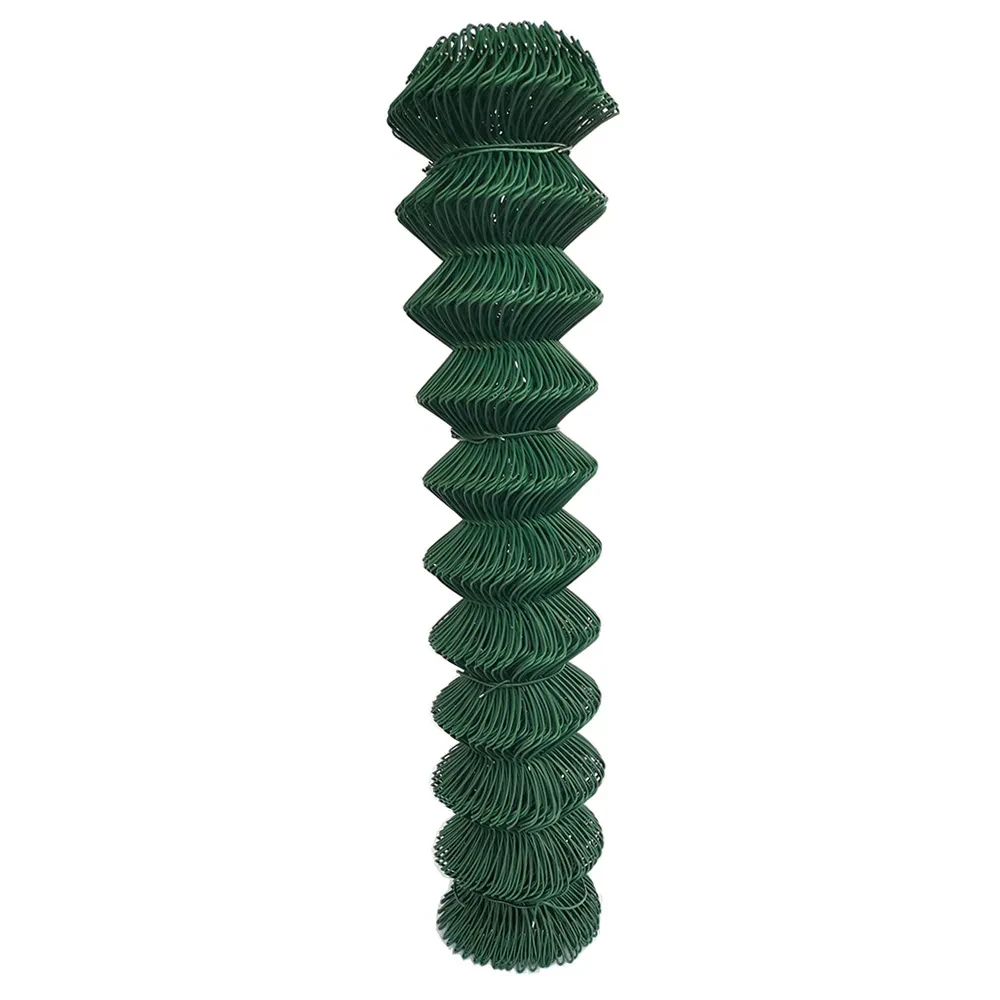
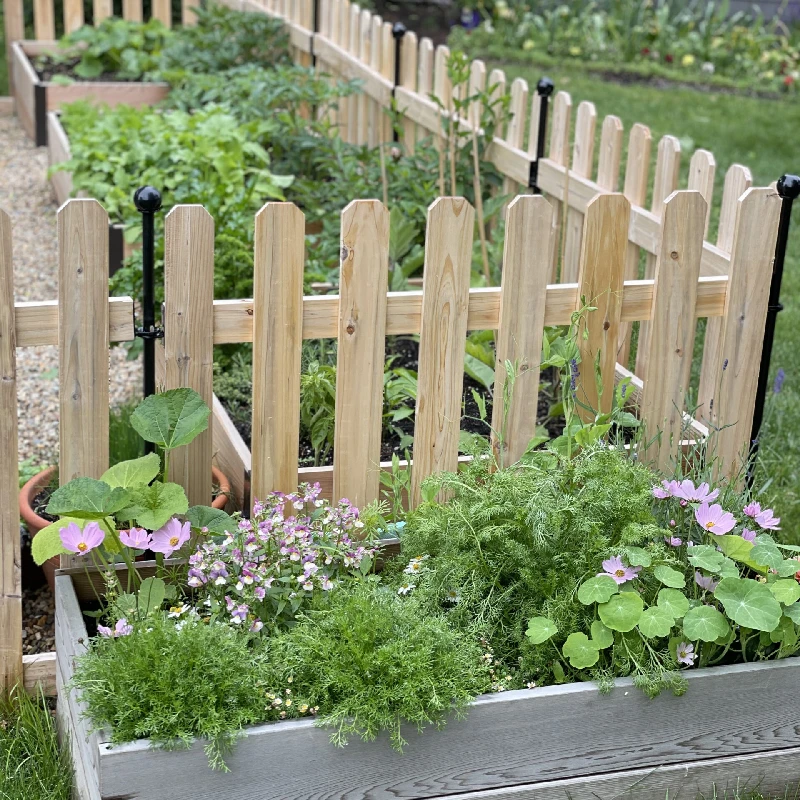
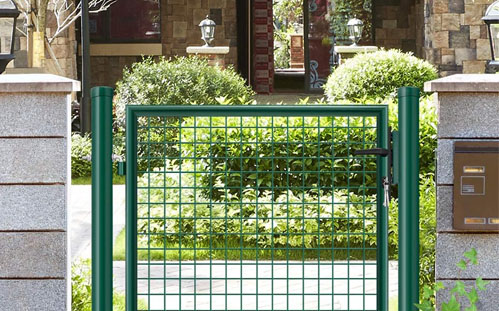
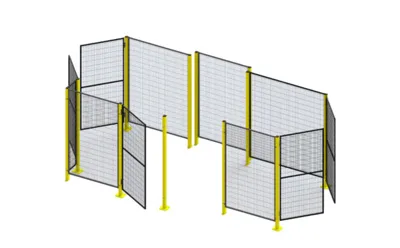
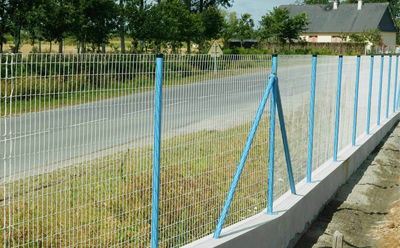
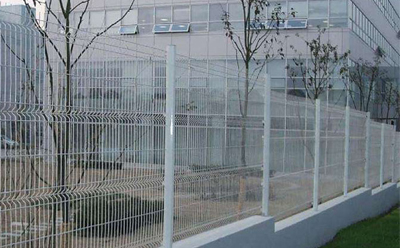
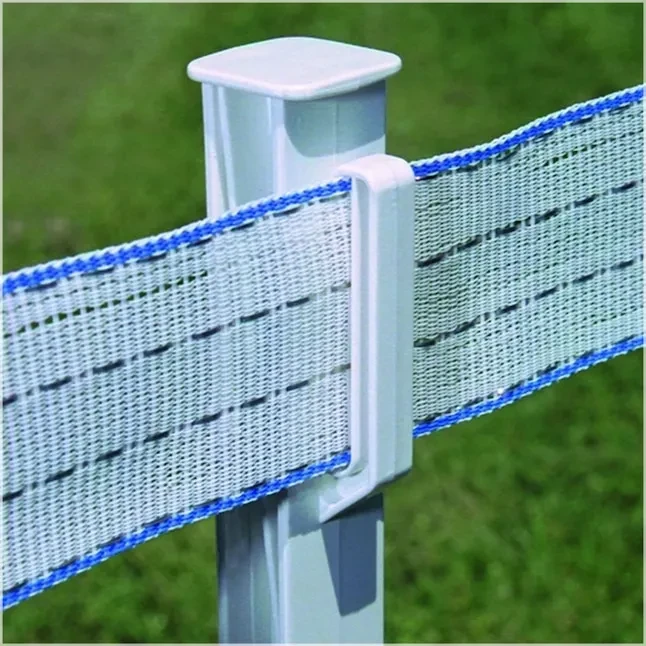
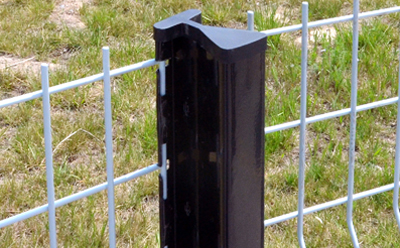
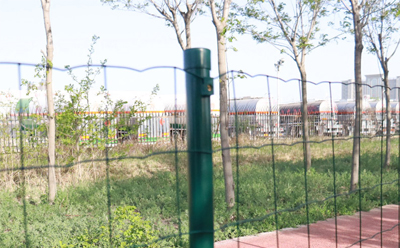
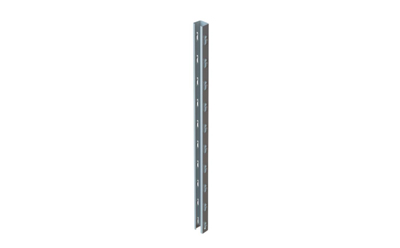
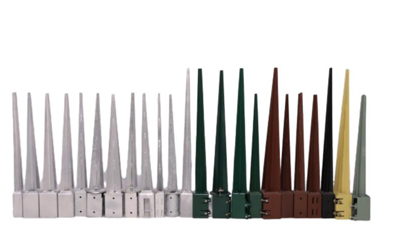
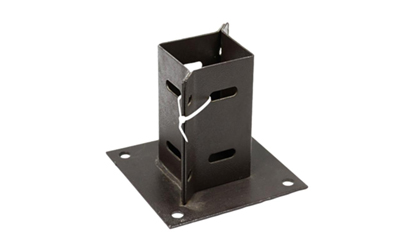
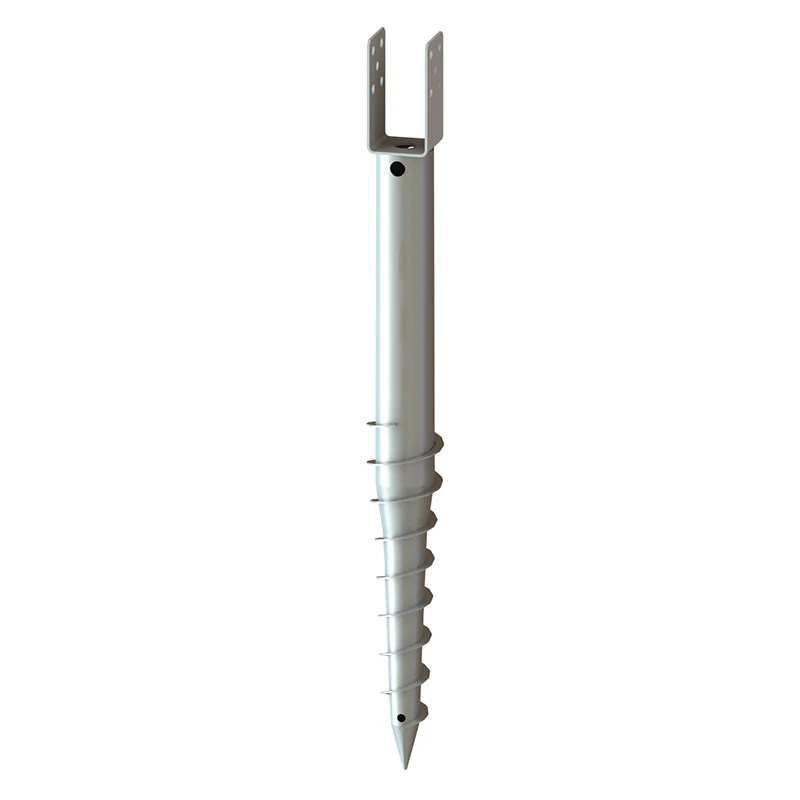
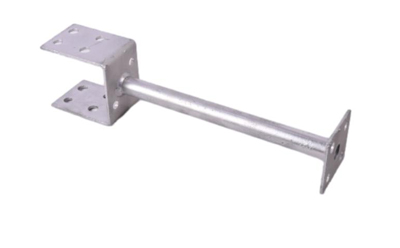



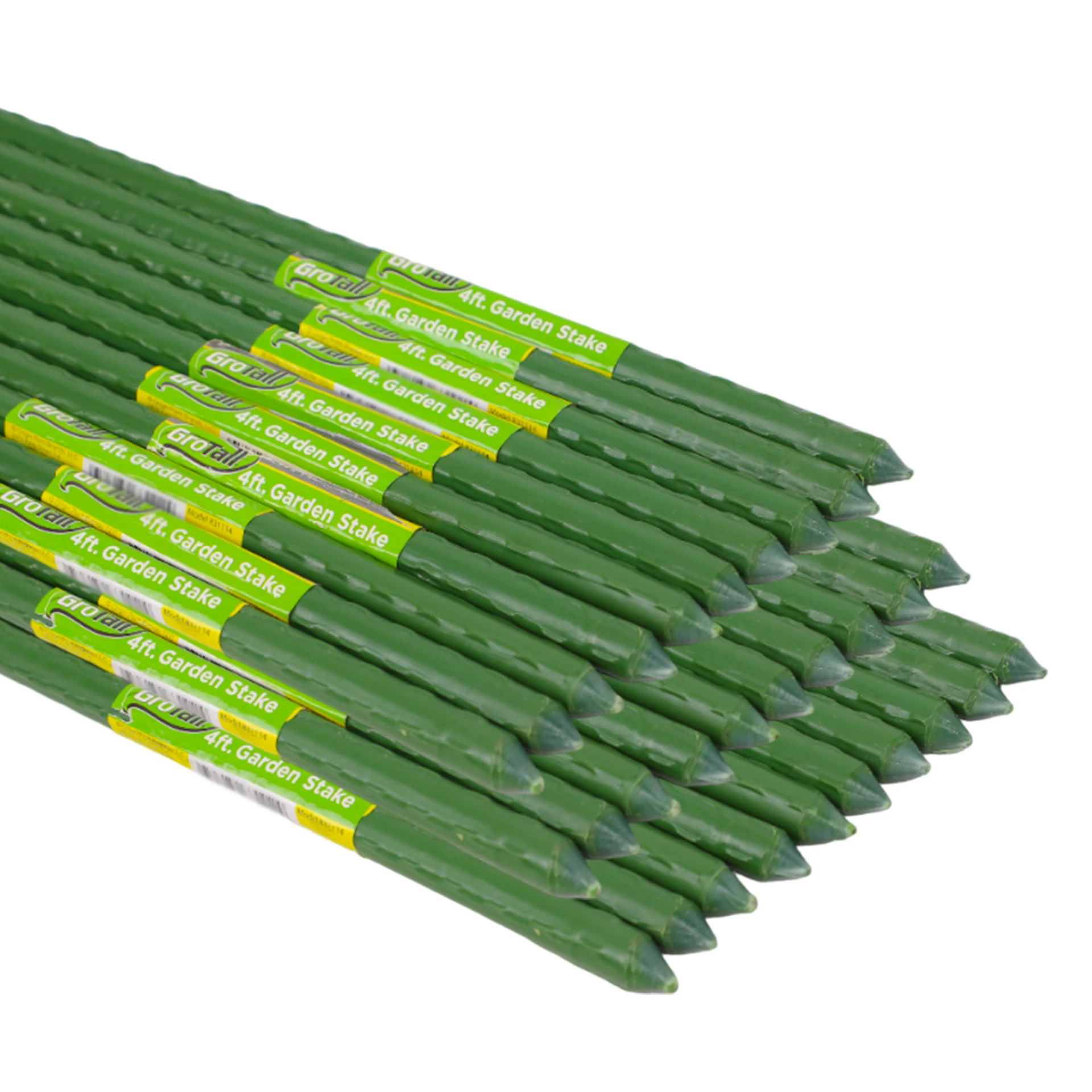










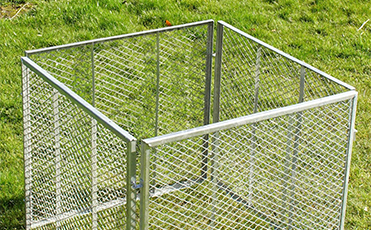
When building a secure and long-lasting fence, the foundation lies in the quality of your posts. Heavy duty steel fence posts are a popular choice for their strength, durability, and versatility. This article will explore the benefits of steel posts, different types available, installation considerations, and why Minmetals Global offers exceptional solutions for all your fencing needs. Investing in quality posts translates directly into a secure and aesthetically pleasing fence that will last for years to come.
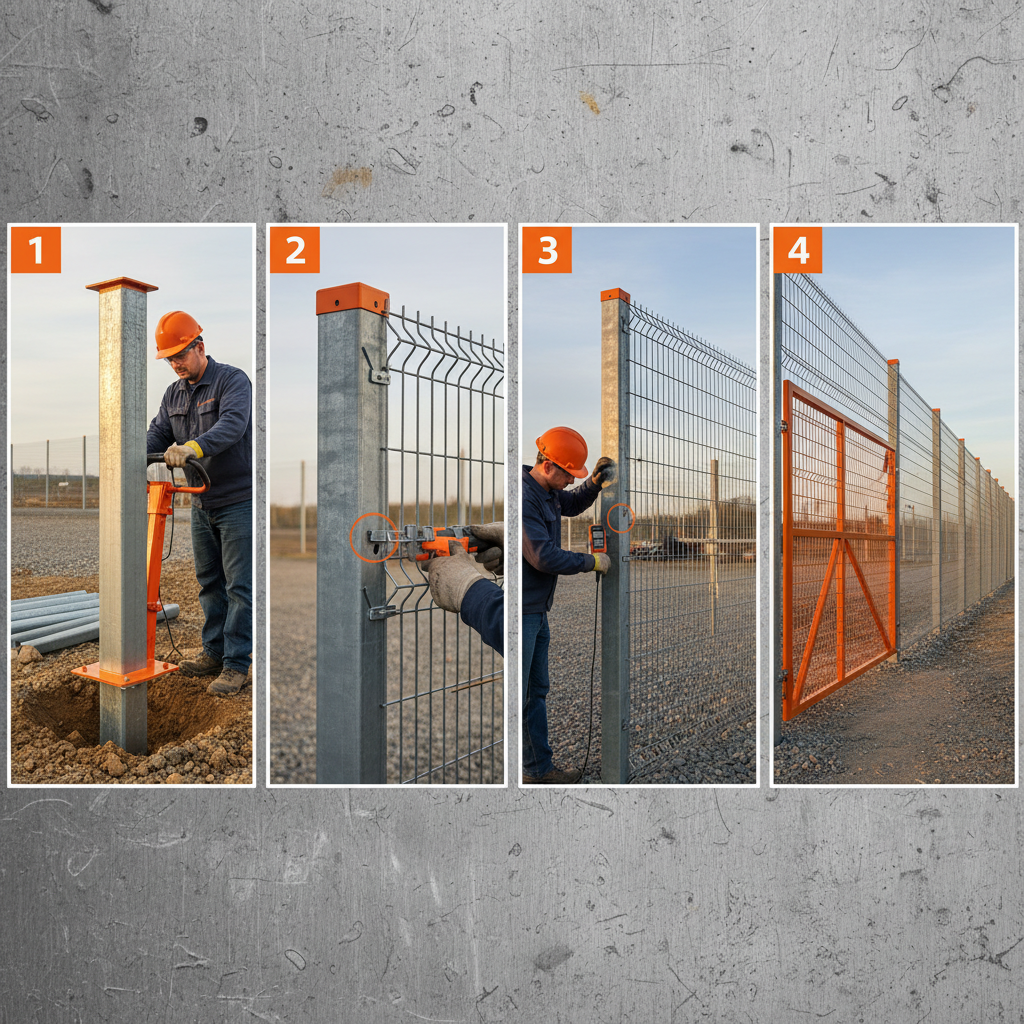
Compared to traditional wood or vinyl posts, steel offers significant advantages. Steel posts resist rot, decay, and insect damage, meaning a longer lifespan and lower maintenance costs. They are exceptionally strong, providing superior resistance to wind, impacts, and even potential vandalism. Furthermore, steel is a recyclable material, making it a more environmentally friendly option. While the initial cost might be higher, the long-term savings and benefits of steel posts make them a worthwhile investment. Minmetals Global's steel posts are engineered for superior performance and durability.
Key Benefits: Rust-resistant, exceptionally strong, long-lasting, low maintenance, and environmentally friendly.
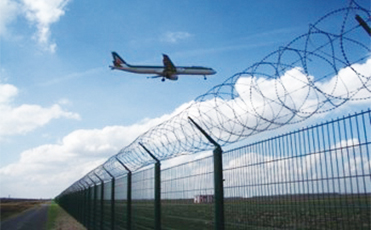
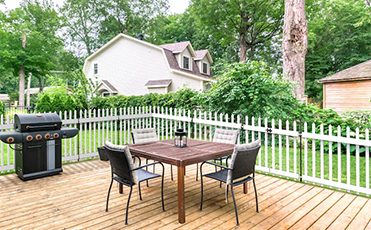
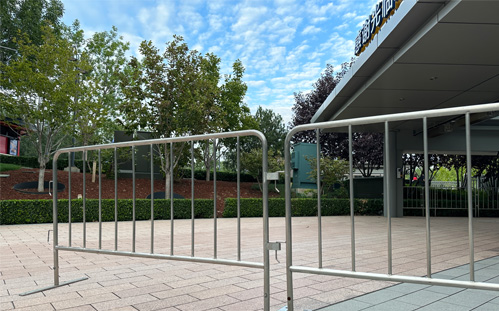
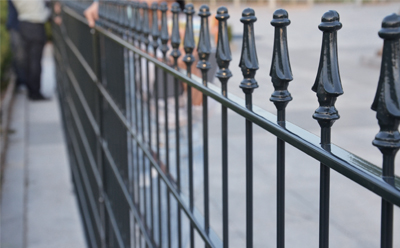
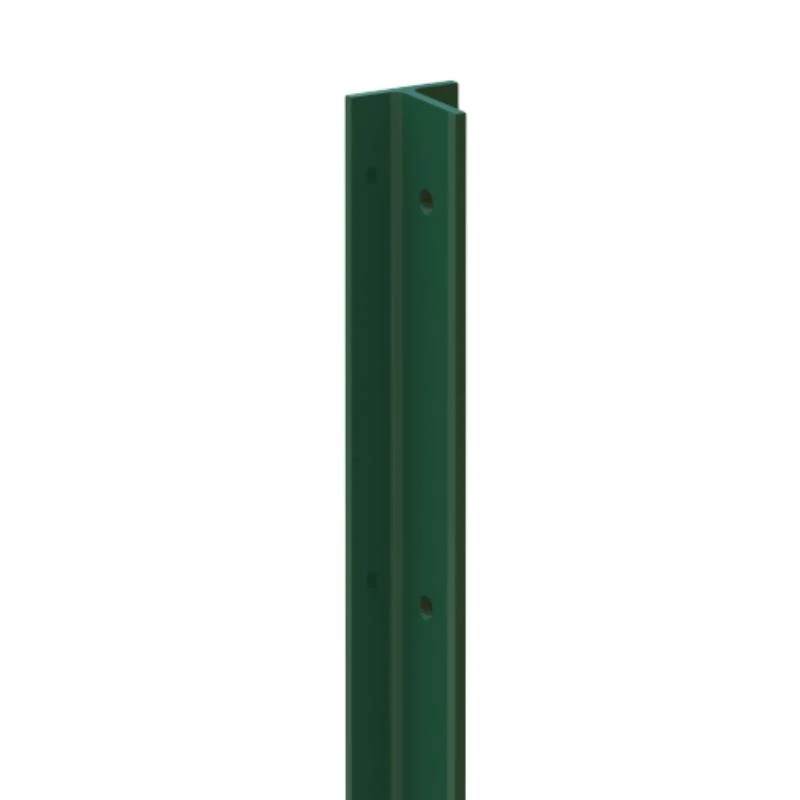
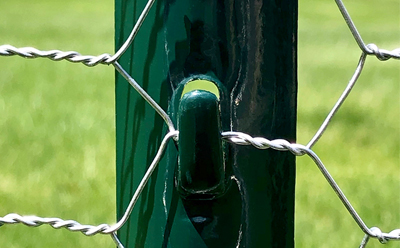
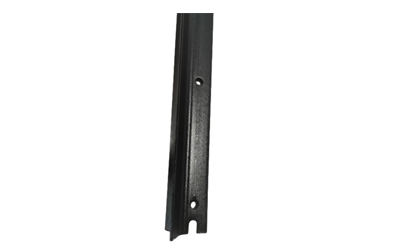
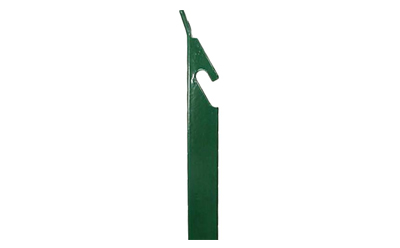
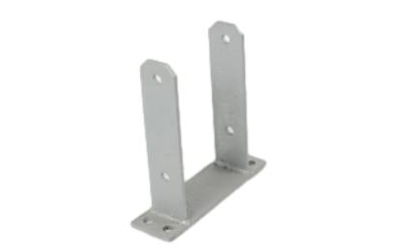
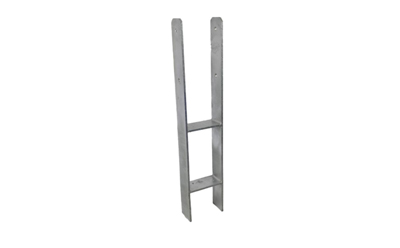
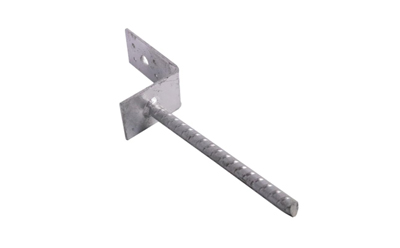
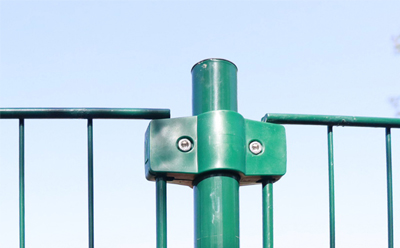
There are several types of steel fence posts available, each suited to different applications. These include round posts, square posts, and H-posts. Round posts are often used for agricultural fencing and are relatively cost-effective. Square posts offer a modern aesthetic and are well-suited for residential or commercial fencing. H-posts, known for their superior strength, are ideal for high-security applications or areas prone to strong winds. Minmetals Global offers a comprehensive selection of each type, ensuring you find the perfect post for your project. The choice depends on your aesthetic preferences, security requirements, and the specific environment.
Steel Post Types:
• Round Posts: Cost-effective, agricultural applications
• Square Posts: Modern aesthetic, residential and commercial use
• H-Posts: High strength, high-security and windy areas
Choosing the right material for your fence posts is crucial. Here's a comparison of steel, wood, and vinyl to help you make an informed decision.
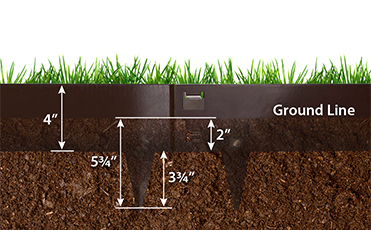
Proper installation is key to ensuring the longevity and stability of your fence. The depth of the post should be appropriate for the height of the fence and the soil conditions. Typically, posts should be set at least 1/3 of their total length into the ground. Using concrete around the posts provides added stability, especially in loose or sandy soil. Ensure posts are plumb (perfectly vertical) during installation and allow the concrete to fully cure before attaching fencing materials. Minmetals Global can provide guidance on proper installation techniques and recommended concrete mixtures.
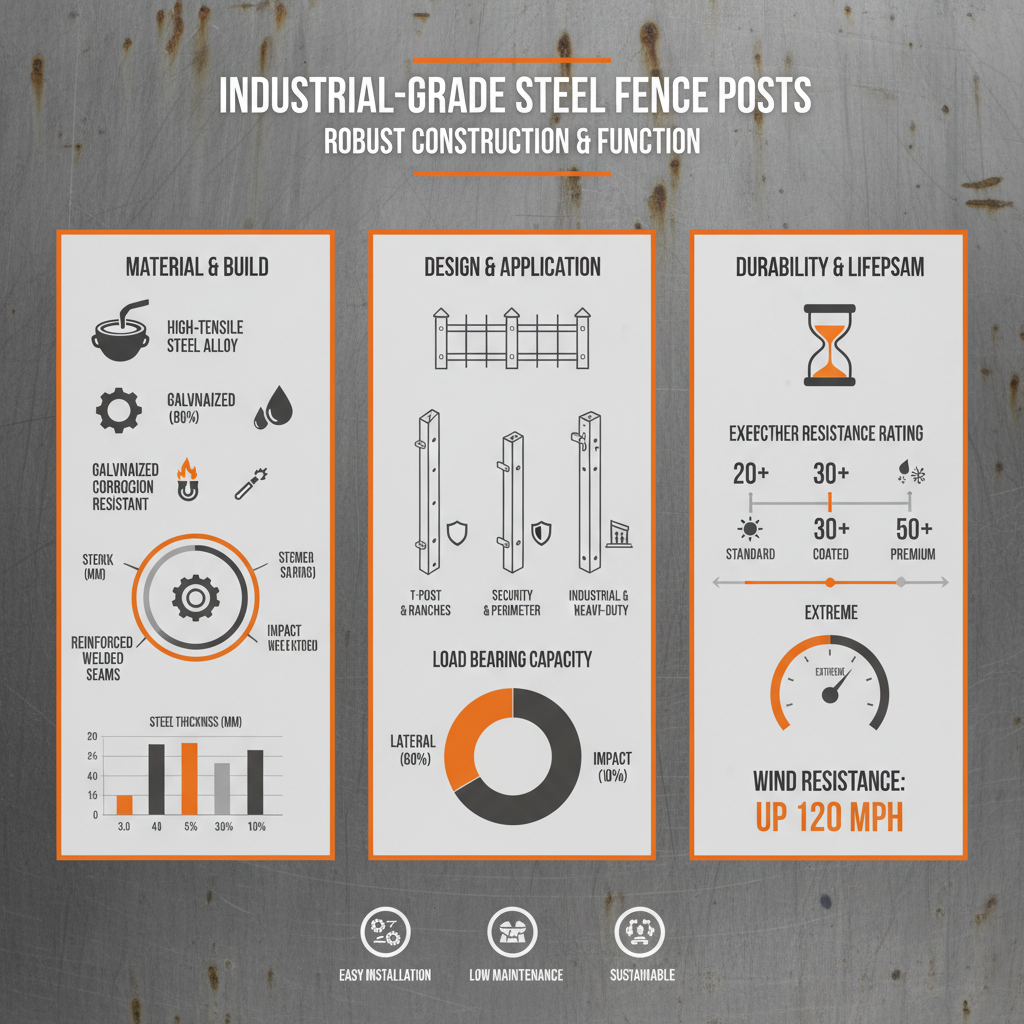
At Minmetals Global, we are committed to providing high-quality heavy duty steel fence posts at competitive prices. We offer a wide range of sizes, styles, and finishes to meet your specific requirements. Our experienced team can assist you in selecting the right posts for your project and provide expert advice on installation. We pride ourselves on exceptional customer service and timely delivery. Contact us today to discuss your fencing needs and receive a quote.
Investing in heavy duty steel fence posts from Minmetals Global is a smart decision that will provide you with a secure, durable, and aesthetically pleasing fence for years to come. Don't compromise on quality – choose the strength and reliability of steel.
With proper installation and maintenance, heavy duty steel fence posts can last for 50 years or more. The galvanized or powder-coated finish protects the steel from rust and corrosion, extending its lifespan significantly. Regular inspection for damage and prompt repair of any issues will further ensure longevity. Factors like soil conditions and exposure to harsh weather can also affect the lifespan, but overall, steel posts offer exceptional durability.
Recommended post spacing depends on the height of the fence and the gauge of the fencing material. Generally, for a 6-foot high fence, a spacing of 8-10 feet is common. For heavier gauge fencing, you may be able to increase the spacing slightly. It’s always best to consult with a fencing professional or refer to the fencing manufacturer’s recommendations to ensure proper support and stability. Minmetals Global can assist with determining the optimal spacing for your specific needs.
While steel can rust, heavy duty steel fence posts from Minmetals Global are typically galvanized or powder-coated to provide a protective barrier against corrosion. Galvanization involves coating the steel with a layer of zinc, while powder coating applies a durable, polymer-based finish. These coatings significantly reduce the risk of rust and extend the lifespan of the posts. Even with these coatings, it’s important to inspect the posts periodically for any signs of damage and address them promptly.
Steel fence posts can be installed in a variety of soil types, but proper preparation is essential. Well-drained soil is ideal, as it minimizes the risk of corrosion. In clay soils, ensure adequate drainage to prevent water from pooling around the posts. Sandy soils may require larger post holes and more concrete for stability. It’s important to assess the soil conditions and adjust the installation method accordingly. Consult with a fencing professional for guidance on installing posts in challenging soil types.



Copyright © 2026 Hebei Minmetals Co., Ltd. All Rights Reserved. Sitemap | Privacy Policy | Top Blog丨Menu