


























In modern construction, agriculture, landscaping, and industrial applications, choosing the right wire mesh solution is essential for improving safety, durability, and efficiency. Among various types of wire products, hexagonal mesh wire has become one of the most widely used materials due to its unique structure, excellent flexibility, and strong protective performance.
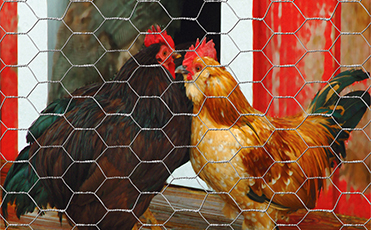
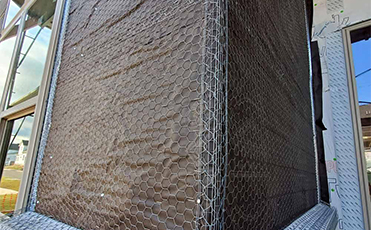
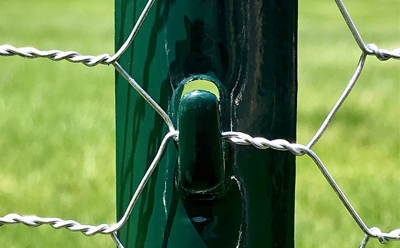
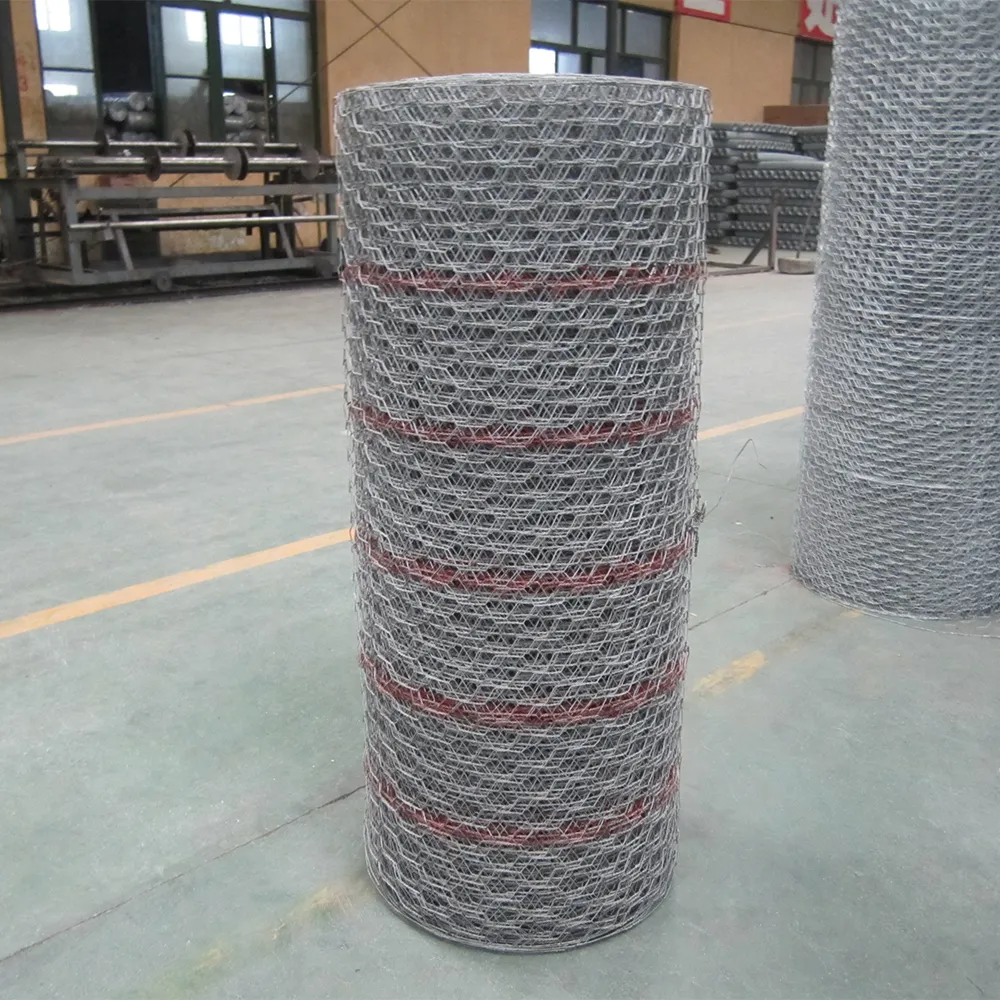
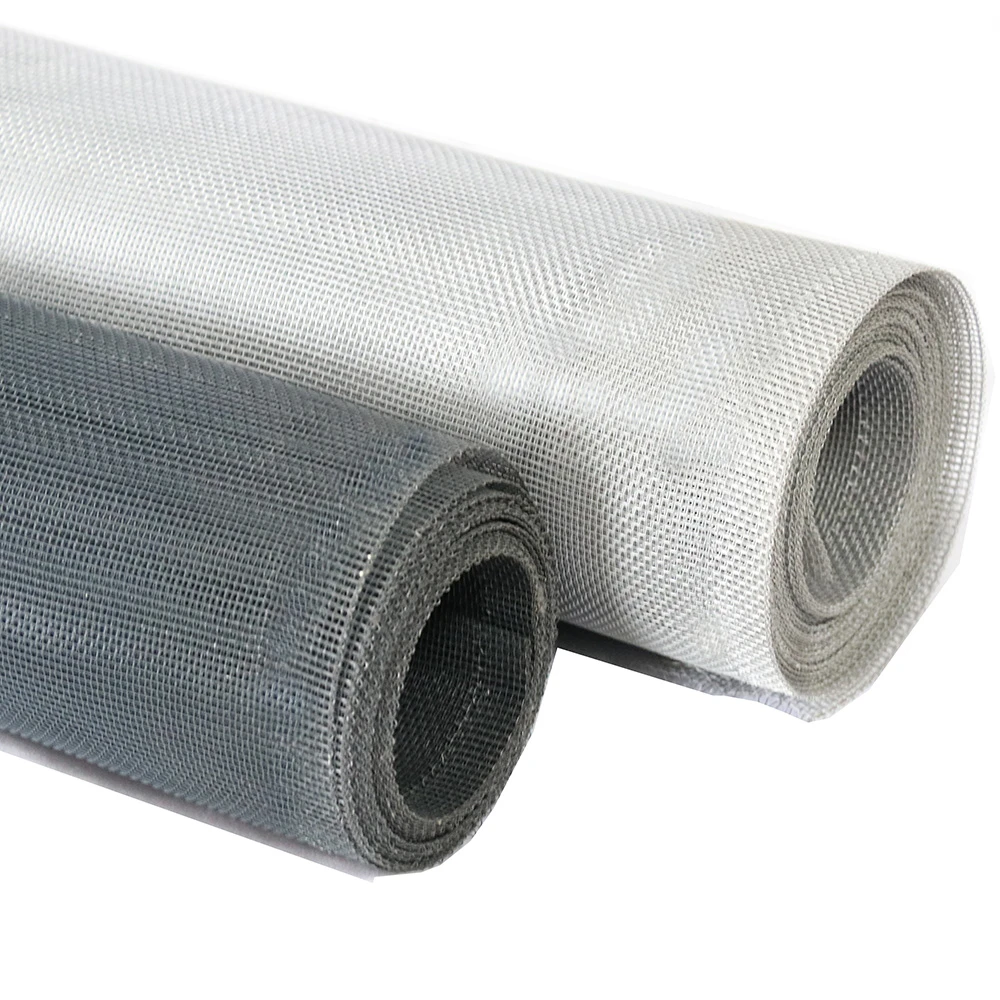
Also known as chicken wire or hex mesh, hexagonal mesh wire is manufactured by weaving steel wires into a series of interconnected hexagonal openings. This special design provides a balance between strength and flexibility, allowing the mesh to adapt to different environments while maintaining structural stability.
One of the biggest advantages of hexagonal wire is its excellent resistance to impact and deformation. The hexagonal pattern distributes external pressure evenly across the mesh surface, reducing the risk of damage caused by tension or force. This makes it suitable for applications where both flexibility and strength are required.
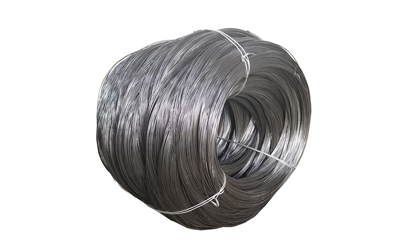
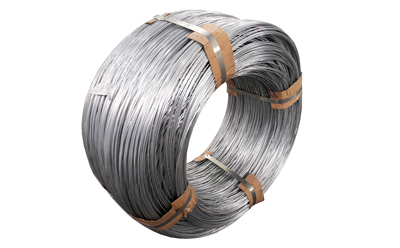
High-quality hexagonal netting wire is usually produced from galvanized steel, stainless steel, or PVC-coated wire. Galvanized coatings provide strong protection against rust and corrosion, making the mesh suitable for outdoor environments. Stainless steel options offer even higher durability and are commonly used in applications requiring superior corrosion resistance.
Another important feature of hexagonal netting is its lightweight design. Compared with rigid fencing materials, hexagonal mesh is easier to transport, install, and customize. It can be cut, shaped, and fixed according to different project requirements, reducing installation time and labor costs.
The versatility of hexagonal mesh wire allows it to be used in many industries, including agriculture, construction, animal breeding, gardening, and erosion control. Whether creating protective barriers, animal enclosures, or reinforcement structures, hexagonal mesh provides a practical and economical solution.

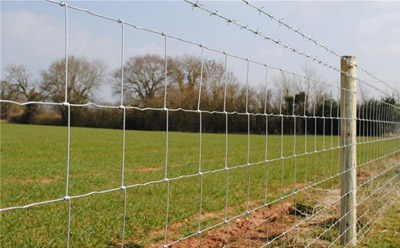
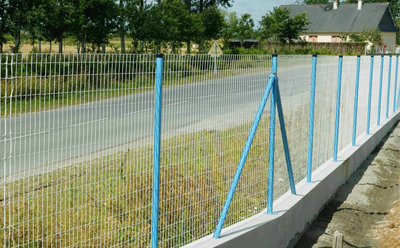
One of the most common applications of hexagonal wire mesh fencing is in agricultural and residential fencing projects. Farmers and property owners often use this type of fencing to create secure areas for poultry, small animals, gardens, and farmland boundaries.
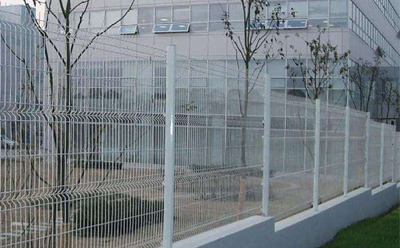
Compared with traditional fencing materials, hexagonal wire mesh fencing offers better visibility and ventilation. The open mesh structure allows sunlight and airflow to pass through while still creating an effective barrier. This makes it ideal for protecting crops, gardens, and livestock areas.
In poultry farming, hexagonal netting is widely used for building chicken coops, bird cages, and animal shelters. The small hexagonal openings prevent animals from escaping while keeping predators away. Because the mesh is flexible, it can easily be shaped into different enclosure designs according to specific farming needs.
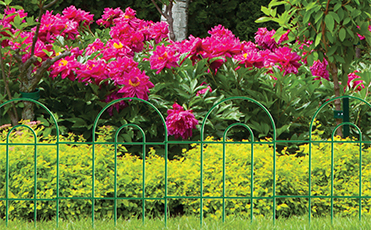
For gardening and landscaping projects, hexagonal mesh wire provides an efficient solution for plant protection. Gardeners use it to build vegetable garden fences, climbing plant supports, and decorative structures. The lightweight design allows easy installation around plants without blocking sunlight or natural growth.
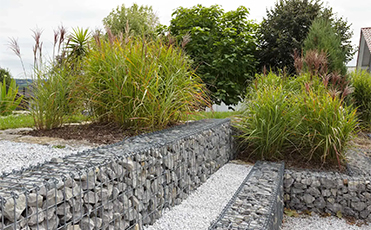
Another important application of hexagonal wire is in construction and civil engineering. It is commonly used for gabion structures, slope protection, and soil stabilization projects. When combined with stones or other filling materials, hexagonal wire creates strong retaining structures that help prevent erosion and improve ground stability.
In environmental protection projects, hexagonal netting wire plays an important role in controlling soil erosion near rivers, roads, and hillsides. The flexible mesh structure allows it to adapt to uneven surfaces while providing long-term reinforcement.
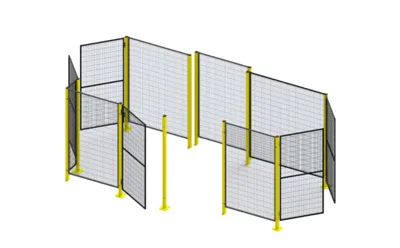
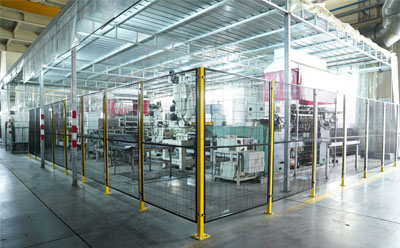
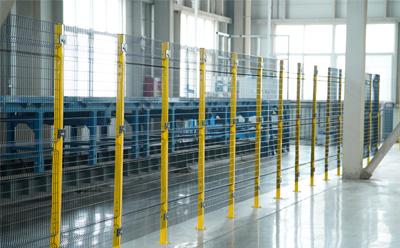
The industrial sector also benefits from the use of hexagonal wire mesh fencing. Factories, warehouses, and storage areas use this fencing solution to divide working zones, protect equipment, and improve workplace safety. Its durable structure provides security while maintaining visibility for monitoring and management.
For temporary fencing applications, hexagonal netting wire offers additional advantages because it can be installed quickly and removed easily. This makes it suitable for construction sites, temporary animal enclosures, and event areas.
The growing demand for reliable and cost-effective fencing materials has increased the popularity of hexagonal wire products worldwide. Their combination of durability, flexibility, and affordability makes them an excellent choice for both professional and personal applications.
One of the key benefits of hexagonal mesh wire is its long service life. When manufactured with galvanized or coated steel materials, the mesh can withstand outdoor exposure, moisture, and changing weather conditions. This reduces maintenance requirements and helps users save costs over time.
Another advantage of hexagonal netting wire is its flexibility. Unlike rigid metal panels, hexagonal mesh can bend and adjust to different shapes and surfaces. This makes installation easier, especially in areas with uneven terrain or complex layouts.
The design of hexagonal netting also improves safety. The smooth woven structure reduces sharp edges compared with some traditional fencing materials, making it safer for use around animals, children, and gardens. Different mesh sizes can be selected depending on the level of protection required.
When choosing hexagonal wire mesh fencing, users should consider several factors, including wire diameter, mesh size, coating type, and application environment. Heavier wire diameters provide stronger protection for industrial and security applications, while lighter mesh is suitable for gardening and small animal enclosures.
For areas with high humidity or coastal conditions, stainless steel or heavily galvanized hexagonal mesh wire is recommended because it provides enhanced corrosion resistance. In general outdoor applications, galvanized hexagonal wire offers a good balance between performance and cost efficiency.
The environmental benefits of these products are also becoming increasingly important. Steel wire mesh is recyclable and reusable, making it a sustainable choice compared with disposable fencing materials. Its long lifespan reduces waste and supports environmentally friendly construction practices.
From agricultural fencing and animal protection to industrial barriers and erosion control, hexagonal wire mesh fencing continues to be an essential solution across multiple industries. Its unique hexagonal structure provides excellent strength, adaptability, and durability, making it suitable for a wide range of applications.
In conclusion, hexagonal mesh wire, hexagonal netting, hexagonal netting wire, hexagonal wire, and hexagonal wire mesh fencing offer reliable solutions for modern fencing and protection needs. With advantages such as corrosion resistance, easy installation, flexible design, and long-lasting performance, hexagonal mesh products remain a preferred choice for professionals and customers around the world.



Copyright © 2026 Hebei Minmetals Co., Ltd. All Rights Reserved. Sitemap | Privacy Policy | Top Blog | Top Topic丨Menu