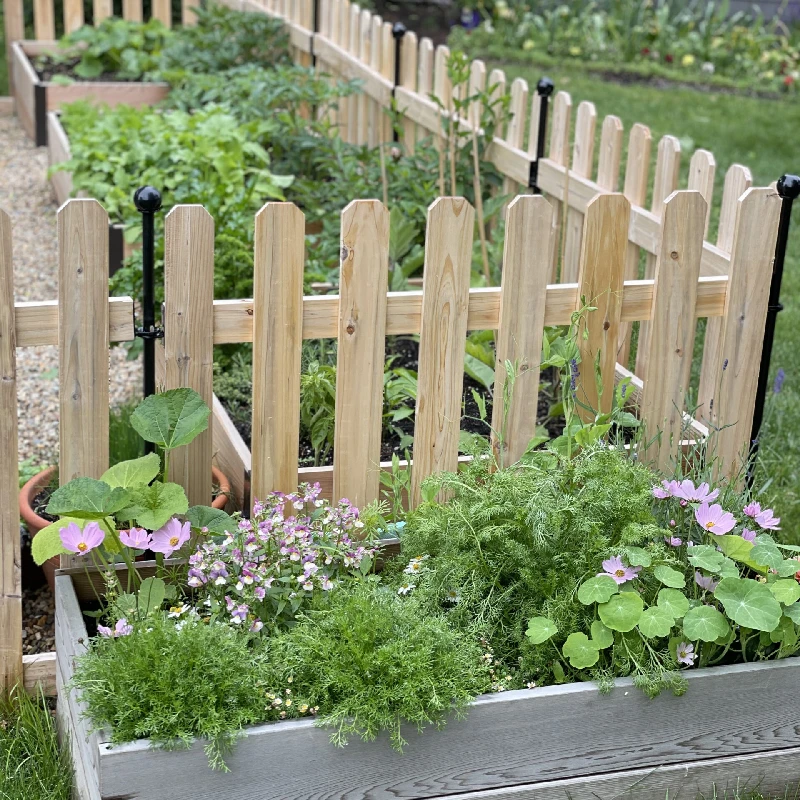
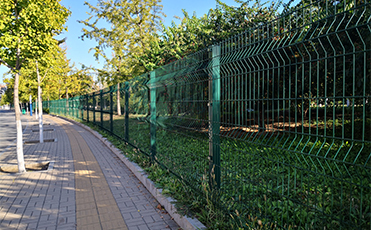
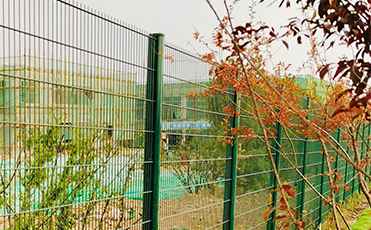
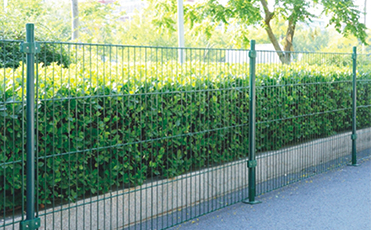
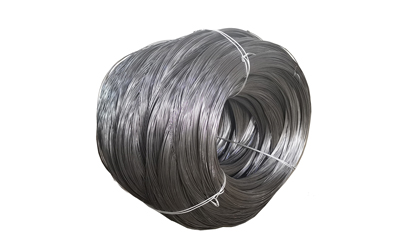
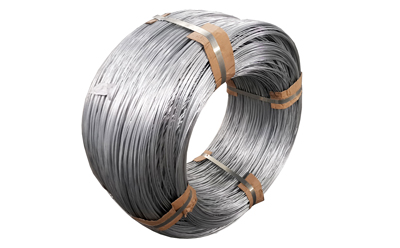
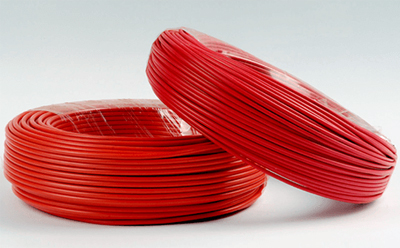
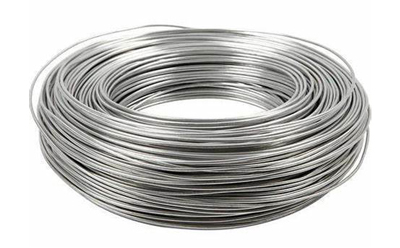
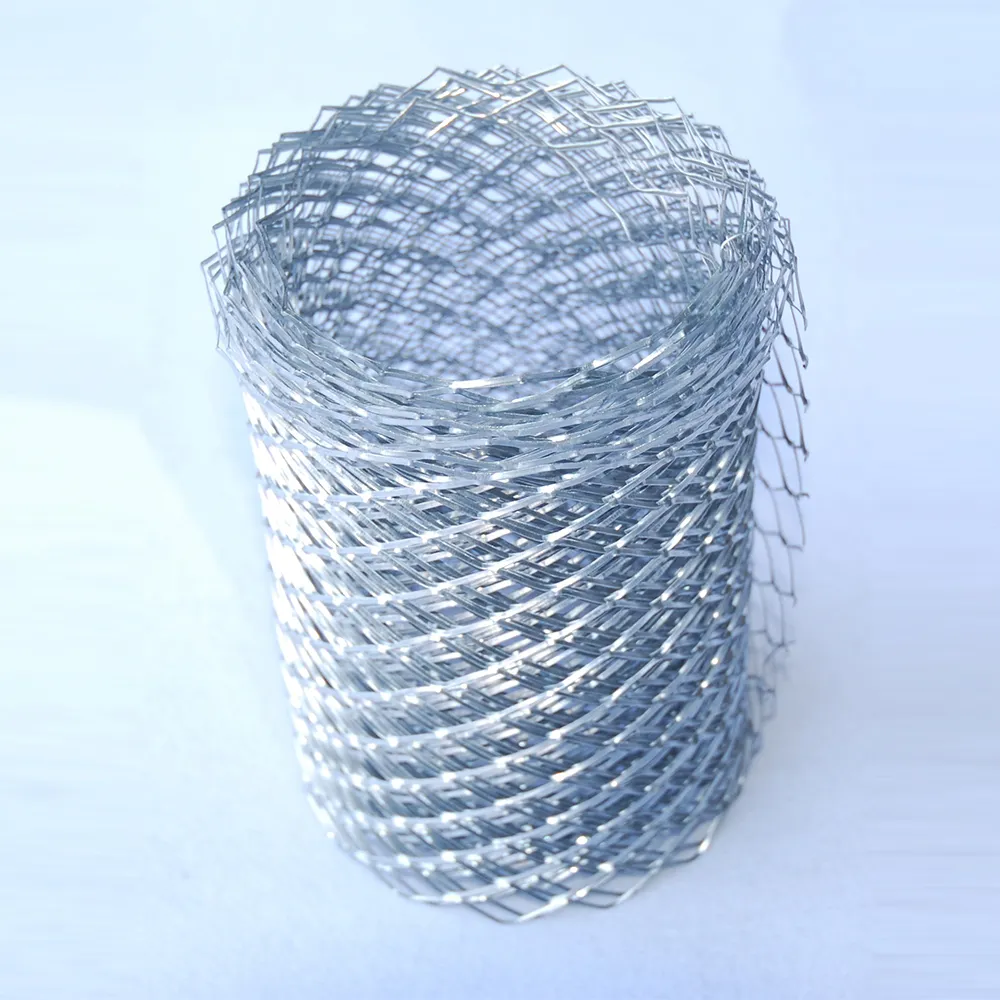
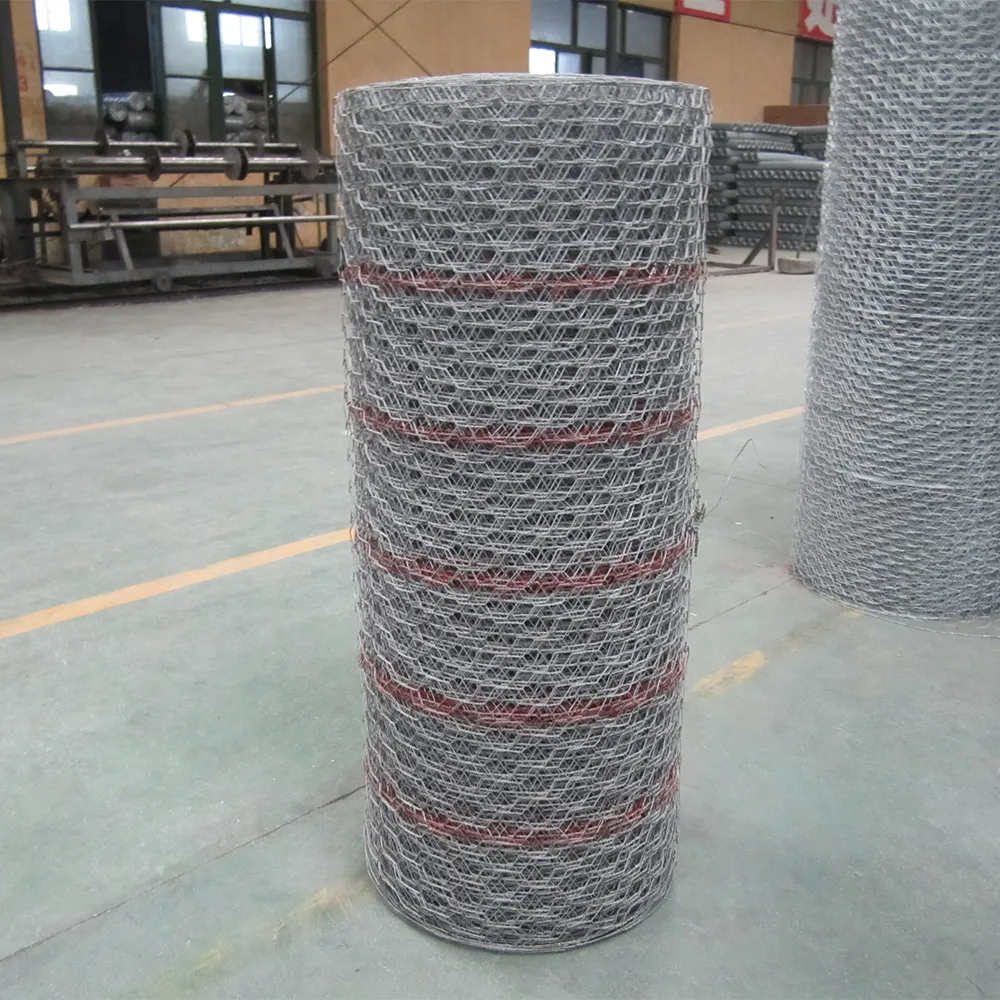
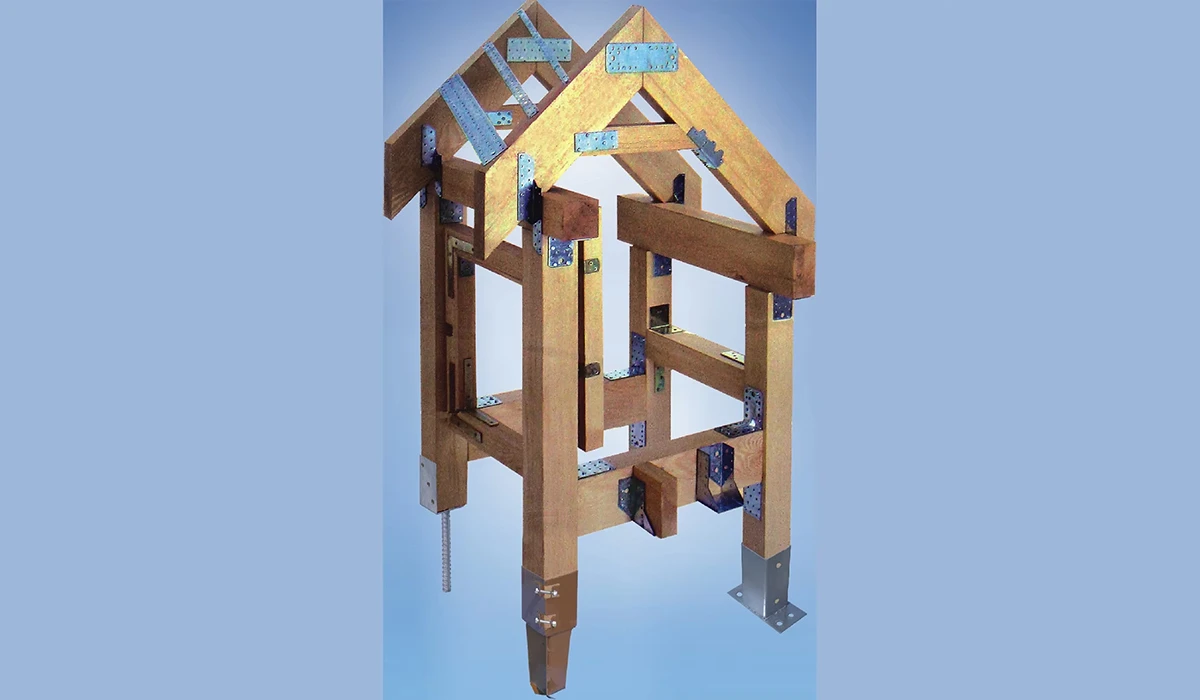
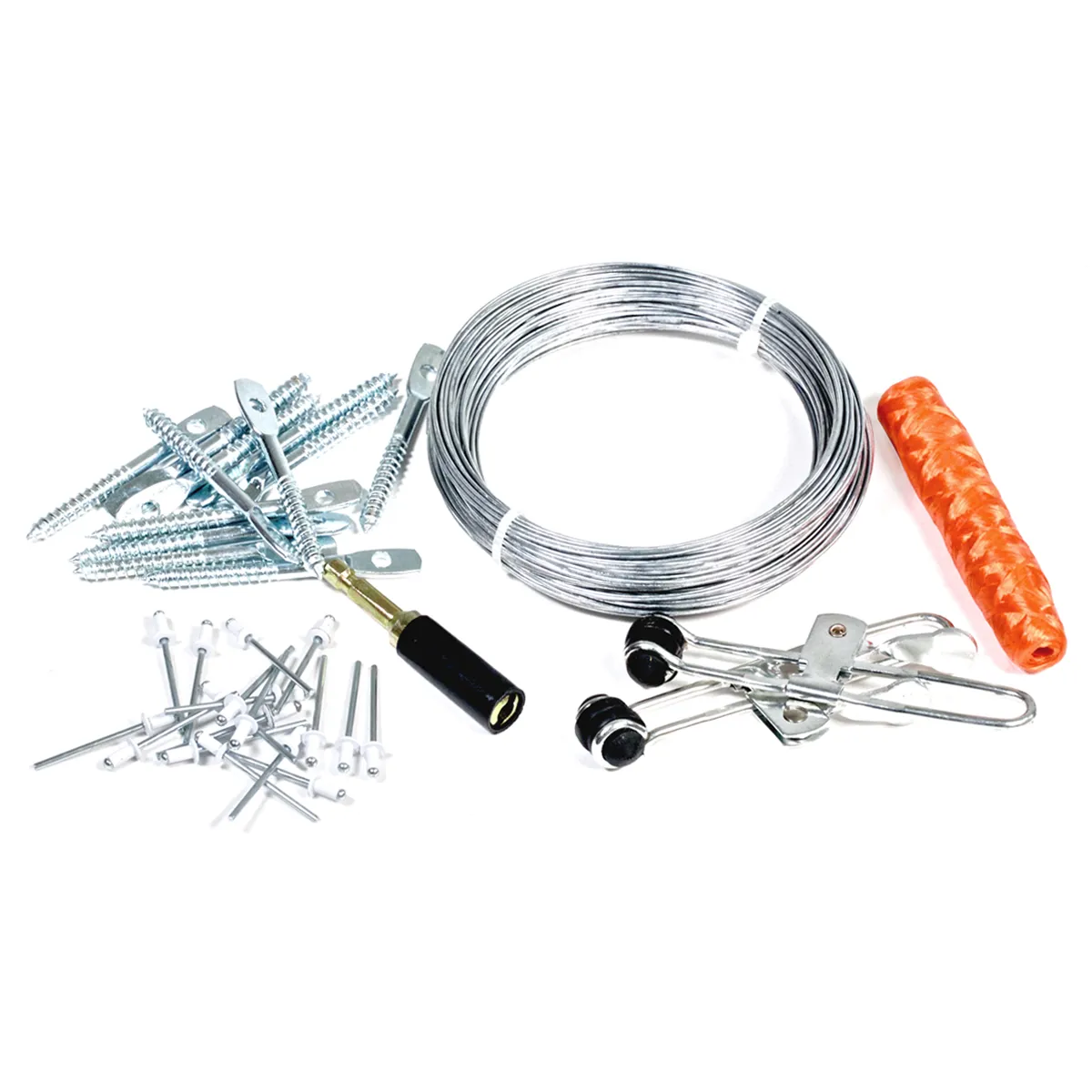
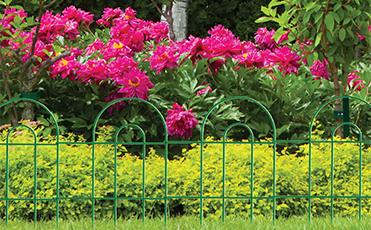
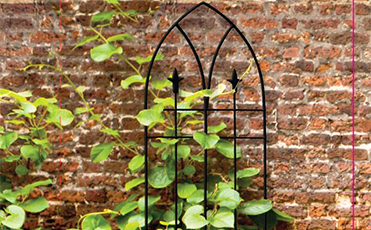
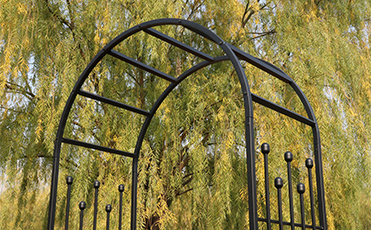
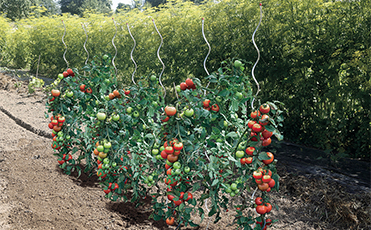
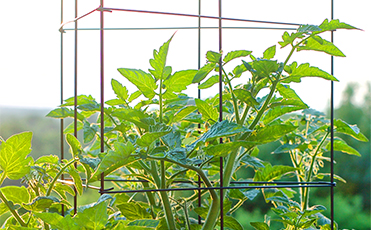
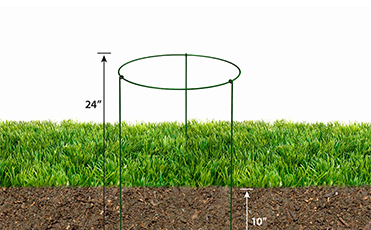
Garden edging fence—including functional garden fence barrier and decorative garden fencing and borders—is a game-changer for organizing outdoor spaces, defining plant beds, and preventing soil erosion, all while maintaining a sleek, unobtrusive look. Unlike tall privacy fences, low-profile options (typically 5–15cm tall) blend into garden landscapes, making them ideal for residential yards, commercial landscapes, or community gardens. For wholesalers serving landscapers, property managers, or gardening businesses, partnering with a manufacturer that delivers durable, easy-to-install edging solutions is key. Hebei Minmetals Co., Ltd., a leading joint-stock group enterprise in Shijiazhuang with over 2,200 employees and 60 million RMB registered capital, specializes in garden edging fence (alongside other metal lawn & gardening products, wire fences, and accessories). Their range of garden fence barrier and garden fencing and borders (in steel, aluminum, and coated options) ensures wholesalers can cater to diverse client needs—from basic soil separation to decorative landscape accents.
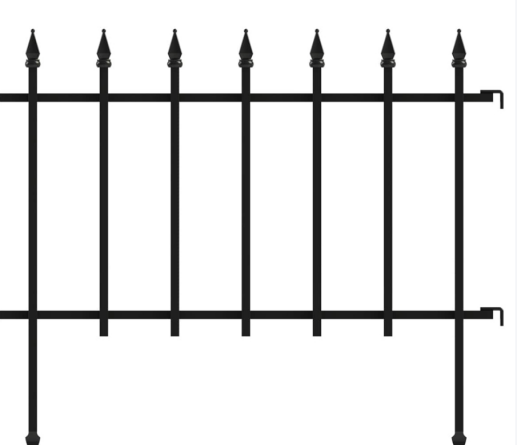
Pre-Installation Preparation for Garden Edging Fence
- Site Assessment and Layout for Garden Fencing and Borders: The first step in installing garden edging fence is mapping the garden layout to ensure the fence aligns with plant beds, paths, or hardscapes. Hebei Minmetals advises wholesalers to guide clients in using stakes and string to mark the edging line—this helps avoid uneven curves or misalignment, especially for garden fencing and borders used to outline circular flower beds. Clients should also clear the site of debris (rocks, roots, weeds) and level the soil: uneven ground can cause the garden fence barrier to sit crookedly, reducing its effectiveness. For example, a landscaper installing garden edging fence around a vegetable bed would first remove stones and rake the soil flat, ensuring the fence sits flush with the ground. This preparation step saves time during installation and ensures the fence lasts longer—key selling points for wholesalers to highlight to clients.
- Tool and Material Selection for Garden Fence Barrier: Installing garden fence barrier requires minimal tools, but choosing the right ones (and matching materials to the fence type) is critical. Hebei Minmetals recommends basic tools: a tape measure (to cut fence sections to size), a rubber mallet (to drive stakes without damaging the fence), a utility knife (for cutting plastic or lightweight metal edging), and a shovel (for shallow trench digging, if needed). Material-wise, clients should match the garden edging fence to their climate: steel options (from Hebei Minmetals’ product line) work well in dry regions, while coated aluminum edging resists rust in humid or coastal areas. Wholesalers can bundle tools with garden fencing and borders for bulk orders, making it easier for clients to start installation immediately—reducing the need for separate tool purchases and streamlining their workflow.
Core Installation Steps for Garden Fence Barrier
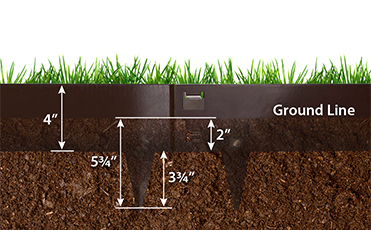
- Trench Digging (If Needed) for Garden Edging Fence: While many low-profile garden edging fence can be installed directly on top of soil, some scenarios (e.g., preventing grass from spreading into plant beds) require a shallow trench (3–5cm deep). Hebei Minmetals suggests using a shovel to create a narrow trench along the marked line—this helps the fence sit partially underground, creating a stronger barrier against root intrusion. For example, a garden fence barrier used to separate a lawn from a rose bed would benefit from a trench: the underground portion blocks grass rhizomes from spreading, reducing maintenance. Clients should avoid digging too deep, though—low-profile edging relies on being visible enough to define spaces while staying unobtrusive. Wholesalers can emphasize this step to clients focused on long-term garden maintenance: a properly trenched fence cuts down on weeding and grass trimming.
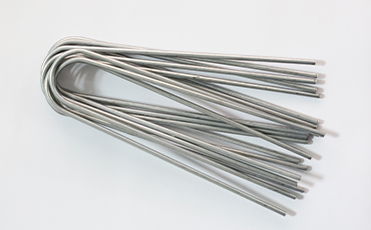
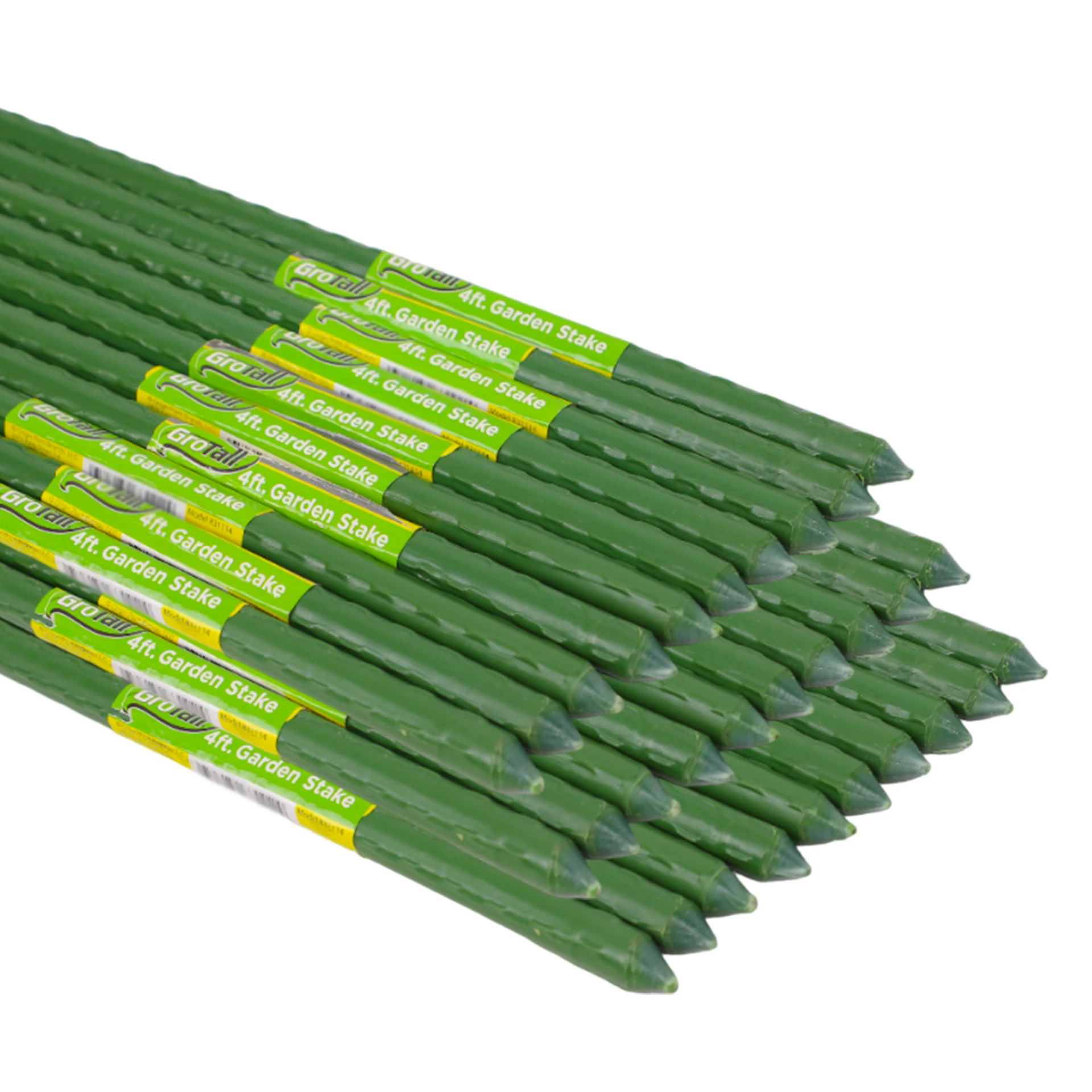
- Securing the Garden Fencing and Borders: Once the site is prepared, securing the garden fencing and borders is straightforward. For flexible edging (e.g., curved plastic or lightweight steel), clients can unroll the fence along the marked line and use stakes (provided by Hebei Minmetals in bulk) to anchor it every 30–45cm—stakes should be driven at a slight angle to hold the fence firmly in place. For rigid edging (e.g., aluminum or heavy steel), clients cut sections to size (using a hacksaw for metal) and connect them with joining clips (also available from Hebei Minmetals) before staking. A garden edging fence around a rectangular patio bed, for instance, would use straight rigid sections connected at corners, with stakes at each end and midpoint. This secure installation ensures the fence stays in place during heavy rain or lawn care—critical for commercial landscapes with frequent foot traffic.
Garden Edging Fence Type & Installation Comparison
|
Garden Edging Fence Type
|
Ideal Use Case
|
Installation Difficulty
|
Key Tools/Materials
|
Hebei Minmetals Advantage
|
Wholesaler Value
|
|
Steel Garden Fence Barrier
|
Vegetable beds, soil erosion control
|
Low (stakes + rubber mallet)
|
Steel edging; galvanized stakes
|
Rust-resistant coating; bulk stakes
|
Appeals to landscapers needing durability
|
|
Aluminum Garden Fencing and Borders
|
Decorative flower beds, coastal areas
|
Low-Medium (clips + hacksaw)
|
Aluminum sections; joining clips
|
Lightweight; corrosion-resistant
|
Caters to residential/commercial decor
|
|
Flexible Garden Edging Fence (Coated)
|
Curved beds, winding paths
|
Low (unroll + stake)
|
Flexible coated steel; plastic stakes
|
Bends easily; no cutting needed
|
Ideal for clients with organic layouts
|
Post-Installation Tips for Garden Fence Barrier
- Soil and Mulch Integration for Garden Edging Fence: After installing garden edging fence, integrating soil and mulch ensures the fence blends into the garden and functions properly. Hebei Minmetals recommends backfilling any trenches with soil (tamping gently to avoid shifting the fence) and adding a 2–3cm layer of mulch inside plant beds—this hides the base of the fence while retaining moisture. For a garden fence barrier separating a gravel path from a flower bed, clients can rake gravel up to the fence’s edge, creating a clean transition. This step enhances the fence’s aesthetic appeal: a well-integrated garden fencing and borders looks like a natural part of the landscape, not an afterthought. For wholesalers, this tip adds value: it helps clients achieve professional-looking results, boosting their satisfaction and likelihood of repeat orders.
- Maintenance for Long-Lasting Garden Fencing and Borders: Low-profile garden fencing and bordersrequire minimal maintenance, but simple upkeep extends their lifespan. Hebei Minmetals advises clients to inspect the fence annually (after winter or heavy rain) for loose stakes or bent sections—tightening stakes or replacing damaged parts as needed. For metal edging, a quick wipe with a damp cloth removes dirt or debris, and touching up chipped coating (using Hebei Minmetals’ matching touch-up paint, available in bulk) prevents rust. A garden edging fence in a high-traffic park, for example, may need occasional stake replacement due to foot traffic—but with Hebei Minmetals’ bulk stake packs, clients can keep spares on hand. Wholesalers can offer maintenance kits (stakes, touch-up paint, gloves) alongside edging fence, creating a one-stop solution for clients.
Garden Edging Fence FAQS
Can Garden Fence Barrier Be Installed on Sloped Ground?
Yes—Hebei Minmetals’ garden fence barrier (especially flexible steel or aluminum options) works on sloped ground with minor adjustments. Clients should contour the edging to follow the slope, using extra stakes (every 25–30cm) to hold it in place, and dig slightly deeper trenches on the downhill side to prevent soil washout. For steeper slopes (15°+), rigid garden edging fence can be cut into shorter sections to fit the contour. For wholesalers, this adaptability means garden fencing and borders work for diverse landscapes, from flat yards to hilly commercial properties.
How Long Does a Garden Edging Fence Last?
Lifespan depends on material: Hebei Minmetals’ steel garden fence barrier (galvanized or coated) lasts 10–15 years, aluminum garden fencing and borders last 15–20 years (resistant to rust), and flexible coated options last 8–12 years. Proper installation (level soil, secure stakes) and annual maintenance (cleaning, stake checks) can extend lifespan by 3–5 years. For wholesalers, this durability is a key selling point: clients get long-term value, reducing the need for frequent replacements.
Is Garden Fencing and Borders Suitable for Vegetable Gardens?
Absolutely—garden fencing and borders are ideal for vegetable gardens. Hebei Minmetals’ steel edging creates a clear barrier between soil and paths, preventing dirt from washing onto walkways, and keeps mulch in place around plants like tomatoes or lettuce. The low profile doesn’t block sunlight or hinder harvesting, and metal options are safe for food gardens (no toxic coatings). For wholesalers serving community gardens or urban farms, this makes garden edging fence a high-demand product.
Can Garden Edging Fence Be Removed and Reused?
Yes—most garden edging fence (especially aluminum or flexible steel options from Hebei Minmetals) can be removed and reused. This is ideal for renters or clients who rearrange their gardens yearly. Heavier steel edging may require gentle prying to remove, but it remains intact for reuse. For wholesalers, this reusability appeals to eco-conscious clients, adding another layer of value to the product.
Do I Need Special Tools to Cut Garden Fence Barrier?
No—basic tools work for most garden fence barrier: a utility knife cuts plastic or thin coated edging, while a hacksaw or bolt cutter trims steel or aluminum sections. Hebei Minmetals includes cutting guides in bulk orders to help clients achieve straight, clean cuts. For wholesalers, this simplicity means clients don’t need to invest in expensive tools, making garden fencing and borders accessible to both professionals and DIY landscapers.