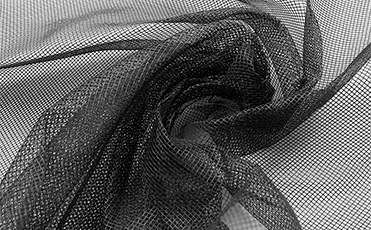
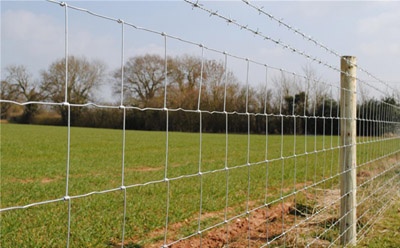
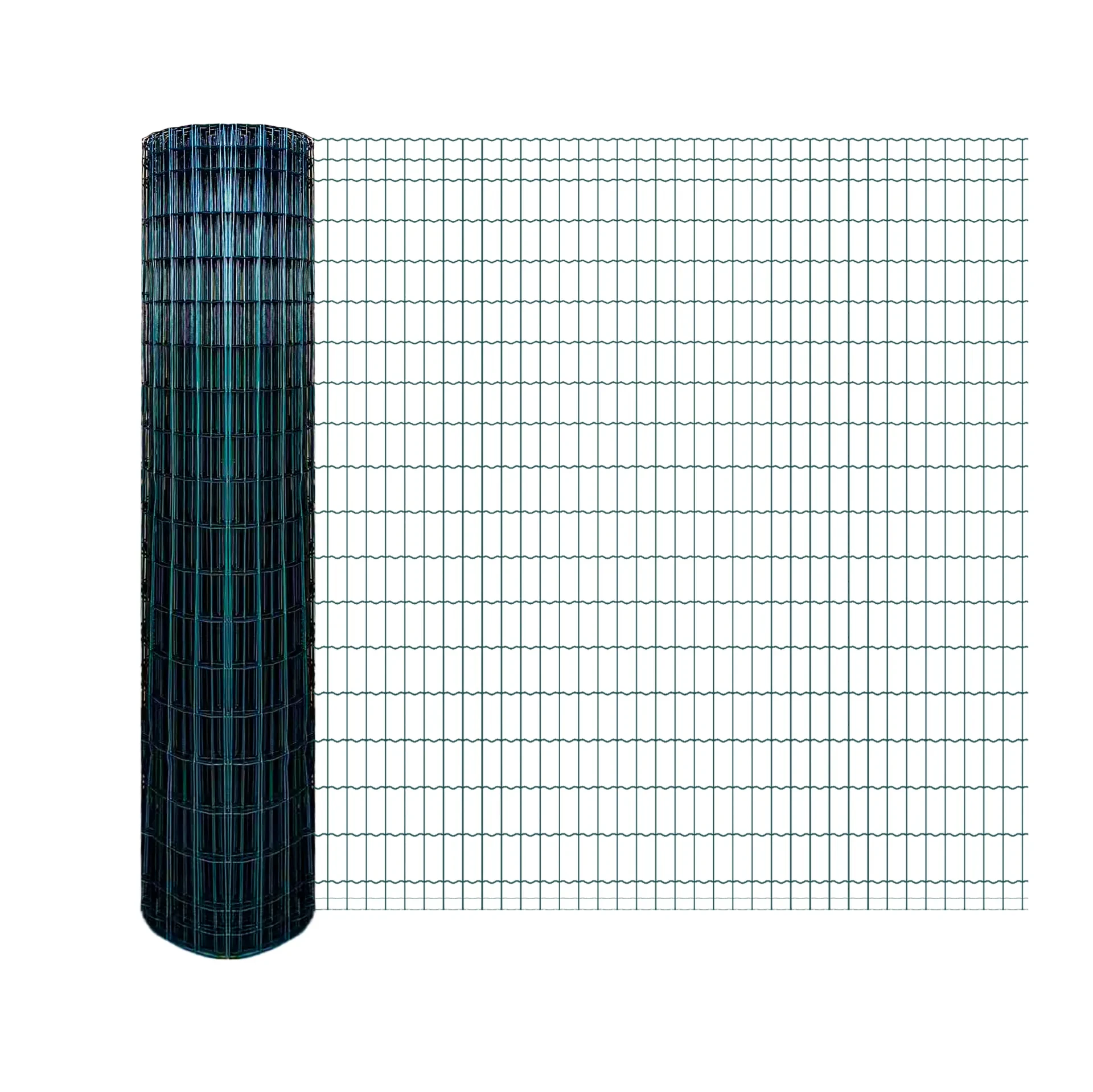
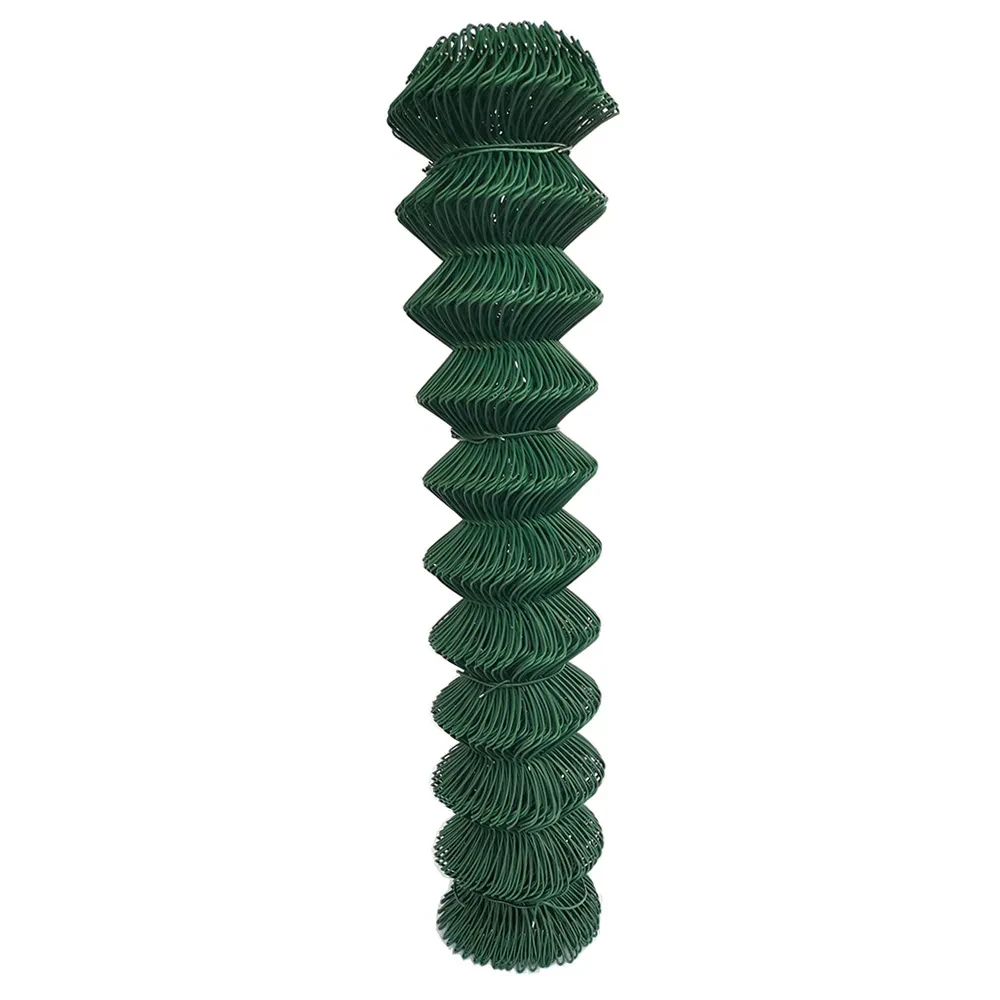
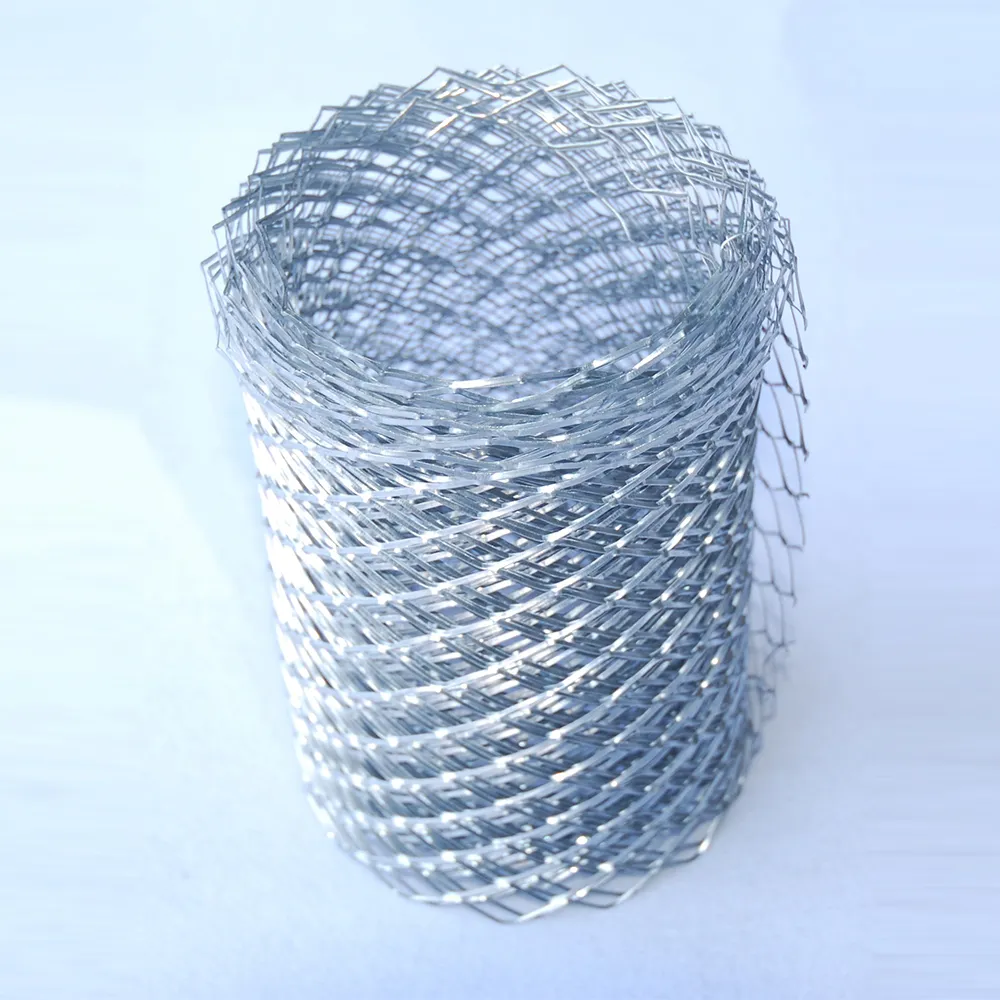
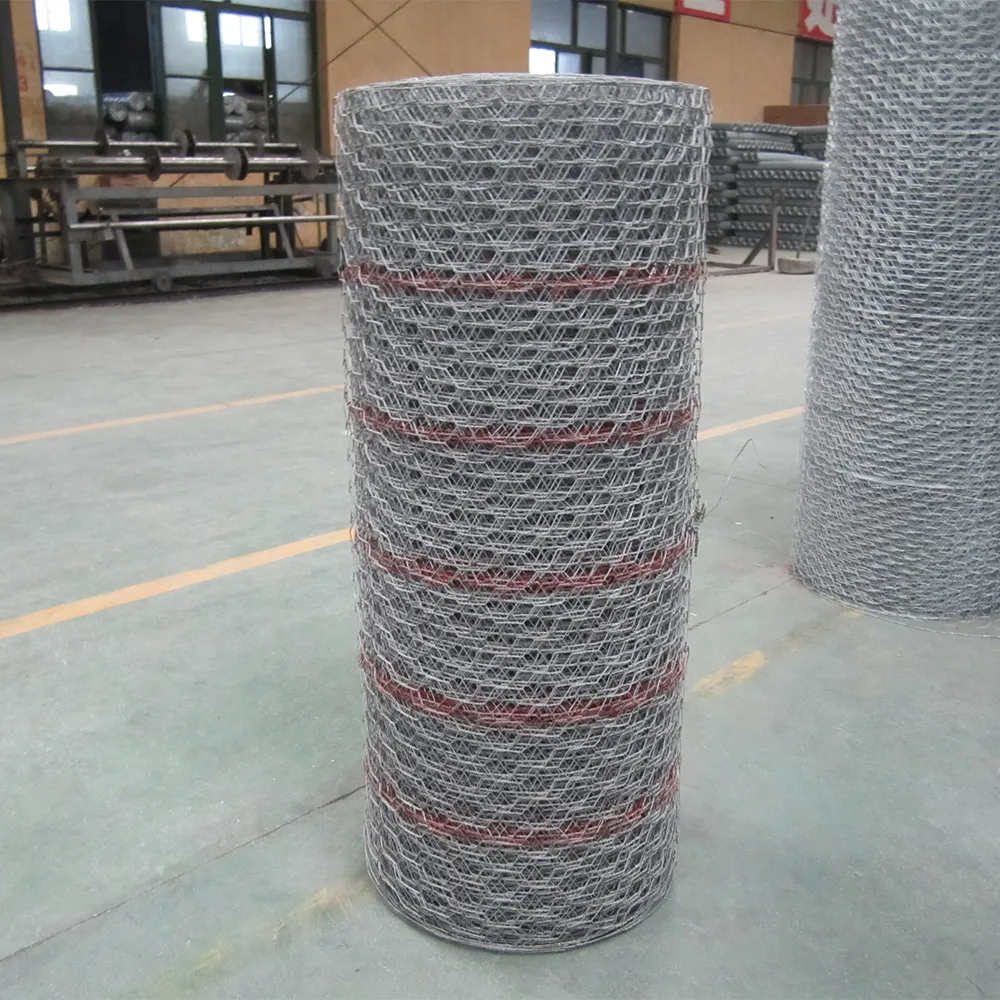
In the world of fencing and mesh applications, PVC-coated products have emerged as a popular and practical solution. Whether you're looking to secure your garden, protect your livestock, or add a touch of style to your property, PVC-coated options such as PVC coated fencing, PVC coated galvanized wire, PVC coated garden mesh, PVC coated GI wire mesh, and
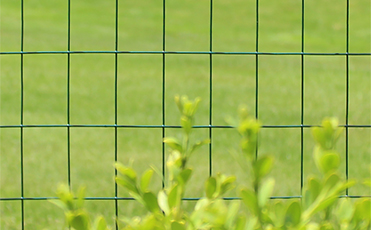
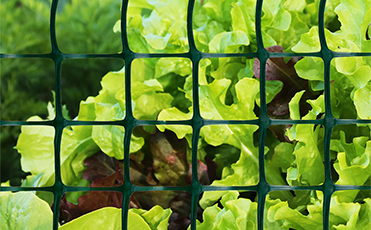
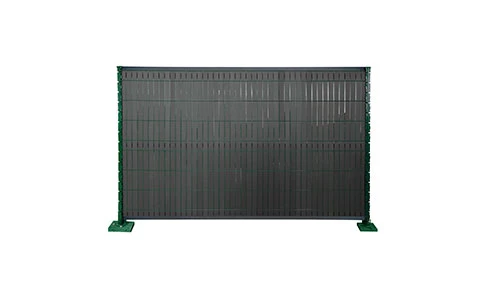
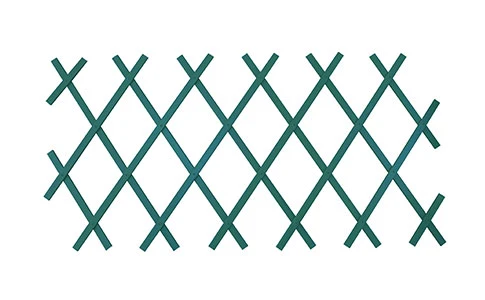
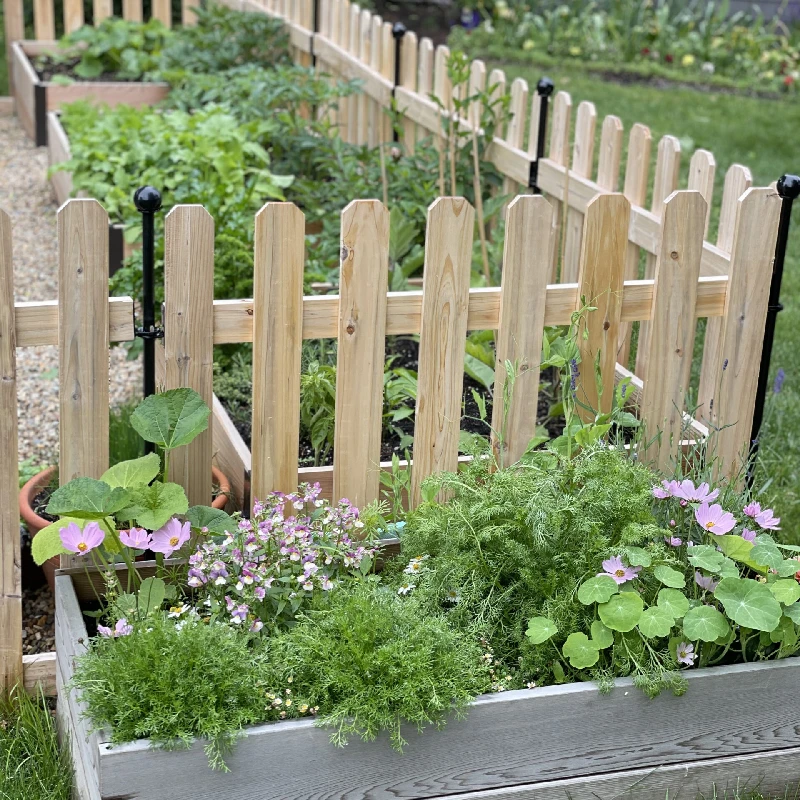
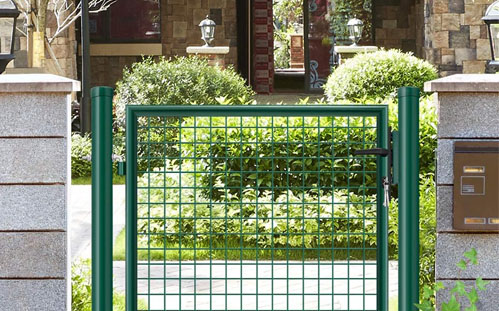
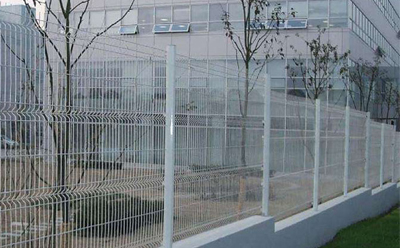
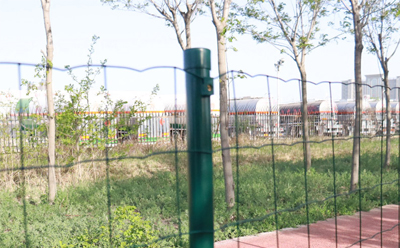
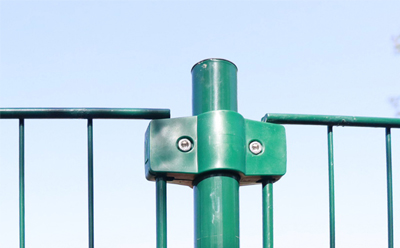
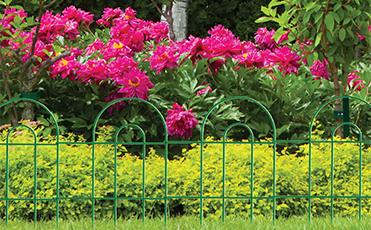
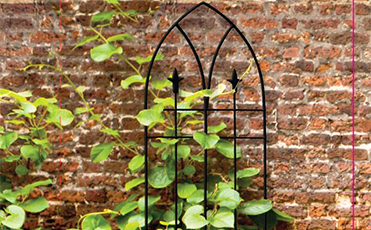
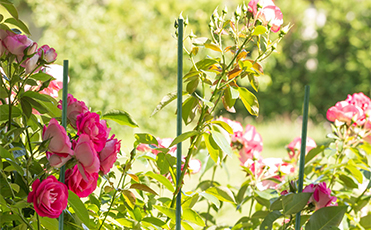
PVC coated garden mesh and fencing are widely used in gardens. They can be used to create a perimeter fence to keep out unwanted animals such as deer, rabbits, and squirrels. The mesh can also be used to protect individual plants or flower beds from pests. For example, a small mesh fence can be erected around a vegetable garden to prevent animals from eating the crops. PVC coated garden fencing can also be used to create a decorative element in the garden, such as a trellis for climbing plants. The green or black PVC coating adds a touch of style while still providing functionality.
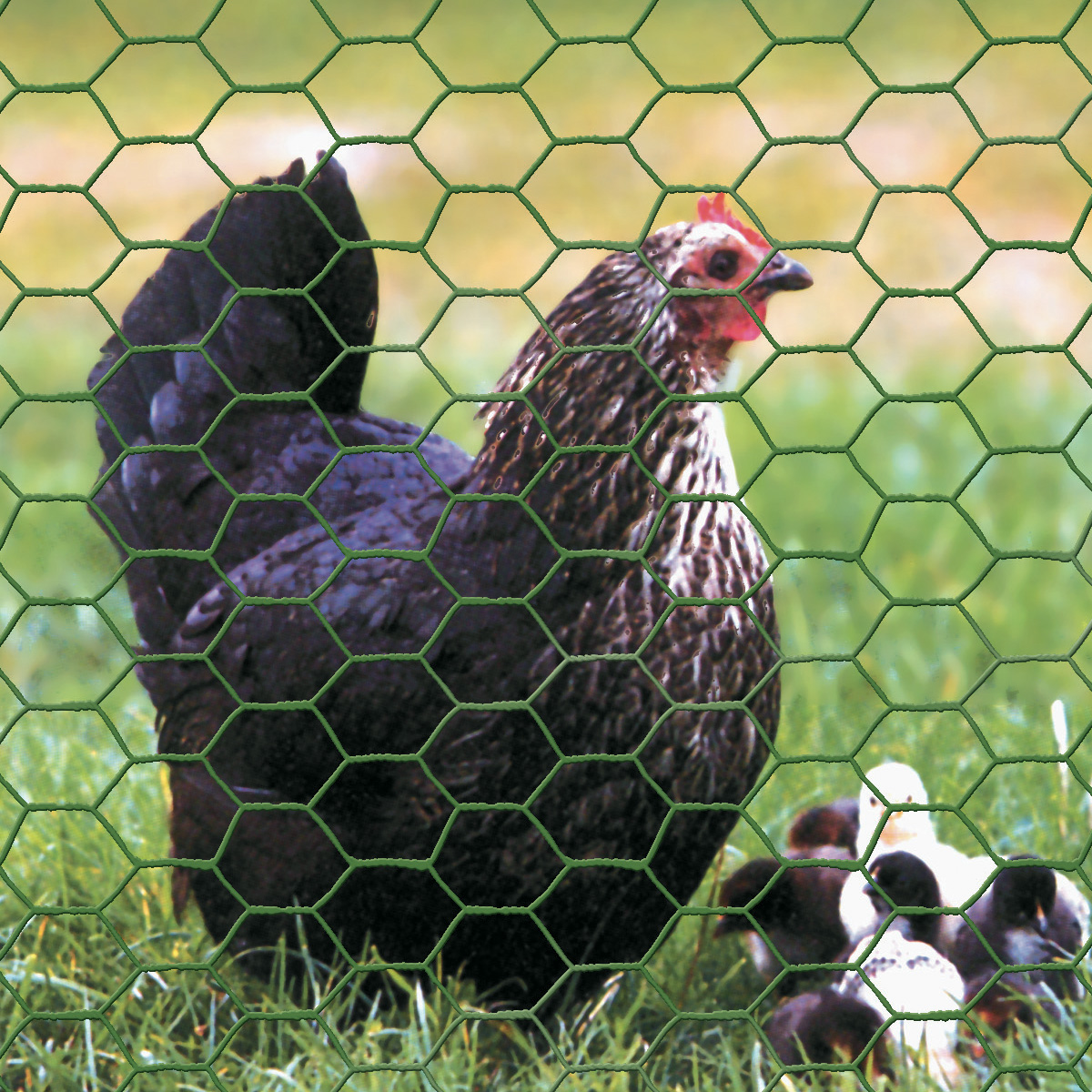
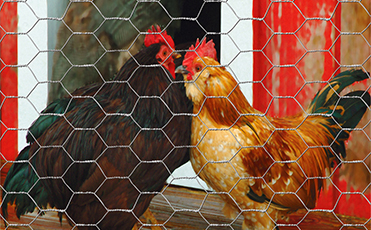
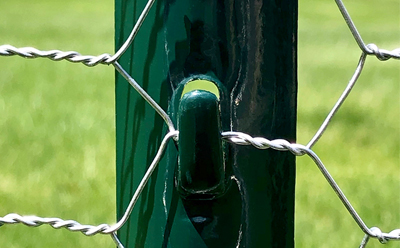
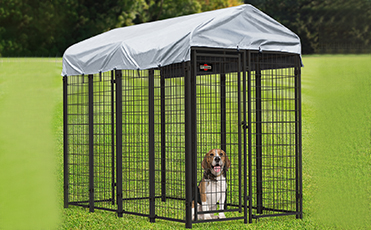
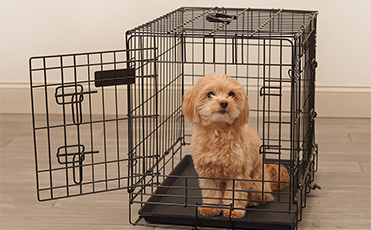
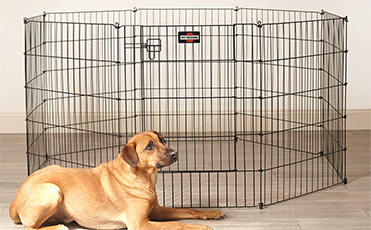
Whether it's a chicken coop, a rabbit hutch, or a larger livestock pen, PVC-coated fencing and mesh are great options. The durability and safety features make them suitable for containing animals. The smooth PVC surface prevents animals from getting injured on sharp edges, and the strong metal core can withstand the movements and potential chewing of animals. For example, PVC coated chicken wire with its small hexagonal openings can keep chickens in and predators out, while also being easy on the chickens' feet and feathers.
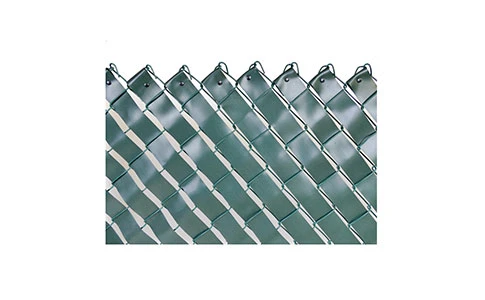
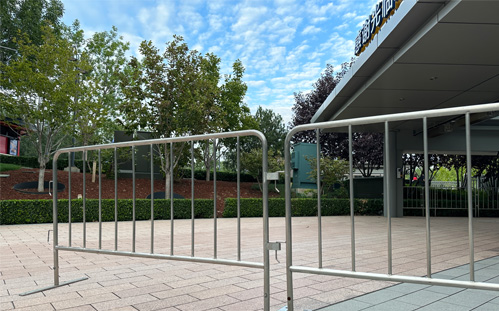
In playgrounds and sports fields, safety is a top priority. PVC-coated chain link fencing or mesh panels are often used to create a safe perimeter. The smooth PVC coating reduces the risk of children getting scratched while playing near the fence. The fencing can be customized to different heights and mesh sizes to meet the specific safety requirements of the area. In sports fields, such as tennis courts or basketball courts, PVC-coated fencing provides a durable and visually appealing boundary that can withstand the impact of balls and equipment.
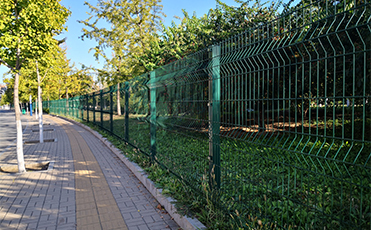
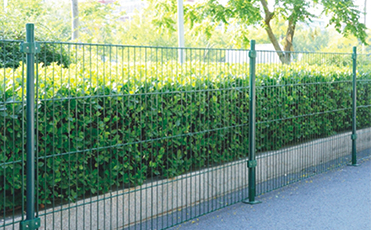
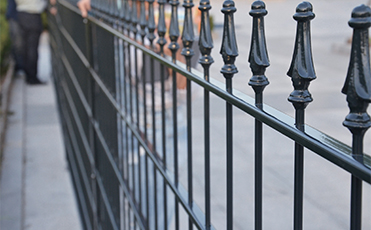
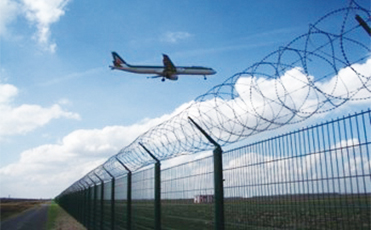
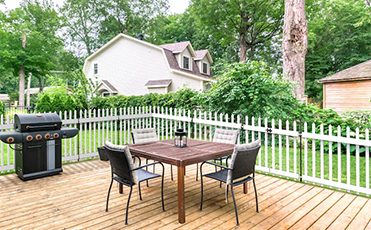
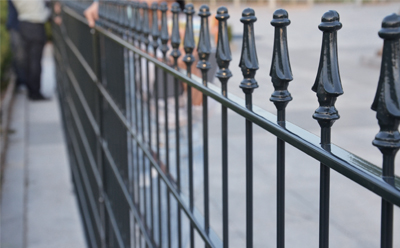
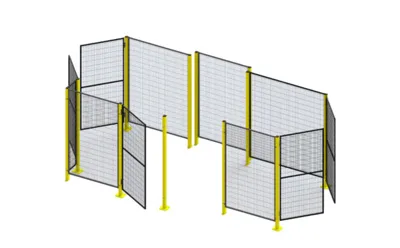
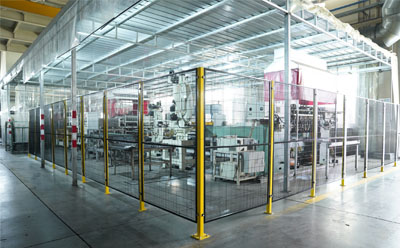
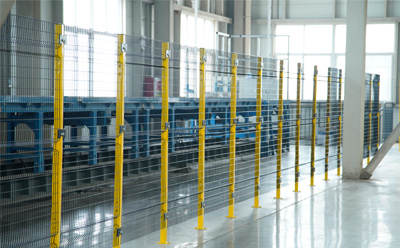
For residential properties, PVC-coated fencing offers a combination of security, style, and durability. It can be used to mark property boundaries, provide privacy, and enhance the overall look of the home. In commercial settings, such as industrial parks, warehouses, or office buildings, PVC-coated chain link fencing or other types of mesh fencing can be used for security purposes. The ability to choose from different colors allows the fencing to blend in with the corporate environment or stand out as a bold design element.
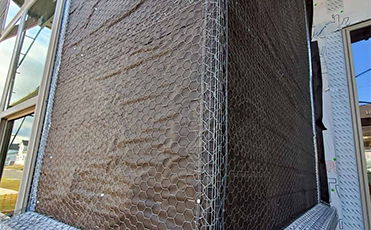
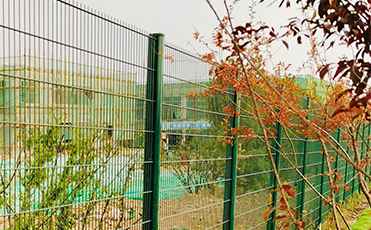
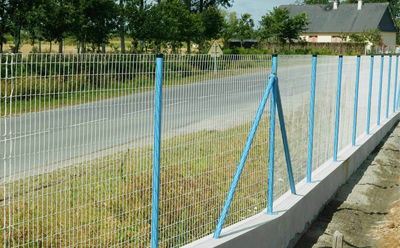
PVC coated GI wire mesh and other PVC-coated mesh products are used for slope protection. They can be installed on slopes to prevent soil erosion by holding the soil in place. In addition, they are used as safety barriers along rivers, highways, and other areas where there is a need to prevent people or animals from accessing dangerous areas. The strong and durable nature of PVC-coated mesh makes it suitable for these critical applications.
When choosing PVC-coated fencing and mesh, there are several factors to consider.
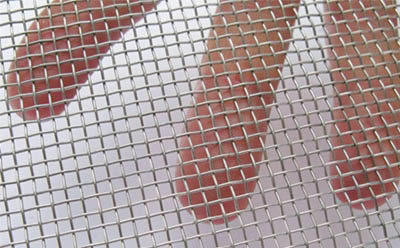
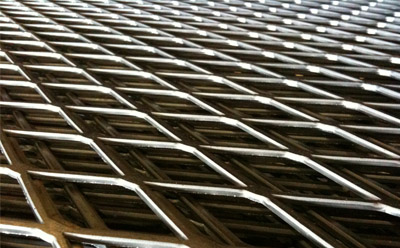
The mesh size and opening shape depend on the intended use. For keeping out small pests like insects or small rodents, a fine mesh with small openings is necessary. If you're using it for larger animals or for a more open look, a larger mesh size may be more appropriate. The opening shape, whether square, rectangular, or hexagonal, can also affect the strength and functionality of the mesh. Hexagonal mesh, for example, is often stronger and more flexible in certain applications.
The wire diameter determines the strength of the fencing or mesh. Thicker wire diameters are suitable for applications that require more strength, such as containing large livestock or in high - security areas. Thinner wire diameters can be used for less demanding applications like protecting small gardens or as a decorative element. Consider the amount of stress the fencing or mesh will be under when choosing the wire diameter.
As mentioned earlier, the color of the PVC coating can have a significant impact on the overall look of your property. Think about the existing color scheme of your home, garden, or commercial building and choose a color that complements it. You may also want to consider the surrounding environment and choose a color that blends in or stands out as desired.
It's important to choose products from reputable manufacturers who use high-quality materials. Look for products with a thick and even PVC coating that is well - adhered to the metal core. The galvanized steel wire should also be of good quality to ensure long - term durability. Reading customer reviews, checking product certifications, and asking for samples can help you assess the quality of the product before making a purchase.
PVC-coated fencing and mesh offer a winning combination of durability, weather resistance, aesthetic appeal, safety, and low maintenance. With a wide range of applications and options to choose from, they are an excellent choice for both residential and commercial projects. Whether you're looking to enhance the security of your property, protect your garden, or create a functional and stylish outdoor space, PVC-coated fencing and mesh can meet your needs.
PVC-coated fencing and mesh (such as PVC coated galvanized wire or PVC coated GI wire mesh) have a long outdoor lifespan, usually 10–20 years—with some high-quality options lasting even longer. The dual protection of the galvanized metal core (resists rust) and PVC coating (blocks moisture, UV rays, and corrosion) is key to this durability. In harsh environments like coastal areas (with salt spray) or regions with extreme temperature swings, regular cleaning (rinsing with mild soap and water) can extend their life by 3–5 years. Avoiding prolonged contact with sharp objects (which can scratch the PVC coating) also helps maintain their integrity.
Yes, PVC coated garden mesh is safe for plants and edible gardens. The PVC coating used in these products is non-toxic and does not leach harmful chemicals into soil or water, even when exposed to rain, sun, or soil moisture. This makes it ideal for protecting vegetable patches, herb gardens, or fruit bushes—you can use it to keep out pests (like rabbits or birds) without worrying about contaminating crops. Additionally, the smooth PVC surface won’t snag or damage delicate plant stems, and the mesh’s open design allows sunlight, air, and water to reach plants freely, supporting healthy growth.
Absolutely—PVC coated hardware mesh can be cut to fit custom spaces, and the process is straightforward with basic tools. For thin-gauge mesh (used for DIY projects or window guards), a pair of heavy-duty wire cutters or tin snips works best; for thicker-gauge mesh (used for industrial or high-security applications), use bolt cutters for cleaner cuts. When cutting, mark the desired size with a pencil or tape first to ensure straight edges. After cutting, smooth any sharp metal edges with sandpaper (to avoid snagging or injury) and touch up the exposed metal area with a small amount of PVC spray paint (matching the mesh’s color) to prevent rust. This simple process lets you adapt the mesh to irregular spaces like odd-shaped garden beds or custom-sized window openings.
Maintaining PVC-coated fencing (including PVC coated fencing or PVC coated galvanized wire) is low-effort. For regular upkeep, rinse the fencing with a garden hose every 3–6 months to remove dirt, dust, or debris—if there’s stubborn grime (like mud or pollen), use a soft-bristle brush and a mild detergent (such as dish soap mixed with water) to gently scrub the surface, then rinse clean. Avoid using abrasive tools (like steel wool) or harsh chemicals (like bleach or ammonia), as these can scratch or degrade the PVC coating. If the coating gets a small scratch (exposing the metal core), touch it up immediately with PVC touch-up paint to prevent rust. With this minimal maintenance, the fencing will retain its color and functionality for years.
While both rely on PVC coating for protection,
PVC coated GI wire mesh and
PVC coated galvanized wire differ in form and use.
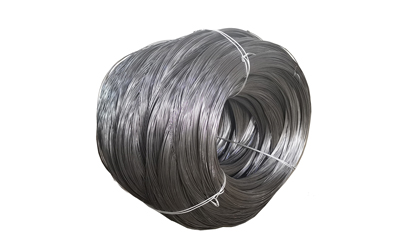
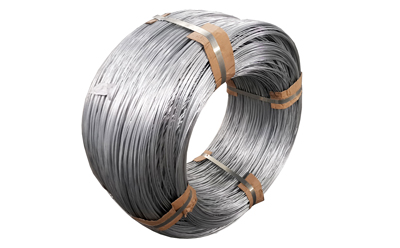
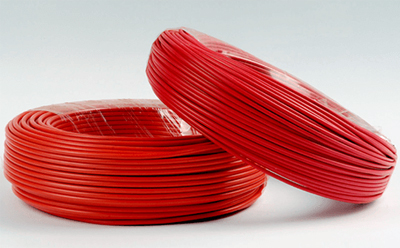
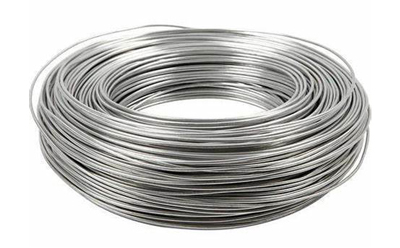
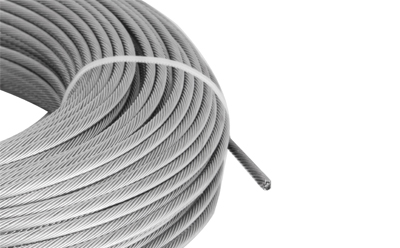
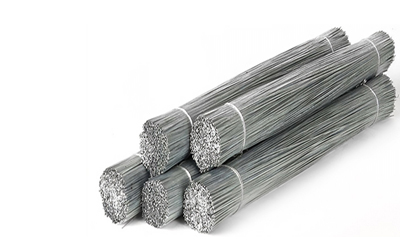
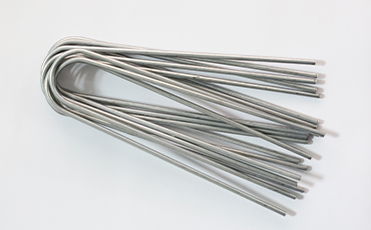
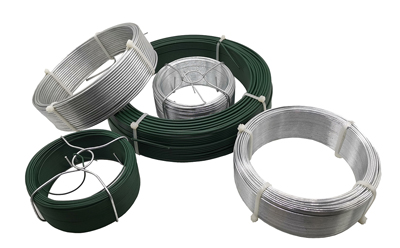
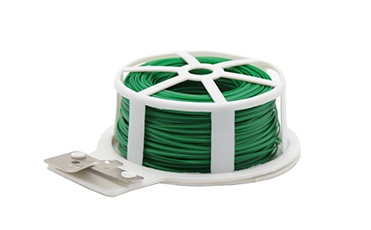
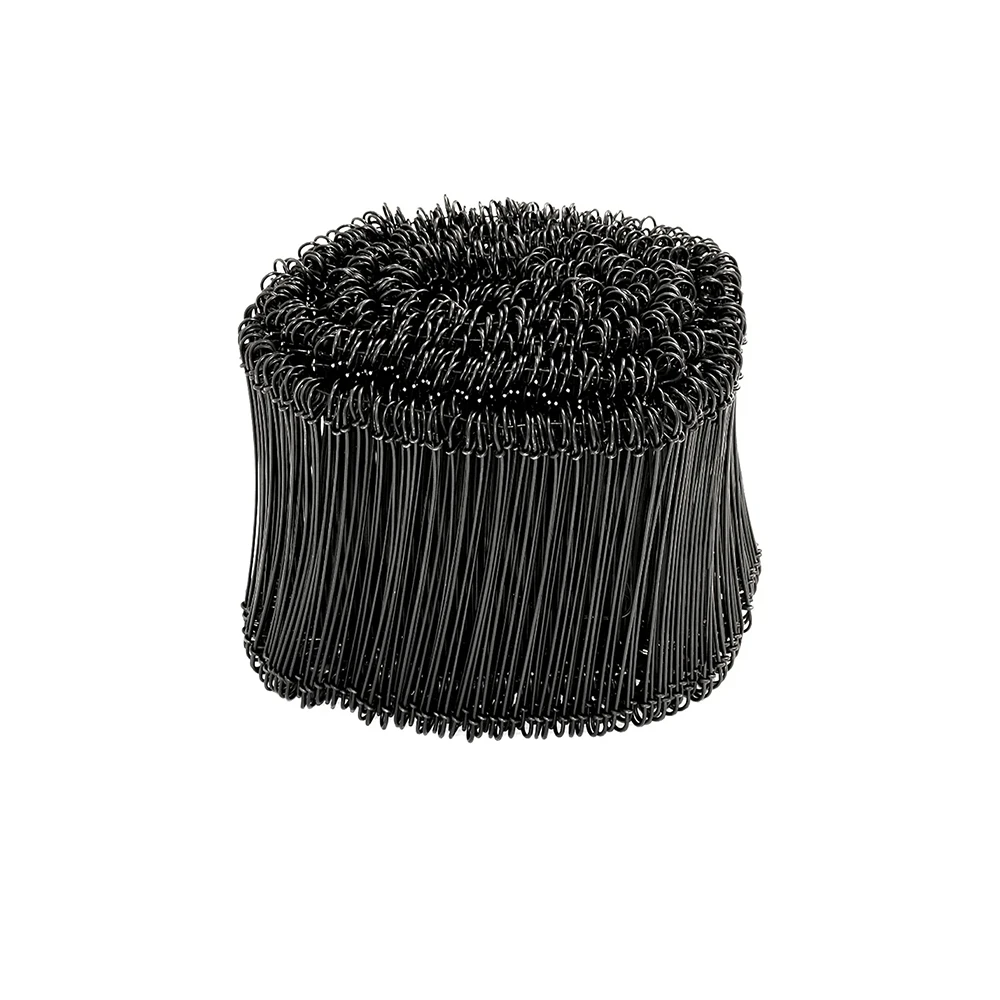
PVC coated galvanized wire refers to a single, continuous wire (not woven into mesh) that’s galvanized (zinc-coated) then covered in PVC—it’s used for applications like tying plants, creating small enclosures, or crafting.
PVC coated GI wire mesh, by contrast, is made by weaving
PVC coated galvanized wire (or galvanized iron wire) into a mesh structure with uniform openings (square, rectangular, or hexagonal). This mesh is thicker, more rigid, and designed for larger-scale uses: garden fencing, animal enclosures, slope protection, or playground barriers. In short, the wire is a single strand, while the mesh is a woven structure made from that wire—each serving distinct functional needs.