













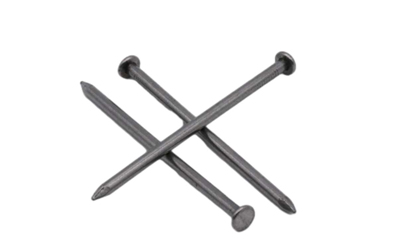
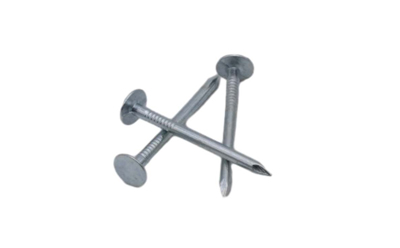
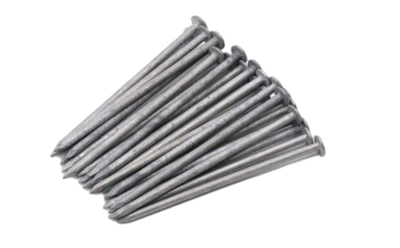
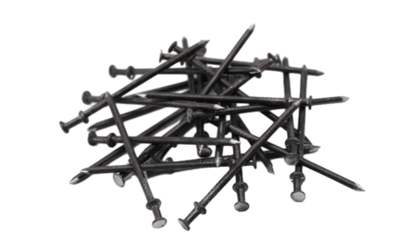
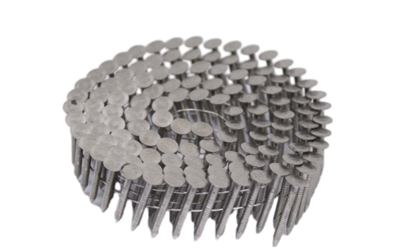
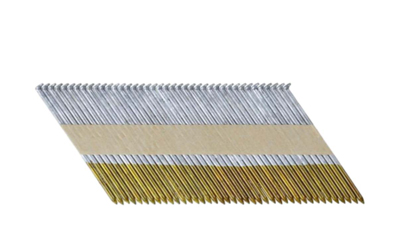















Roofing materials require reliable fastening solutions to ensure long-term durability, weather resistance, and structural stability. Among different types of fasteners, the roofing nail is one of the most essential components used in residential, commercial, and industrial roofing projects. These nails are specially designed to secure roofing materials such as asphalt shingles, metal sheets, waterproof membranes, and other roofing layers.
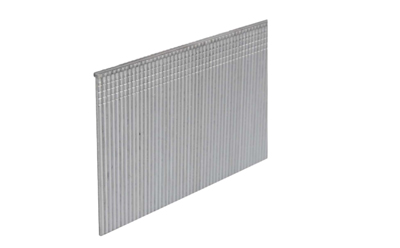
Unlike standard nails, a roofing nail features a wider head, stronger holding power, and corrosion-resistant properties. The large flat head helps distribute pressure over a wider surface area, preventing roofing materials from tearing or loosening under wind pressure. The sharp point allows easy penetration into roofing boards, ensuring a secure connection between the roof covering and the supporting structure.
The performance of roofing systems depends not only on the quality of roofing materials but also on the fasteners used during installation. Poor-quality nails may rust, break, or lose grip over time, causing problems such as lifted shingles, water leakage, and reduced roof lifespan. Therefore, selecting high-quality nails is an important step for contractors, builders, and homeowners.
Among various options available on the market, stainless steel roofing nails are widely recognized for their excellent corrosion resistance and long service life. Stainless steel materials can withstand moisture, rain, humidity, and changing weather conditions, making them especially suitable for coastal areas or locations with harsh climates.
Another popular option is stainless roofing nails, which provide similar advantages with superior strength and durability. These nails are commonly used for premium roofing projects where long-term performance and appearance are important. Their rust-resistant surface helps maintain roof integrity while reducing maintenance requirements.
Roofing nails are available in different sizes, lengths, and surface treatments to meet various application requirements. Choosing the correct nail type ensures better installation quality and improves the overall performance of the roofing system.

One of the most common applications of roofing fasteners is installing asphalt shingles. Roofing nails for shingles are specifically designed to provide strong attachment while protecting the roofing material from damage. Asphalt shingles require proper fastening because they are exposed to wind, rain, sunlight, and temperature changes throughout their service life.
When installing shingles, contractors typically use nails with large heads and sufficient penetration depth. Shingle nails are manufactured to provide excellent holding strength while preventing cracking or tearing of the shingle surface. The correct placement and quantity of nails help maintain the roof’s wind resistance and waterproof performance.
High-quality roofing nails for shingles are available in galvanized steel and stainless steel options. Galvanized nails offer good corrosion resistance for general roofing applications, while stainless steel roofing nails provide enhanced protection for areas with high humidity or salt exposure.
In residential construction, shingle nails are widely used for houses, garages, sheds, and outdoor structures. They are compatible with different types of asphalt shingles and can be installed manually or with pneumatic nail guns. Their reliable fastening ability makes them an essential part of professional roofing installation.
Commercial buildings and large-scale construction projects also benefit from using durable roofing fasteners. In these applications, contractors often choose stainless roofing nails because they provide long-lasting performance and reduce the risk of future repair costs.
The installation quality of roofing systems depends on several factors, including nail length, nail spacing, material quality, and installation technique. Using the wrong nail may result in weak attachment, while selecting the proper roofing nail ensures that shingles remain securely fixed even during extreme weather conditions.
For roofing contractors, choosing suitable nails is not only about fastening materials but also about protecting the entire roofing structure. Reliable nails help prevent moisture penetration, maintain roof appearance, and extend the service life of roofing systems.
With increasing demand for durable and reliable roofing materials, stainless steel fasteners have become an important choice in modern construction. Stainless roofing nails offer excellent resistance to corrosion, making them ideal for roofing applications where exposure to moisture and weather conditions is unavoidable.
The main advantage of stainless steel roofing nails is their superior durability. Stainless steel contains chromium elements that create a protective layer on the surface, helping prevent rust and corrosion. This feature makes these nails suitable for coastal regions, rainy climates, and high-moisture environments.
Another benefit is their strong mechanical performance. Stainless roofing nails maintain excellent strength even under temperature changes and long-term outdoor exposure. This reliability helps ensure that roofing materials remain firmly attached throughout the building’s lifespan.
For professional roofing installation, the number and arrangement of nails are also important. Six nails roofing refers to a common installation method where six nails are used per shingle according to specific roofing requirements. This method improves wind resistance and provides stronger attachment compared with insufficient fastening.
The six nails roofing method is especially useful in areas with strong winds or severe weather conditions. By increasing the number of fastening points, shingles can better withstand external forces and remain securely positioned on the roof surface.
When selecting roofing fasteners, buyers should consider several factors, including material quality, corrosion resistance, nail size, and application requirements. For premium roofing projects, stainless steel roofing nails are often preferred because they provide excellent performance and reduce maintenance costs over time.
In addition to residential roofing, these nails are also used in warehouses, commercial buildings, outdoor structures, and renovation projects. Their versatility makes them a valuable component in different construction environments.
Overall, a high-quality roofing nail plays a critical role in ensuring roofing safety and durability. Whether used for traditional shingle installation, large-scale construction, or specialized roofing systems, products such as roofing nails for shingles, shingle nails, stainless roofing nails, and stainless steel roofing nails provide dependable fastening solutions.
By choosing the right roofing fasteners and applying proper installation methods, builders can improve roof performance, reduce maintenance requirements, and achieve longer-lasting protection for buildings. As roofing technology continues to develop, durable and corrosion-resistant nails will remain an essential part of modern construction systems.



Copyright © 2026 Hebei Minmetals Co., Ltd. All Rights Reserved. Sitemap | Privacy Policy | Top Blog | Top Topic丨Menu