












































In the dynamic worlds of warehousing, manufacturing, and retail, the constant challenge is to do more with less space. Efficient storage is not merely a matter of organization; it is a critical component of operational efficiency, cost control, and inventory management. As businesses seek to optimize their floor space and streamline their workflows, the need for versatile, durable, and scalable storage solutions becomes paramount. The evolution of storage systems has moved beyond fixed, immovable shelving to more agile and adaptable options. This article delves into the core of modern storage logistics, exploring the fundamental utility of a single stacking rack, the scalable potential of stackable racks, and the heavy-duty application of stackable pallet racks. Understanding the distinct roles of these systems is essential for building a storage infrastructure that grows and adapts with your business.
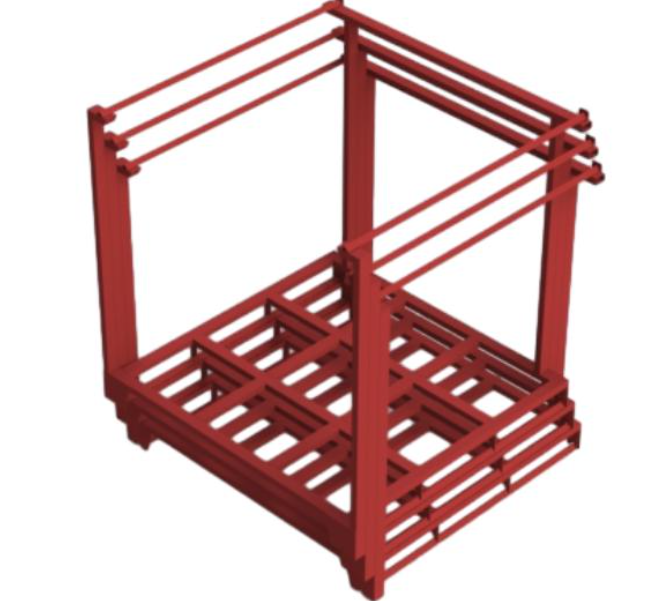
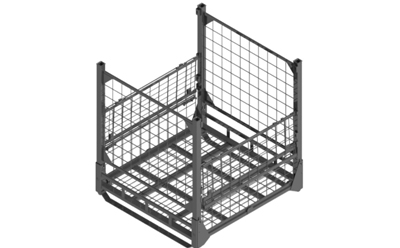
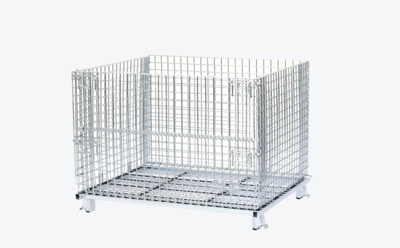
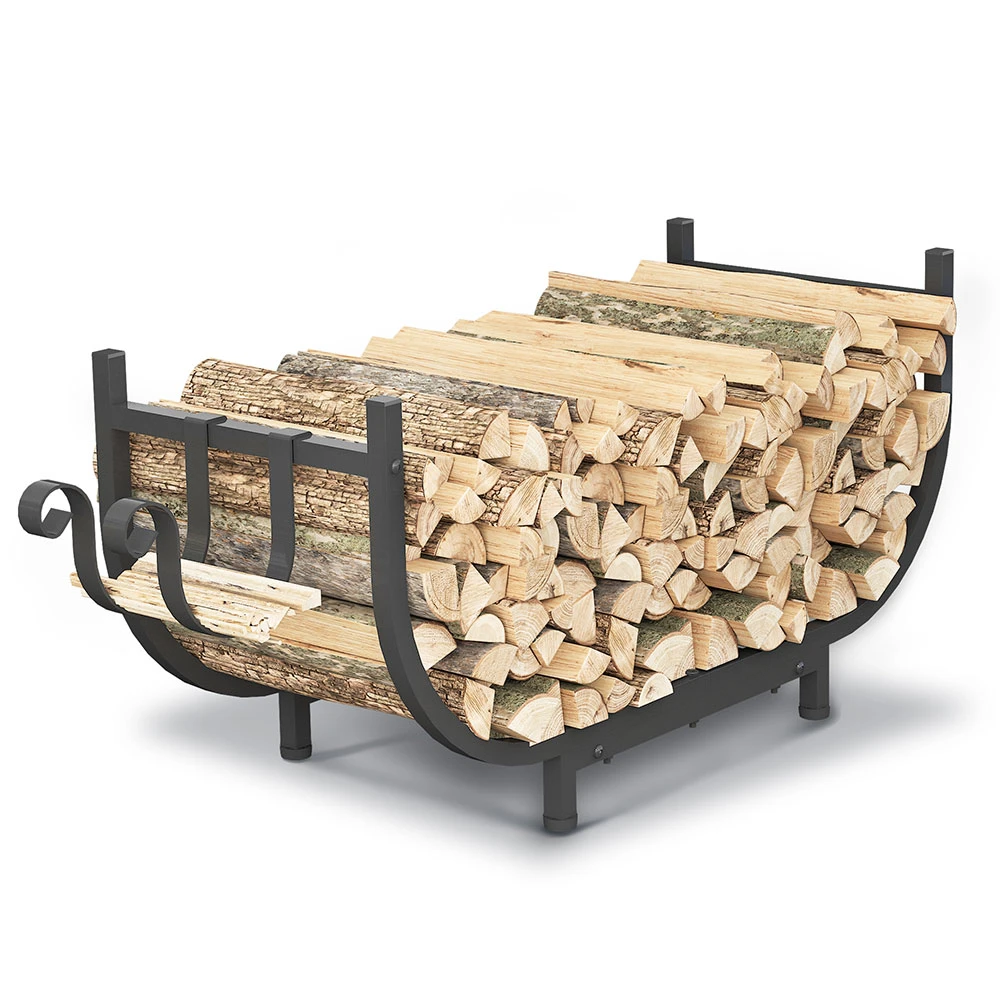
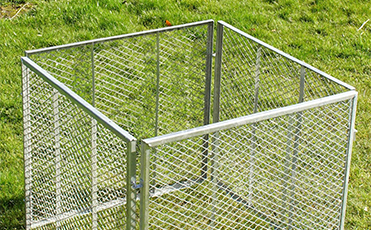
A stacking rack is the foundational building block of an efficient vertical storage system. It is a self-contained unit, typically a metal frame with shelves, designed to be stable on its own while also being able to support identical units stacked on top of it. The primary advantage of a basic stacking rack is its ability to create immediate, organized storage without the need for a permanent installation. This makes it an ideal solution for a wide array of items, from small parts in bins to larger, bulkier goods. Its design philosophy centers on creating a mobile, reusable, and highly adaptable storage point that can be reconfigured as needs change, providing a perfect balance of immediate utility and long-term flexibility.
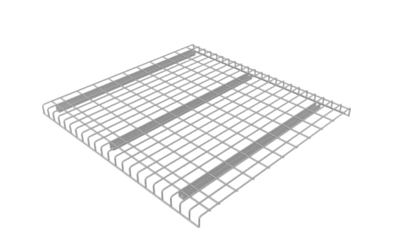
The true power of this storage method is unlocked when multiple units are combined. Stackable racks are designed with integrated features that allow them to be securely stacked one upon another, transforming individual units into a tall, cohesive storage structure. This scalability is the key to maximizing the cubic volume of a storage area, effectively doubling or tripling available space without expanding the footprint. The system of using stackable racks offers a compelling list of benefits that directly address the core challenges of modern inventory management.
For operations that involve palletized goods and truly heavy loads, the stackable pallet rack is the industrial-grade solution. These are engineered with a significantly higher weight capacity and a larger footprint to accommodate standard pallets. A stackable pallet rack is built to withstand the rigors of forklift and pallet jack use, providing a robust storage tier for raw materials, finished products, and bulk items. The ability to stack these heavy-duty units creates a high-density storage system that is essential in warehouses and distribution centers. The design ensures that even at great heights, the structure remains stable and secure, protecting both the inventory and personnel. This makes the stackable pallet rack an indispensable tool for any business dealing with unit loads on an industrial scale.
Integrating a stacking rack system into your operation requires a strategic approach to maximize its benefits. A well-planned implementation ensures that the storage solution works in harmony with your workflow, improving efficiency and safety.
A step-by-step implementation strategy includes:
The primary difference lies in load capacity and design purpose. A standard stacking rack is for general lighter-duty storage, while a stackable pallet rack is specifically engineered with a heavier gauge steel and larger dimensions to safely support the immense weight of loaded pallets.
Stackable racks improve inventory management through their modularity. They can be easily reconfigured to create dedicated zones for different product lines, and their open design allows for quicker visual stock checks and better organization than often opaque fixed shelving.
A high-quality stacking rack should feature a secure interlocking mechanism for stable stacking, a load capacity clearly displayed on the unit, and reinforced corners and welds. A quality powder-coated or galvanized finish is also crucial for preventing rust and ensuring long-term structural integrity.
Yes, industrial-grade stackable pallet racks are specifically designed to be used with forklifts and pallet jacks. They are built with high-strength materials to withstand the impact and stress of this type of equipment during loading and unloading.
Absolutely. Stackable racks are a highly cost-effective solution because their modular nature allows a business to start with a small investment and add more units as the company grows, avoiding the large upfront cost of a permanent system and providing unparalleled scalability.
We invite you to transform your storage challenges into a competitive advantage. At Hebei Minmetals Co., Ltd, we are dedicated to providing not just products, but intelligent, reliable storage solutions backed by a commitment to quality and customer success. Our focus on durable materials, innovative design, and customizable options ensures that we can meet the unique demands of your operation. Do not let inefficient storage hinder your productivity and growth. Visit our company to explore our full range of engineered storage systems and discover the Hebei Minmetals Co., Ltd difference. Partner with us to build a safer, more organized, and more efficient future. Choose Hebei Minmetals Co., Ltd.



Copyright © 2026 Hebei Minmetals Co., Ltd. All Rights Reserved. Sitemap | Privacy Policy | Top Blog丨Menu