


















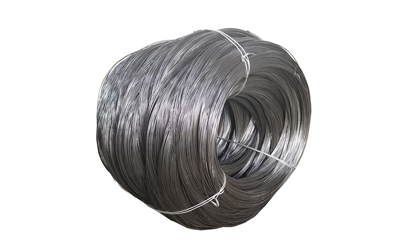
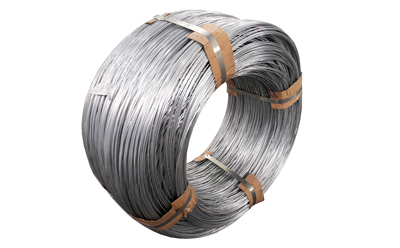
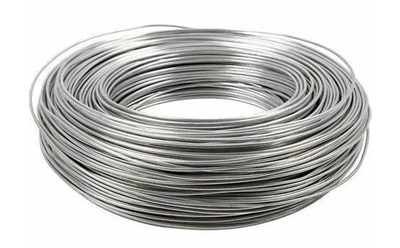

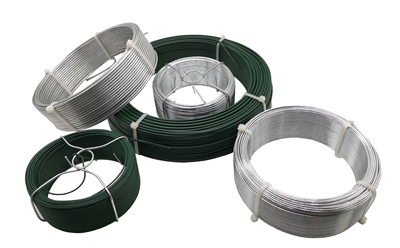
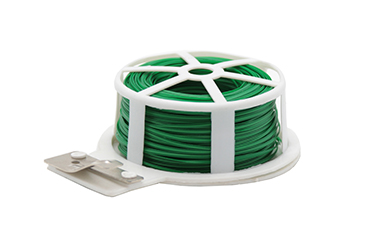




























Choosing the right wire mesh for sale is important for achieving a durable stucco finish. Both stucco netting and chicken wire use woven wire structures, but they are designed for different purposes. While chicken wire is commonly used for poultry fencing and general-purpose applications, stucco netting is designed to provide reinforcement and support for plaster and stucco systems.
So, what is the difference between stucco netting vs chicken wire? Can chicken wire be used instead of stucco mesh? The answer depends on the mesh design, wire gauge, surface treatment, and requirements of the stucco system.
For contractors, builders, and building material distributors, understanding these differences helps prevent material selection problems and ensures the right mesh is used for each project.

The main difference between stucco netting and chicken wire is their intended application and product configuration.
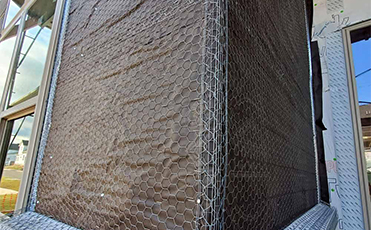
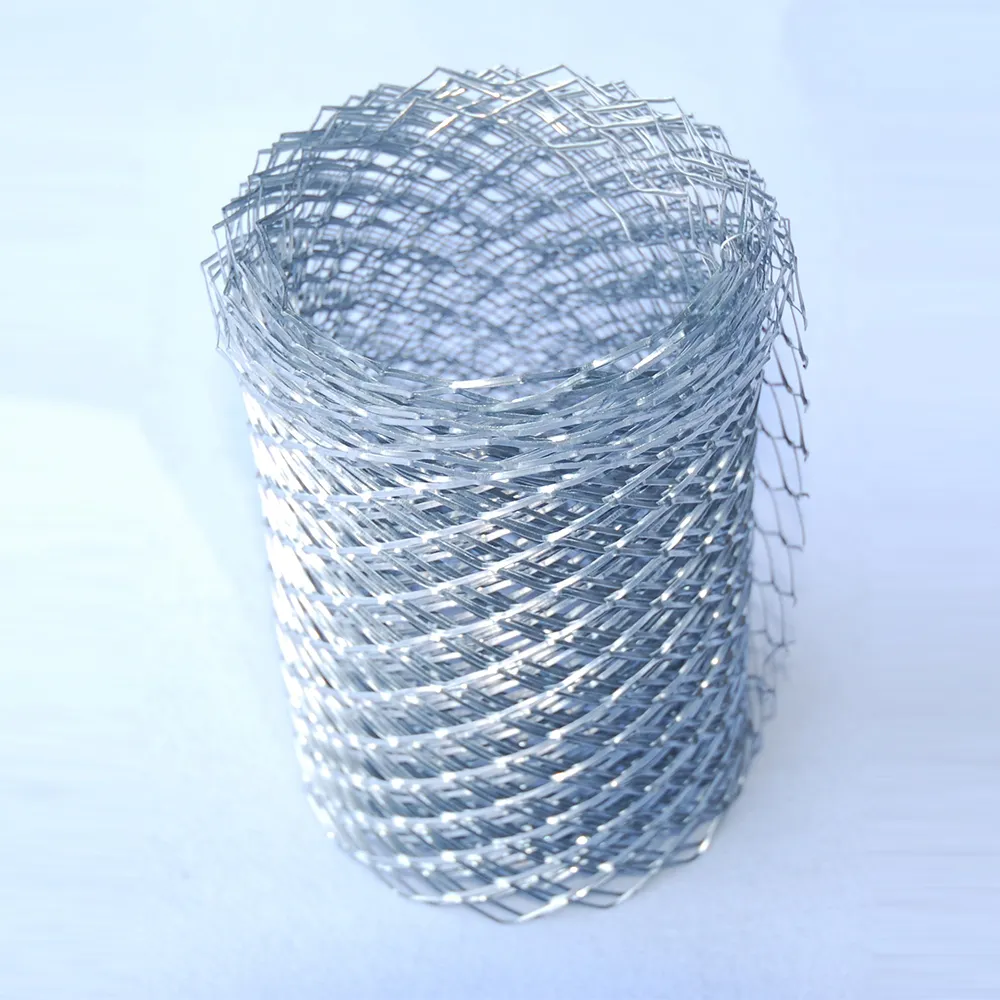
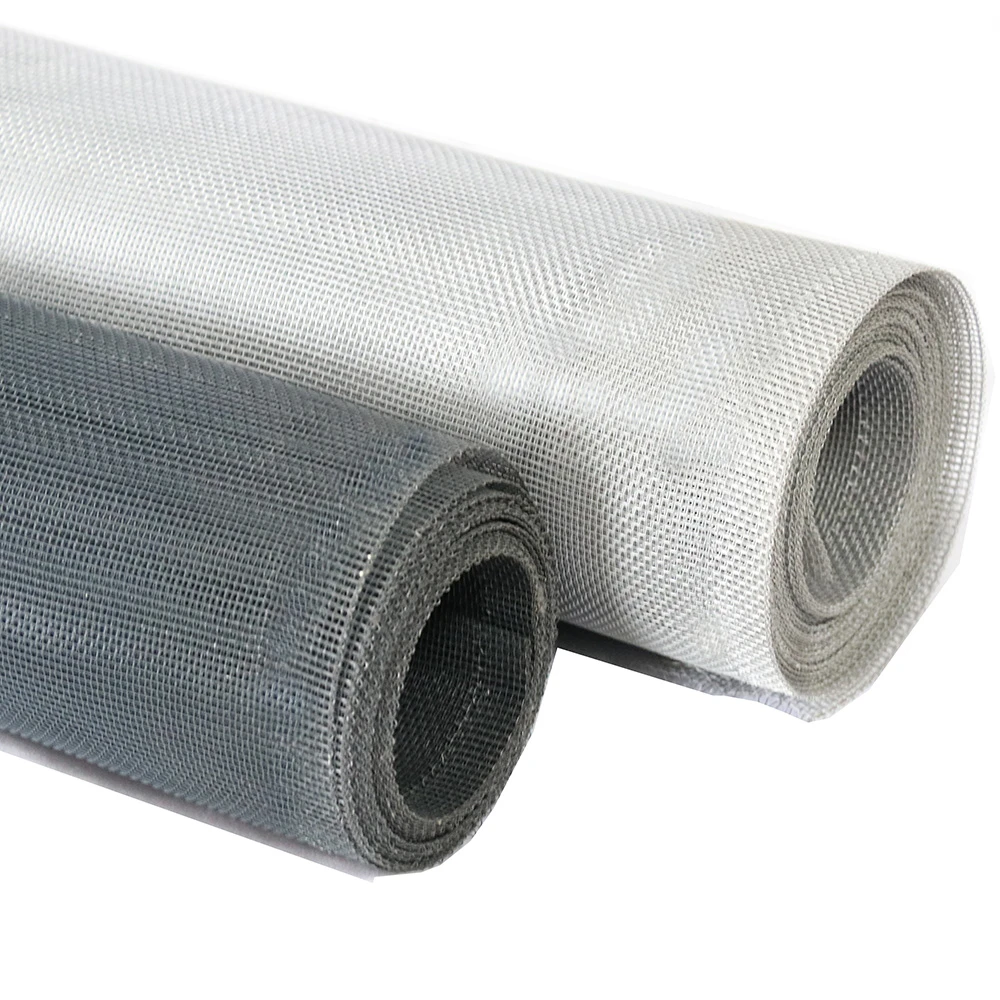
Stucco netting is a woven wire reinforcement material designed for plastering and exterior wall applications. It provides a supporting base that helps the stucco layer hold its shape and bond to the underlying surface.
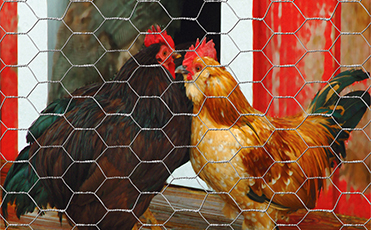
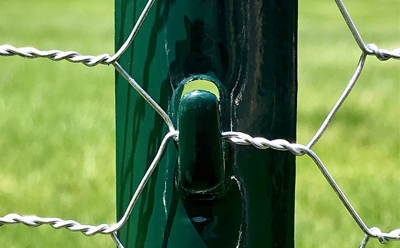
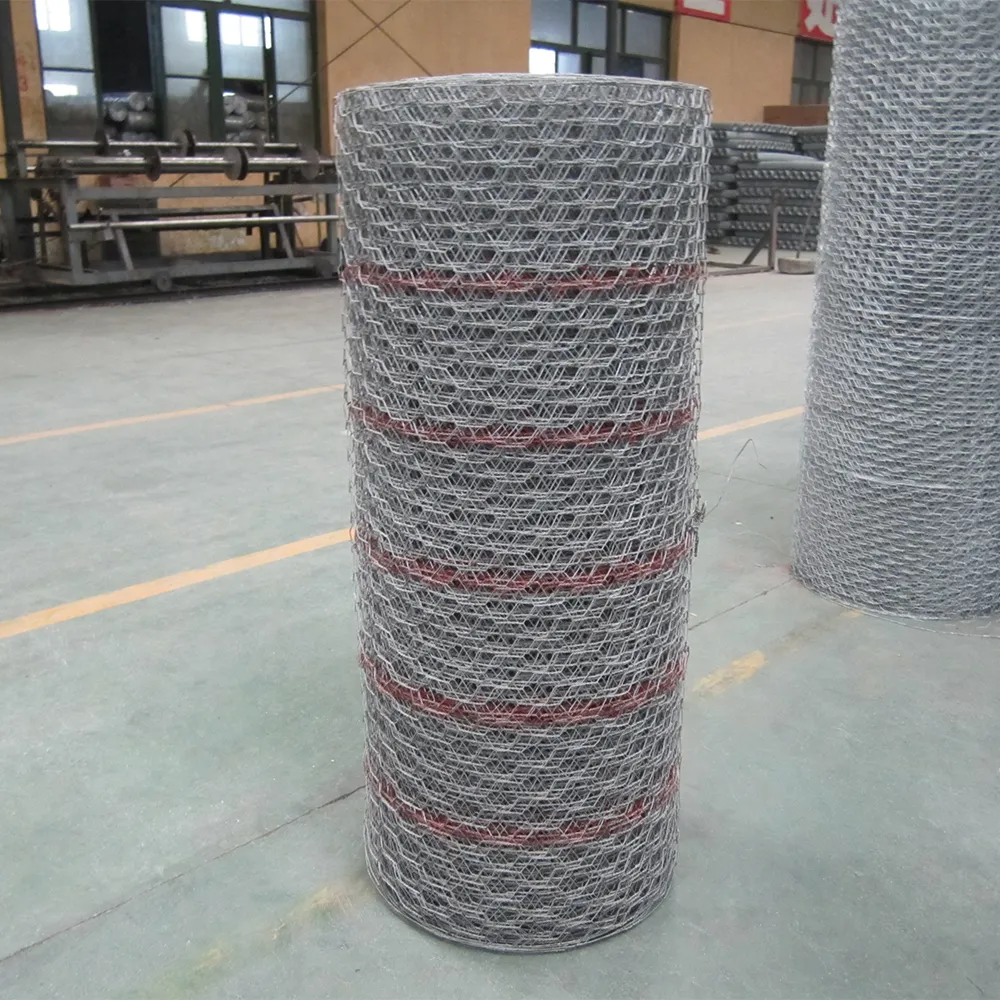
Chicken wire, also known as poultry netting or hexagonal wire mesh, is traditionally used for chicken coops, animal enclosures, garden protection, and other general-purpose fencing applications.
Although both products can feature hexagonal openings, their specifications and performance requirements are not necessarily the same.
Comparison | Stucco Netting | Chicken Wire |
Main purpose | Stucco and plaster reinforcement | Poultry fencing and general-purpose netting |
Mesh structure | Woven wire, often reverse twist | Hexagonal woven wire |
Wire gauge | Commonly 17, 18, or 20 gauge | Varies by product |
Mesh openings | Commonly 1" or 1-1/2" | Available in different openings |
Material | Commonly galvanized steel wire | Galvanized, PVC-coated, or other wire options |
Typical supply | Rolls, including self-furred options | Rolls |
Main selection factor | Stucco system requirements | Fencing or containment requirements |
The two products may look similar, but appearance alone does not determine whether a mesh is suitable for a specific stucco application.
Stucco netting is specifically configured to support plaster and stucco applications. Its mesh opening, wire thickness, and construction help provide a stable base for the applied material.
Here are three important reasons contractors choose purpose-made stucco netting.
Stucco needs a suitable supporting surface to form a stable layer. Stucco netting provides a framework that helps hold the plaster during application and supports the finished surface.
The mesh opening and wire configuration should match the selected stucco system. Choosing the correct specification helps ensure proper material embedment and application performance.
Wire thickness affects the strength, weight, and handling characteristics of the mesh.
Minmetals supplies several stucco netting configurations, including:
17 gauge with 1-1/2" mesh
18 gauge with 1" mesh
20 gauge with 1" mesh
These options allow buyers to compare different specifications based on project requirements rather than choosing mesh by appearance alone.
Stucco reinforcement is often installed behind exterior wall finishes, where moisture exposure can affect the service life of metal materials.
Galvanized steel wire has a protective zinc coating that helps reduce corrosion. Minmetals offers stucco netting galvanized before weaving, providing a practical option for construction projects that require corrosion-resistant wire reinforcement.
For buyers looking for different configurations, galvanized stucco netting and reinforced mesh options are available for review.
Chicken wire can be used in certain plaster or stucco applications when the selected building system specifically allows it. However, it should not automatically replace purpose-made stucco netting.
The key is to check the mesh specifications and installation requirements before making a substitution.
For example, chicken wire is often produced with lightweight wire and different mesh openings. Some products may not provide the wire thickness or structural characteristics required by a particular stucco system.
Another important factor is the surface treatment. Chicken wire is available in galvanized and PVC-coated versions, but the coating type and corrosion protection level vary between products.
Before choosing chicken wire for stucco work, check the following:
Wire gauge: Is the wire thickness suitable for the specified application?
Mesh opening: Can the stucco material properly engage with the mesh?
Coating: Is the wire finish appropriate for the expected moisture exposure?
Product approval: Does the selected stucco system permit this type of reinforcement?
Installation requirements: Can the mesh be installed with the required fastening, spacing, and overlap?
If the project specification calls for a particular type of stucco lath, using a general-purpose poultry netting product may create unnecessary risks.
For applications outside wall reinforcement, galvanized hexagonal wire netting offers different mesh sizes and wire configurations for poultry fencing, animal enclosures, and other general-purpose uses.
Another important difference is the availability of self-furred construction.
Self-furred stucco netting has a formed structure that helps maintain spacing between the wire mesh and the underlying surface. This spacing allows the stucco material to surround the reinforcement more effectively when installed according to the specified system.
Standard chicken wire generally does not include the same purpose-designed self-furring features.
Minmetals offers self-furred stucco netting as well as paper-backed options. The paper-backed design combines woven wire reinforcement with a weather-resistive backing layer.
These configurations serve different project requirements:
Self-furred stucco netting: Suitable for applications where controlled spacing between the mesh and substrate is required.
Self-furred paper-backed stucco netting: Combines wire reinforcement with a backing layer designed to help manage moisture within the wall assembly.
Standard chicken wire: Primarily intended for poultry fencing and general-purpose applications rather than serving as a direct substitute for specialized stucco reinforcement.
The final selection should follow the project specifications and applicable building requirements.
For contractors, distributors, and wholesale buyers, selecting stucco netting requires attention to more than price and availability.
Consider these four factors before placing an order.
Minmetals offers 1" and 1-1/2" mesh openings. Check the specified opening size and make sure it is compatible with the intended application.
Available configurations include 17, 18, and 20 gauge. Buyers should compare wire thickness and product specifications based on the required reinforcement performance.
Galvanized-before-weaving wire is available for corrosion protection. For projects with specific environmental requirements, confirm the required coating and material specifications before ordering.
Minmetals lists self-furred stucco netting in 36-inch-wide rolls, with different lengths depending on the configuration. Paper-backed options are also available in 100-foot rolls.
For insulation wire netting, the company offers pre-hot-dip galvanized or stainless steel wire, with a listed wire diameter of 0.7 mm and lengths up to 3,000 meters. Other sizes may be available upon request.
These options help wholesalers and contractors source suitable materials for different construction and insulation projects.
Choosing between stucco netting and chicken wire starts with understanding the actual application. Chicken wire is a practical option for poultry fencing and general-purpose netting, while purpose-made stucco netting provides configurations designed for plaster and wall reinforcement.
Minmetals supplies stucco netting in different mesh sizes, wire gauges, and configurations, including self-furred and paper-backed options. The company also offers hexagonal wire netting for fencing and other general-purpose applications.
For distributors, importers, and construction material suppliers, working with a supplier that offers multiple wire mesh configurations makes it easier to match product specifications with different market requirements.
Contact Minmetals to discuss your required mesh size, wire gauge, roll dimensions, and packaging preferences. Request product details and a wholesale quotation for your next project.



Copyright © 2026 Hebei Minmetals Co., Ltd. All Rights Reserved. Sitemap | Privacy Policy | Top Blog | Top Topic丨Menu