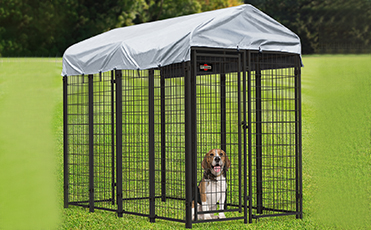
Building a secure and durable chicken coop requires careful selection of materials that provide both protection and ventilation for poultry. Welded wire products offer an ideal solution for small-scale coop construction, combining strength with functionality. This guide examines the practical applications of welded chicken wire, explores the various options for weld mesh, and considers the factors affecting welding mesh price for backyard poultry projects. Understanding these elements helps homeowners create safe environments for their flocks while ensuring long-term durability and value.
Understanding welded chicken wire specifications ensures proper coop security
Selecting appropriate welded chicken wire involves evaluating several technical aspects that directly impact poultry safety and coop longevity. The right choice creates effective barriers against predators while maintaining adequate airflow and visibility within the coop environment.
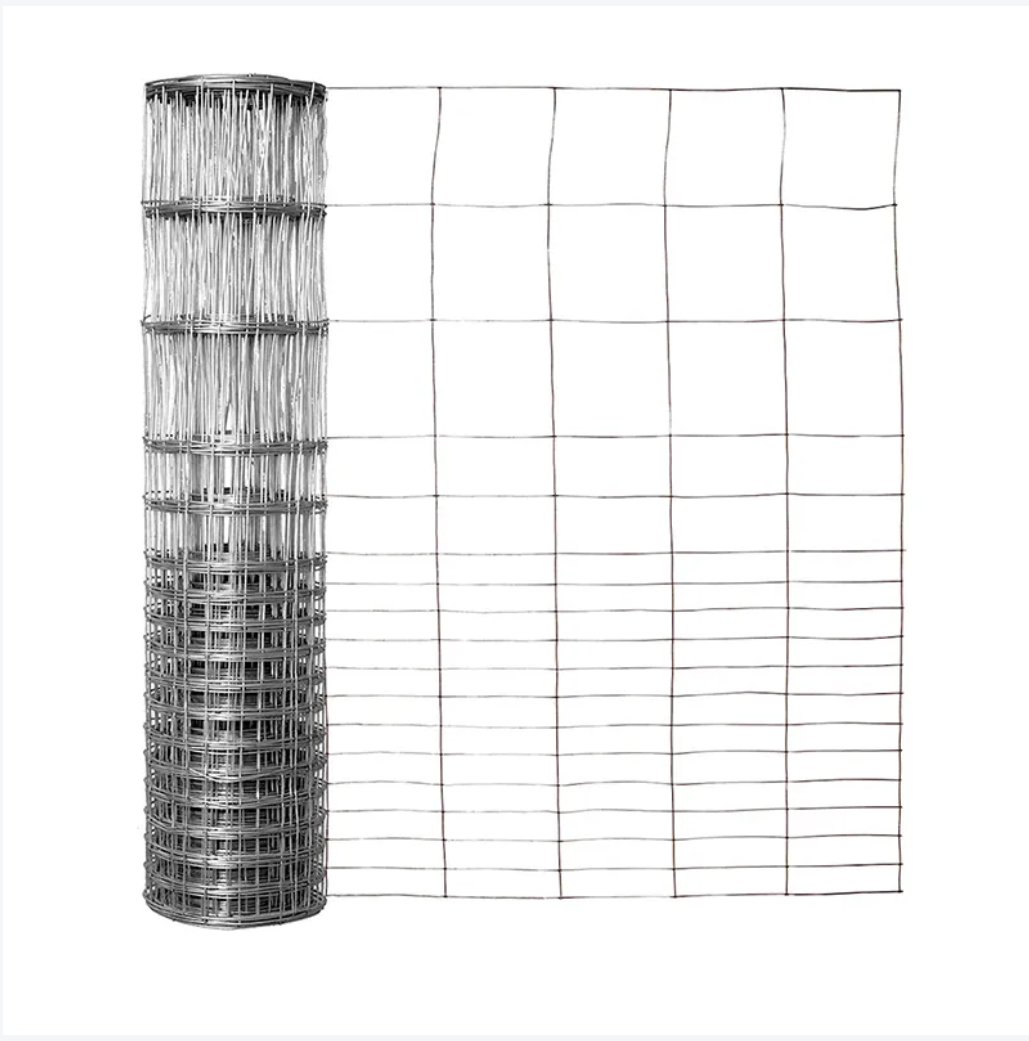
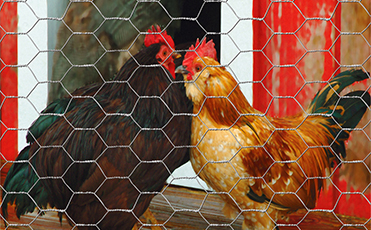
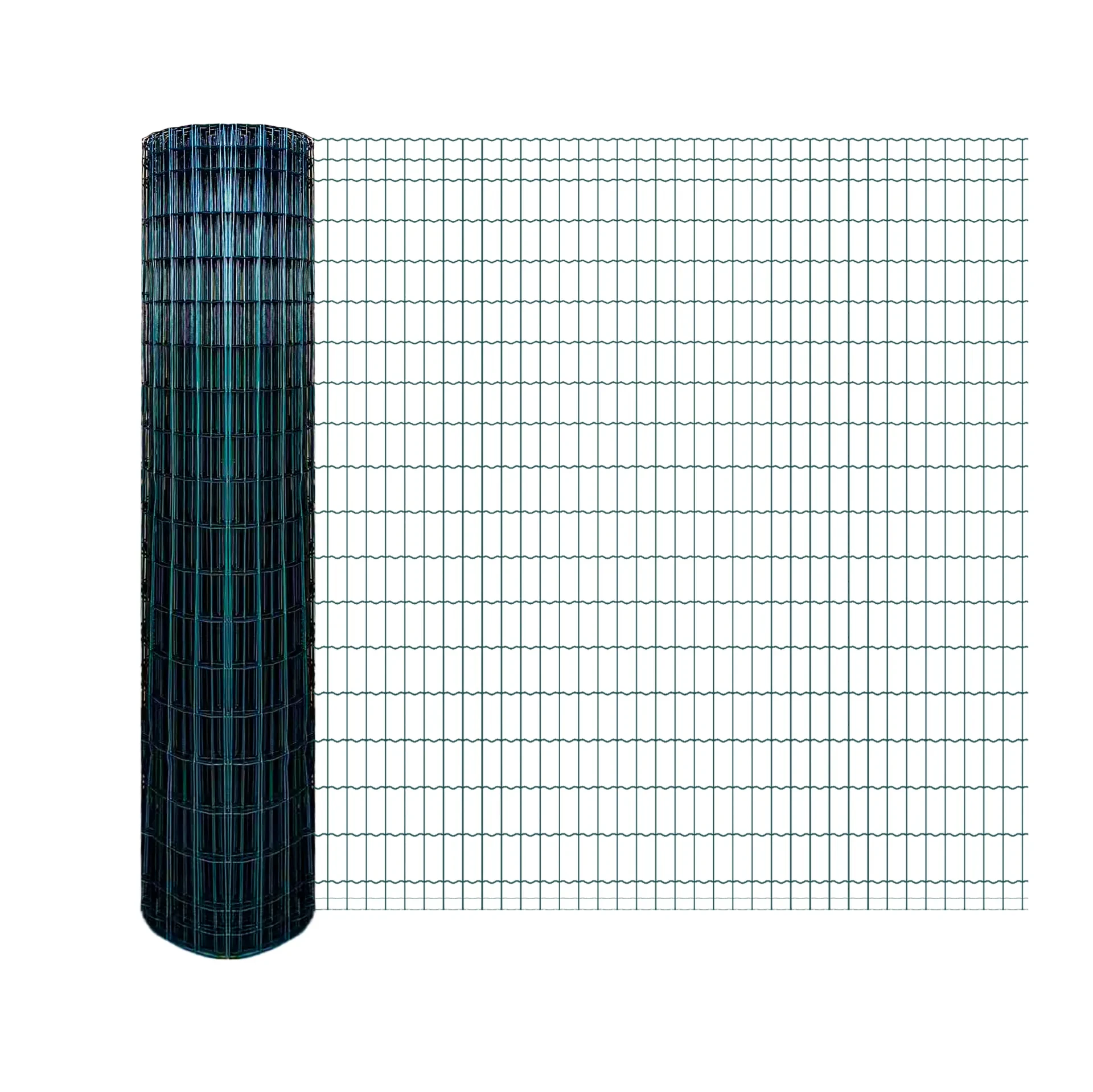
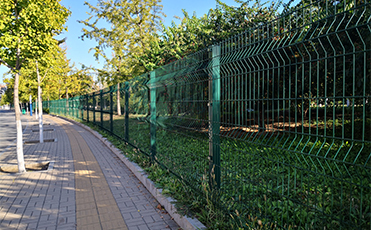
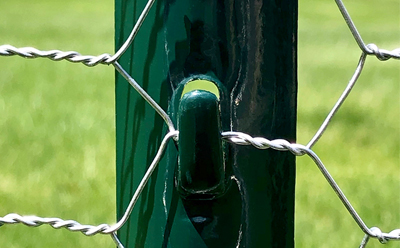
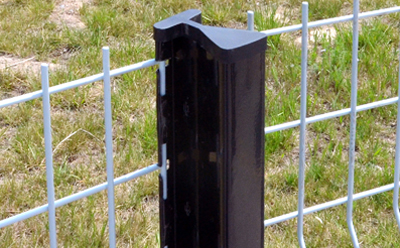
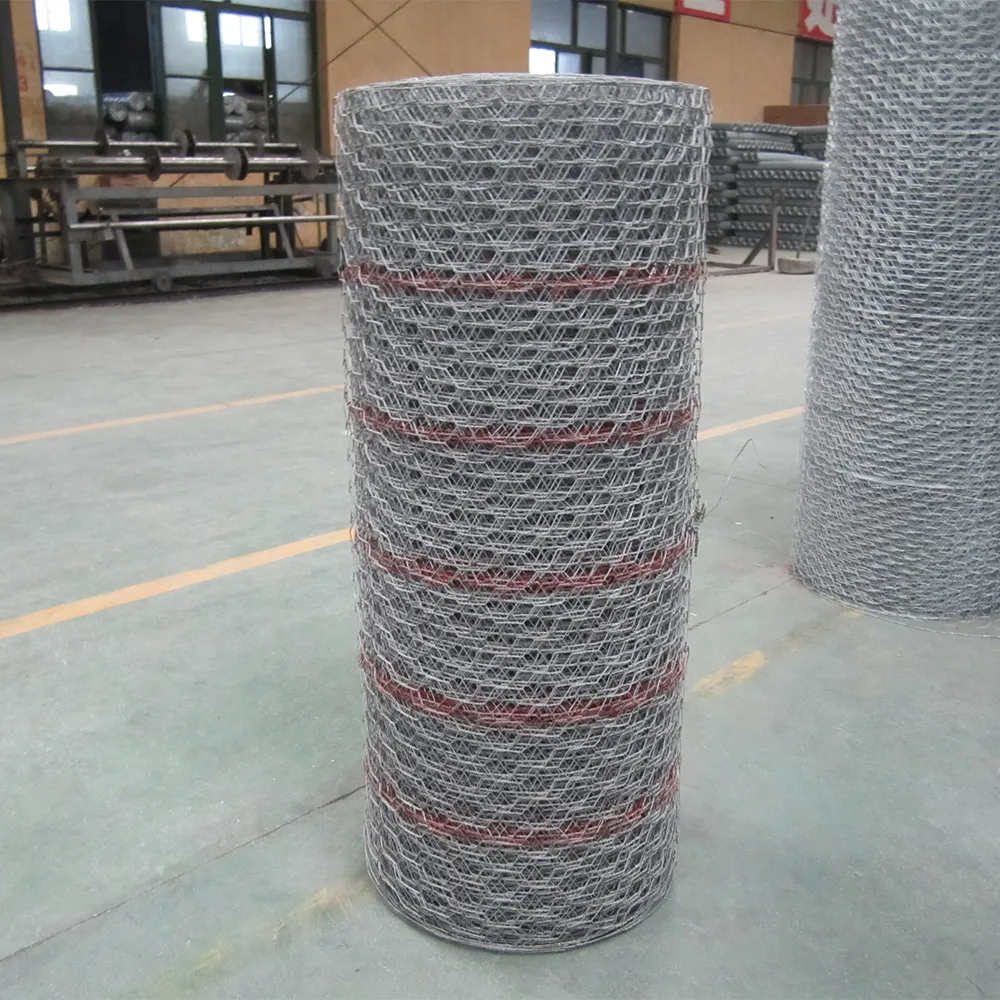
- Mesh Size and Predator Protection: The aperture dimensions of welded chicken wiremust prevent entry from common predators while allowing chickens to access feed and water. Smaller mesh patterns (typically 1/2 inch to 1 inch) effectively exclude weasels, rats, and snakes, while larger openings might compromise security. The consistent welded pattern maintains uniform protection without weak points that could be exploited by determined predators.
- Gauge Strength and Durability Requirements: Wire thickness significantly influences the longevity of weld mesh in coop applications. Heavier gauges (usually 16-gauge to 19-gauge) provide better resistance against chewing predators and environmental stress. Galvanized coatings offer essential corrosion protection against moisture and ammonia from poultry waste, ensuring the mesh remains structurally sound for years.
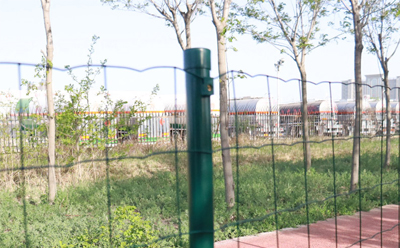
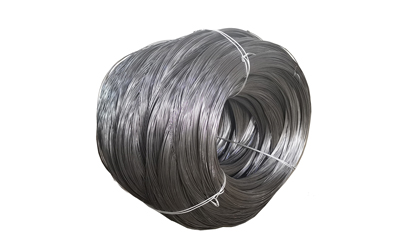
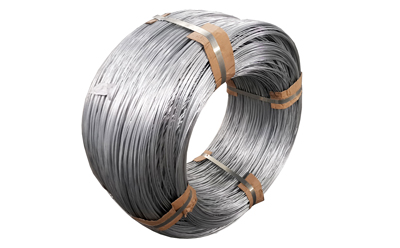
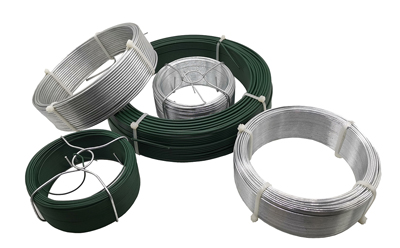
- Material Composition and Coating Options: Quality welded chicken wire features hot-dip galvanization that thoroughly coats the wire surface, providing superior rust resistance. PVC-coated options offer additional protection and color choices that blend with outdoor environments. The coating integrity ensures the mesh withstands constant exposure to weather elements and coop conditions without deteriorating.
Evaluating weld mesh options for different coop components
Various coop elements require specific weld mesh characteristics to address different functional needs. Understanding these applications helps optimize material selection for each part of the coop structure, from walls to runs and protective barriers.
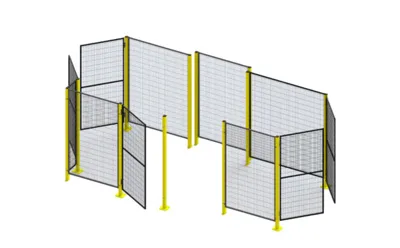
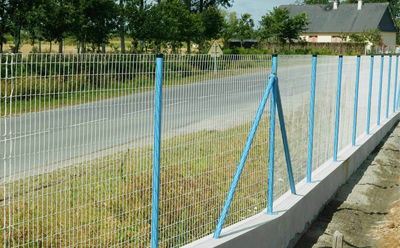
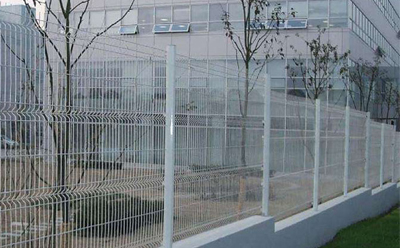
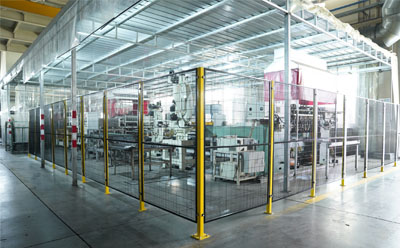
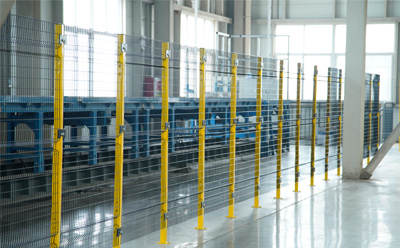
- Wall and Enclosure Applications:Vertical surfaces require weld mesh with sufficient rigidity to maintain structural integrity without sagging. The welded construction provides inherent stability that withstands chicken activity and environmental pressures. For wall sections, medium-gauge mesh offers the ideal balance between security and material cost, providing reliable protection without unnecessary expense.
- Run and Aviary Cover Requirements: Overhead and run enclosures need strong welded chicken wire that can support potential snow loads and resist predator weight. The welded joints prevent unraveling if damaged, maintaining continuous protection. For these applications, heavier gauge mesh with smaller apertures provides maximum security against aerial predators and climbing threats.
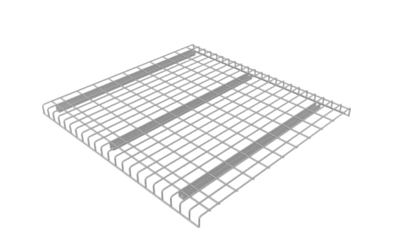
- Flooring and Ground Protection: While not always the primary flooring material, weld mesh serves excellently as a protective layer against digging predators. When used as a ground barrier, the mesh must feature corrosion-resistant coatings and sufficient gauge strength to prevent deformation under soil pressure and moisture exposure.
Factors influencing welding mesh price for small-scale projects
The welding mesh price varies based on multiple factors that affect both initial cost and long-term value. Understanding these elements helps budget-conscious homeowners make informed decisions that balance quality requirements with financial constraints.
- Material Quality and Manufacturing Standards:The base welding mesh price reflects the quality of steel used and the manufacturing precision. Higher-grade wire with consistent galvanization commands premium pricing but offers better longevity. Automated welding processes ensure uniform quality but may increase production costs compared to manually welded alternatives.
- Coating Type and Protective Features: Additional coatings significantly impact welding mesh price. Hot-dip galvanized mesh represents the standard for corrosion resistance, while PVC-coated options cost more but provide enhanced durability and color options. The coating thickness and quality directly influence both initial cost and maintenance requirements over time.
- Quantity Purchased and Project Scale: The welding mesh price per square foot decreases substantially with larger purchases. Small-scale projects typically pay higher per-unit costs but benefit from minimal waste. Bulk purchases offer better value for multiple coop projects or larger enclosures, though storage considerations may influence buying decisions for homeowners.
Welding Mesh Price FAQs
Q: What factors influence the Welding Mesh Price range?
A: Welding Mesh Price depends on wire gauge (thicker wires cost more), mesh size (smaller gaps increase price), material (galvanized steel is pricier than plain steel), and coating (PVC adds cost). Bulk orders often lower per-unit prices, while custom sizes may raise them.
Q: How does Weld Mesh differ from other types of wire mesh in terms of durability?
A: Weld Mesh has wires welded at intersections, creating a rigid, stable structure that resists stretching or warping. This makes it more durable than woven mesh (which can loosen over time) for heavy-use applications like fencing or industrial guards.
Q: What are the primary uses of Welded Chicken Wire?
A: Welded Chicken Wire (with 1–2in mesh) is ideal for chicken coops, run enclosures, and garden barriers (to block rodents). Its welded design prevents chickens from pecking through gaps, unlike some woven alternatives that may fray.
Q: Is Weld Mesh suitable for outdoor use, and how to maintain it?
A: Yes—galvanized Weld Mesh resists rust for outdoor use. Maintain by cleaning debris, repairing small cracks with wire patches, and reapplying anti-rust spray if coating wears thin, extending its lifespan to 10+ years.
Q: How to get the best deal on Welding Mesh Price for large projects?
A: Buy in bulk (50+ rolls) for volume discounts. Compare quotes from suppliers—local vendors may offer lower delivery costs. Opt for standard sizes over custom (which add fees) and check seasonal sales for further savings.