
















































Trailer suspension systems play a critical role in ensuring safety, stability, and load support for all types of trailers. Whether used for commercial transportation, agricultural equipment, construction machinery, or recreational towing, high-quality suspension components are essential for reliable performance. Products such as trailer spring perches, trailer spring parts, trailer slipper spring kit, trailer slipper leaf springs, trailer overload springs, e trailer lift springs are all important elements of modern trailer suspension systems.
As transportation industries continue to expand worldwide, trailer owners and manufacturers are placing greater emphasis on suspension durability and load-handling capability. A properly designed suspension system not only improves driving comfort but also extends trailer lifespan, reduces maintenance costs, and increases overall road safety. This article explores the key functions of trailer spring systems, their advantages, and how to choose the right suspension components for different applications.
Every trailer suspension system consists of multiple interconnected components that work together to absorb road impact, support heavy loads, and maintain vehicle balance. Among the most important components are trailer spring parts, which directly influence ride quality and structural stability.
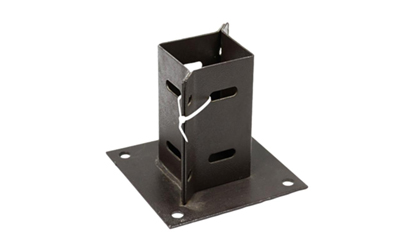
One essential component is the trailer spring perches, which serve as mounting points that connect the leaf springs to the trailer axle. These perches are usually welded to the axle and are designed to hold the suspension system securely in place. High-quality trailer spring perches ensure proper axle alignment, reduce uneven tire wear, and improve overall trailer handling.
Because trailers frequently operate under heavy loads and harsh road conditions, the durability of spring perches is extremely important. Poor-quality or damaged perches can lead to suspension misalignment, unstable towing performance, and increased maintenance costs. For this reason, trailer manufacturers and repair professionals prioritize strong and precisely manufactured spring perch systems.
Another important category includes trailer spring parts such as shackles, equalizers, U-bolts, bushings, and hangers. These components work together to distribute weight evenly across the suspension system while allowing controlled movement during towing. Properly functioning suspension parts help reduce road vibration and protect cargo from excessive impact.
In heavy-duty applications, trailer overload springs are often added to improve load capacity and prevent excessive suspension compression. These springs provide additional support when trailers carry extremely heavy loads, making them particularly useful for industrial transport, construction trailers, and agricultural equipment.
At the same time, trailer lift springs are designed to increase ride height and improve ground clearance. Off-road trailers and utility trailers frequently use lift spring systems to navigate rough terrain more effectively. Increased clearance also helps prevent undercarriage damage during transportation on uneven surfaces.
The quality of suspension materials is another critical factor. Most modern suspension systems use high-strength steel that can withstand repeated stress and harsh environmental conditions. Advanced heat-treatment processes improve flexibility and durability, helping suspension components maintain consistent performance over long periods of use.
As trailers become larger and heavier, demand for reliable trailer spring parts continues to increase. Manufacturers are investing in advanced production technologies to create stronger, lighter, and more corrosion-resistant suspension systems that meet modern transportation requirements.
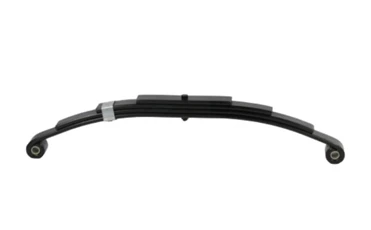
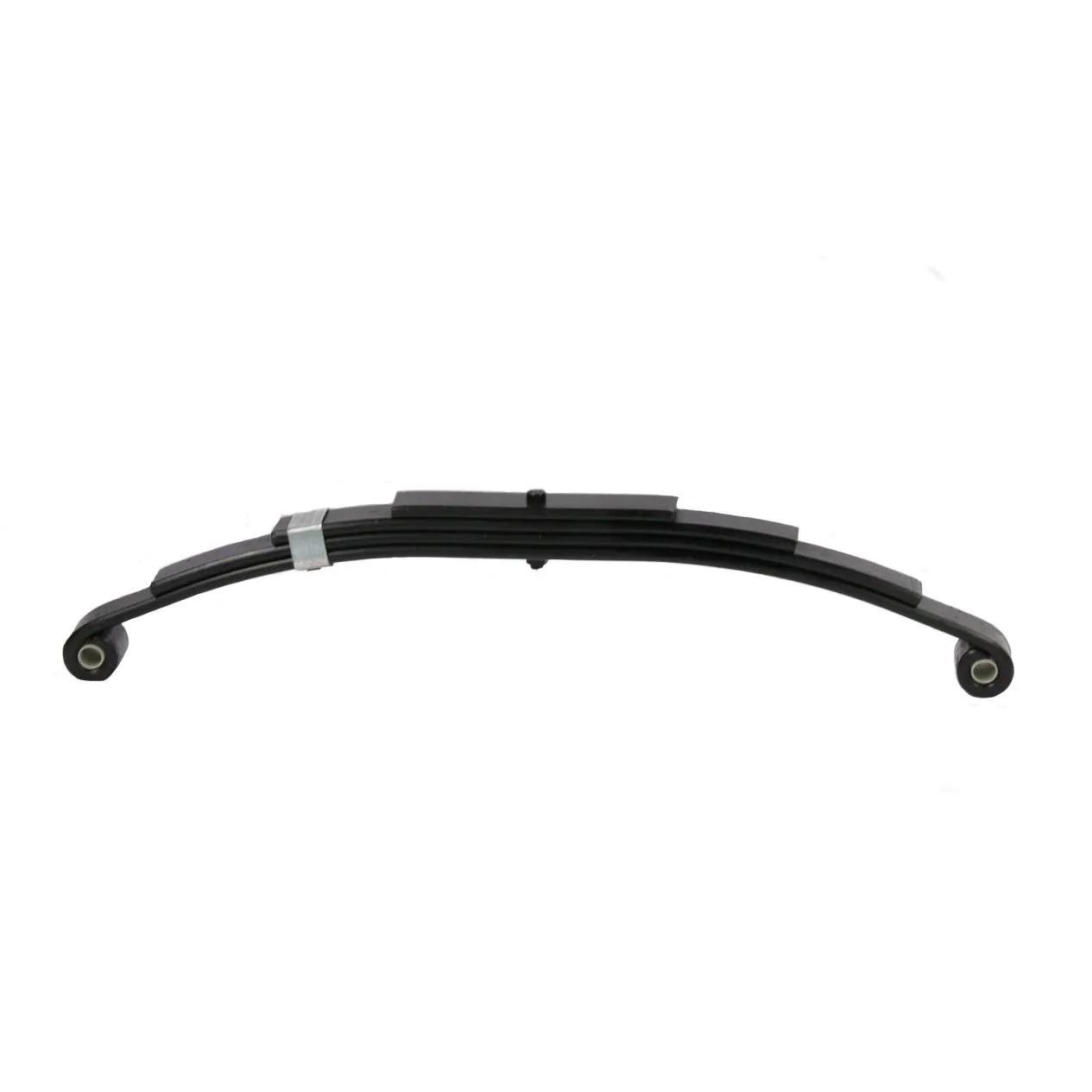
Among all trailer suspension technologies, trailer slipper leaf springs remain one of the most widely used systems due to their simplicity, strength, and cost-effectiveness. These springs are commonly found on utility trailers, cargo trailers, boat trailers, and heavy commercial transport vehicles.
Unlike traditional double-eye leaf springs, trailer slipper leaf springs feature one open end that slides within a hanger or support bracket. This design allows for smoother movement during suspension travel and reduces stress on suspension components. Because of their simple structure, slipper springs are easier to maintain and often more affordable than alternative suspension systems.
A complete trailer slipper spring kit typically includes leaf springs, hangers, U-bolts, bushings, and mounting hardware. These kits provide trailer owners with a convenient solution for suspension replacement or upgrades. Installing a complete trailer slipper spring kit ensures that all suspension components work together correctly, improving towing stability and reducing wear on individual parts.
One major advantage of trailer slipper leaf springs is their ability to handle heavy loads while maintaining flexibility. The layered steel design distributes weight evenly and absorbs road shock effectively. This improves ride quality and reduces stress on the trailer frame and cargo.
Durability is another significant benefit. High-quality slipper springs are designed to withstand years of repeated loading and unloading cycles. This makes them ideal for commercial transportation and industrial applications where trailers operate continuously under demanding conditions.
In situations involving extra-heavy loads, trailer overload springs provide critical support. These springs activate when additional weight compresses the primary suspension system beyond normal operating limits. By increasing suspension resistance under heavy loads, overload springs help maintain trailer stability and prevent sagging.
For businesses involved in freight transportation or equipment hauling, overload spring systems improve safety and reduce suspension damage. Proper load distribution minimizes axle strain, improves braking performance, and helps maintain tire alignment during long-distance towing.
Meanwhile, trailer lift springs offer advantages for trailers operating in rugged environments. Increased ride height improves approach angles and allows trailers to travel over uneven terrain more safely. Off-road campers, utility trailers, and agricultural trailers often rely on lift spring systems for enhanced mobility.
Corrosion resistance is another important factor for modern suspension systems. Many manufacturers apply protective coatings or galvanization treatments to trailer spring parts to improve resistance against moisture, mud, road salt, and environmental exposure. This significantly extends component lifespan and reduces maintenance frequency.
Modern suspension engineering also focuses on improving ride comfort. Well-designed spring systems help absorb vibration and road impact, reducing stress on both the trailer structure and transported goods. This is especially important for delicate cargo or long-distance transportation operations.
Selecting the proper trailer suspension components is essential for ensuring long-term safety and efficiency. Different trailer applications require different spring capacities, ride heights, and load-handling characteristics.
The first factor to consider is load capacity. Trailer owners should choose trailer slipper leaf springs e trailer overload springs that match the trailer’s gross vehicle weight rating (GVWR). Using springs with insufficient load capacity can result in excessive sagging, poor handling, and premature suspension failure.
Trailer size and usage conditions should also influence suspension selection. For lightweight utility trailers, standard slipper springs may provide sufficient support. However, commercial transport trailers carrying heavy equipment often require reinforced suspension systems and additional overload support.
Ride height is another important consideration. Trailer lift springs are ideal for trailers that operate on rough terrain or require additional ground clearance. However, excessive lift height may affect towing stability, so suspension modifications should always be carefully engineered.
Material quality plays a major role in suspension durability. High-quality steel and precision manufacturing processes ensure that trailer spring perches and related components can withstand constant stress without cracking or deforming. Buyers should prioritize products that meet industry quality standards and undergo proper heat treatment.
Installation quality is equally important. Even the best trailer spring parts may fail prematurely if installed incorrectly. Proper alignment, torque specifications, and secure mounting are essential for safe trailer operation. Many trailer owners choose professional installation services to ensure optimal suspension performance.
Maintenance is another key factor in extending suspension lifespan. Regular inspection of trailer spring perches, bushings, U-bolts, and springs helps identify wear or damage before serious problems develop. Lubrication and rust prevention measures can further improve long-term reliability.
Cost is also an important consideration, but focusing only on the lowest price may lead to lower-quality products and higher repair expenses later. Investing in premium-quality trailer slipper spring kit systems often provides better long-term value through improved durability and reduced maintenance needs.
As transportation industries continue to evolve, advanced trailer suspension systems will remain essential for safe and efficient towing. Products such as trailer spring perches, trailer overload springs, trailer lift springs, e trailer slipper leaf springs provide the structural support necessary for modern trailer operations.
With ongoing improvements in steel technology, manufacturing precision, and suspension engineering, trailer spring systems are becoming stronger, lighter, and more reliable than ever before. By selecting high-quality components and maintaining suspension systems properly, trailer owners can achieve better towing stability, increased safety, and longer equipment lifespan for years to come.



Copyright © 2026 Hebei Minmetals Co., Ltd. All Rights Reserved. Sitemap | política de Privacidade | Menu