

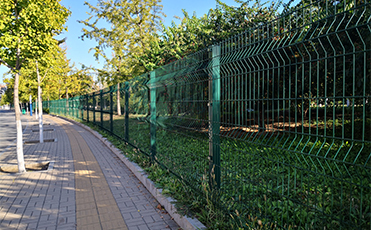
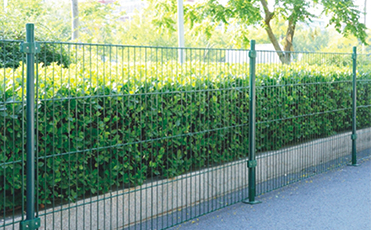
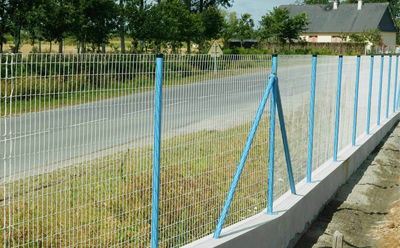
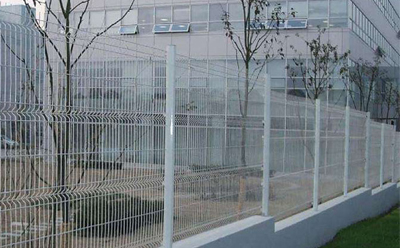
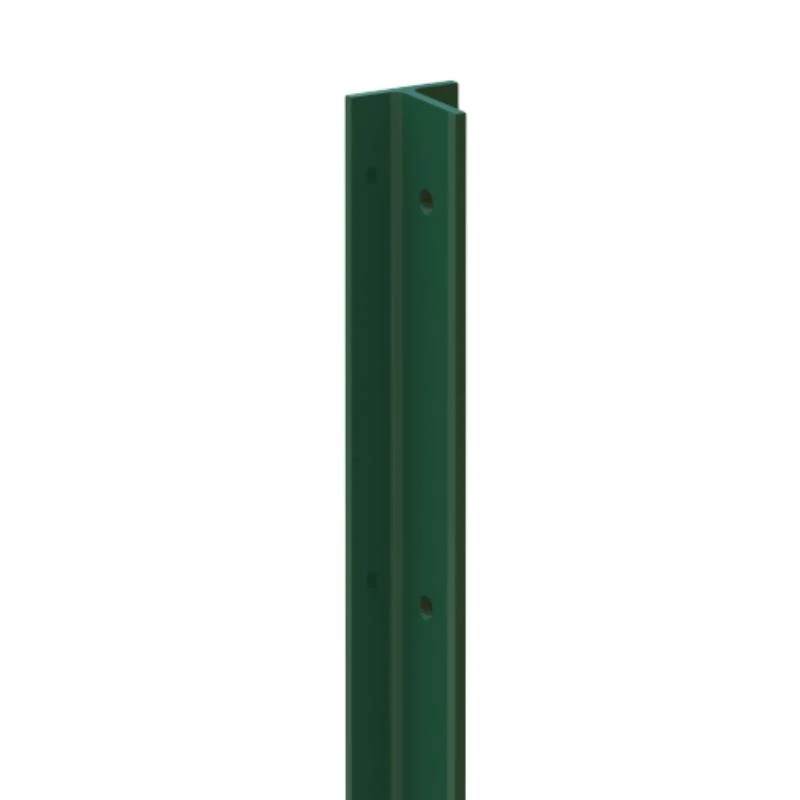
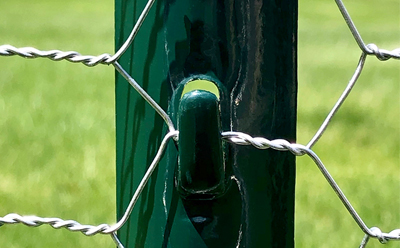
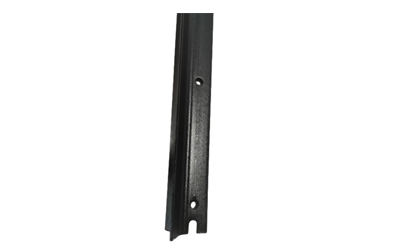
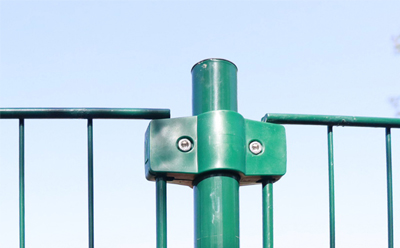
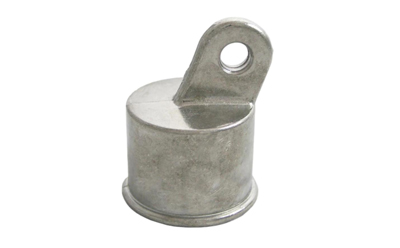
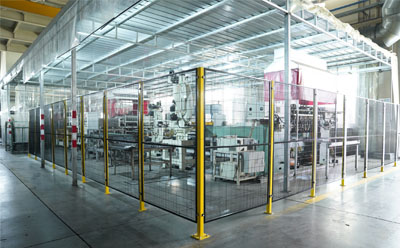
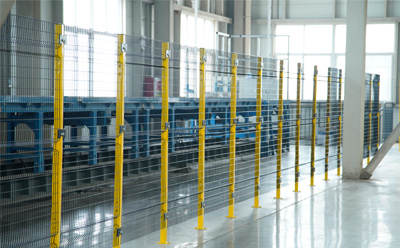













When building a secure and long-lasting fence, the foundation is critical. Metal pipe fence posts provide a robust and reliable solution, surpassing traditional wood posts in longevity and strength. This article will explore the benefits of using metal pipe posts, the different types available, installation considerations, and why Minmetalsglobal is a trusted supplier. Choosing the right fence post material is a significant investment, and understanding your options is key to a successful and durable fencing project.
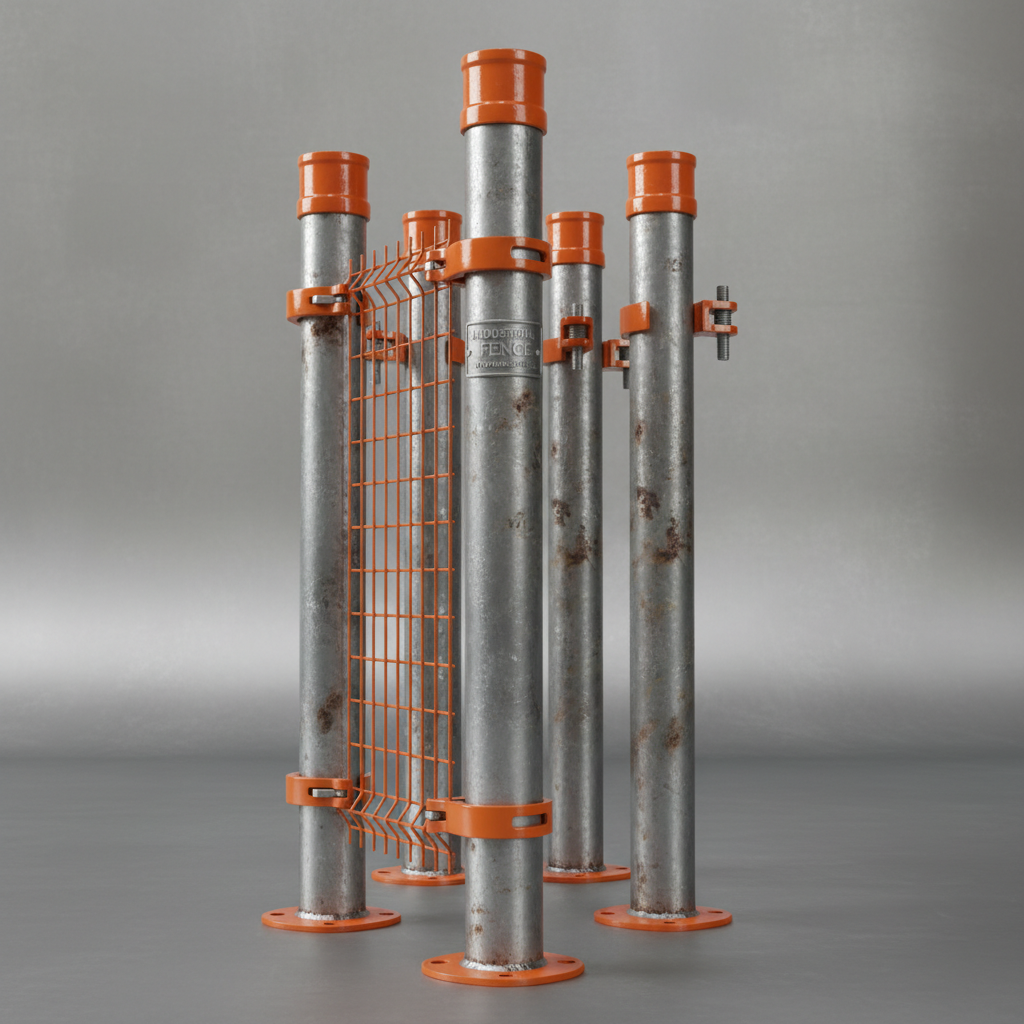
Metal pipe fence posts, typically made from steel, offer several advantages over wooden alternatives. They are significantly more resistant to rot, insect damage, and weathering, resulting in a longer lifespan. This longevity translates to lower long-term costs, as you won't need to replace posts as frequently. Furthermore, metal posts offer superior strength, providing a more secure perimeter and better resistance to impact. They are also less susceptible to warping or cracking, maintaining the integrity of your fence over time. Choosing a quality metal pipe post means investing in a secure and durable solution for years to come.
Key Benefits: Superior strength and durability, resistance to rot and insects, long-term cost savings, and minimal maintenance.
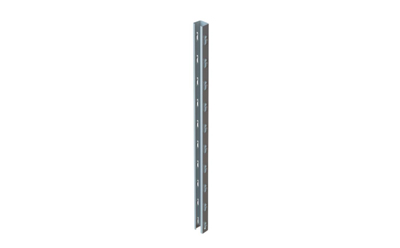
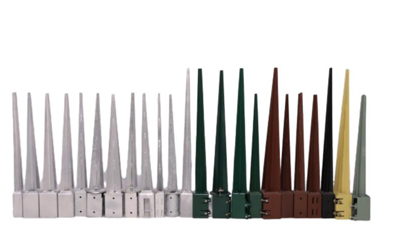
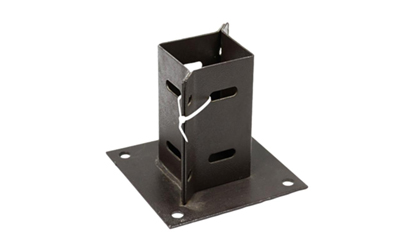
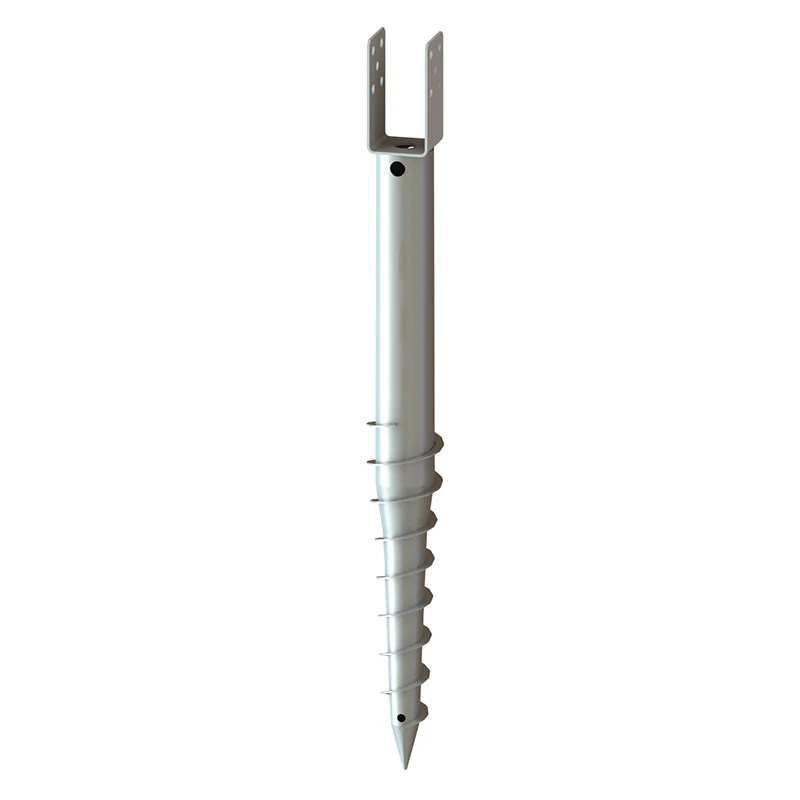
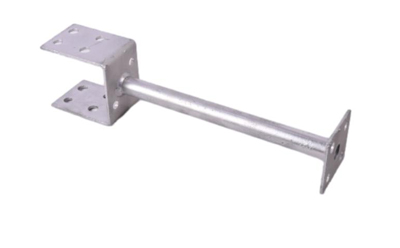
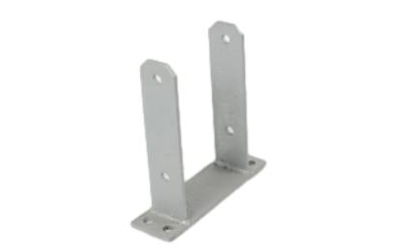
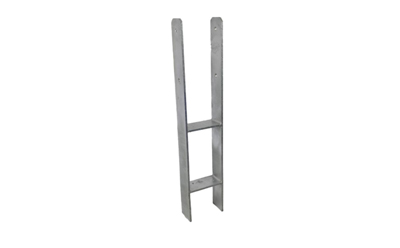
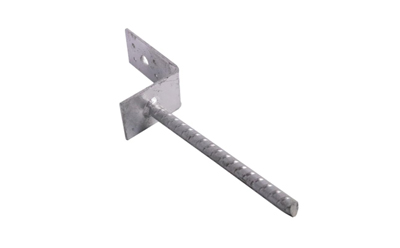
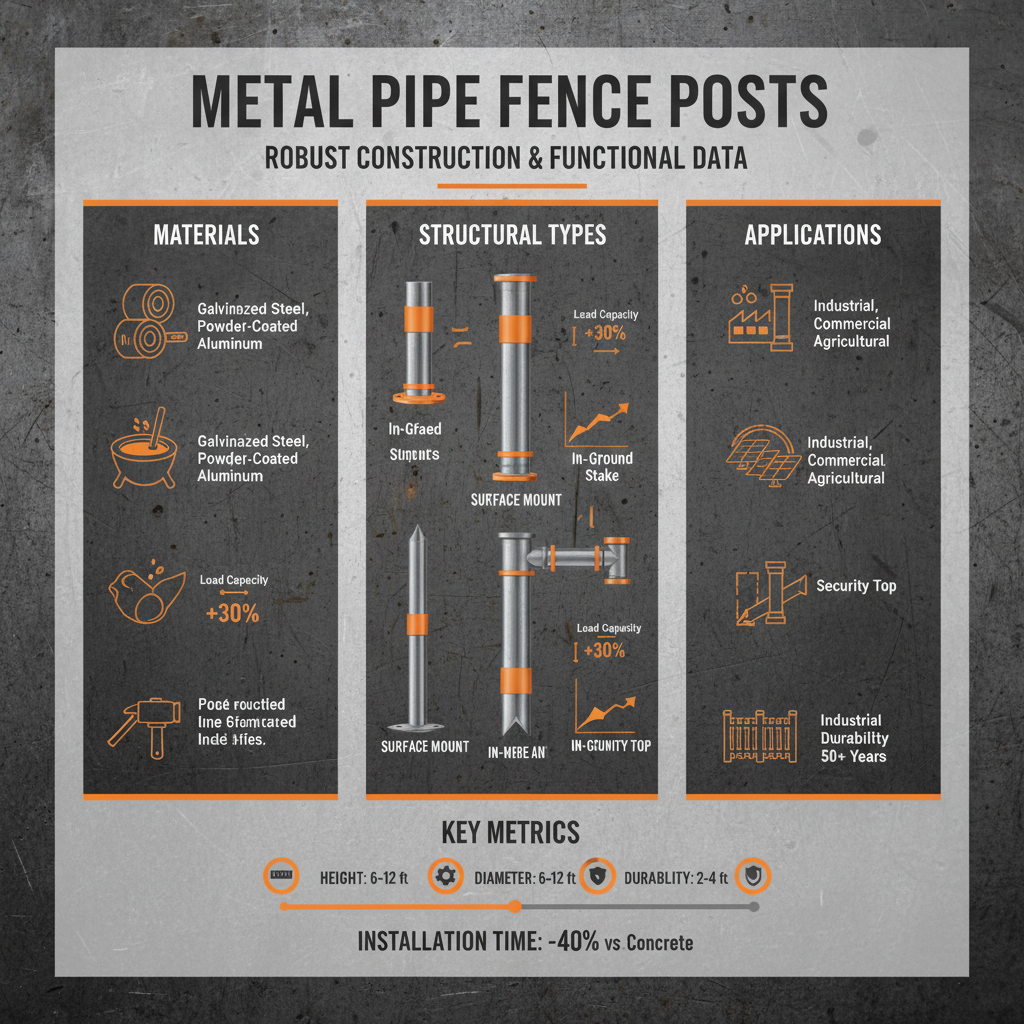
Metal pipe fence posts come in various types to suit different needs and budgets. The most common options include:
Choosing the Right Type:
• Consider the climate and soil conditions.
• Evaluate the required strength and durability for your fence.
• Factor in your budget and long-term maintenance costs.
Let's directly compare metal pipe fence posts with traditional wood posts. While wood may seem like a more affordable upfront option, the long-term costs and maintenance requirements often outweigh the initial savings. Metal posts offer a significantly longer lifespan, reducing the need for replacements. They are also less prone to damage from weather, pests, and general wear and tear. Here's a detailed breakdown:
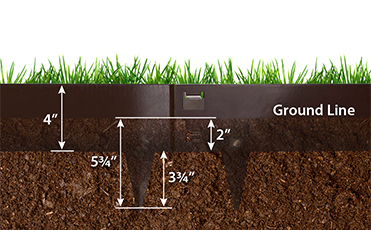
Proper installation is crucial for the longevity and stability of your fence. Here are some key considerations:
Minmetalsglobal is a leading supplier of high-quality metal pipe fence posts. We offer a wide range of sizes, materials, and finishes to meet your specific requirements. Our commitment to quality, competitive pricing, and exceptional customer service makes us a trusted partner for fencing projects of all sizes. We pride ourselves on delivering reliable products and expert support, ensuring your fence is built to last. We understand the importance of durable materials and offer a variety of options to suit your climate and budget.
Investing in metal pipe fence posts from Minmetalsglobal is a smart choice for a durable, secure, and long-lasting fence. Choose quality, choose reliability, and build a fence that stands the test of time.
For a 6-foot high fence, a typical post spacing is 8-10 feet. However, this can vary depending on the wind conditions in your area. In areas with high winds, you may need to reduce the spacing to 6-8 feet for added stability. It's also important to consider the type of fencing material you're using, as heavier materials may require closer post spacing. Consulting with a fencing professional is always recommended to determine the optimal spacing for your specific needs.
Black steel pipe is susceptible to rust if not properly protected. To prevent rust, you should thoroughly clean the posts and apply a rust-inhibiting primer before painting with a high-quality exterior paint. Alternatively, you can apply a galvanizing coating or a rust-resistant sealant. Regularly inspect the posts for any signs of rust and touch up the paint or sealant as needed. Ensure the area around the posts has good drainage to minimize moisture exposure.
Schedule 40 and Schedule 80 refer to the thickness of the pipe wall. Schedule 80 pipe has thicker walls than Schedule 40, making it stronger and more durable. Schedule 40 is typically sufficient for residential fencing applications, while Schedule 80 is recommended for high-stress applications, such as commercial fences or fences in areas with extreme weather conditions. Schedule 80 pipe is more expensive than Schedule 40, but it provides greater long-term reliability.
Yes, metal pipe fence posts are versatile and can be used with a wide range of fencing materials, including wood, vinyl, chain-link, and wire mesh. However, you'll need to use appropriate hardware and attachment methods to securely fasten the fencing material to the posts. Ensure the hardware is compatible with both the metal posts and the fencing material to prevent corrosion and ensure long-term stability.



Copyright © 2026 Hebei Minmetals Co., Ltd. All Rights Reserved. Sitemap | Privacy Policy | Top Blog丨Menu