


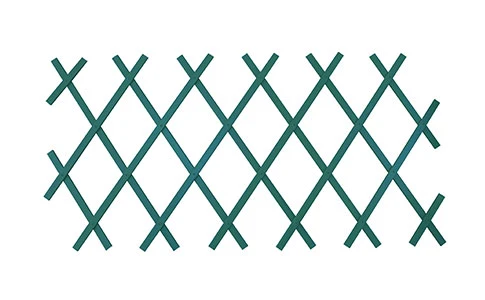
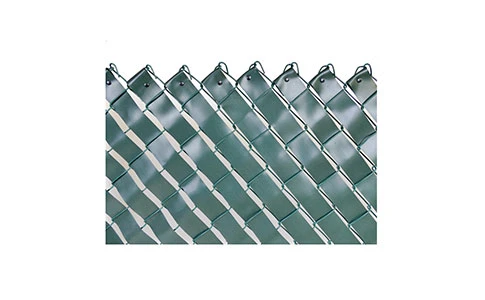

















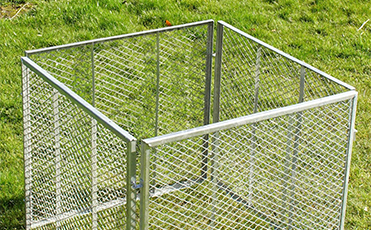
Gardeners are always looking for smart, space-saving solutions to support climbing plants and heavy vegetables. One of the most versatile tools you can add to your garden is a sturdy trellis system. While traditionally designed for tomatoes, cages and arches can support a wide variety of crops. A well-designed tomato and cucumber trellis not only improves plant health but also maximizes yield, airflow, and accessibility.
Whether you have a small backyard, raised beds, or a compact urban garden, understanding how to use structures like a tomato arch trellis or repurpose a tomato cage as trellis can completely transform your growing experience. In this guide, we’ll explore innovative ways to use tomato cages and trellises for different fruits and vegetables.
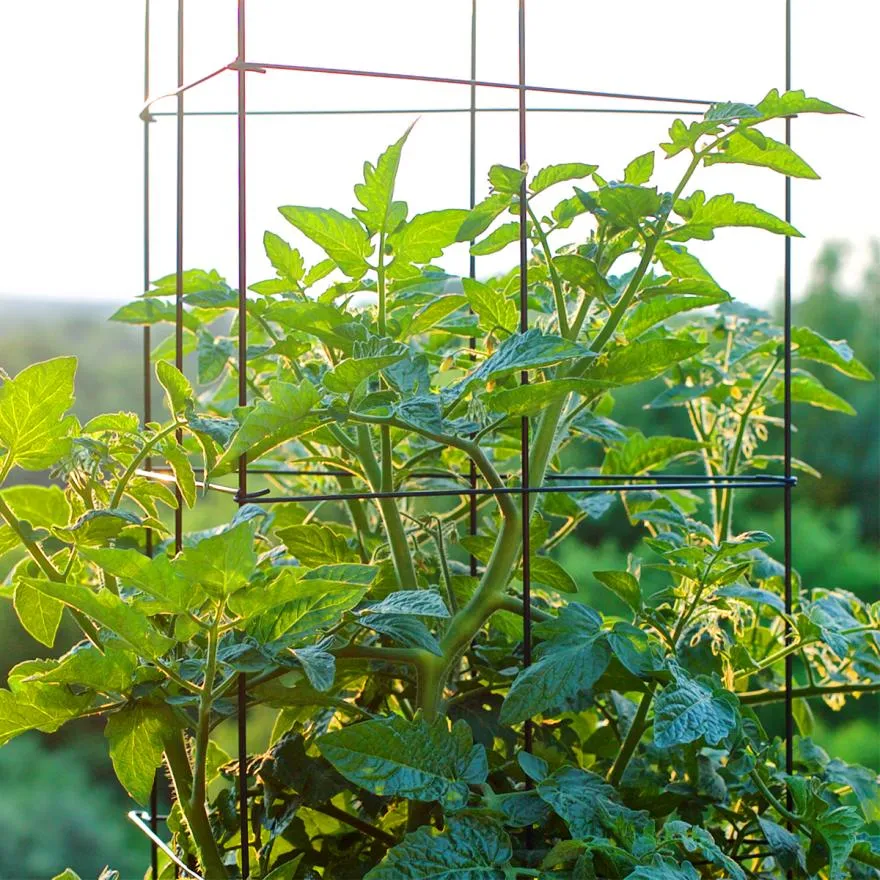
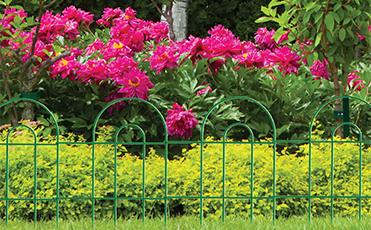
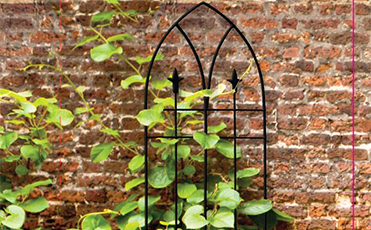
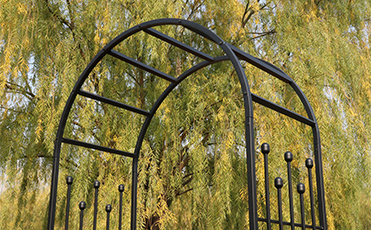
Vertical gardening has become increasingly popular because it allows gardeners to grow more food in less space. A tomato arch trellis is especially effective for supporting vining crops while creating a visually stunning garden walkway.
Maximizing Space and Sunlight
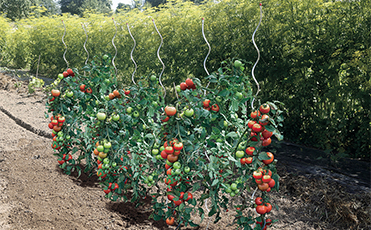
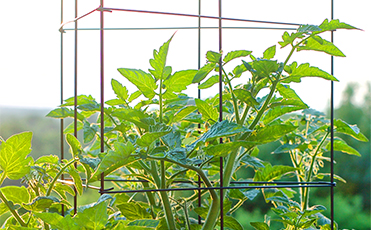
When you install a tomato and cucumber trellis, you encourage plants to grow upward instead of spreading across the ground. This vertical growth exposes more leaves to sunlight, improving photosynthesis and boosting production. Crops like cucumbers and pole beans thrive when trained upward.
Using a tomato cage cucumber trellis setup keeps vines off the soil, reducing the risk of fungal diseases and pest infestations. Improved air circulation also helps prevent mildew, which is common in dense foliage.
Creating a Garden Archway
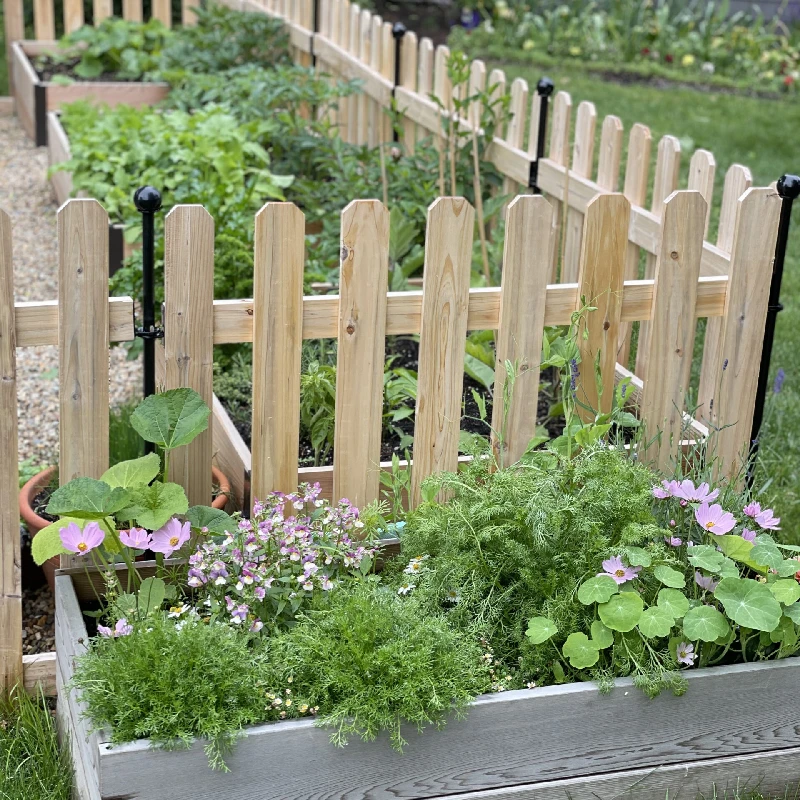
A tomato arch trellis can be positioned between two raised beds, allowing vines to climb overhead and form a shaded tunnel. This works beautifully for cucumbers, peas, and even lightweight squash varieties. The structure becomes both functional and decorative.
For gardeners experimenting with alternative supports, using a tomato cage as cucumber trellis is a simple and cost-effective solution. Place the cage over young cucumber plants and gently guide the vines upward as they grow.
Easy Harvesting and Maintenance
When plants are elevated on a tomato and cucumber trellis, harvesting becomes easier. Fruits hang visibly, reducing the chance of missing ripe produce. Additionally, pruning and watering are more manageable since the foliage is lifted and organized.
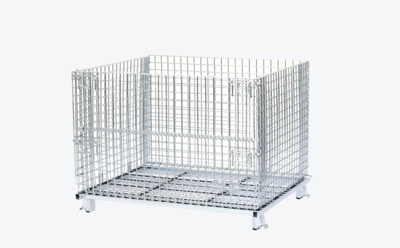
Many gardeners underestimate the versatility of a standard tomato cage. In reality, you can use a tomato cage as trellis for a wide range of climbing and semi-climbing plants.
If you’re growing peas, you can easily use a tomato cage as pea trellis. Pea tendrils naturally cling to wire frames, making tomato cages an ideal support. This method works especially well in raised beds where space is limited.
Similarly, a tomato cage for beans provides sturdy vertical support for pole beans. As the vines wrap around the wire structure, they grow upward in a compact column, saving valuable ground space.
A tomato cage for cucumbers keeps vines contained and prevents fruit from resting on damp soil. Gardeners often convert standard cages into a tomato cage for cucumber trellis by reinforcing them with stakes for extra stability.
For sprawling plants like squash, a tomato cage for squash can help support smaller varieties such as delicata or acorn squash. While larger squash may require heavier-duty supports, tomato cages work well for compact cultivars.
Although eggplants are not climbers, they benefit from structural support. A tomato cage for eggplant prevents branches from snapping under the weight of developing fruit. The cage stabilizes the plant and keeps it upright during windy conditions.
You can also use a tomato cage for blackberries to manage young blackberry canes. While mature blackberry plants may require more permanent trellis systems, tomato cages provide temporary structure during early growth stages.
Gardeners experimenting with exotic plants have discovered that a tomato cage for dragon fruit can help support young dragon fruit cuttings. Since dragon fruit is a climbing cactus, the cage offers a simple framework while the plant establishes itself.
These examples show how adaptable a single cage can be. From peas to dragon fruit, the possibilities are extensive when you think creatively.
To get the most from your garden supports, it’s important to install them correctly and match them to the right crops.
Choose the Right Cage Size
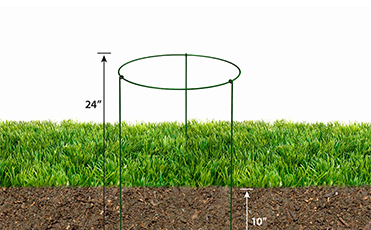
Not all cages are equal. For vigorous climbers, select tall and sturdy cages. When designing a tomato cage cucumber trellis, ensure the structure is at least 4 to 6 feet tall to accommodate mature vines.
Secure the Base
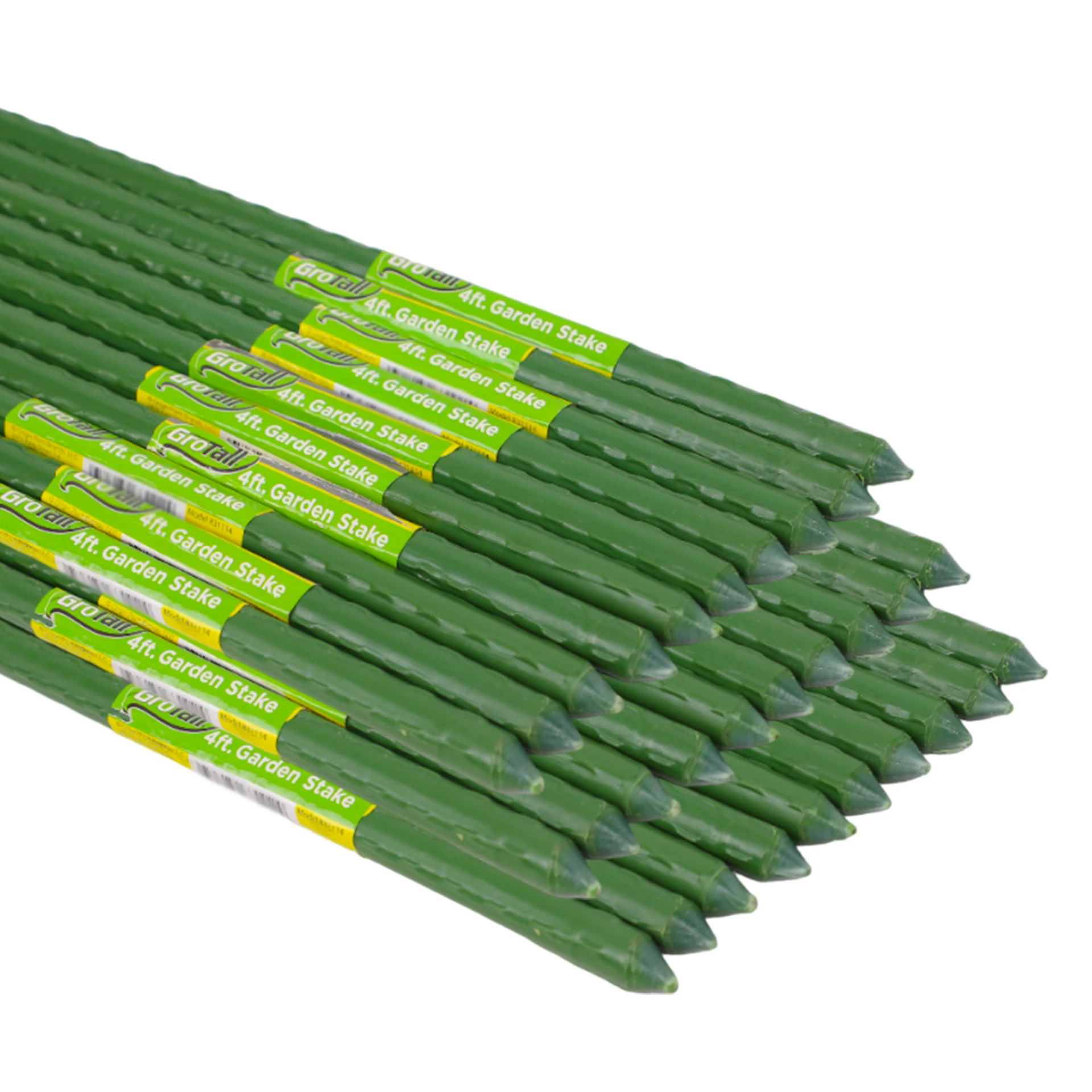
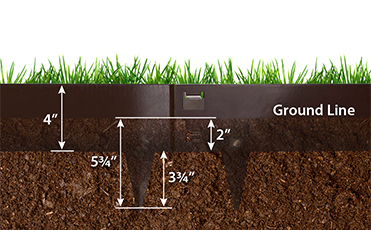
Wind and heavy fruit can cause cages to tip over. Anchor your tomato cage for cucumbers by pushing the legs deeply into the soil or securing them with stakes. Stability is essential for safety and plant health.
Prune and Train Regularly
Training plants to climb a tomato and cucumber trellis requires gentle guidance. Use soft ties if necessary, but many plants will naturally wrap around the wire frame. Regular pruning prevents overcrowding and improves airflow.
Combine Cages for Larger Crops
For heavier crops, you can connect multiple cages to create a stronger tomato cage as trellis system. This technique works well for ambitious growers cultivating squash or blackberries.
Seasonal Storage and Maintenance
One advantage of using cages is their portability. At the end of the season, simply remove and clean your tomato cage for beans or cucumbers. Store them in a dry place to prevent rust and extend their lifespan.
Repurposing cages into a tomato cage as pea trellis or a tomato cage for squash is both economical and environmentally friendly. Instead of purchasing multiple specialized supports, you can rely on one adaptable structure.
Additional benefits include:
Improved plant health due to better airflow
Reduced disease from soil contact
Higher yields through better sun exposure
Easier harvesting and maintenance
More organized and visually appealing garden beds
Even unconventional uses, such as a tomato cage for dragon fruit, demonstrate how flexible these structures can be in diverse gardening environments.
A thoughtfully installed tomato and cucumber trellis can dramatically enhance your garden’s productivity and organization. From building a dramatic tomato arch trellis walkway to using a tomato cage as trellis for peas, beans, and cucumbers, these simple tools offer endless possibilities.
Whether you’re supporting legumes with a tomato cage as pea trellis, stabilizing vegetables with a tomato cage for eggplant, or experimenting with a tomato cage for blackberries, the versatility of tomato cages makes them an essential gardening investment.
By choosing the right setup—such as a reinforced tomato cage for cucumber trellis or a sturdy tomato cage for squash—you can grow healthier plants, save space, and enjoy a more efficient harvest season. With a little creativity, even a basic tomato cage for beans can become a multi-purpose support system that keeps your garden thriving year after year.



Copyright © 2026 Hebei Minmetals Co., Ltd. All Rights Reserved. Sitemap | Privacy Policy | Top Blog丨Menu