





































When it comes to securing residential, commercial, or industrial properties, few solutions are as durable, versatile, and cost-effective as a chain link gate and fencing system. Known for its strength, low maintenance requirements, and adaptability, chain link fencing remains one of the most popular perimeter solutions worldwide. Whether you need a simple garden entrance or a heavy-duty access point for vehicles, there are multiple configurations available to suit your needs.
In this comprehensive guide, we’ll explore the different types of gates, structural components, and design considerations—covering everything from a chain link fence gate for a backyard to a large-scale chain link fence rolling gate for commercial properties.
Selecting the right gate is just as important as choosing the fence itself. The gate determines how people and vehicles enter and exit your property, and it must match your usage requirements, available space, and security needs.
For residential properties, a chain link fence gate designed for foot traffic is the most common solution. These gates are compact, easy to install, and ideal for backyard access.
A chain link fence walk gate is typically 3 to 4 feet wide and mounted on sturdy hinges attached to terminal posts. It’s perfect for homeowners who need convenient daily access while maintaining security.
Similarly, a chain link fence walk through gate provides smooth entry for pedestrians, lawn equipment, or small carts. Some suppliers may refer to it as a chain link fence walk thru gate, but the function remains the same—simple, efficient pedestrian access.
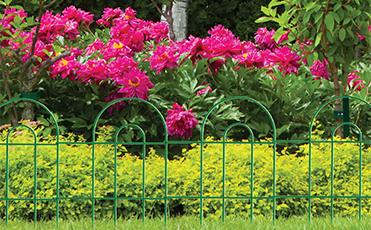
For smaller outdoor spaces such as gardens, a chain link garden gate offers a lightweight and practical solution. These gates help protect plants and landscaping while maintaining visibility and airflow.
A chain link fence swing gate is one of the most versatile gate styles available. Swing gates operate on hinges and can be single-leaf (one panel) or double-leaf (two panels meeting in the middle).
Single swing gates are ideal for narrow driveways or pedestrian access, while double swing gates accommodate larger vehicles such as trucks or trailers. Swing gates are commonly used in residential driveways, farms, schools, and storage facilities.
Advantages of swing gates include:
Simple mechanical operation
Lower installation costs
Easy automation options
Minimal ground track requirements
However, they do require sufficient clearance space to open inward or outward.
For properties where space is limited or high security is required, sliding gate systems are often the best choice.
A chain link fence sliding gate moves horizontally along a track parallel to the fence line. This design is ideal for locations where a swing gate’s arc would be obstructed by slopes, landscaping, or parked vehicles.
Even more robust is the chain link fence rolling gate, commonly used in commercial and industrial settings. These gates feature wheels that roll along a ground track or cantilever system. They are particularly effective for:
Warehouses
Distribution centers
Factories
Storage yards
Schools and government facilities
Rolling gates can span large openings and are often automated for convenient vehicle access.
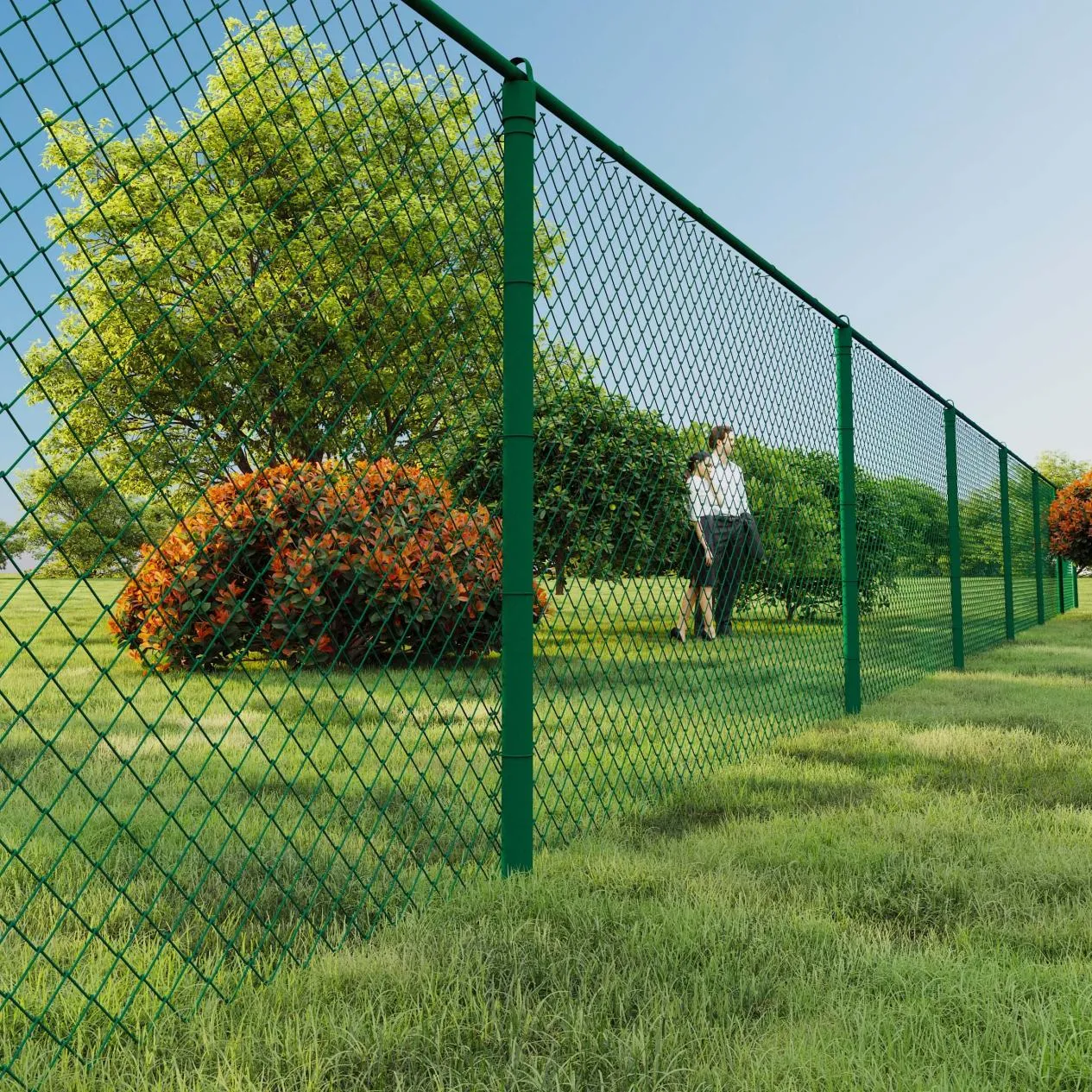
A reliable gate system depends on a strong fence framework. Understanding the key components of chain link fencing and posts ensures you select a system that provides durability and long-term performance.
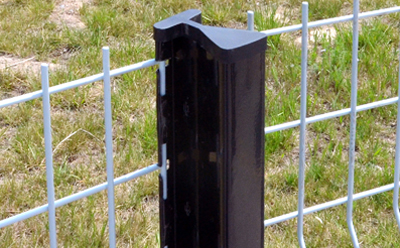
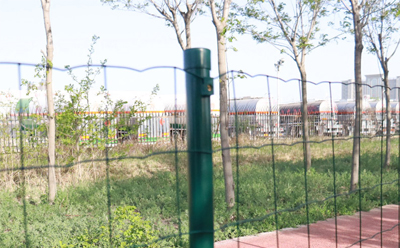
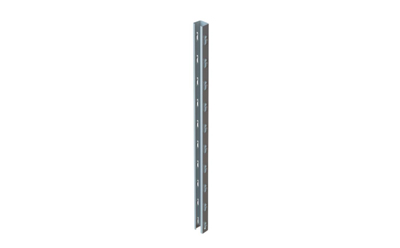
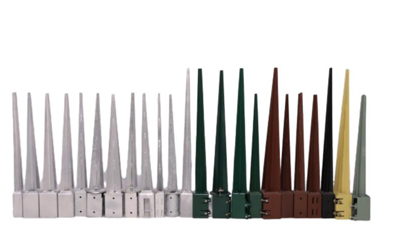
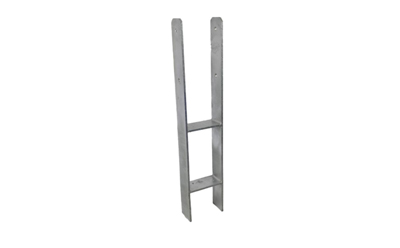
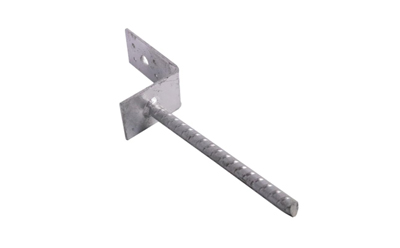
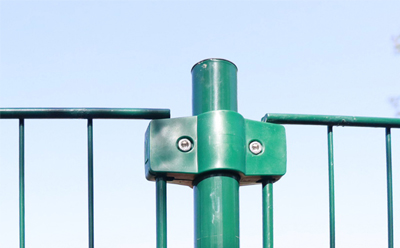
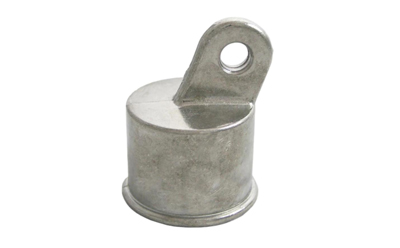
The backbone of any fence is its post system. Chain link fencing and posts typically include:
Terminal posts (end, corner, and gate posts)
Line posts (intermediate support posts)
Top rails
Bottom tension wire or bottom rail
Posts are usually made of galvanized steel to resist corrosion. In coastal or humid environments, vinyl-coated options provide additional protection.
For enhanced stability, many property owners opt for a chain link fence with top and bottom rail. This configuration increases structural rigidity and improves wind resistance.
The top rail connects all line posts, distributing tension evenly across the fence fabric. Adding a bottom rail instead of tension wire provides:
Greater strength
Improved alignment
Reduced sagging
Better durability in high-traffic areas
A chain link fence with top and bottom rail is especially recommended for schools, sports facilities, and commercial installations where longevity is critical.
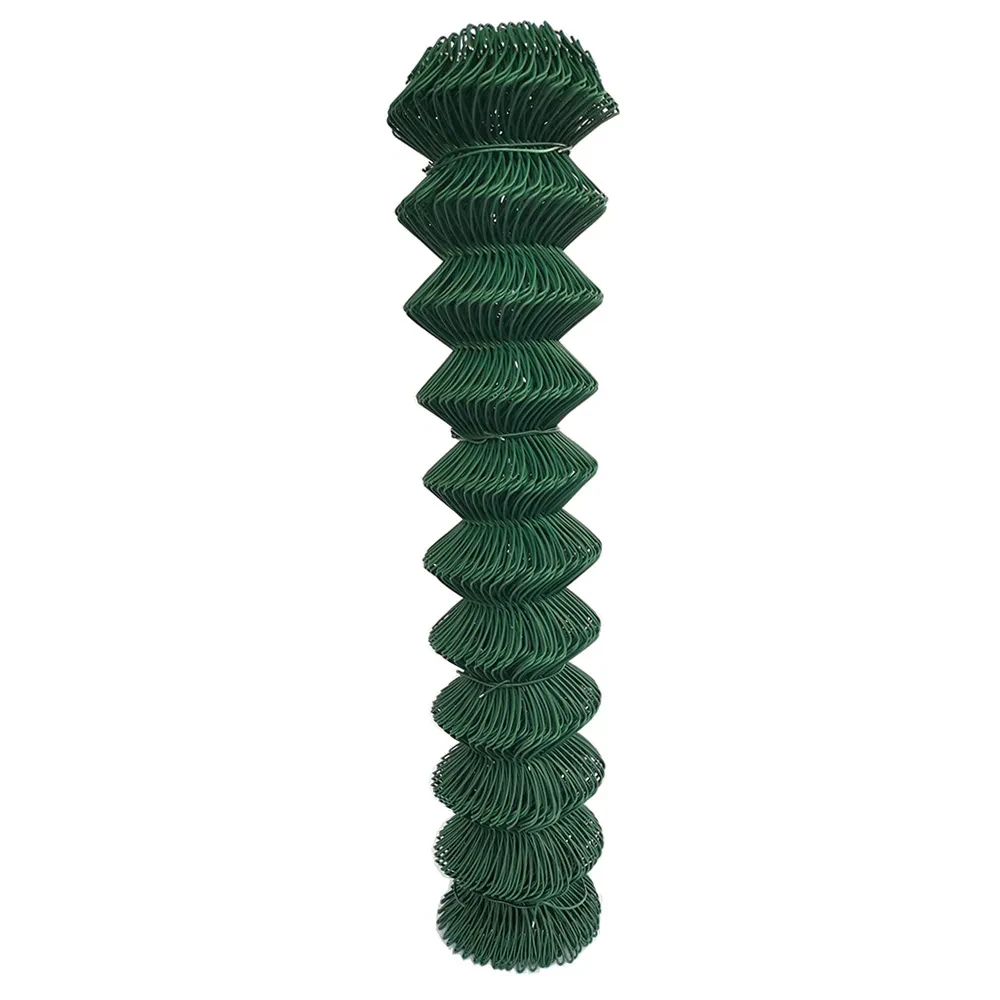
The chain link fabric itself is made of woven steel wire formed into a diamond pattern. Mesh size, wire gauge, and coating type determine strength and appearance.
Common coating options include:
Galvanized steel (standard protection)
PVC or vinyl coating (additional corrosion resistance and aesthetic appeal)
When choosing chain link fences and gates, consider the environmental conditions and desired lifespan of the installation.
Not all properties have the same requirements. Selecting between a chain link fence swing gate, chain link fence sliding gate, or chain link fence rolling gate depends on how the gate will be used.
Residential Applications
Homeowners typically prioritize:
Affordability
Ease of use
Aesthetic compatibility
Pet and child safety
A chain link fence walk gate or chain link garden gate works well for backyards and side entrances. For driveways, a chain link fence swing gate provides convenient vehicle access.
If your yard is small or has limited driveway clearance, a chain link fence sliding gate may be more practical.
Commercial and Industrial Applications
Businesses and industrial facilities require higher durability and security. In these cases, larger systems such as a chain link fence rolling gate are preferred.
These gates can:
Span wide entry points
Support automation systems
Handle frequent opening and closing
Withstand heavy-duty usage
Additionally, reinforcing the perimeter with a chain link fence with top and bottom rail increases overall system strength.
Whether you are installing a simple chain link gate or a full perimeter system, the benefits are substantial.
Compared to wood, vinyl, or wrought iron, chain link fences and gates are significantly more affordable. Installation costs are lower, and maintenance requirements are minimal.
Galvanized steel construction ensures long-term resistance to rust and corrosion. When properly installed with quality chain link fencing and posts, the system can last decades.
Unlike wood fencing, chain link does not require painting, staining, or sealing. Occasional inspection and cleaning are typically sufficient.
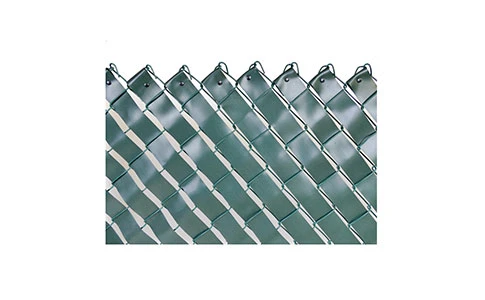
The open weave design provides visibility while still defining property boundaries. For enhanced security, options such as privacy slats or barbed wire extensions can be added.
From a small chain link fence walk through gate to a wide chain link fence rolling gate, systems can be tailored to virtually any property layout.
Proper installation ensures that your chain link fence gate operates smoothly and lasts for years.
Key factors include:
Accurate post placement
Correct concrete footing depth
Proper hinge alignment
Adequate ground clearance
Balanced gate weight distribution
For sliding systems, ensure the ground is level and the track is securely anchored. For swing gates, confirm there is sufficient clearance for the gate’s arc.
Professional installation is often recommended for larger gates such as a chain link fence sliding gate or chain link fence rolling gate, especially when automation is involved.
A well-designed chain link gate and fencing system provides security, functionality, and long-term value for both residential and commercial properties. From a simple chain link garden gate to a heavy-duty chain link fence rolling gate, there is a solution for every application.
By understanding the differences between a chain link fence swing gate, a chain link fence sliding gate, and a chain link fence walk thru gate, you can make an informed decision that fits your property’s layout and access requirements.
Whether you’re installing a chain link fence with top and bottom rail for added durability or investing in comprehensive chain link fences and gates for a large facility, the key is choosing high-quality materials and proper installation techniques.
With the right planning and components—including reliable chain link fencing and posts—your fence system will provide security, accessibility, and peace of mind for many years to come.



Copyright © 2026 Hebei Minmetals Co., Ltd. All Rights Reserved. Sitemap | Privacy Policy | Top Blog丨Menu